











 Posted 09/12/2023 11:41 pm


Quote:
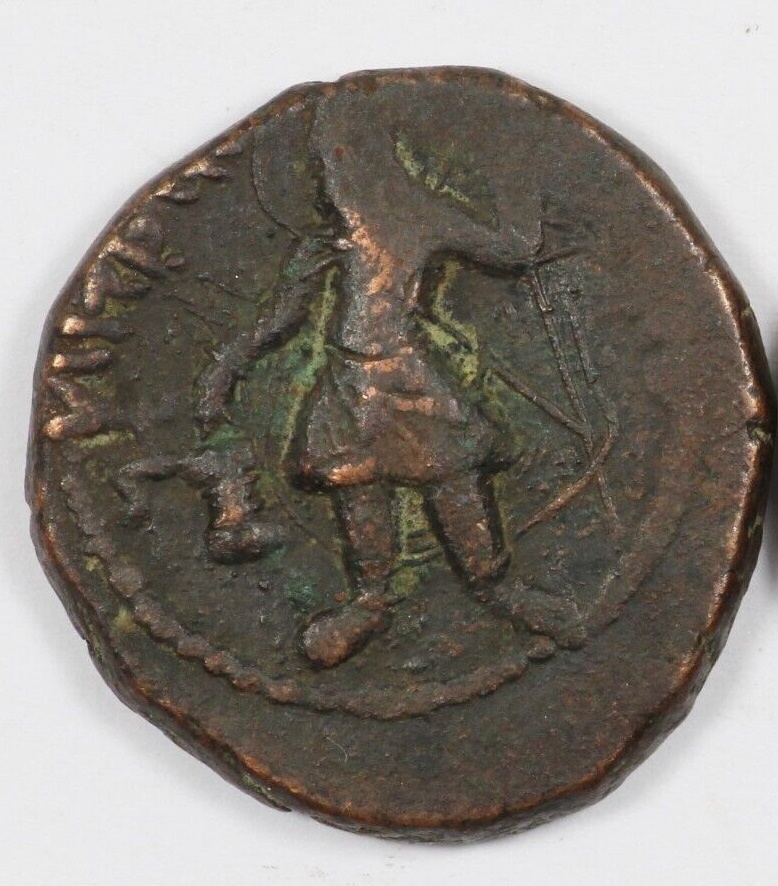
It appears to have a deity standing left with the text "Dobo" (or something of the like) in the field to the right.
It appears to have a deity standing left with the text "Dobo" (or something of the like) in the field to the right.
That word is "Athsho".
The Kushans used the Bactrian language, written in the Greek alphabet with one additional letter to represent a sound not included in regular Greek: the letter "sho", representing the "sh" sound and shaped much like the Old English letter "thorn". So the spelling here is alpha-theta-sho-omicron, A-Th-Sh-O.
Athsho was the Kushan name for the Zoroastrian spirit Atar, the personification of holy fire. The Kushan Empire contained a hodgepodge of religions, with Zoroastrianism, Buddhism, Hinduism and the ancient Greek gods all featuring on Kushan coins.
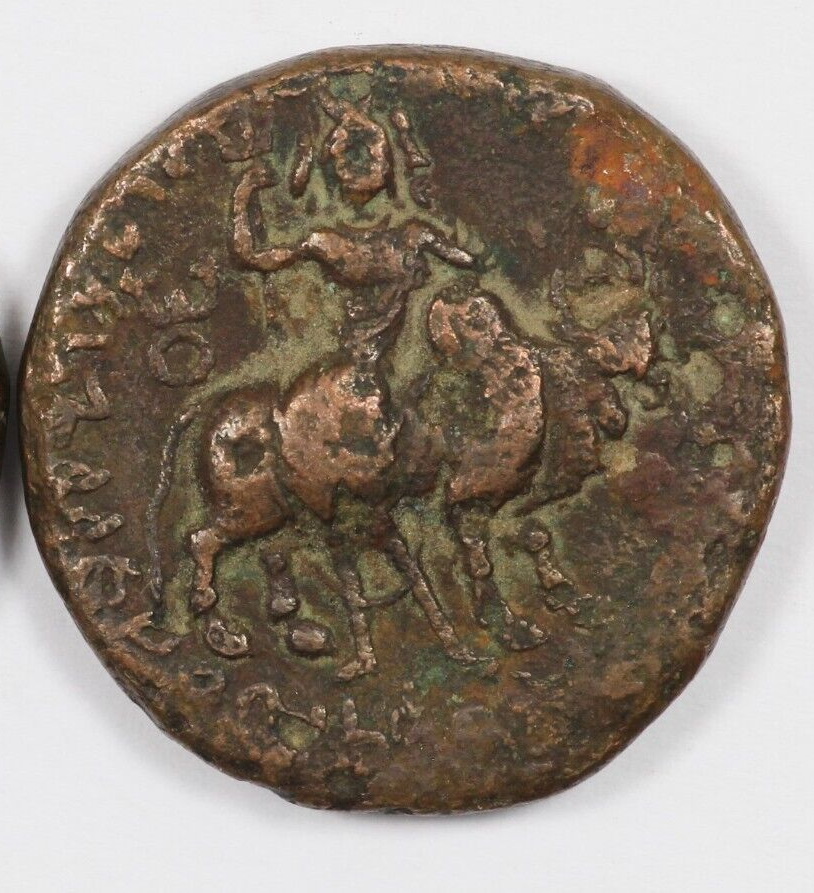
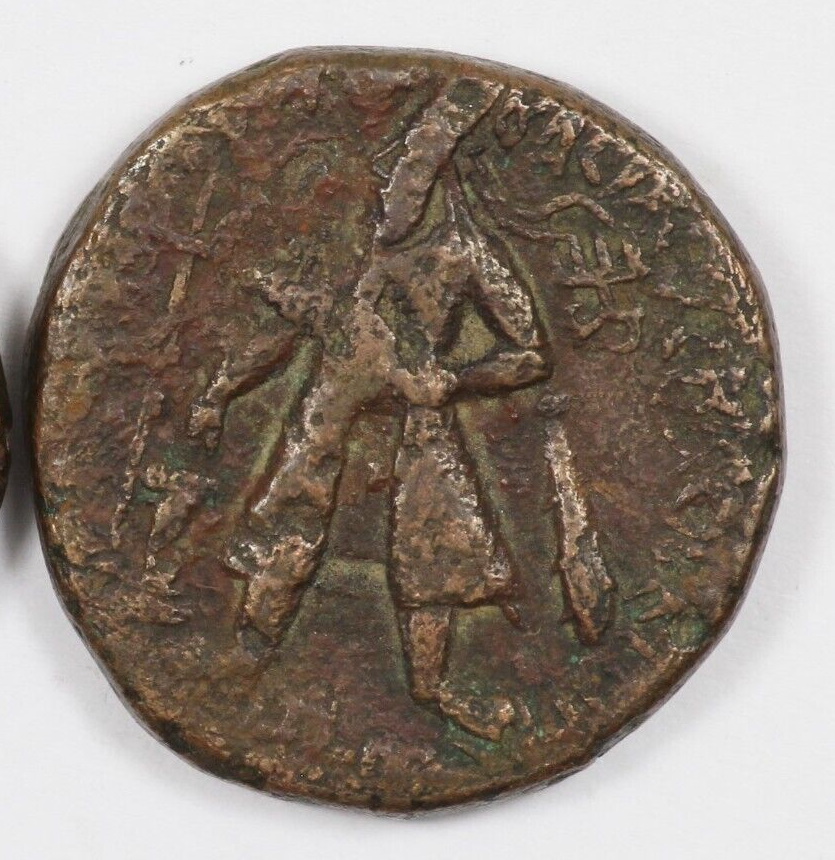
The figure on the second coin, however, is not female. A deity standing with a bull on Kushan coins is always Oesho, the Kushan deity who is kind of a syncretistic mix of the Hindu god Shiva and the Zoroastrian wind-spirit Vaya. The catalogues usually just call him "Shiva", for simplicity. He is often depicted on the gold coins with multiple arms and/or multiple faces, in the Hindu-Shiva style, but on these later coppers he's given a much more human-like treatment.
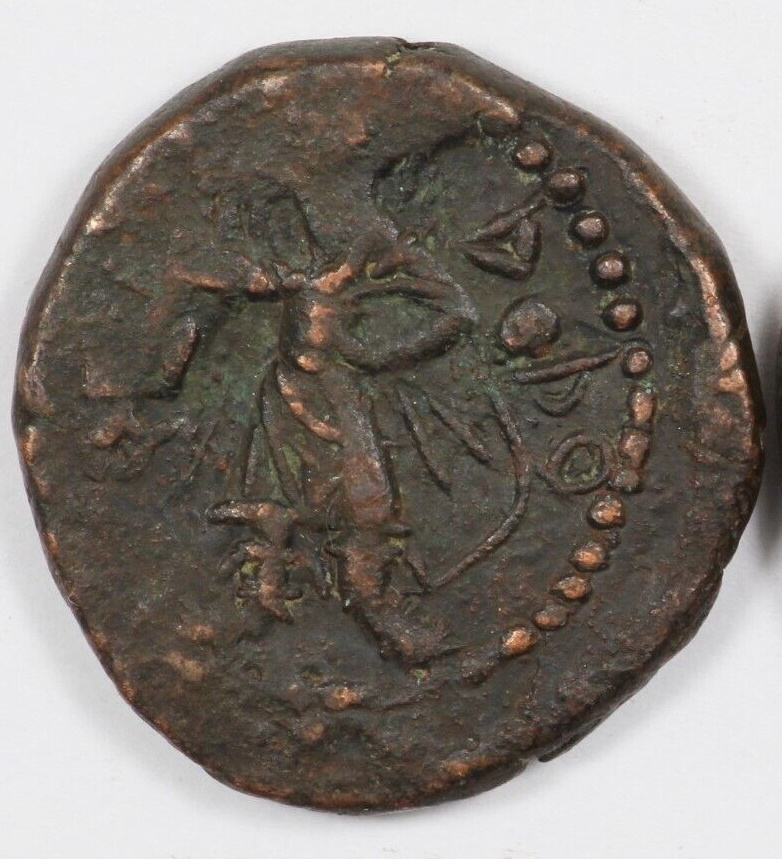
I believe the first coin is attributed to Kanishka I. The second coin is attributed to Vima Kadphises.
Edit: the Kushans didn't believe in ninjas, but they are here in this thread.

Don't say "infinitely" when you mean "very"; otherwise, you'll have no word left when you want to talk about something really infinite. - C. S. Lewis


