











 Posted 04/04/2009 4:38 pm


1)are die markers - a indication of the coin variety? in other words, can one determine the coin is that variety - by first identifying the die "markers".
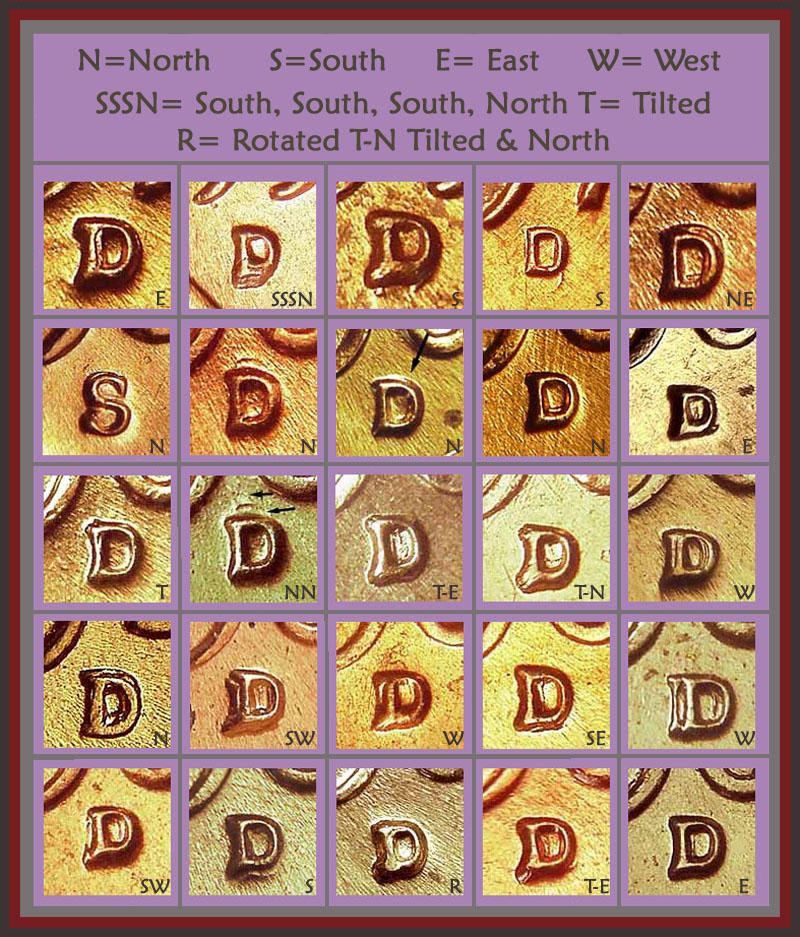
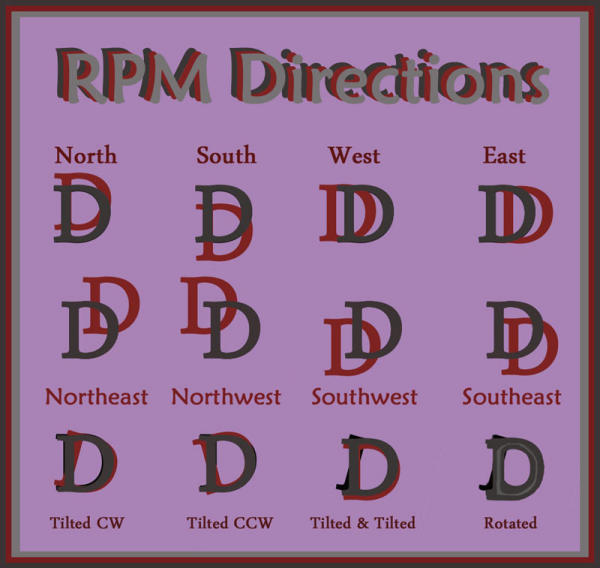
The markers come last to determine die state. But the Spread has to be determined first. RPMs Direction of the spread. North/South/East/West/NW/SW/NE/SE/rotated/tilted. That is the first determination. Second Is location of the mint mark. How close to some each number in the date. That is also needed. Here are a few examples.
Then lastly the markers. Without the variety, markers mean nothing! Because all coin/dies go through the same thing over and over, cracks/chips/breaks/gouges/clashes/cleaning/polishings happen usually in the same places over and over. Thus many dies will make coins with the same events that caused the marker, but don't mean they are from the same die as a marker.
2) do ALL of the die markers have to be present, or is it a case that the dies, "evolve" the markers as the process continues.
Dies all start out fresh, then events happen to them to make a something to not a die with. As die age, they may take on a look that is like humans going through different ages. So markers for a variety may occur in different times in the life of the die. Even some dies are replaced and another die is mated with the surviving die. So not all markers may exist on a certain variety all the way through the dies life. A crack/chip/break will get worse with continued use. Die clashes may be polished out and new scratches are present. Those scratches in time will flatten on the field area of the coin. New scratches may appear over older ones. But when checking close to the devices the older scratches may not flatten in that area. So not all markers will be present during the life of the die. Makers only indicate age of the die. To search for just markers and think they are a certain variety is like putting on your underclothes last! It just doesn't work that way.
3) are the 55's particularly common with these die breaks.
Die breaks can happen on any year. Some era's have more die breaks as the dies were continued to be used to squeeze every coin out of them as possible. This happened a lot in the 50's on Cents. Events happened on dies, they were continued to be used and used and used. The 1960 Small date Cents were replaced with large date ones because of the die cracks/breaks that happened on EDS dies and they needed something better to complete the year with. Thus the change.
So I hope this answers your questions, if not ask another. Someone is always glad to help out.
The markers come last to determine die state. But the Spread has to be determined first. RPMs Direction of the spread. North/South/East/West/NW/SW/NE/SE/rotated/tilted. That is the first determination. Second Is location of the mint mark. How close to some each number in the date. That is also needed. Here are a few examples.
Then lastly the markers. Without the variety, markers mean nothing! Because all coin/dies go through the same thing over and over, cracks/chips/breaks/gouges/clashes/cleaning/polishings happen usually in the same places over and over. Thus many dies will make coins with the same events that caused the marker, but don't mean they are from the same die as a marker.
2) do ALL of the die markers have to be present, or is it a case that the dies, "evolve" the markers as the process continues.
Dies all start out fresh, then events happen to them to make a something to not a die with. As die age, they may take on a look that is like humans going through different ages. So markers for a variety may occur in different times in the life of the die. Even some dies are replaced and another die is mated with the surviving die. So not all markers may exist on a certain variety all the way through the dies life. A crack/chip/break will get worse with continued use. Die clashes may be polished out and new scratches are present. Those scratches in time will flatten on the field area of the coin. New scratches may appear over older ones. But when checking close to the devices the older scratches may not flatten in that area. So not all markers will be present during the life of the die. Makers only indicate age of the die. To search for just markers and think they are a certain variety is like putting on your underclothes last! It just doesn't work that way.
3) are the 55's particularly common with these die breaks.
Die breaks can happen on any year. Some era's have more die breaks as the dies were continued to be used to squeeze every coin out of them as possible. This happened a lot in the 50's on Cents. Events happened on dies, they were continued to be used and used and used. The 1960 Small date Cents were replaced with large date ones because of the die cracks/breaks that happened on EDS dies and they needed something better to complete the year with. Thus the change.
So I hope this answers your questions, if not ask another. Someone is always glad to help out.


