#1
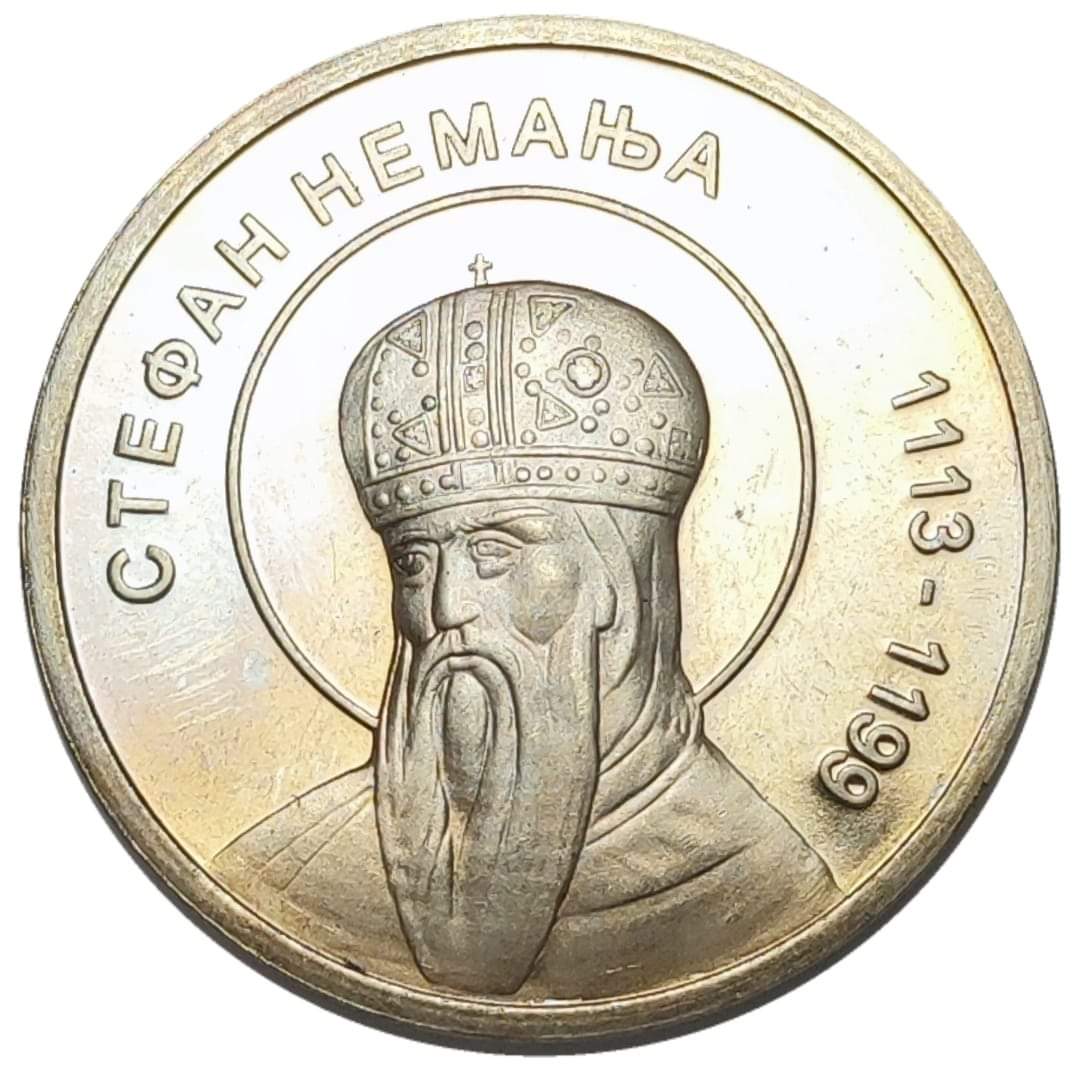
Stefan Nemanja was one of the most important Serbian rulers, the great prefect of Raška, the progenitor of the Nemanji#263; dynasty, the founder of the Serbian Orthodox Church together with his son Sava (#3 Saint Sava), and the creator of the powerful Serbian medieval state. The period of his reign is considered very significant in Serbian history.
#2
Stefan the First-Crowned
Not to be confused with Grand Prince Stefan Nemanja, his father.
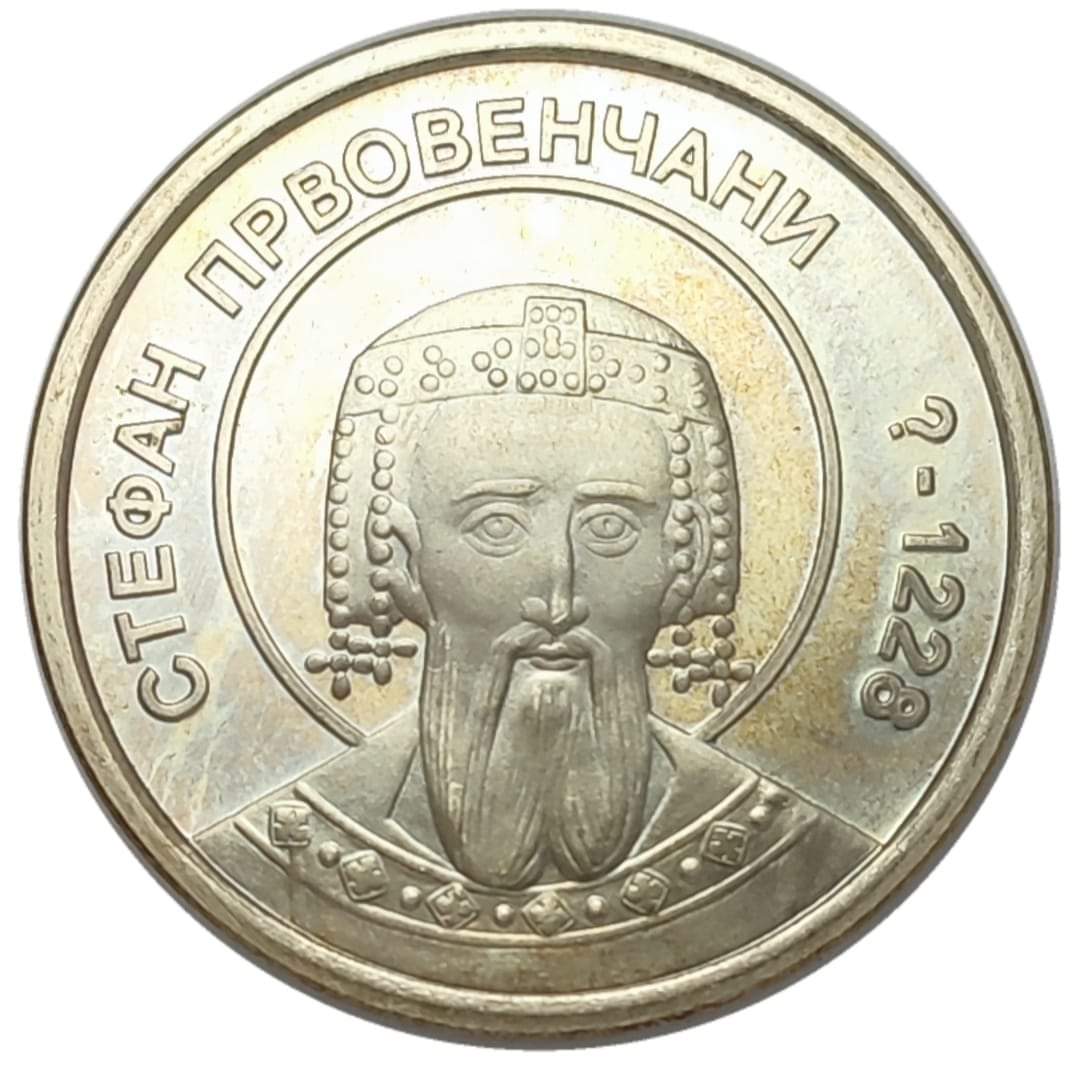
Saint Stefan Nemanji#263; (Serbian Cyrillic: #1057;#1090;#1077;#1092;#1072;#1085; #1053;#1077;#1084;#1072;#1114;#1080;#1115;, pronounced [stêfa#720;n n#283;ma#626;it#597;]), known as Stefan the First-Crowned (Serbian: #1057;#1090;#1077;#1092;#1072;#1085; #1055;#1088;#1074;#1086;#1074;#1077;#1085;#1095;#1072;#1085;#1080;, romanized: Stefan Prvoven#269;ani, pronounced [stêfa#720;n pr#651;o#651;#283;nt#643;a#720;ni#720;]; c.#8201;1165 - 24 September 1228), was the Grand Prince of Serbia from 1196 and the King of Serbia from 1217 until his death in 1228. He was the first Rascian king; due to his transformation of the Serbian Grand Principality into the Kingdom of Serbia and the assistance he provided his brother Saint Sava in establishing the Serbian Orthodox Church, he is regarded one of the most important members of the Nemanji#263; dynasty
#3
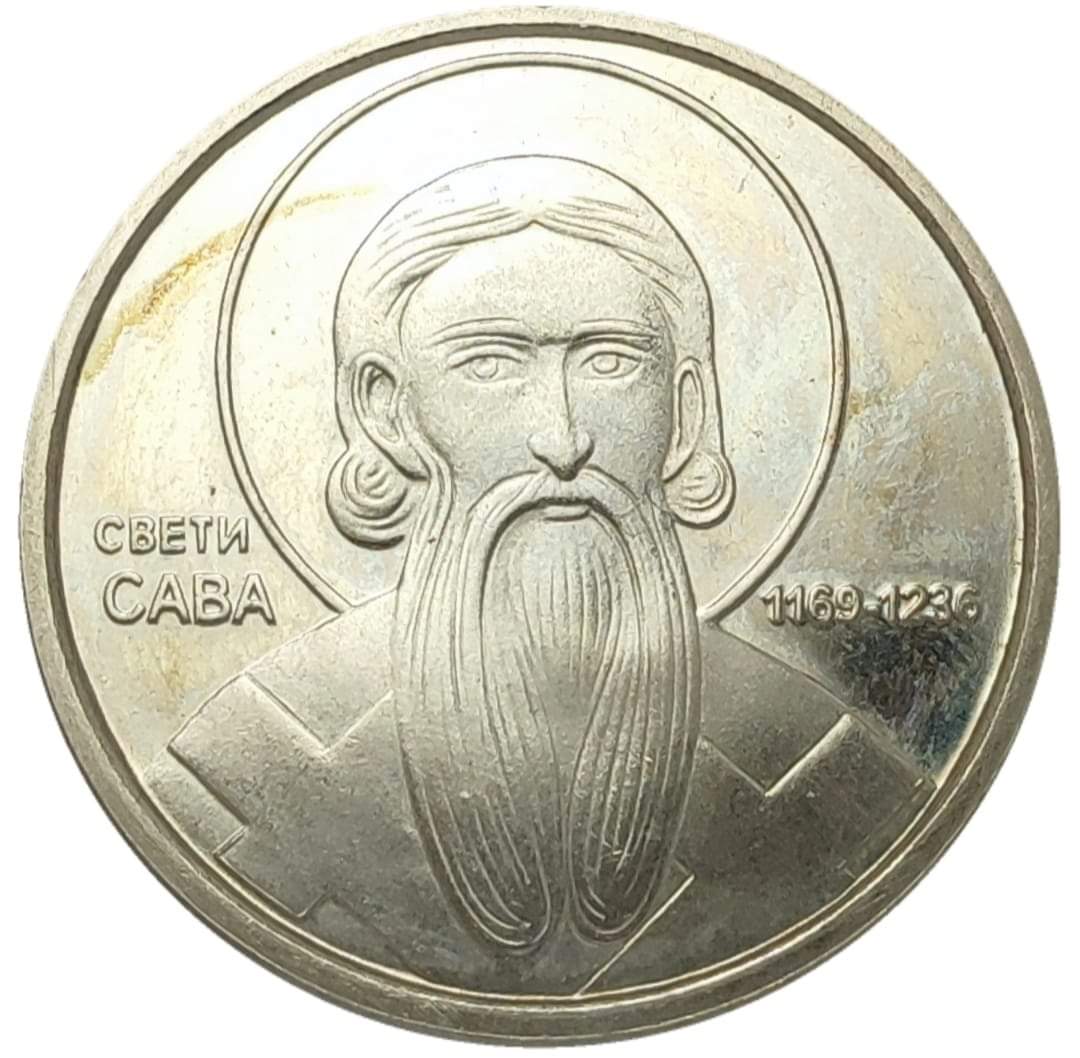
Saint Sava (Serbian: #1057;#1074;#1077;#1090;#1080; #1057;#1072;#1074;#1072;, romanized: Sveti Sava, pronounced [s#651;#603;#770;#720;ti#720; s#462;#720;#651;a]; Old Church Slavonic: #1057;#1074;#1127;#1090;#1098; #1057;#1072;#1074;#1072; / #11284;#11266;#11300;#11285;#11295; #11284;#11264;#11266;#11264;; Greek: #902;γιος Σ#940;ββας; 1169 or 1174 - 14 January 1236), known as the Enlightener, was a Serbian prince and Orthodox monk, the first Archbishop of the autocephalous Serbian Church, the founder of Serbian law, and a diplomat. Sava, born as Rastko Nemanji#263; (Serbian Cyrillic: #1056;#1072;#1089;#1090;#1082;#1086; #1053;#1077;#1084;#1072;#1114;#1080;#1115;), was the youngest son of Serbian Grand Prince Stefan Nemanja (founder of the Nemanji#263; dynasty), and ruled the appanage of Zachlumia briefly in 1190-92. He then left for Mount Athos, where he became a monk with the name Sava (Sabbas). At Athos he established the monastery of Hilandar, which became one of the most important cultural and religious centres of the Serbian people. In 1219 the Patriarchate exiled in Nicea recognized him as the first Serbian Archbishop, and in the same year he authored the oldest known constitution of Serbia, the Zakonopravilo nomocanon, thus securing full religious and political independence. Sava is regarded as the founder of Serbian medieval literature.
He is widely considered one of the most important figures of Serbian history.Saint Sava is venerated by the Eastern Orthodox Church on January 27 . Many artistic works from the Middle Ages to modern times have interpreted his career. He is the patron saint of Serbia, Serbs, and Serbian education. The Church of Saint Sava in Belgrade is dedicated to him, built where the Ottomans burnt his remains in 1594,[9] during an uprising in which Serbs used icons of Sava as their war flags; the church is one of the largest church buildings in the world.
#4
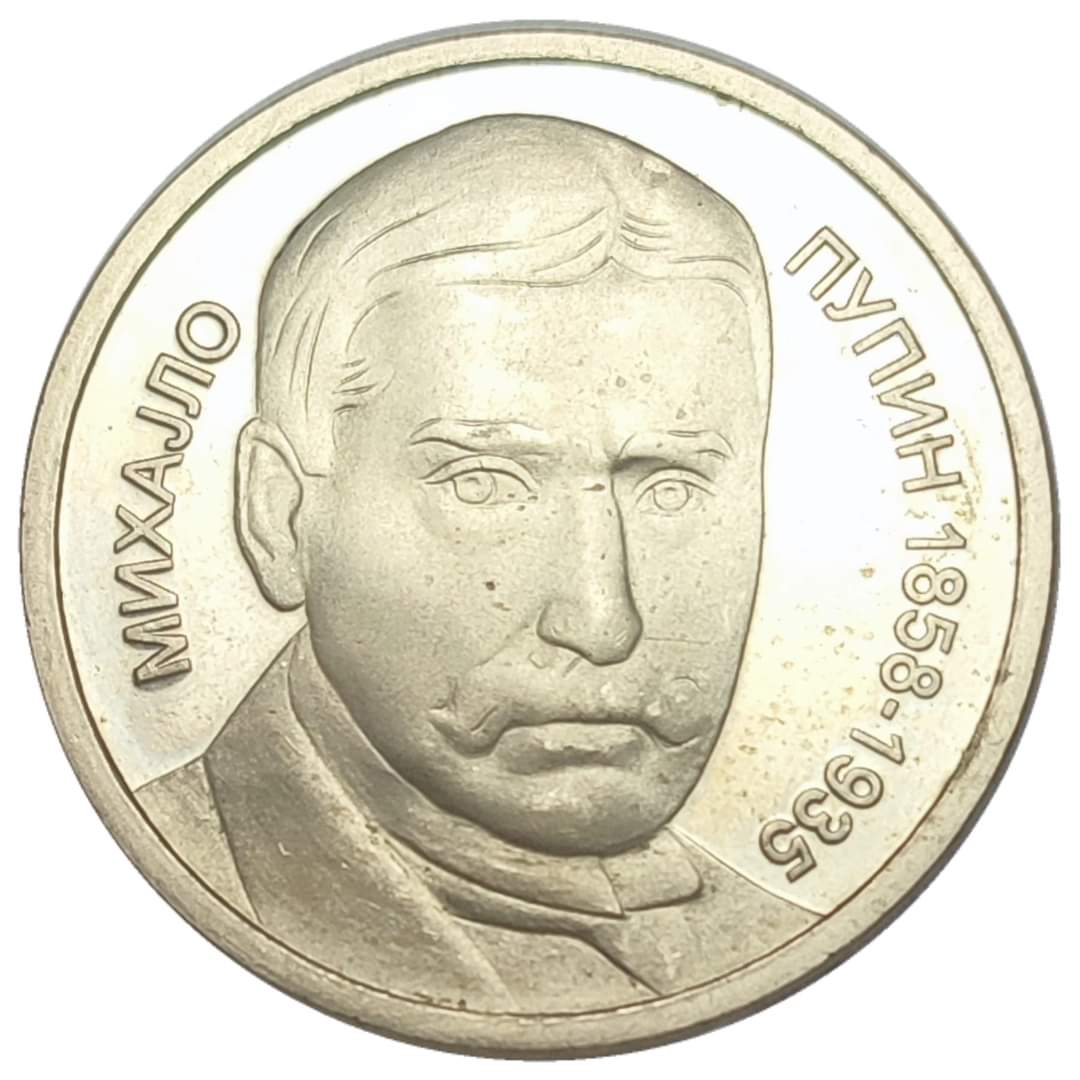
Mihajlo Idvorski Pupin (Serbian Cyrillic: #1052;#1080;#1093;#1072;#1112;#1083;#1086; #1048;#1076;#1074;#1086;#1088;#1089;#1082;#1080; #1055;#1091;#1087;#1080;#1085;, pronounced [mi#712;x#462;jlo #712;îd#651;o#638;ski #712;p#468;pin]; 4 October 1858 - 12 March 1935), also known as Michael Pupin, was a Serbian physicist, physical chemist and philanthropist based in the United States.
Pupin is best known for his numerous patents, including a means of greatly extending the range of long-distance telephone communication by placing loading coils (of wire) at predetermined intervals along the transmitting wire (known as "pupinization"). Pupin was a founding member of National Advisory Committee for Aeronautics (NACA) on 3 March 1915, which later became NASA, and he participated in the founding of American Mathematical Society and American Physical Society.
In 1924, he won a Pulitzer Prize for his autobiography. Pupin was elected president or vice-president of the highest scientific and technical institutions, such as the American Institute of Electrical Engineers, the New York Academy of Sciences, the Radio Institute of America, and the American Association for the Advancement of Science. He was also an honorary consul of Serbia in the United States from 1912 to 1920 and played a role in determining the borders of newly formed Kingdom of Serbs, Croats and Slovenes.
#5
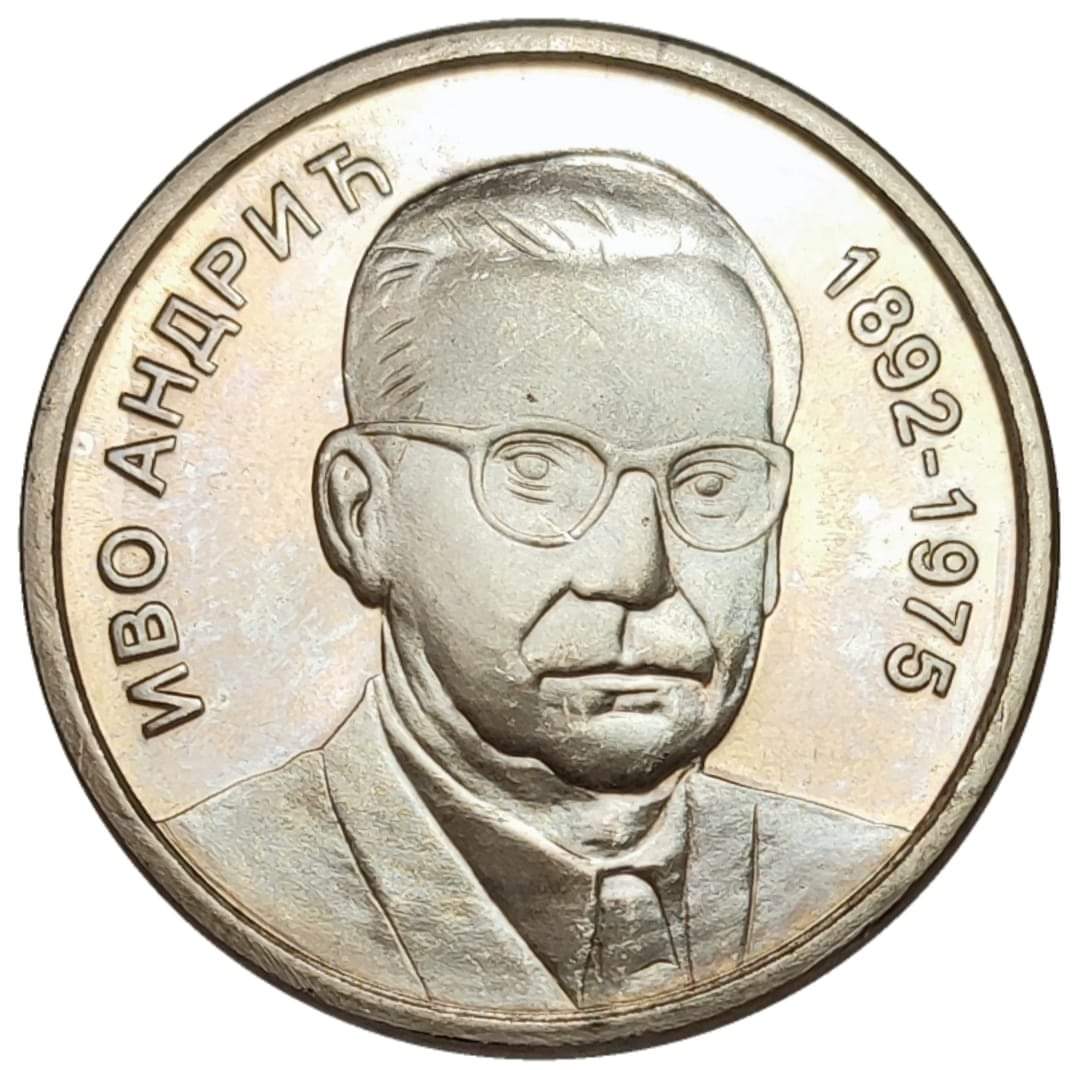
Ivo Andri#263; (Serbian Cyrillic: #1048;#1074;#1086; #1040;#1085;#1076;#1088;#1080;#1115;, pronounced [#464;#720;#651;o #462;#720;ndrit#597;]; born Ivan Andri#263;; 9 October 1892 - 13 March 1975) was a Yugoslav novelist, poet and short story writer who won the Nobel Prize in Literature in 1961. His writings dealt mainly with life in his native Bosnia under Ottoman rule.
Born in Travnik in Austria-Hungary, modern-day Bosnia and Herzegovina, Andri#263; attended high school in Sarajevo, where he became an active member of several South Slav national youth organizations. Following the assassination of Archduke Franz Ferdinand in June 1914, Andri#263; was arrested and imprisoned by the Austro-Hungarian police, who suspected his involvement in the plot. As the authorities were unable to build a strong case against him, he spent much of the war under house arrest, only being released following a general amnesty for such cases in July 1917. After the war, he studied South Slavic history and literature at universities in Zagreb and Graz, eventually attaining his PhD. in Graz in 1924. He worked in the diplomatic service of the Kingdom of Yugoslavia from 1920 to 1923 and again from 1924 to 1941. In 1939, he became Yugoslavia's ambassador to Germany, but his tenure ended in April 1941 with the German-led invasion of his country. Shortly after the invasion, Andri#263; returned to German-occupied Belgrade. He lived quietly in a friend's apartment for the duration of World War II, in conditions likened by some biographers to house arrest, and wrote some of his most important works, including Na Drini #263;uprija (The Bridge on the Drina).
Following the war, Andri#263; was named to a number of ceremonial posts in Yugoslavia, which had since come under communist rule. In 1961, the Nobel Committee awarded him the Nobel Prize in Literature, selecting him over writers such as J. R. R. Tolkien, Robert Frost, John Steinbeck and E. M. Forster. The Committee cited "the epic force with which he ... traced themes and depicted human destinies drawn from his country's history". Afterwards, Andri#263;'s works found an international audience and were translated into a number of languages. In subsequent years, he received a number of awards in his native country. Andri#263;'s health declined substantially in late 1974 and he died in Belgrade the following March.
In the years following Andri#263;'s death, the Belgrade apartment where he spent much of World War II was converted into a museum and a nearby street corner was named in his honour. A number of other cities in the former Yugoslavia also have streets bearing his name. In 2012, filmmaker Emir Kusturica began construction of an ethno-town in eastern Bosnia that is named after Andri#263;. As Yugoslavia's only Nobel Prize-winning writer, Andri#263; was well known and respected in his native country during his lifetime. In Bosnia and Herzegovina, beginning in the 1950s and continuing past the breakup of Yugoslavia, his works have been disparaged by Bosniak literary critics for their supposed anti-Muslim bias. In Croatia, his works were blacklisted following Yugoslavia's dissolution, but were rehabilitated by the literary community in 1999. He is highly regarded in Serbia for his contributions to Serbian literature.
#6
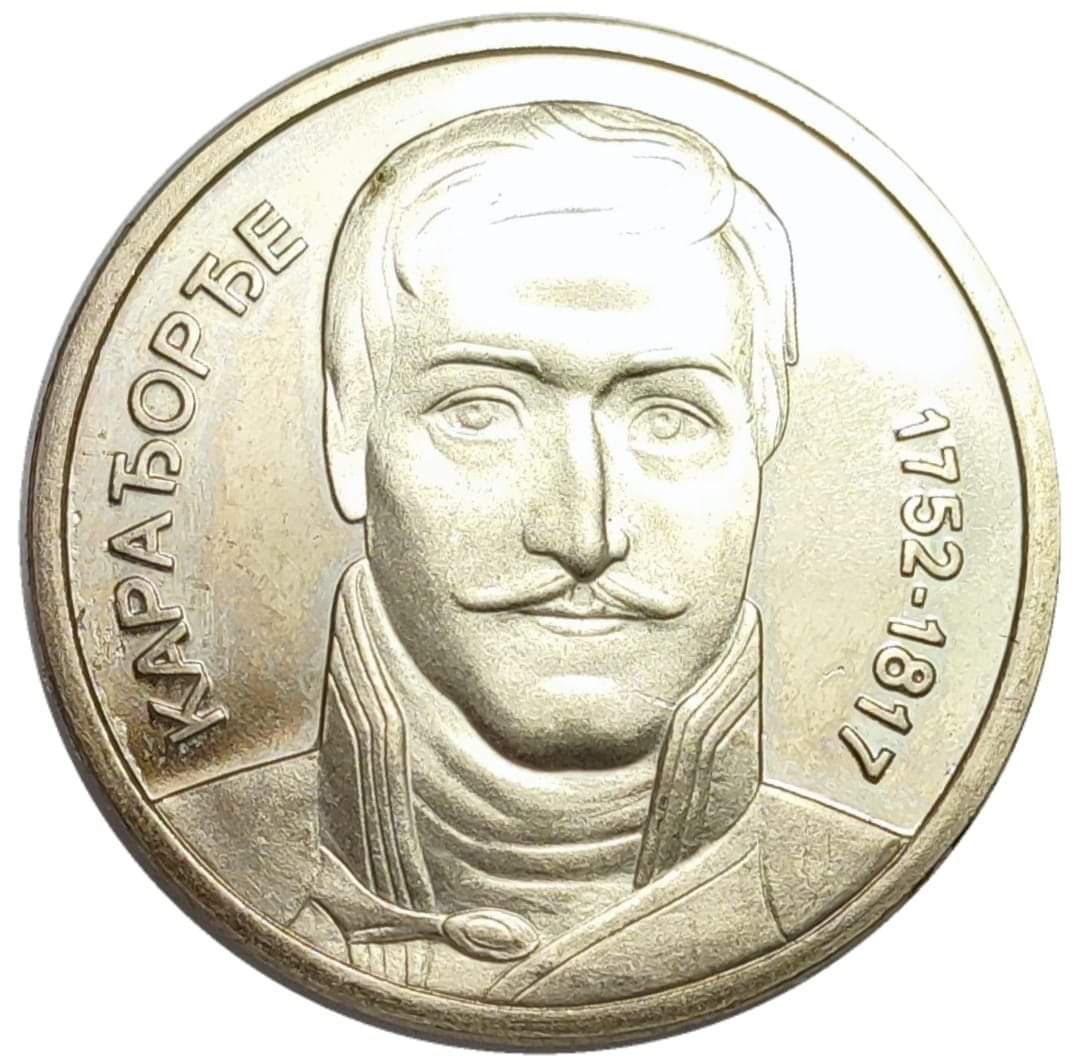
#272;or#273;e Petrovi#263; (pronounced [d#657;ô#720;rd#657;e p#283;tro#651;it#597;]; Serbian Cyrillic: #1026;#1086;#1088;#1106;#1077; #1055;#1077;#1090;#1088;#1086;#1074;#1080;#1115;; 14 November 3 November] 1762 - 25 July 1817), better known by the sobriquet Kara#273;or#273;e (pronounced [kârad#657;o#720;rd#657;e]; Serbian Cyrillic: #1050;#1072;#1088;#1072;#1106;#1086;#1088;#1106;#1077;, lit.#8201;'Black George'), was a Serbian revolutionary who led the struggle for his country's independence from the Ottoman Empire during the First Serbian Uprising of 1804-1813.
Born into an impoverished family in the Šumadija region of Ottoman Serbia, Kara#273;or#273;e distinguished himself during the Austro-Turkish War of 1788-1791 as a member of the Serbian Free Corps, a militia of Habsburg and Ottoman Serbs, armed and trained by the Austrians. Fearing retribution following the Austrians' and Serb rebels' defeat in 1791, he and his family fled to the Austrian Empire, where they lived until 1794, when a general amnesty was declared. Kara#273;or#273;e subsequently returned to Šumadija and became a livestock merchant. In 1796, the rogue governor of the Sanjak of Vidin, Osman Pazvanto#287;lu, invaded the Pashalik of Belgrade, and Kara#273;or#273;e fought alongside the Ottomans to quash the incursion.
In early 1804, following a massacre of Serb chieftains by renegade Ottoman janissaries known as Dahis, the Serbs of the Pashalik rebelled. Kara#273;or#273;e was unanimously elected to lead the uprising against the Dahis at an assembly of surviving chiefs in February 1804. Within six months, most of the Dahi leaders had been captured and executed by Kara#273;or#273;e's forces, and by 1805, the final remnants of Dahi resistance had been crushed. Kara#273;or#273;e and his followers demanded far-reaching autonomy, which Sultan Selim interpreted as but the first step towards complete independence. Selim promptly declared jihad against the rebels and ordered an army to march into the Pashalik. The Ottomans suffered a string of defeats at the hands of Kara#273;or#273;e's forces. By 1806, the rebels had captured all the major towns in the Pashalik, including Belgrade and Smederevo, and expelled their Muslim inhabitants. Burdened by the demands of the Russo-Turkish War of 1806-1812, Selim offered the Serbs extensive autonomy. However, Kara#273;or#273;e refused in light of Russia's avowal to aid the rebels should they continue fighting.
Frequent infighting, together with Napoleon's invasion of Russia in 1812, weakened the rebels, and the Ottomans were able to reverse many of their gains. Kara#273;or#273;e was forced to flee Serbia in October 1813 and Belgrade fell later that month, bringing the First Serbian Uprising to a close. He and his followers sought refuge in the Austrian Empire, but were arrested and detained. Despite Ottoman requests for extradition, the Austrians handed Kara#273;or#273;e over to the Russians, who offered him refuge in Bessarabia. There, he joined the Greek secret society known as Filiki Eteria, which planned to launch a pan-Balkan uprising against the Ottomans. Kara#273;or#273;e returned to Serbia in secret in July 1817, but was killed shortly thereafter by agents of Miloš Obrenovi#263;, a rival rebel leader, who was concerned that Kara#273;or#273;e's reappearance would cause the Ottomans to renege on the concessions they had agreed to following the Second Serbian Uprising of 1815. Kara#273;or#273;e is considered the founder of the Kara#273;or#273;evi#263; dynasty, which ruled Serbia in several intervals during the 19th and 20th centuries. His murder resulted in a violent, decades-long feud between his descendants and those of Obrenovi#263;, with the Serbian throne changing hands several times.
#7
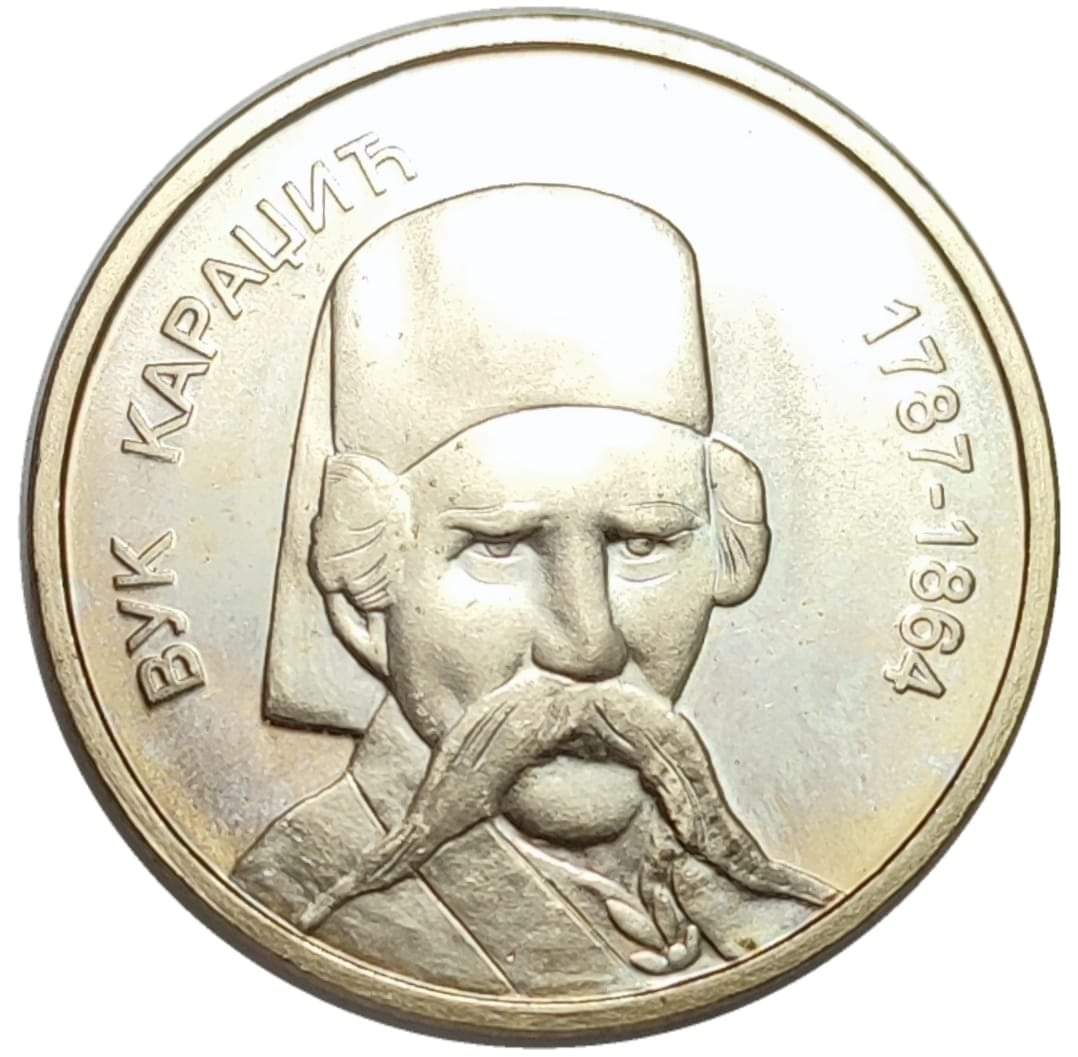
Vuk Stefanovi#263; Karadži#263; (Serbian Cyrillic: #1042;#1091;#1082; #1057;#1090;#1077;#1092;#1072;#1085;#1086;#1074;#1080;#1115; #1050;#1072;#1088;#1072;#1119;#1080;#1115;, pronounced [#651;û#720;k stef#462;#720;no#651;it#597; kârad#658;it#597;]; 6 November 1787 (26 October OS) - 7 February 1864) was a Serbian philologist, anthropologist and linguist. He was one of the most important reformers of the modern Serbian language. For his collection and preservation of Serbian folktales, Encyclopædia Britannica labelled him "the father of Serbian folk-literature scholarship." He was also the author of the first Serbian dictionary in the new reformed language. In addition, he translated the New Testament into the reformed form of the Serbian spelling and language.
He was well known abroad and familiar to Jacob Grimm, Johann Wolfgang von Goethe and historian Leopold von Ranke. Karadži#263; was the primary source for Ranke's Die serbische Revolution ("The Serbian Revolution"), written in 1829.
#8
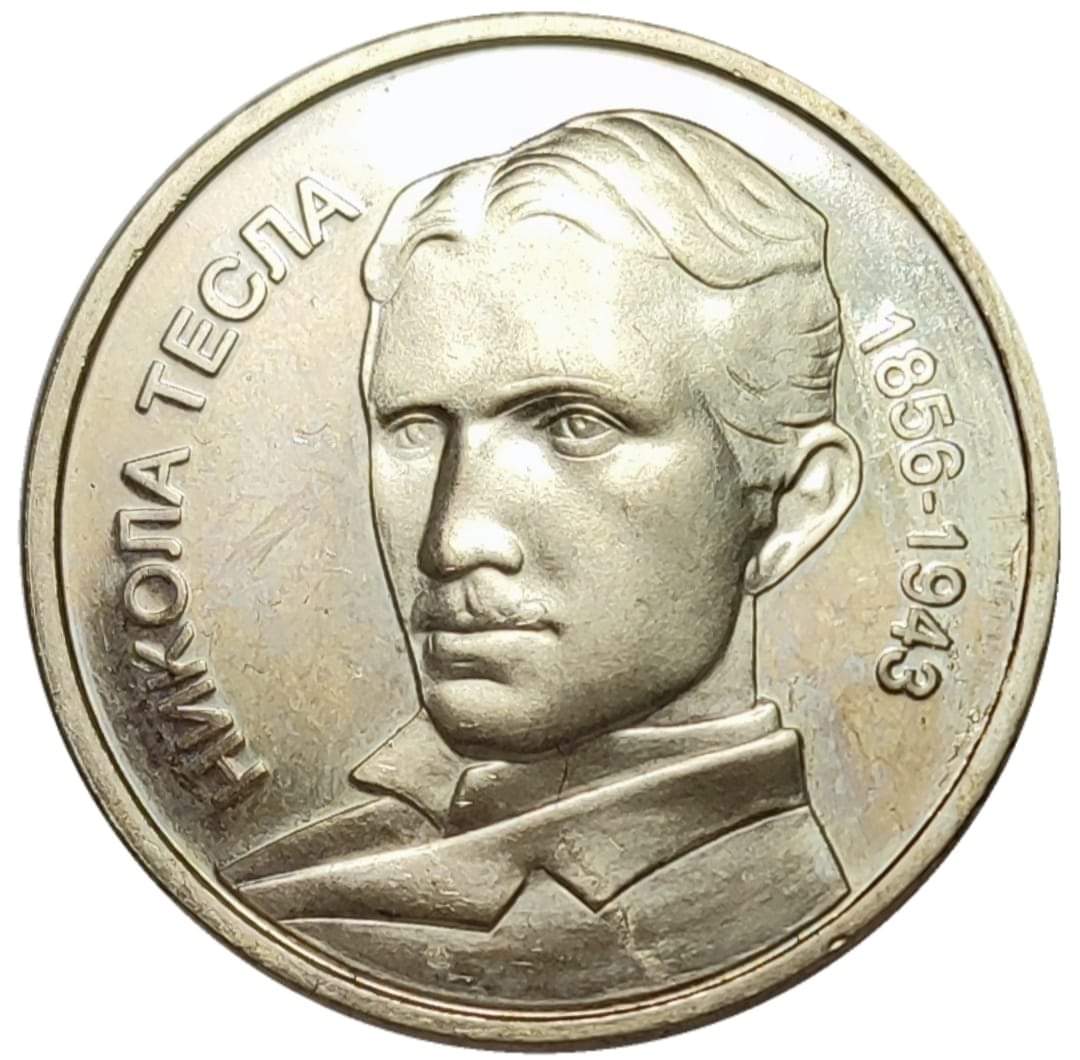
Nikola Tesla
#9
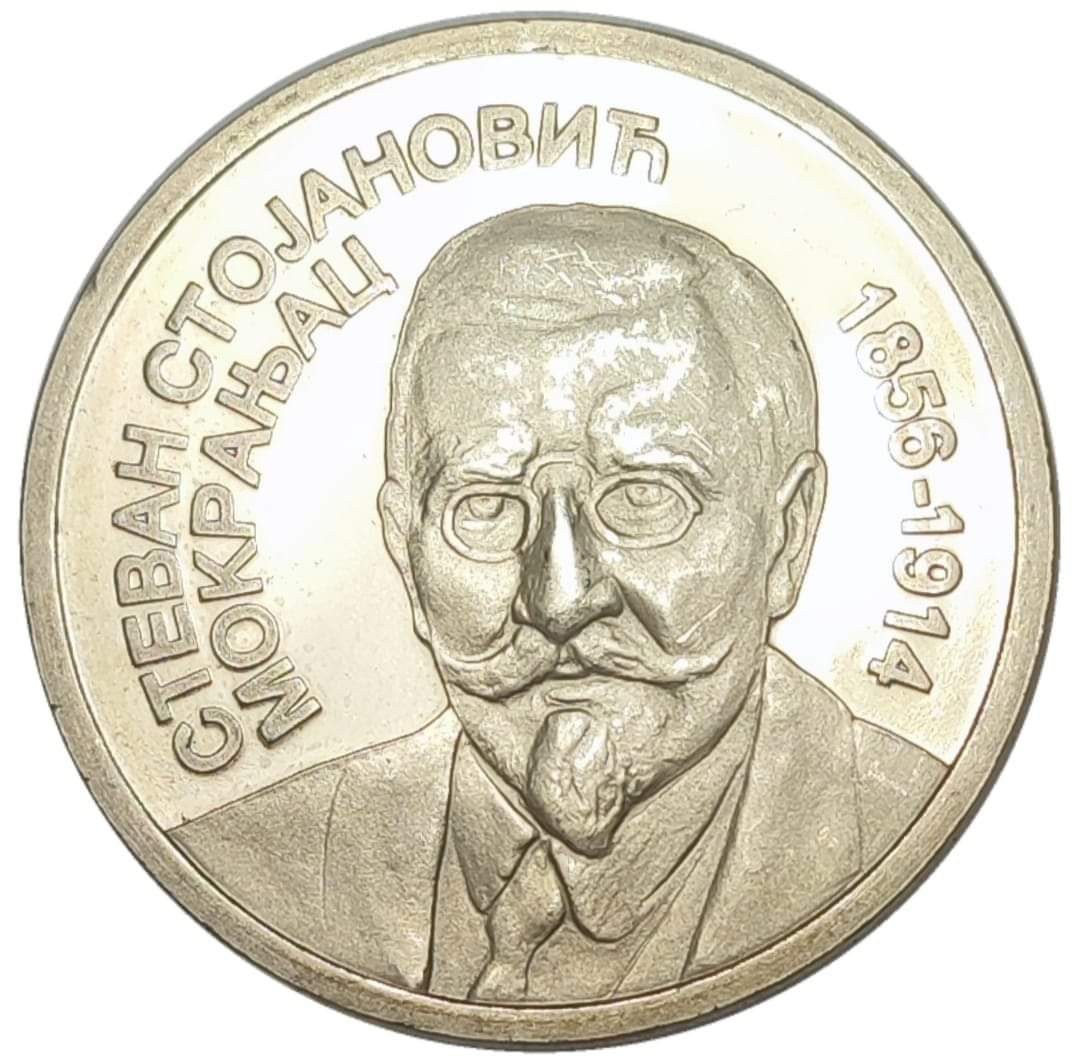
Stevan Stojanovi#263; (Serbian Cyrillic: #1057;#1090;#1077;#1074;#1072;#1085; #1057;#1090;#1086;#1112;#1072;#1085;#1086;#1074;#1080;#1115;, Serbian pronunciation: [stê#651;a#720;n stoj#462;#720;no#651;it#597;]; 9 January 1856 - 28 September 1914), known as Stevan Mokranjac (Serbian Cyrillic: #1057;#1090;#1077;#1074;#1072;#1085; #1052;#1086;#1082;#1088;#1072;#1114;#1072;#1094;, pronounced [stê#651;a#720;n mokr#462;#720;#626;ats]) was a Serbian composer and music educator. Born in Negotin in 1856, Mokranjac studied music in Belgrade, Munich, Rome and Leipzig while in his twenties. Later, he became the conductor of the Belgrade Choir Society and founder of the Serbian School of Music and the first Serbian string quartet, in which he played the cello. He left Belgrade at the beginning of World War I and moved to Skopje, where he died on 28 September 1914.
Often called the "father of Serbian music" and the "most important figure of Serbian musical romanticism", Mokranjac is well-regarded and much revered in Serbia. Following his death, the Serbian Music School was renamed the Mokranjac Music School in his honour. He has been featured on the country's paper currency and that of the Federal Republic of Yugoslavia. In 1964, the Mokranjac family home in Negotin was restored and turned into a museum and musical centre. Celebrations of Mokranjac's life, known as "Mokranjac days", have occurred annually in the town since 1965. In 1981, a large statue of Mokranjac was constructed in the yard of the Mokranjac family home to mark the 125th anniversary of his birth.
#10
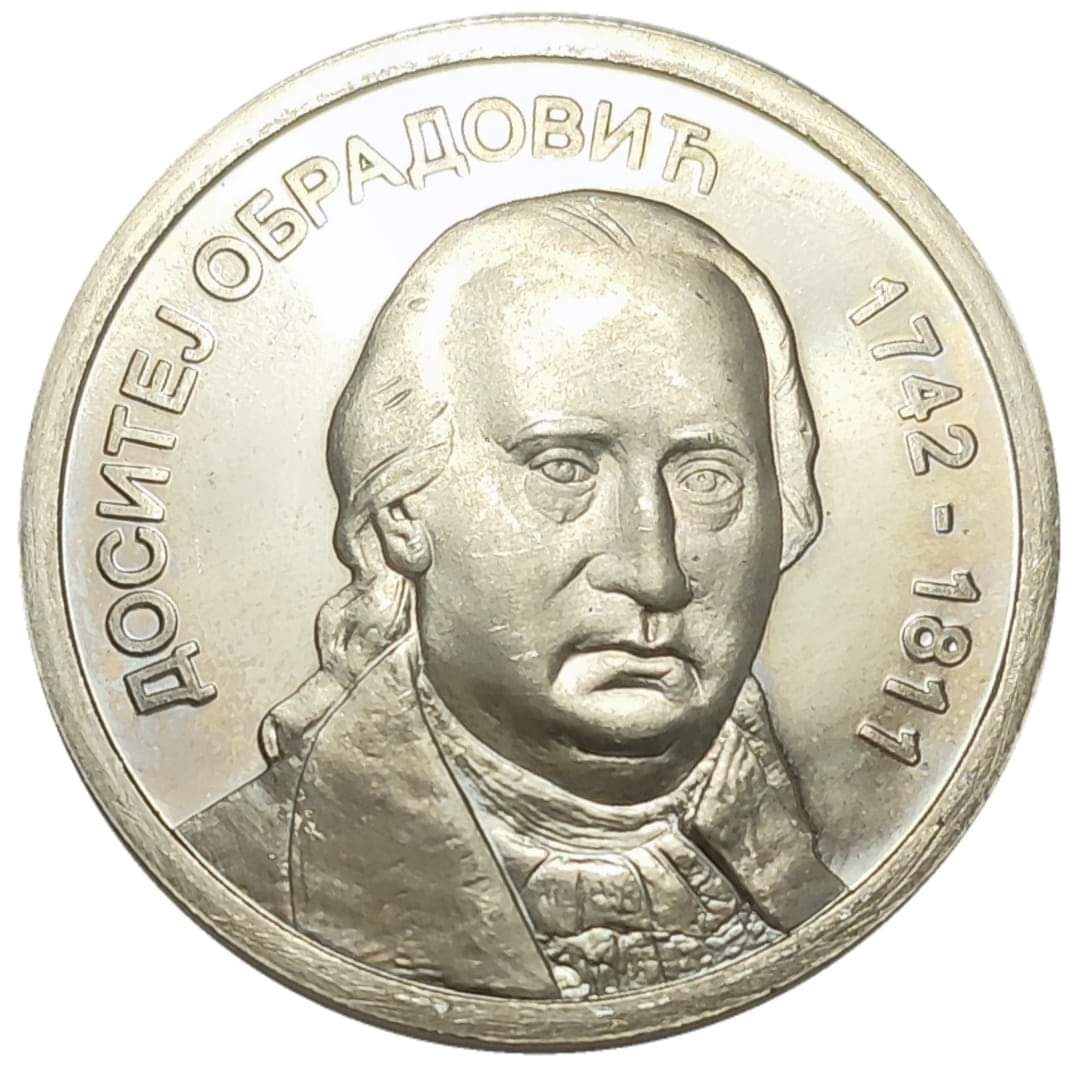
Dositej Obradovi#263; (Serbian Cyrillic: #1044;#1086;#1089;#1080;#1090;#1077;#1112; #1054;#1073;#1088;#1072;#1076;#1086;#1074;#1080;#1115;, Serbian pronunciation: [d#596;s#464;t#603;#720;j #596;br#462;#720;d#596;#651;it#597;]; 17 February 1739 - 7 April 1811) was a Serbian writer, biographer, diarist, philosopher, pedagogue, educational reformer, linguist, polyglot and the first minister of education of Serbia. An influential protagonist of the Serbian national and cultural renaissance, he advocated Enlightenment and rationalist ideas, while remaining a Serbian patriot and an adherent of the Serbian Orthodox Church.
#11
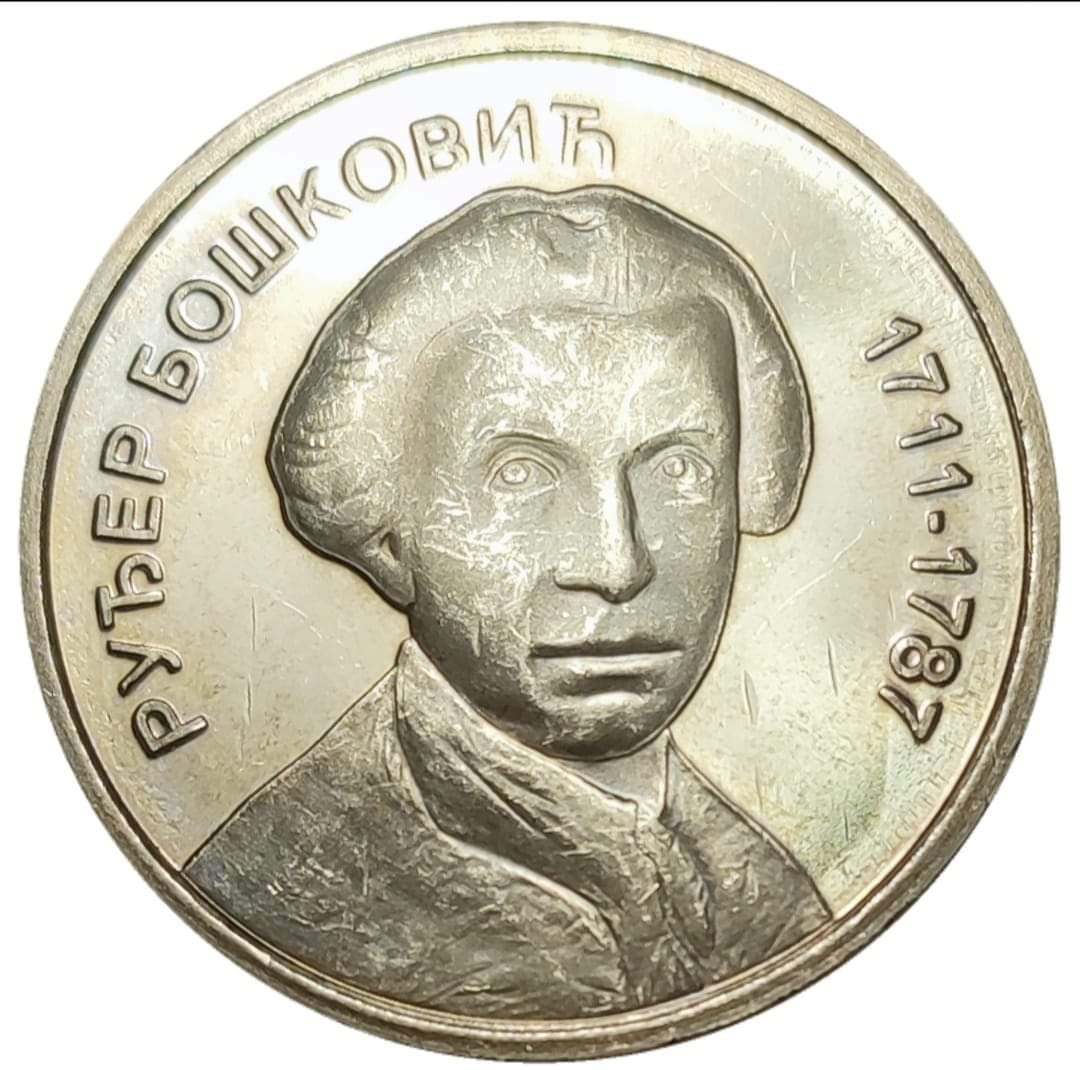
Roger Joseph Boscovich SJ (Serbian: Ru#273;er Josip Boškovi#263;; pronounced [rûd#865;#657;er j#466;sip bô#643;ko#651;it#865;#597;]; Italian: Ruggiero Giuseppe Boscovich; Latin: Rogerius (Iosephus) Boscovicius; 18 May 1711 - 13 February 1787) was a physicist, astronomer, mathematician, philosopher, diplomat, poet, theologian, Jesuit priest, and a polymath from the Republic of Ragusa. He studied and lived in Italy and France where he also published many of his works.
Boscovich produced a precursor of atomic theory and made many contributions to astronomy, including the first geometric procedure for determining the equator of a rotating planet from three observations of a surface feature and for computing the orbit of a planet from three observations of its position. In 1753 he also discovered the absence of an atmosphere on the Moon.
#12
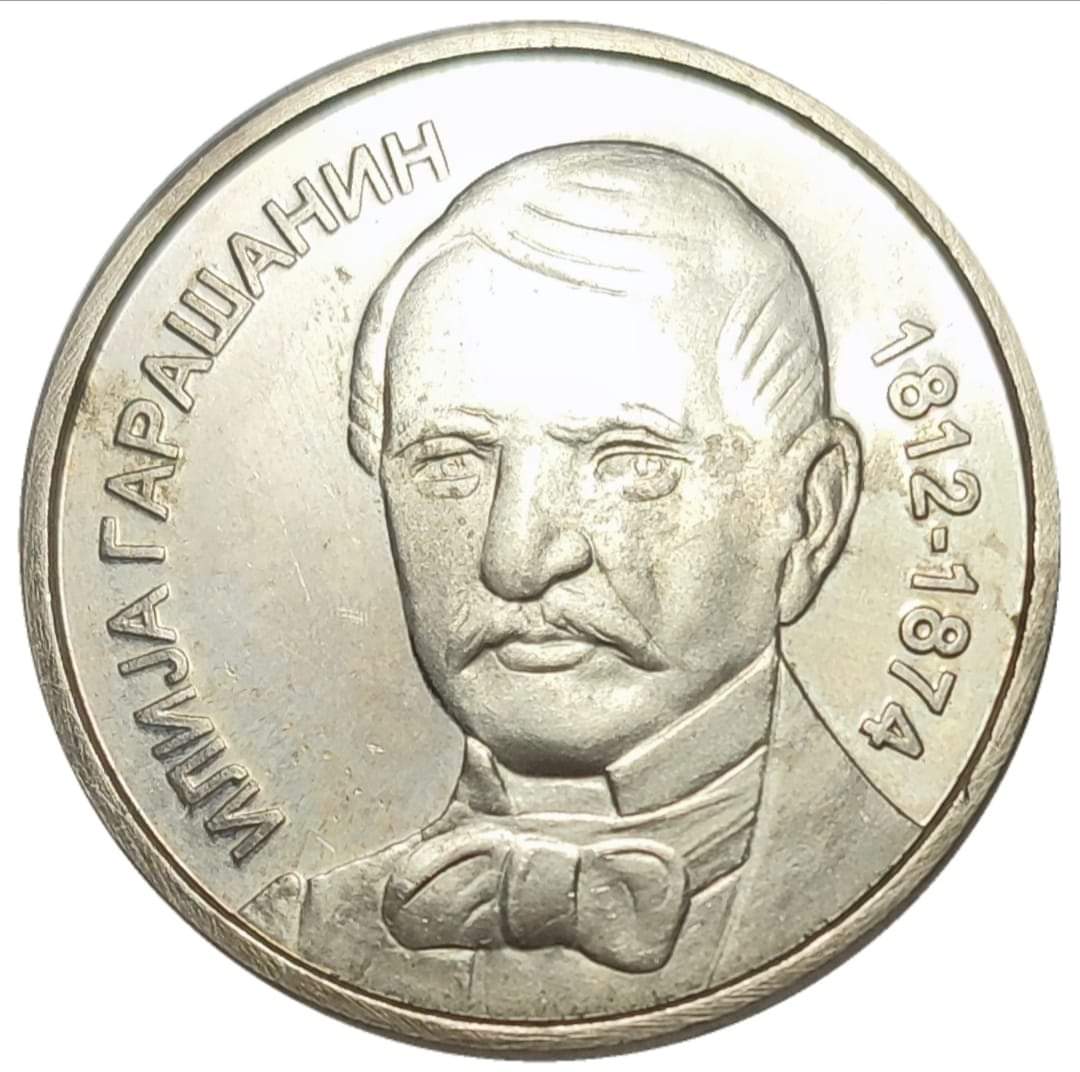
lija Garašanin (Serbian Cyrillic: #1048;#1083;#1080;#1112;#1072; #1043;#1072;#1088;#1072;#1096;#1072;#1085;#1080;#1085;; 28 January 1812 - 22 June 1874) was a Serbian statesman who served as the prime minister of Serbia between 1852 and 1853 and again from 1861 to 1867.
Ilija Garašanin was conservative in internal politics. He believed that bureaucracy was the only way for administration to work. In foreign politics, he was the first pro-Yugoslavia statesman among Serbs. He believed that a great Yugoslav state had to maintain its independence from both Russia and Austria. He was one of the more influential Serbian politicians of the 19th century.
#13
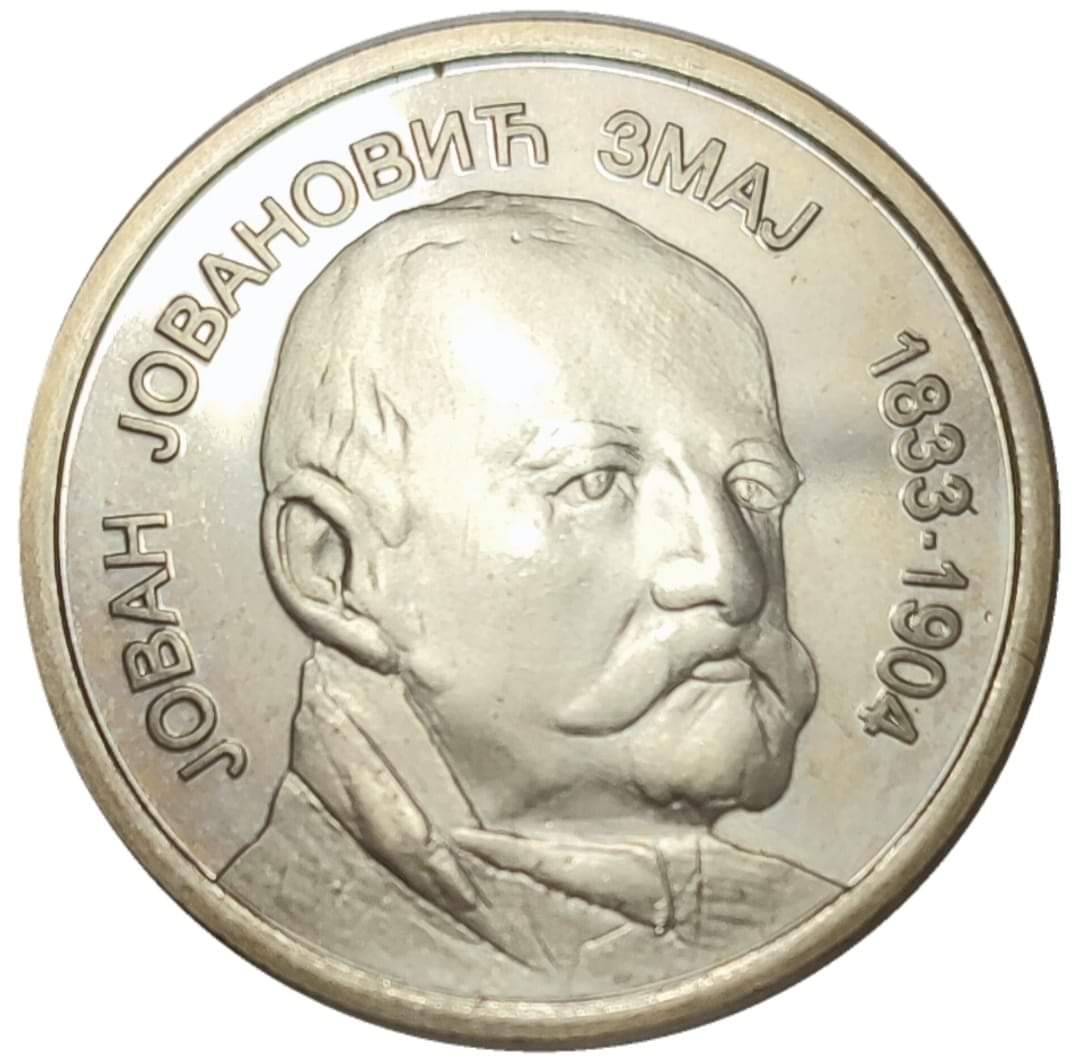
Jovan Jovanovi#263; Zmaj (Serbian Cyrillic: #1032;#1086;#1074;#1072;#1085; #1032;#1086;#1074;#1072;#1085;#1086;#1074;#1080;#1115; #1047;#1084;#1072;j, pronounced [j#596;#780;v#798;an j#596;v#798;#462;#720;n#596;v#798;it#865;#597; zmâj]; 24 November 1833 - 1 June 1904) was a Serbian poet.
Jovanovi#263; worked as a physician; he wrote in many poetry genres, including love, lyric, patriotic, political, and youth, but he remains best known for his children's poetry. His nursery rhymes have entered the Serbian national consciousness and people sing them to their children without knowing who wrote them. Jovanovi#263; also translated the works of some of the great poets, such as Russians Lermontov and Pushkin, Germans Goethe and Heine, and the American Longfellow.
Jovanovi#263;'s nickname Zmaj or #1047;#1084;#1072;#1112; (dragon) derives from the 3 May 1848 assembly.
#14
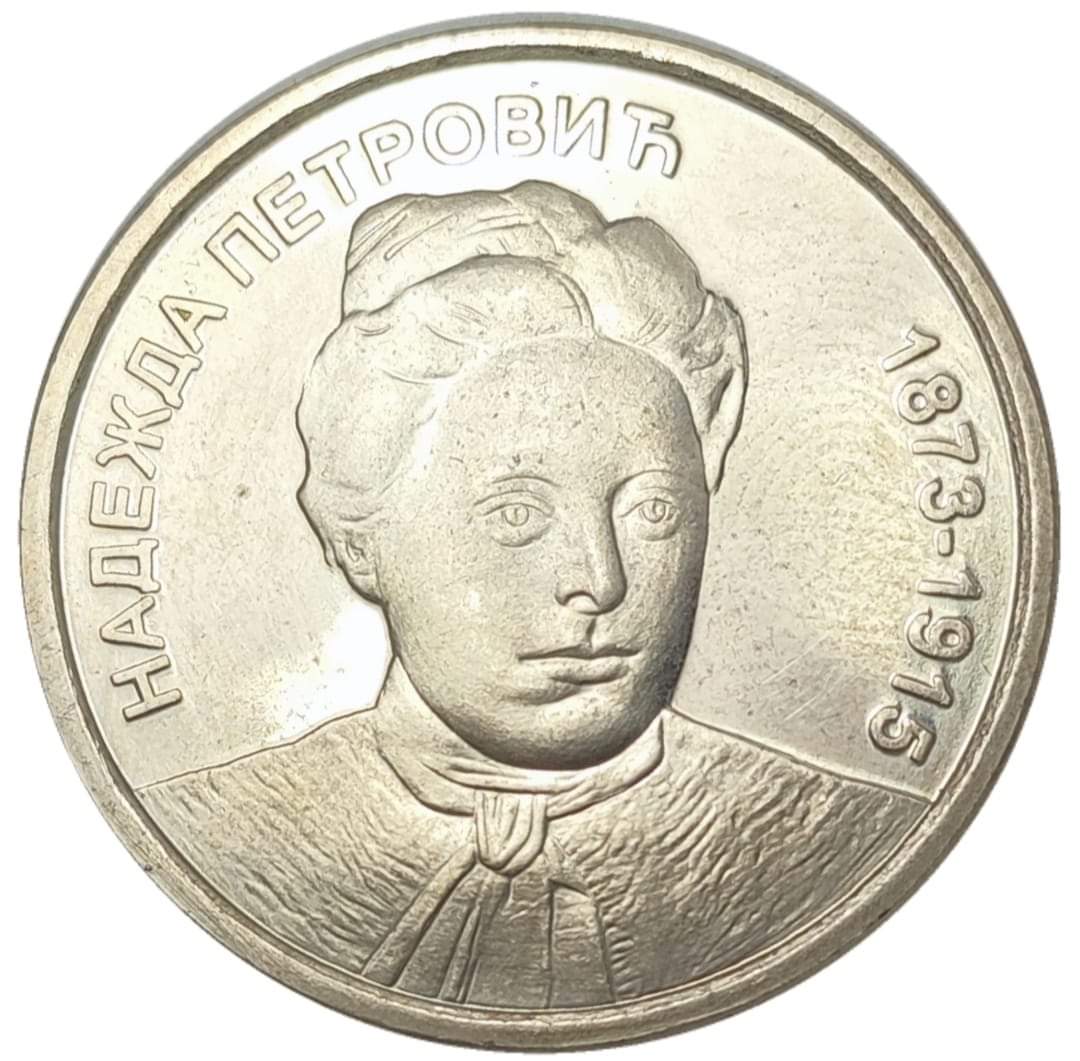
Nadežda Petrovi#263; (Serbian Cyrillic: #1053;#1072;#1076;#1077;#1078;#1076;#1072; #1055;#1077;#1090;#1088;#1086;#1074;#1080;#1115;; 11/12 October 1873 - 3 April 1915) was a Serbian painter and one of the women war photography pioneers in the region. Considered Serbia's most famous expressionist and fauvist, she was the most important Serbian female painter of the period. Born in the town of #268;a#269;ak, Petrovi#263; moved to Belgrade in her youth and attended the women's school of higher education there. Graduating in 1891, she taught there for a period beginning in 1893 before moving to Munich to study with Slovenian artist Anton Ažbe. Between 1901 and 1912, she exhibited her work in many cities throughout Europe.
In the later years of her life, Petrovi#263; had little time to paint and produced only a few works. In 1912, she volunteered to become a nurse following the outbreak of the Balkan Wars. She continued nursing Serbian soldiers until 1913, when she contracted typhus and cholera. She earned a Medal for Bravery and an Order of the Red Cross for her efforts. With the outbreak of World War I she again volunteered to become a nurse with the Serbian Army, eventually dying of typhus on 3 April 1915.
Her works include almost three hundred oils on canvas, about a hundred sketches, studies and sketches, as well as several watercolors. Her works belong to the currents of secession, symbolism, impressionism and fauvism.
#15
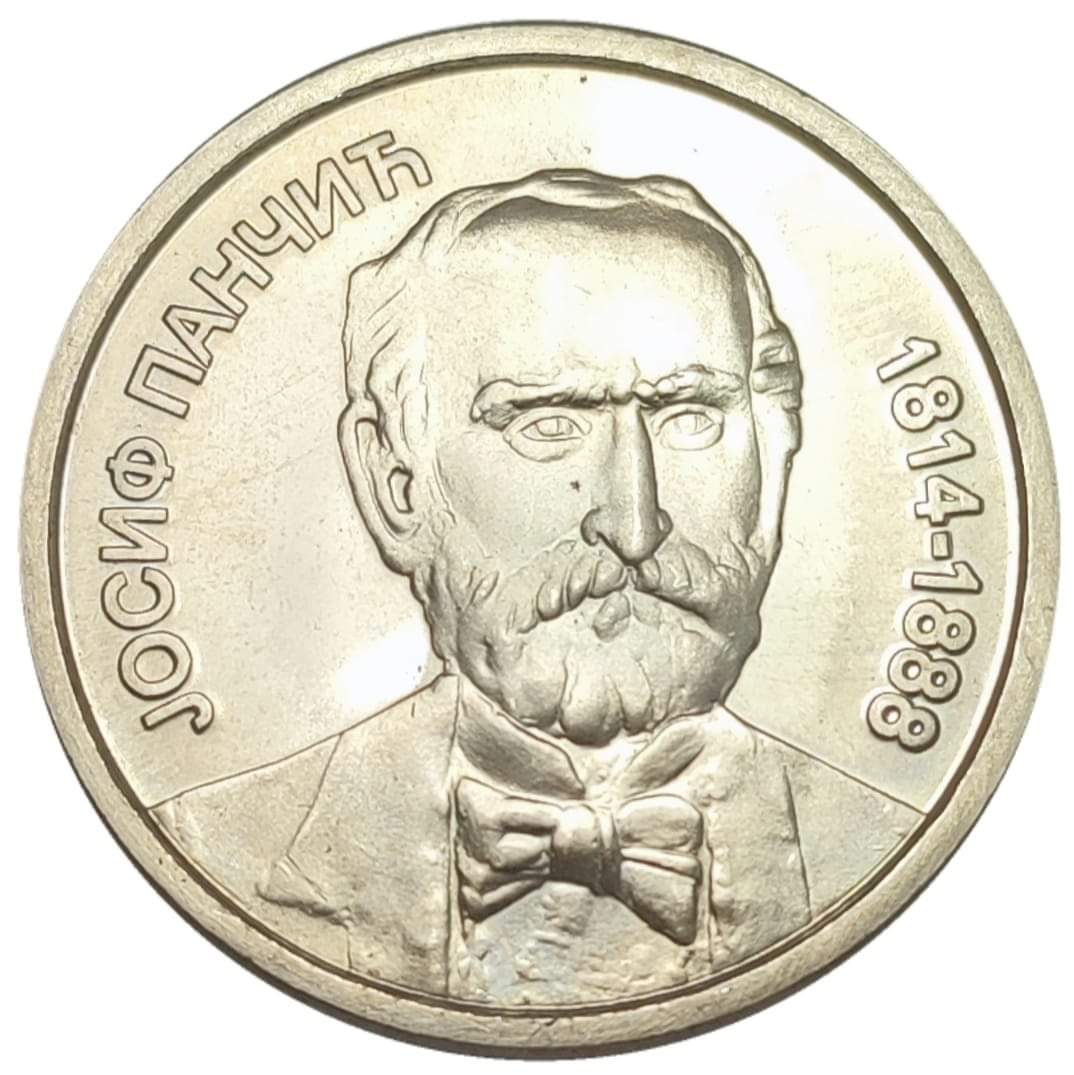
Josif Pan#269;i#263; (Serbian Cyrillic: #1032;#1086;#1089;#1080;#1092; #1055;#1072;#1085;#1095;#1080;#1115;; April 17, 1814 - February 25, 1888) was a Serbian botanist, a doctor of medicine, a lecturer at the Great School (the future University of Belgrade), and the first president of the Serbian Royal Academy.
He extensively documented the flora of Serbia, and is credited with having classified many species of plants which were unknown to the botanical community at that time.
Pan#269;i#263; is credited with discovering the Serbian spruce. He is regarded as the father of Serbian botany.
#16
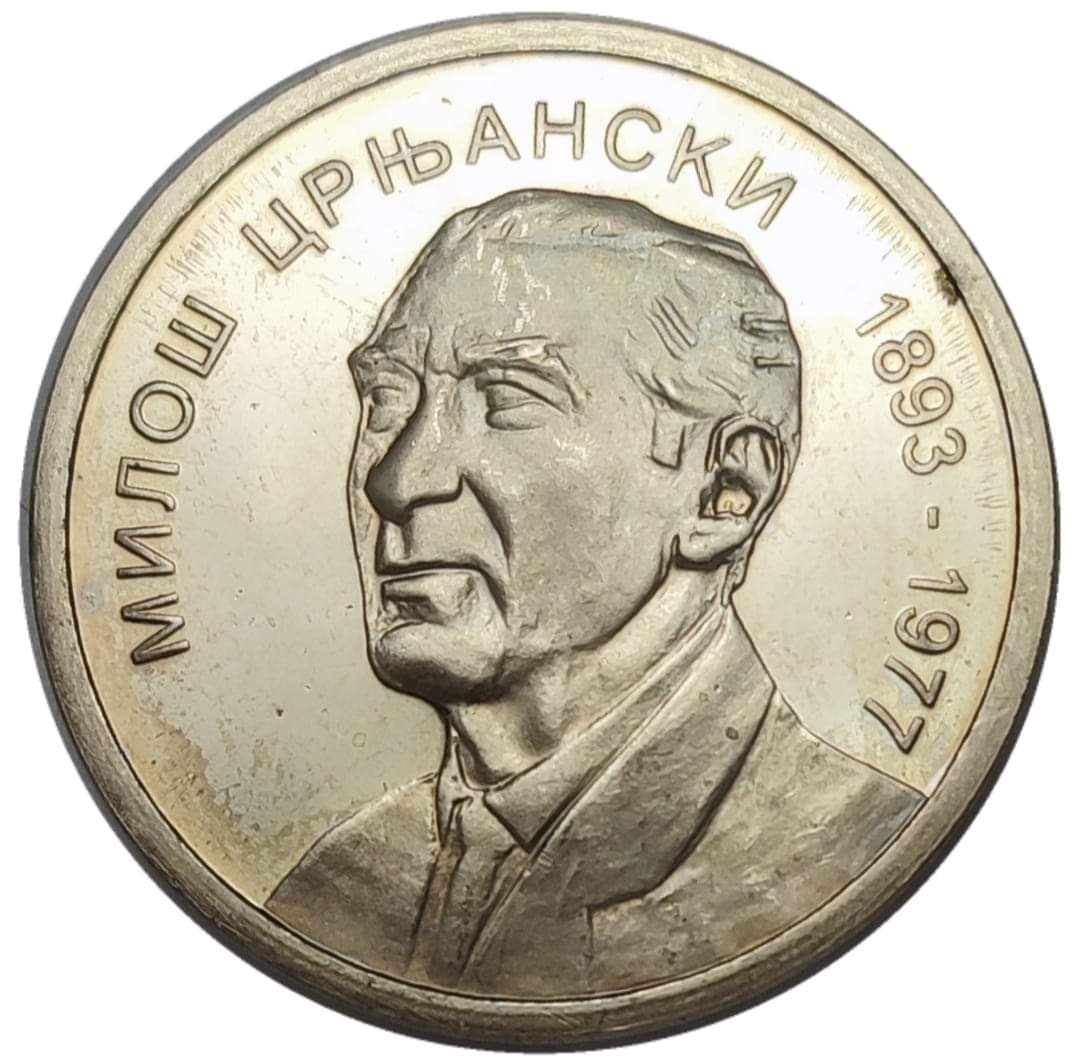
Miloš Crnjanski (Serbian Cyrillic: #1052;#1080;#1083;#1086;#1096; #1062;#1088;#1114;#1072;#1085;#1089;#1082;#1080;, pronounced [mîlo#643; tsr#626;#462;nski]; 26 October 1893 - 30 November 1977) was a Serbian writer and poet of the expressionist wing of Serbian modernism, author, and a diplomat.
#17
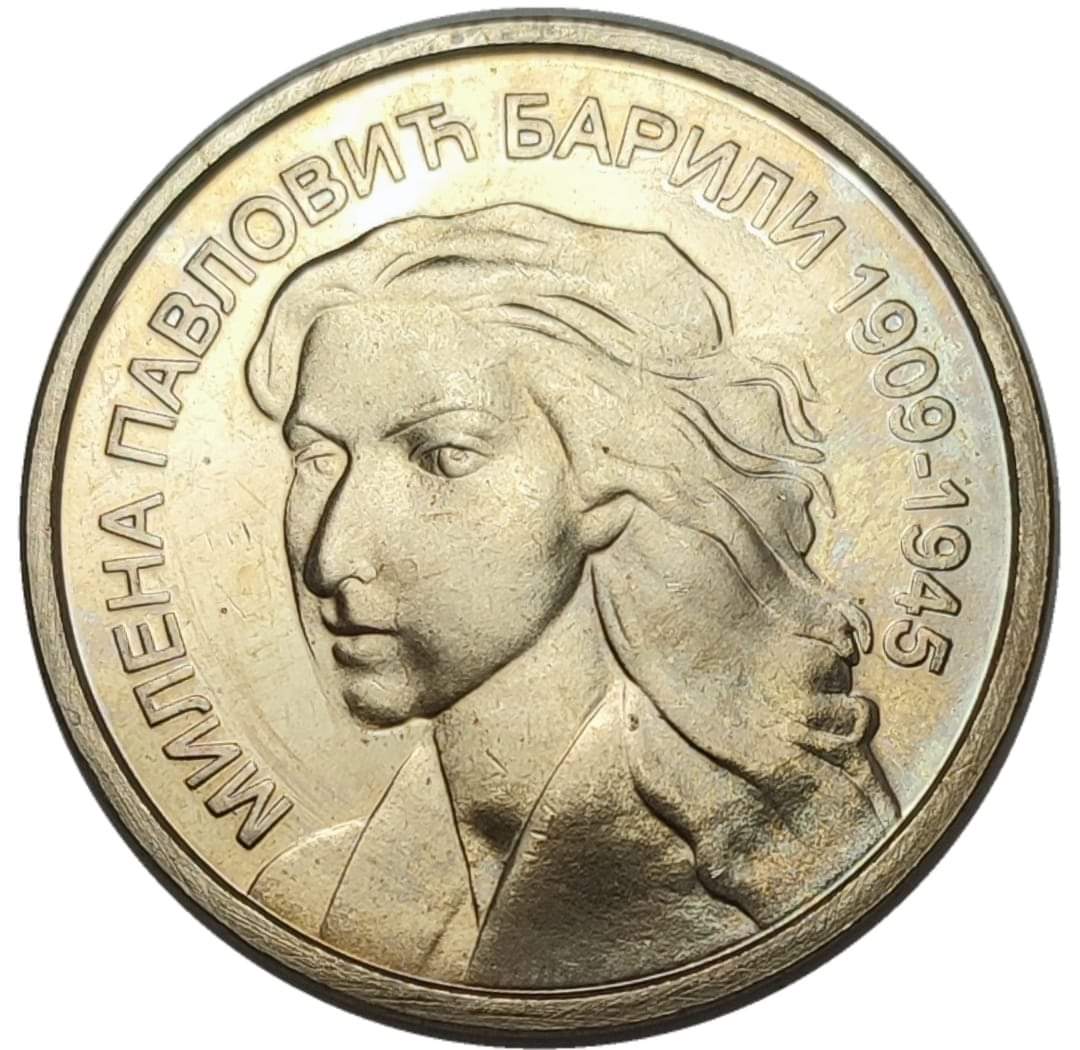
Milena Pavlovi#263;-Barili (alt. Barilli; Serbian Cyrillic: #1052;#1080;#1083;#1077;#1085;#1072; #1055;#1072;#1074;#1083;#1086;#1074;#1080;#1115;-#1041;#1072;#1088;#1080;#1083;#1080;; 5 November 1909 - 6 March 1945) was a Serbian painter and poet. She is the most notable female artist of Serbian modernism.
#18
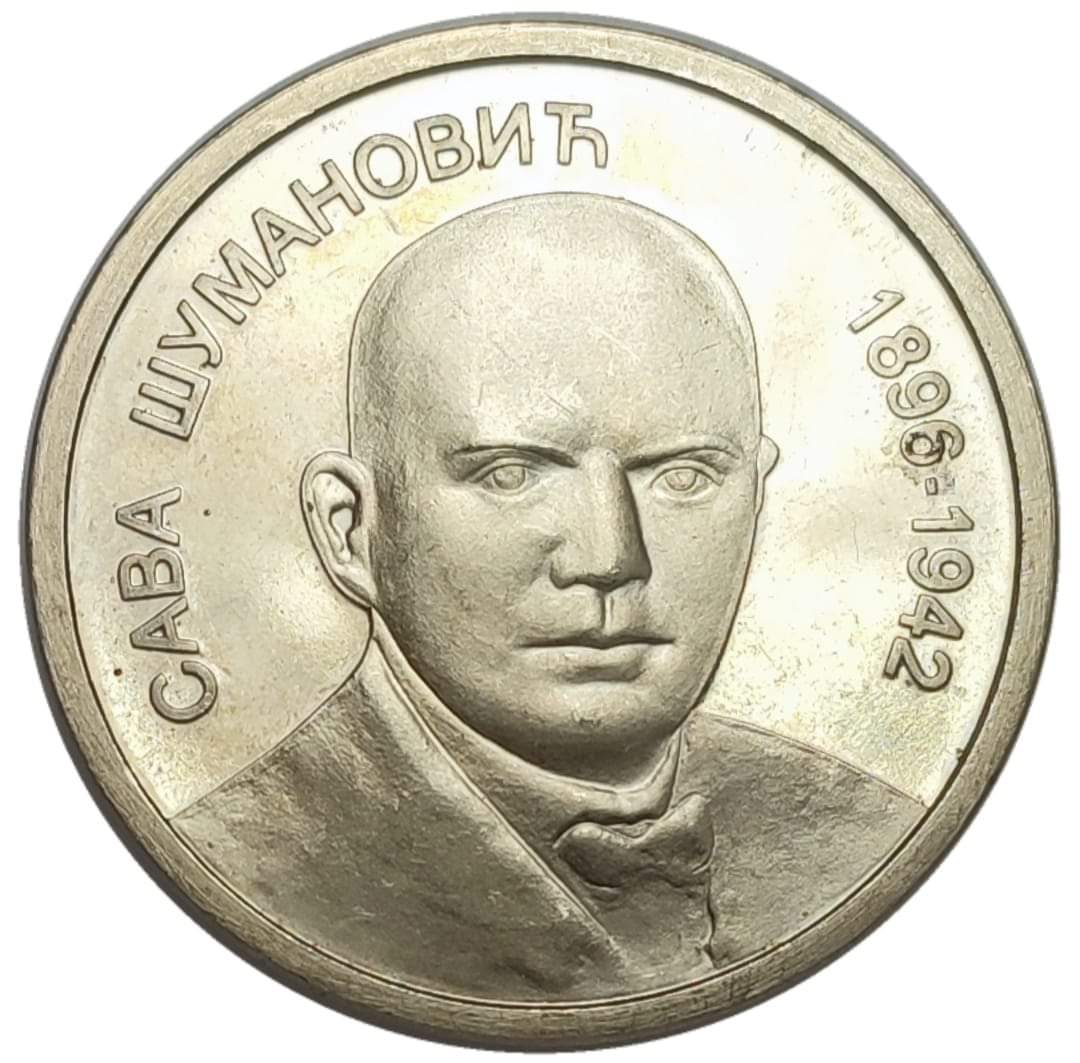
Sava Šumanovi#263; (Serbian Cyrillic: #1057;#1072;#1074;#1072; #1064;#1091;#1084;#1072;#1085;#1086;#1074;#1080;#1115;; 22 January 1896 - 30 August 1942) was a Serbian painter. He is considered to be one of the most important Serbian painters of the 20th century. Šumanovi#263;'s opus includes around 800 paintings as well as 400 drawings and sketches. He was executed during the mass genocide of Serbs in the Independent State of Croatia. Ustaše tortured him and threw him half alive into limestone.
#19
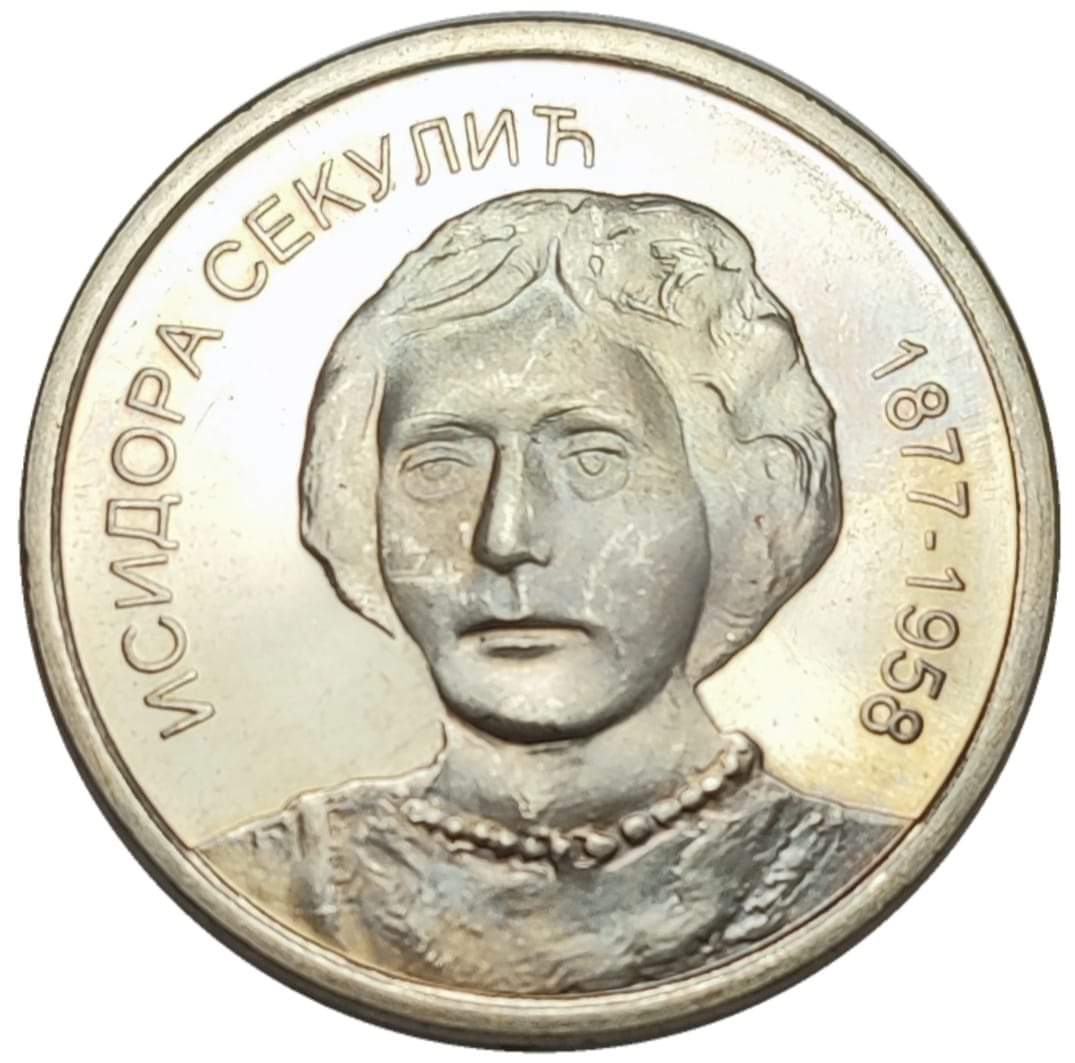
Isidora Sekuli#263; (Serbian Cyrillic: #1048;#1089;#1080;#1076;#1086;#1088;#1072; #1057;#1077;#1082;#1091;#1083;#1080;#1115;, 16 February 1877 - 5 April 1958) was a Serbian writer, novelist, essayist, polyglot and art critic. She was "the first woman academic in the history of Serbia"
#20
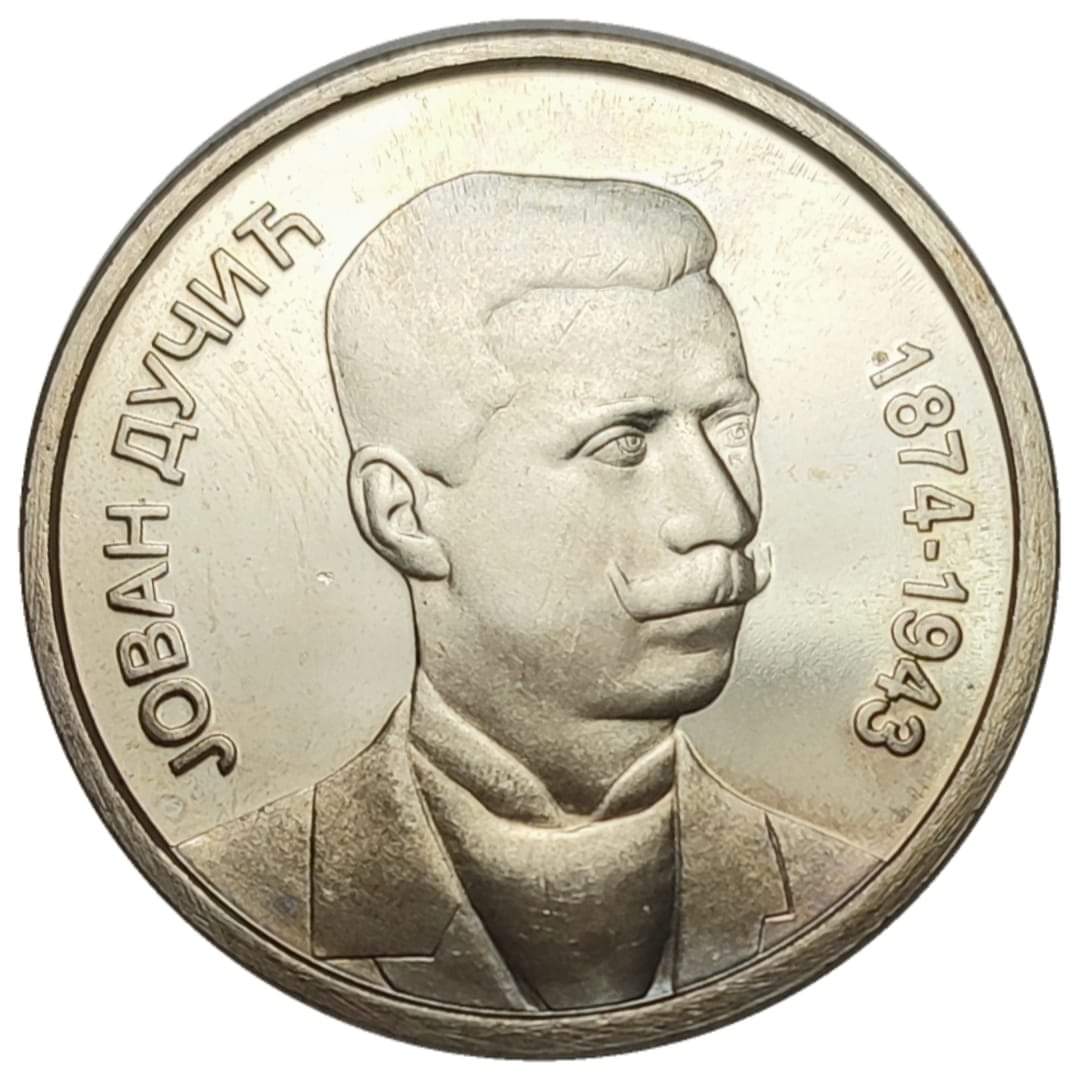
Jovan Du#269;i#263; (Serbian Cyrillic: #1032;#1086;#1074;#1072;#1085; #1044;#1091;#1095;#1080;#1115;, pronounced [j#466;#651;an dût#643;it#597;]; 15 February 1872 - 7 April 1943) was a Bosnian Serb poet-diplomat and academic.
He is one of the most influential Serbian lyricists and modernist poets. Du#269;i#263; published his first collection of poetry in Mostar in 1901 and his second in Belgrade in 1908. He also wrote often in prose, writing a number of literary essays, studies on writers, letters by poets from Switzerland, Greece and Spain and the book Blago cara Radovana for which he is most remembered when it comes to his writing.
Du#269;i#263; was also one of the founders of the Narodna Odbrana, a nationalist non-governmental organization in the Kingdom of Serbia and he was a member of the Serbian Royal Academy.
#21
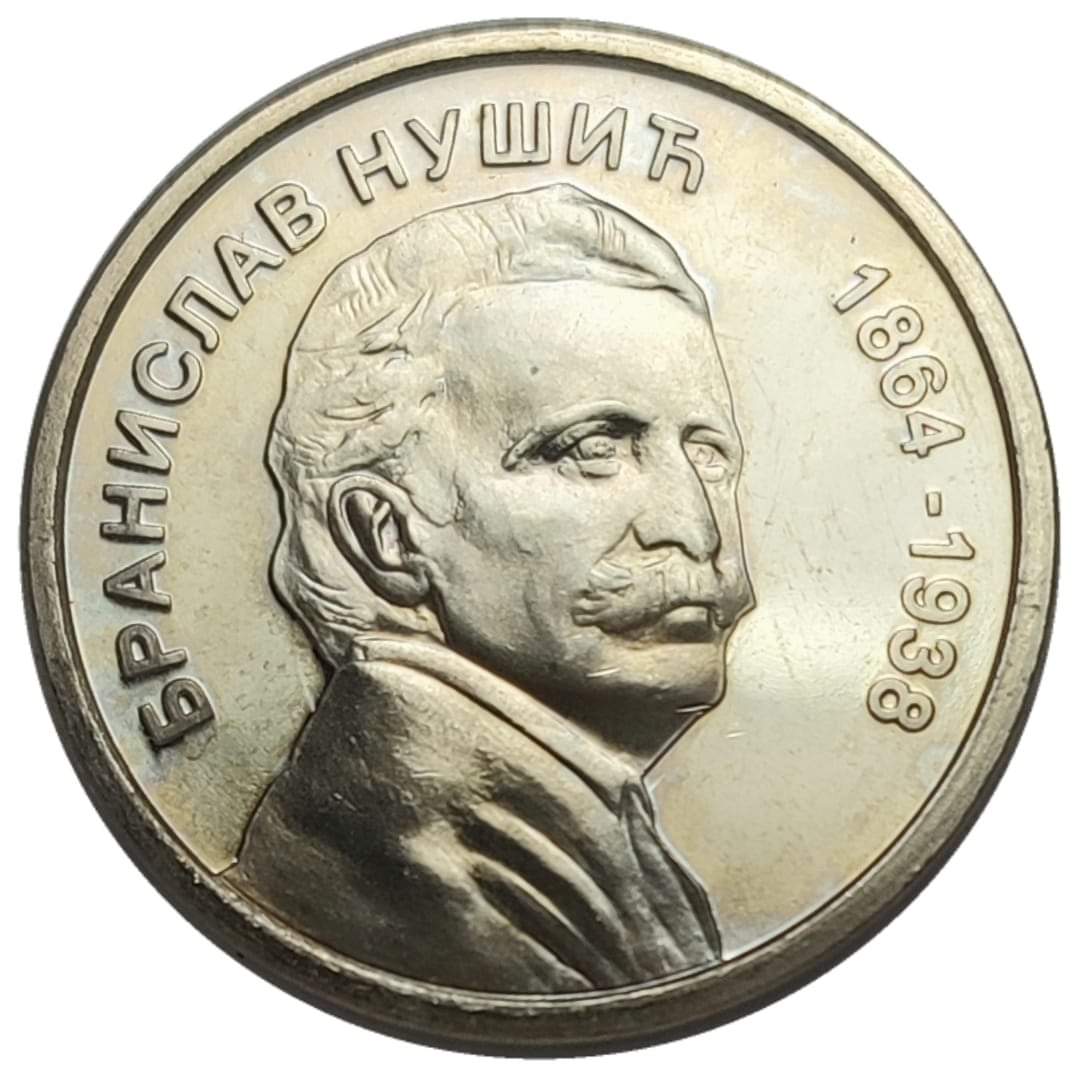
Branislav Nuši#263; (Serbian Cyrillic: #1041;#1088;#1072;#1085;#1080;#1089;#1083;#1072;#1074; #1053;#1091;#1096;#1080;#1115;, pronounced [br#462;nislav#798; nû#643;it#865;#597;]; 20 October [O.S. 8 October] 1864 - 19 January 1938) was a Serbian playwright, satirist, essayist, novelist and founder of modern rhetoric in Serbia. He also worked as a journalist and a civil servant.
#22
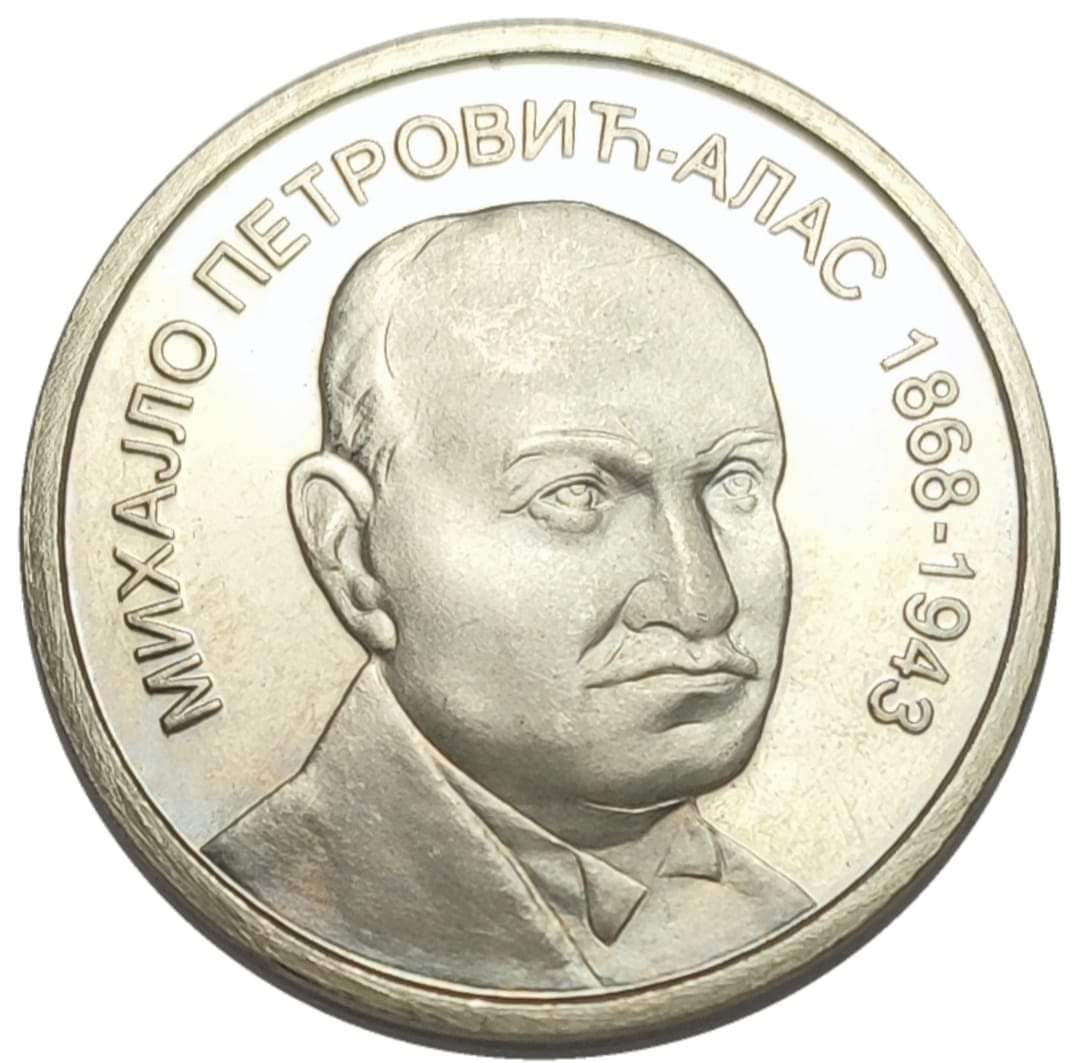
Mihailo Petrovi#263; Alas (Serbian Cyrillic: #1052;#1080;#1093;#1072;#1080;#1083;#1086; #1055;#1077;#1090;#1088;#1086;#1074;#1080;#1115; #1040;#1083;#1072;#1089;; 6 May 1868 - 8 June 1943), was a Serbian mathematician and inventor. He was also a distinguished professor at Belgrade University, an academic, fisherman, philosopher, writer, publicist, musician, businessman, traveler and volunteer in the Balkan Wars, the First and Second World Wars. He was a student of Henri Poincare, Paul Painleve, Charles Hermite and emile Picard. Petrovi#263; contributed significantly to the study of differential equations and phenomenology, founded engineering mathematics in Serbia, and invented one of the first prototypes of a hydraulic analog computer.









 ,contest time to celebrate?


 Posted 11/18/2023 8:14 pm





