| Author |
 Replies: 7 / Views: 1,372 Replies: 7 / Views: 1,372 |
|
|
Valued Member
United States
99 Posts |
|
|
|
|
Bedrock of the Community
United States
78703 Posts |
Interesting. Maybe toning?
Errers and Varietys.
|
|
Valued Member
 United States
99 Posts |
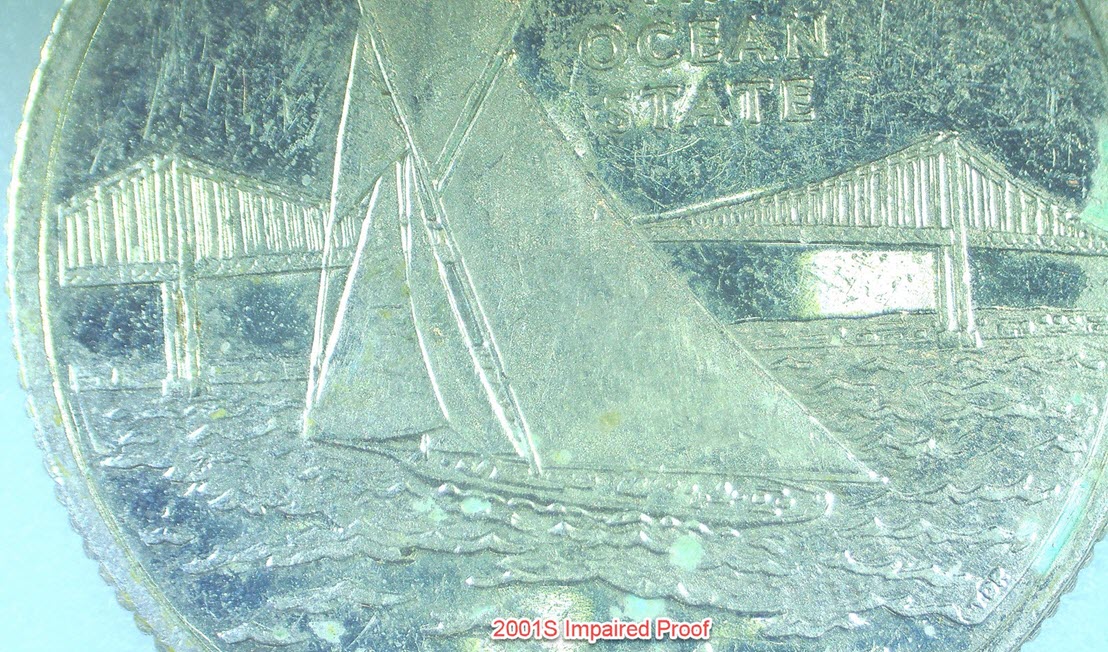
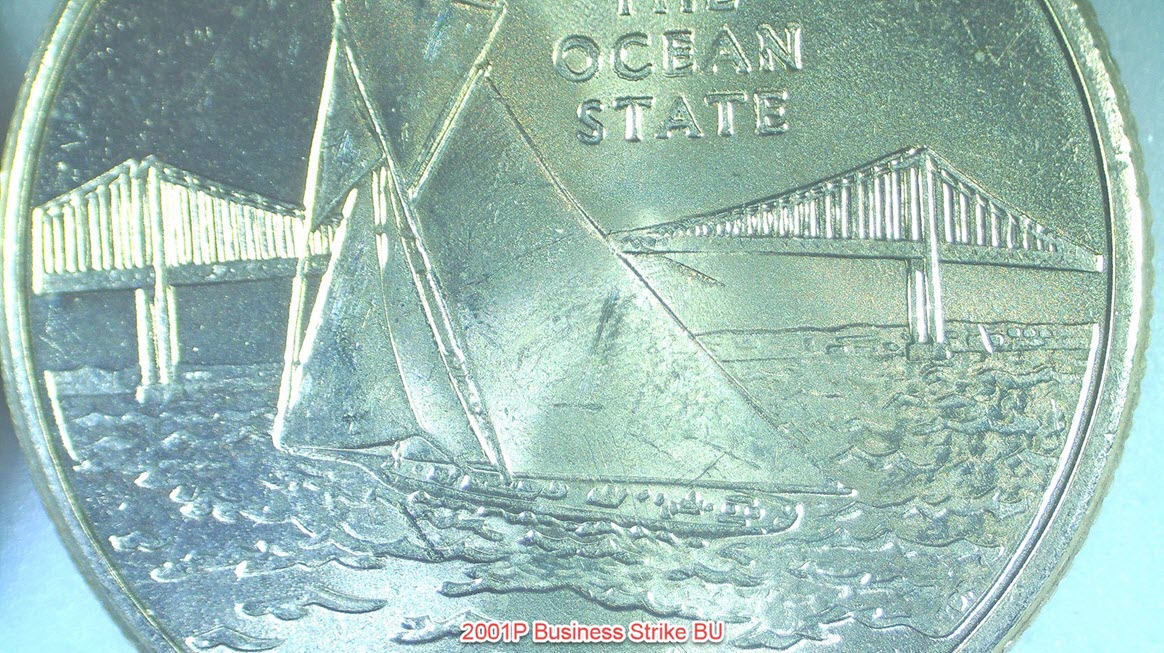
No toning on any of these coins. I'll be the first to admit that my pics don't really represent very well. If the Philadelphia mint made proof coins I'd be inclined to think someone used a proof reverse die with a business obverse die but only SF has those dies so I don't really see how that situation would be possible here. Just trying to think of alternative explanations. Mainly want to toss this in a flip, but would prefer to have the label correct .... thus this post.
|
|
Pillar of the Community
Canada
6244 Posts |
@mrak Quote:
I'd be inclined to think someone used a proof reverse die with a business obverse die For the quarters, the Dies are not so different. The differences consist in the degrees of the planchet polishing. I agrees that the Dies for proof are slight better polished and manufactured for vertical 2 strike presses and not for 850 coins minute as the horisontal presses for business.. Second, for this series only DCAM was involved so additional steps are done. Many nice quarters look a little bit frose, but those coins never has this. This procedure is done by laser, and has nothing to do with the Die preparation, it is complete other step of the production line. IMHO you has an quarter strike in the very begin of the Die life. |
|
Valued Member
United States
99 Posts |
Quote:
IMHO you has an quarter strike in the very begin of the Die life. Yes, this is the direction I was leaning. Below is a picture of the obverse, which (in hand) looks just like a normal business strike. So we have a very regular looking obverse with a proof like looking reverse. Could something have happened to the reverse die that caused the mint to replace it with a new die so that the obverse and reverse dies were of different ages? 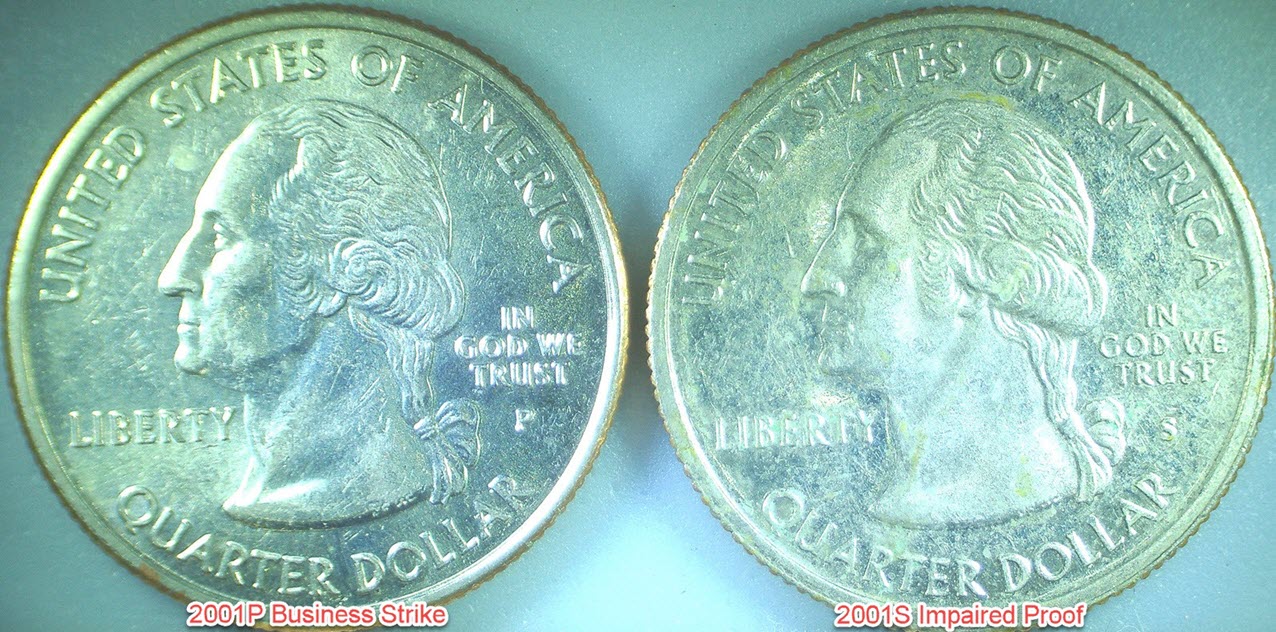 |
|
Pillar of the Community
Canada
6244 Posts |
The answer it is yes. The Dies life on 850 stroke a minute it is not long. The Hammer is suppose to go 100K but for Quarters never pass 80K coins. the anvil it is around 120 to 150K coins. After they are change. Took 3 minutes to change so for the Mint it is almost nothing. In fact each press work 45 min per hour, rest it is changes in the Dials and Dies. I prepare to post here an document with the photos and some permited specs of this new technology and the differences from the Mints (P,D,S).
Edited by silviosi
12/10/2023 12:36 am
|
|
Moderator
 United States
106212 Posts |
It is possible that the reverse die got damaged and was replaced and was mated to the first obverse die. This could show a huge difference in quality between the 2 faces of the coin.
|
|
Valued Member
United States
99 Posts |
@Silviosi & Dearborn, thanks for your comments. Yes, suspect something happened like Dearborn's comment. Am very familiar with the appearance difference between uncirculated & proof coins. This one had me fooled until I flipped it over and saw it was from the Philadelphia mint! Maybe I'm just not familiar enough with the surface details produced from an essentially new die.
|
| |
Replies: 7 / Views: 1,372 |
|








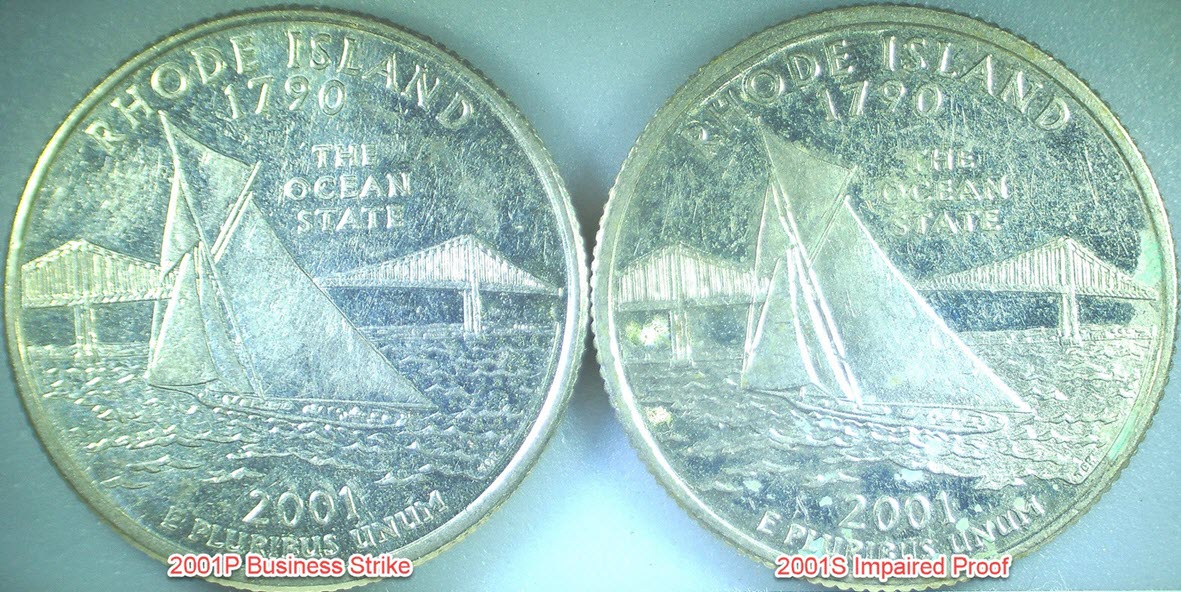
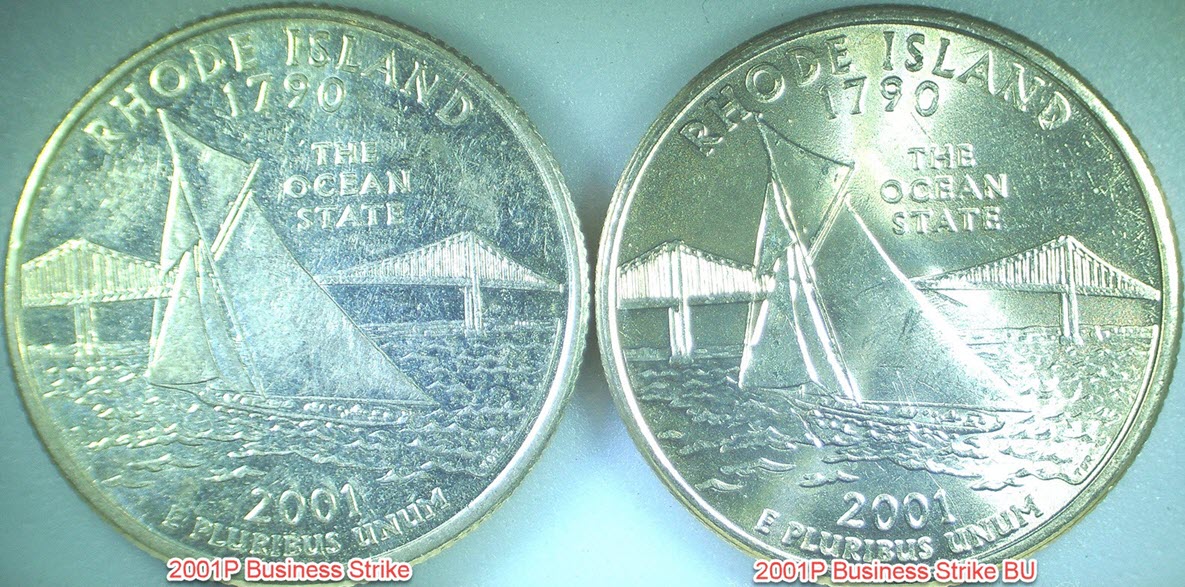
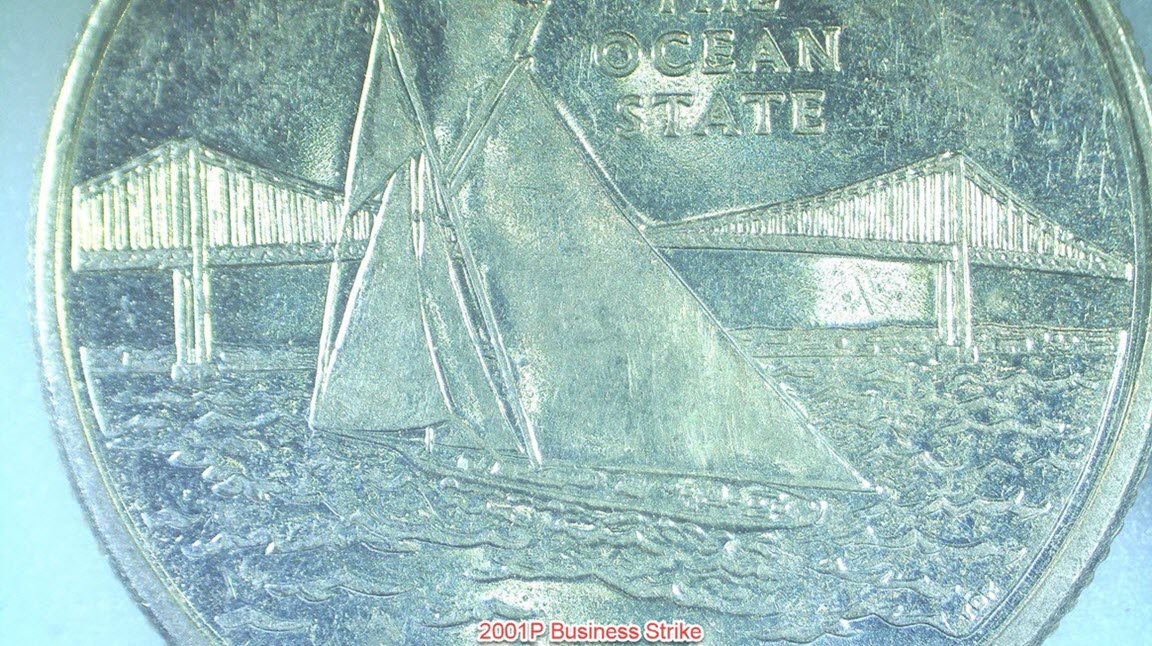


 Posted 12/09/2023 10:44 pm


