Posted 12/20/2023 05:18 am


No. As paralyse has already said, they've already survived a thousand years or more without your help, there's really very little you can do to accidentally damage them by casual handling.
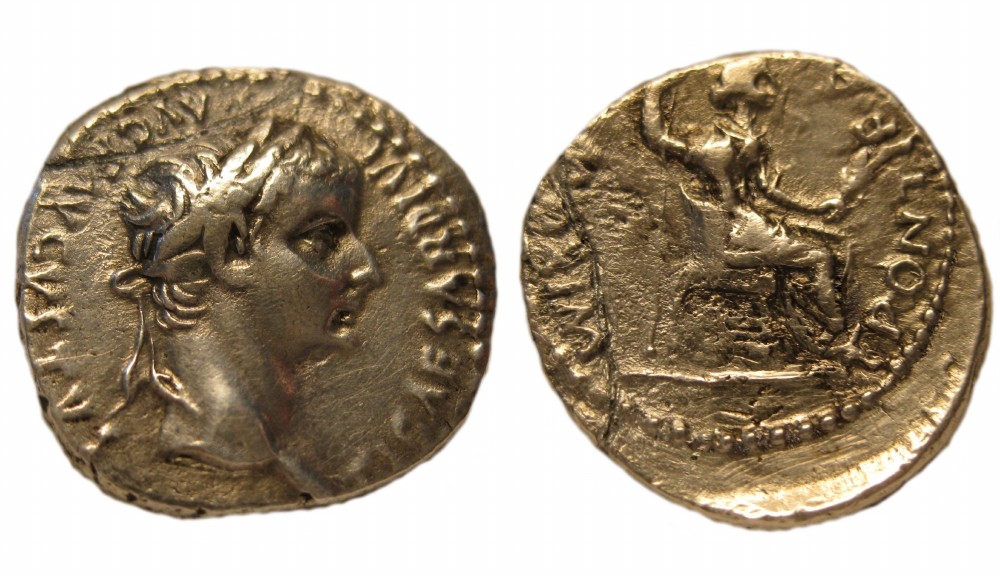
As a general rule, there isn't really any such thing as a "mint state" ancient or mediaeval coin - XF is about as good as they usually come. And there's no such thing as a coin that's been sitting around in coin collections since the time of Jesus - coin collecting simply isn't that old. Even the Vatican's coin collection isn't older than the 1500s. All of the Ancient and Dark Age coins that are still around today have been dug up out of the ground, and cleaned. So since they've all already been cleaned, there isn't quite the same stigma attached to cleaning an ancient coin as there is for modern coins. Obviously, you can still do a "bad cleaning job" that makes a coin look ugly and unwanted, but you can do a "good cleaning job" on an ancient coin that would be rejected for a modern coin.
There are a few things to be cautious of, however. For copper and bronze coins, bronze disease can be a killer, A glossy dark green patina on a 2500 year old bronze coin is perfectly normal, but if it's pale green and chalky or powdery looking, it should be treated.
In terms of what paralyse also said: one of the physical properties of silver is that it becomes more brittle with time - a process known as crystallization. A coin that would bend or bounce if abused when freshly minted, would simply snap in half if the same abuse were done to it 1000 years later. Mediaeval silver coins are particularly vulnerable, as they are old enough for crystallization to occur and are usually very thin. I have an ancient silver Greek coin that I personally snapped in half by accident, just by me trying to squeeze it back into a tight-fitting coin flip.
Most of us ancients collectors eschew the TPGs, or any other coin holder that seals up and entombs a coin. We prefer to actually handle our coins, and we can take this attitude because our coins are, for the most part, less fragile than their modern MS counterparts.
As a general rule, there isn't really any such thing as a "mint state" ancient or mediaeval coin - XF is about as good as they usually come. And there's no such thing as a coin that's been sitting around in coin collections since the time of Jesus - coin collecting simply isn't that old. Even the Vatican's coin collection isn't older than the 1500s. All of the Ancient and Dark Age coins that are still around today have been dug up out of the ground, and cleaned. So since they've all already been cleaned, there isn't quite the same stigma attached to cleaning an ancient coin as there is for modern coins. Obviously, you can still do a "bad cleaning job" that makes a coin look ugly and unwanted, but you can do a "good cleaning job" on an ancient coin that would be rejected for a modern coin.
There are a few things to be cautious of, however. For copper and bronze coins, bronze disease can be a killer, A glossy dark green patina on a 2500 year old bronze coin is perfectly normal, but if it's pale green and chalky or powdery looking, it should be treated.
In terms of what paralyse also said: one of the physical properties of silver is that it becomes more brittle with time - a process known as crystallization. A coin that would bend or bounce if abused when freshly minted, would simply snap in half if the same abuse were done to it 1000 years later. Mediaeval silver coins are particularly vulnerable, as they are old enough for crystallization to occur and are usually very thin. I have an ancient silver Greek coin that I personally snapped in half by accident, just by me trying to squeeze it back into a tight-fitting coin flip.
Most of us ancients collectors eschew the TPGs, or any other coin holder that seals up and entombs a coin. We prefer to actually handle our coins, and we can take this attitude because our coins are, for the most part, less fragile than their modern MS counterparts.
Don't say "infinitely" when you mean "very"; otherwise, you'll have no word left when you want to talk about something really infinite. - C. S. Lewis