Quote:
For modern, lower value silver coins, I often get them XRF scanned to analyse the metal makeup of the coin. As I've never seen fakes made out of real silver (for obvious reasons) it really helps verify authenticity.
Is there any benefit of scanning lower value ancient coins like this? Does the percentage of different metals prove anything?
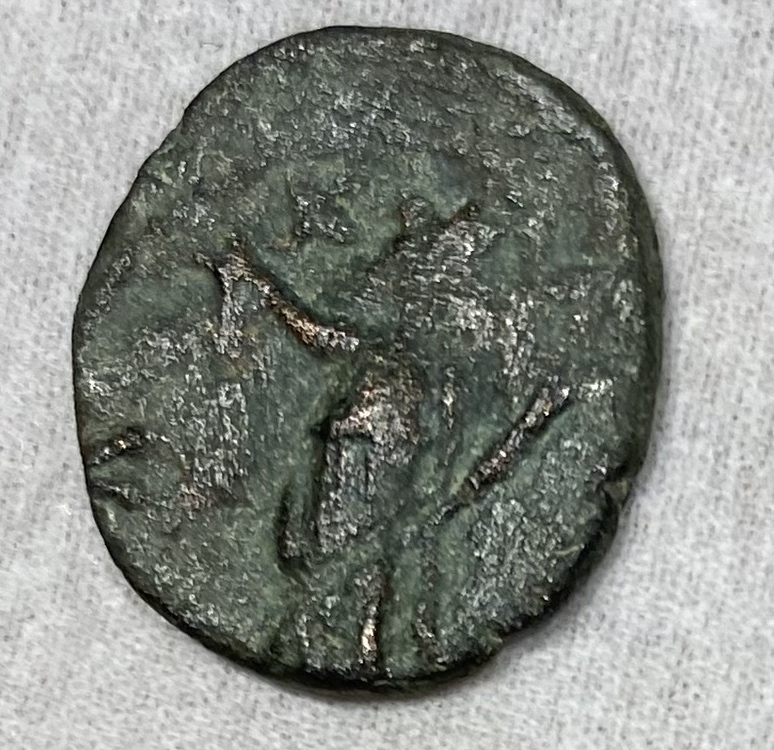
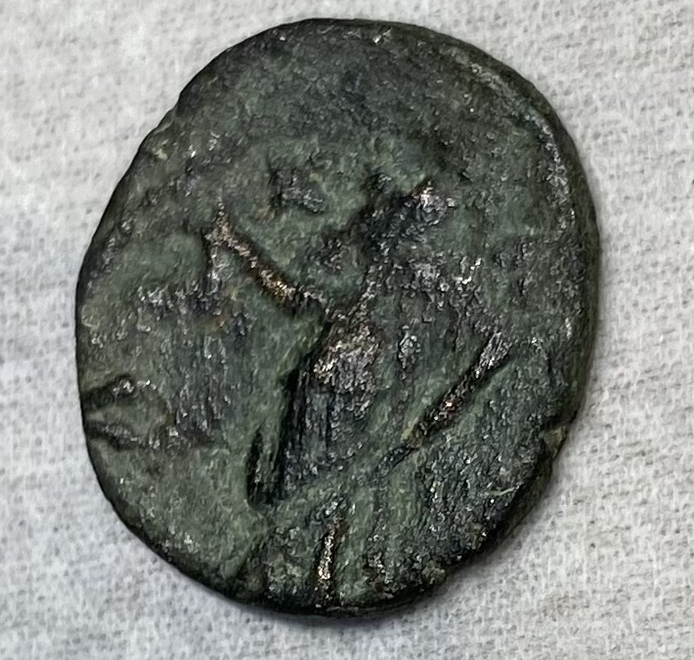
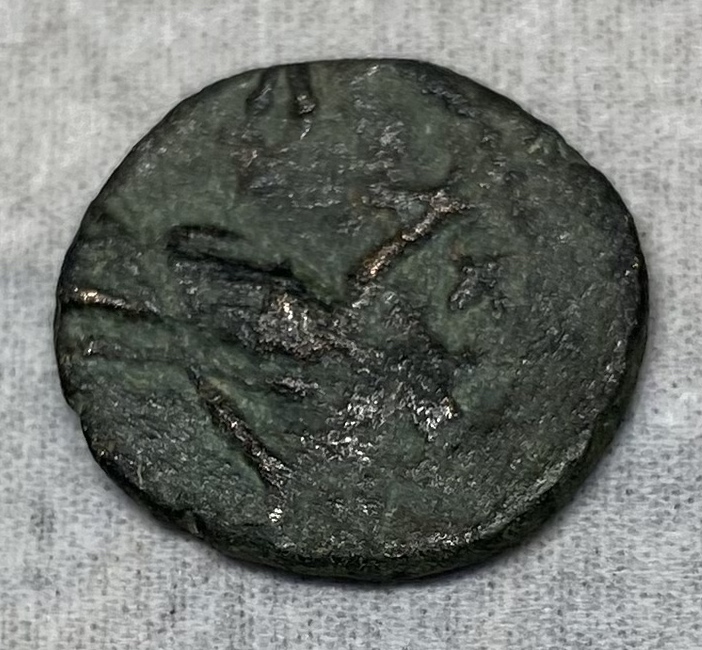
Not in the same way. The amount of silver in Late Roman radiates is very low to begin with, and not always consistent. Barbarous radiates most likely have no silver at all. So "looking for the correct amount of silver" in this particular coin, and coins like it, is futile. Overall, silver content of ancient coins was much more variable than it was in modern times, and that variability was itself variable - sometimes, the silver standard was good and consistent, other times it was not. The quality (and consistency of the quality) of silver coins is a good indicator of whether or not an emperor was "good" or "bad".
Where XRF testing comes into its own for cou
nterfeit detection is in trace metal analysis. Counterfeits made from modern alloys often contain small amounts of other elements not found in ancient times. Gold coins are an excellent example; most modern commercial sources of 22k gold contain some titanium; they add the titanium to make the gold stronger, but the element titanium was unknown in ancient times as they lacked the technology to produce it; ancient gold refining processes were extremely unlikely to ever accidentally add titanium to the alloy. So an XRF detection of titanium in gold is a smoking gun for a modern fake.
Of course, to get around this, a counterfeiter can take a common, worn (but genuine) ancient coin, melt it down, and use that metal to create a rare fake that would pass the XRF test.
Quote:
As I've never seen fakes made out of real silver (for obvious reasons)...
If you're buying and selling them as bullion or at bullion or near-bullion prices, then an XRF test is a reasonable safety net. For modern coins, it is entirely possible for a fake to be made of genuine silver. The highest-quality fakes coming out of China are made of good silver. That's because, if you can make a profit by taking $20 worth of silver and selling it for $500, with the buyer believing they've bought a $1000 rare coin for a bargain, then why not? Especially if you're less likely to get caught. Using genuine silver to make a fake collectable coin has plenty of benefits - a well-made genuine-silver fake will "look right", weigh right and test right on any silver tester a buyer might aim at it - with the only downside being the higher manufacturing cost for the raw materials.
To detect a modern genuine-silver fake of an old coin, you need some very specific techniques. Analysis for lead isotopes, for example: a silver coin almost always has trace amounts of lead in it. And freshly dug up lead almost always contains trace levels of the radioactive isotope lead-210. This isotope has a half-life of 22 years, so it effectively disappears after a century or two. Detecting "modern" levels of this isotope in an allegedly "old" coin is another smoking gun for a modern fake. But most folks won't have access to the gear you need to detect this - XRF can't do it. And again, counterfeiters could fool everybody if they melt down a cheap, genuine ancient coin to use as the blank for their fake.
Don't say "infinitely" when you mean "very"; otherwise, you'll have no word left when you want to talk about something really infinite. - C. S. Lewis







 to the Community!


 Posted 12/28/2023 4:12 pm





