










 Posted 01/27/2024 12:24 pm


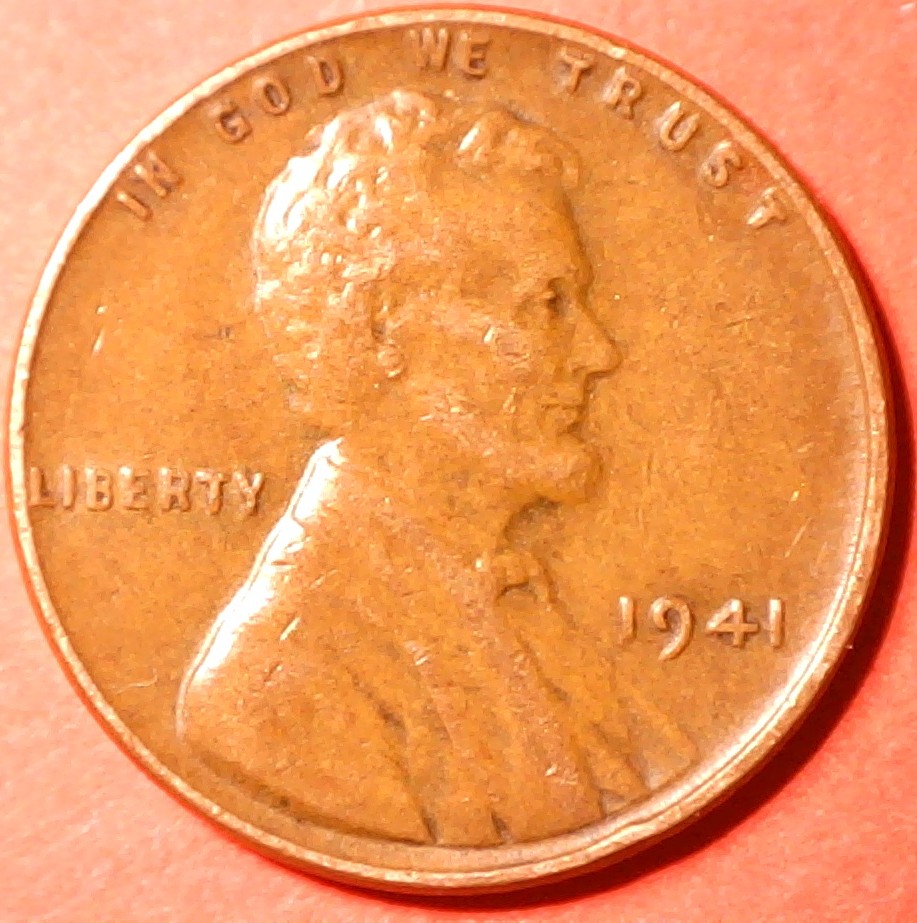
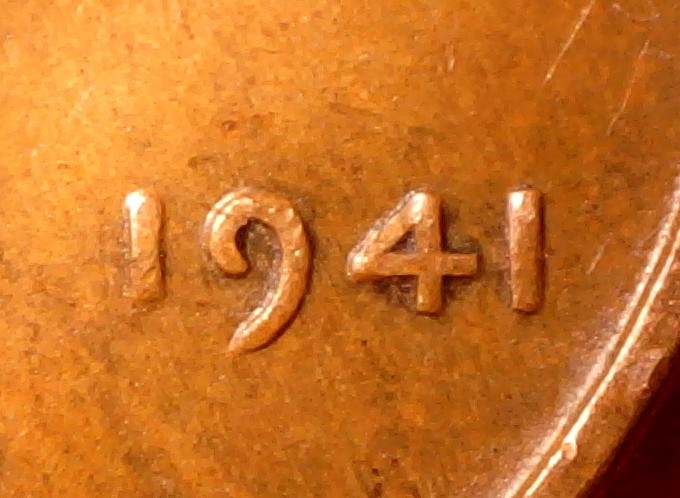
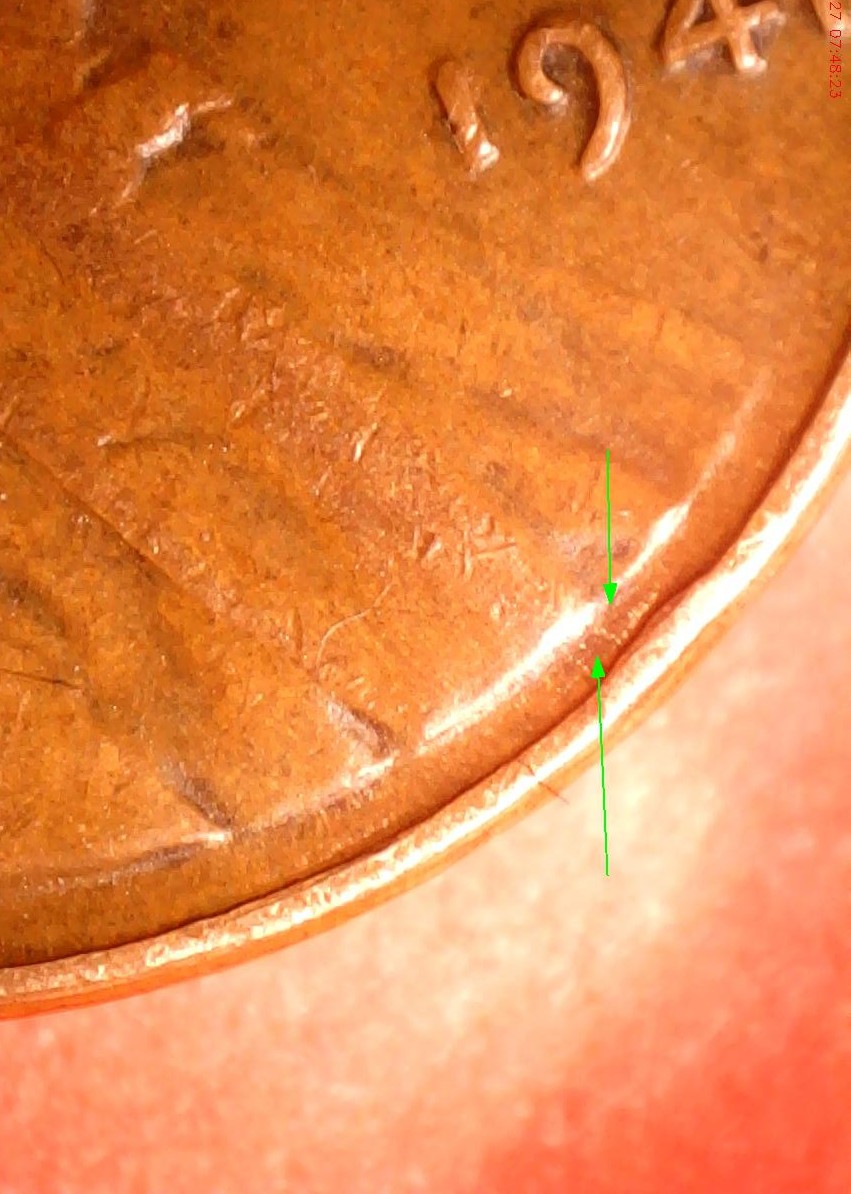
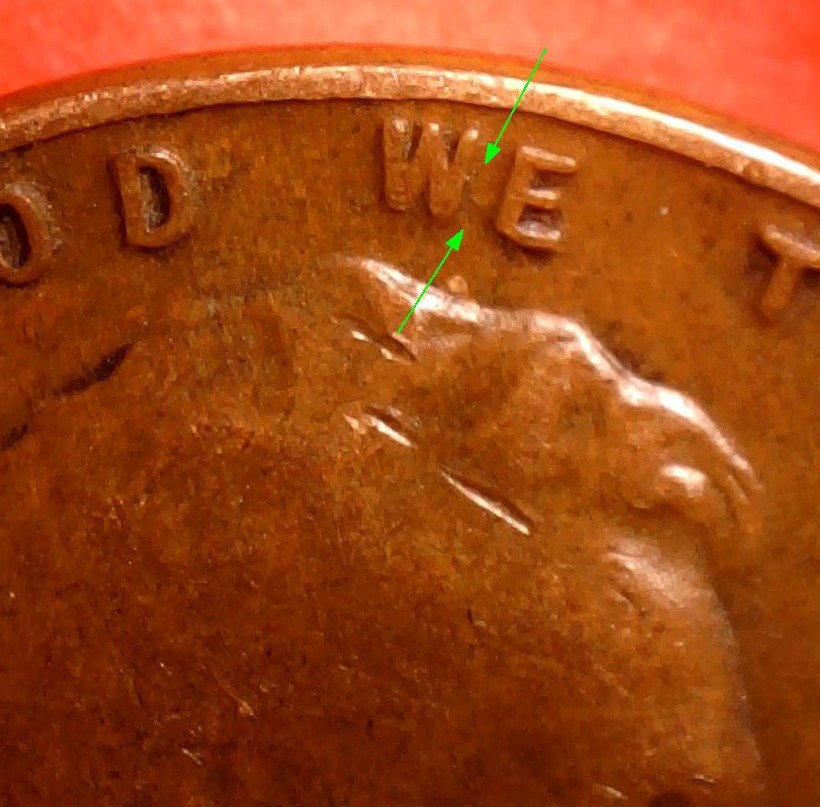
Sometimes die doubling can cause an offset eyelid, ear, or an offset letter like the Y in LIBERTY, due to the cone shape of the die blanks of this era. This cone shape was done in order to guarantee complete hubbing. The doubling occurs due to first hubbing only being partial, such that the doubling only occurs nearest the center of the coin. If such an offset was continued to a full hubbing, a coin like the 1955 or 1958 Doubled DIes is created, but these tend to be caught and not put into service.
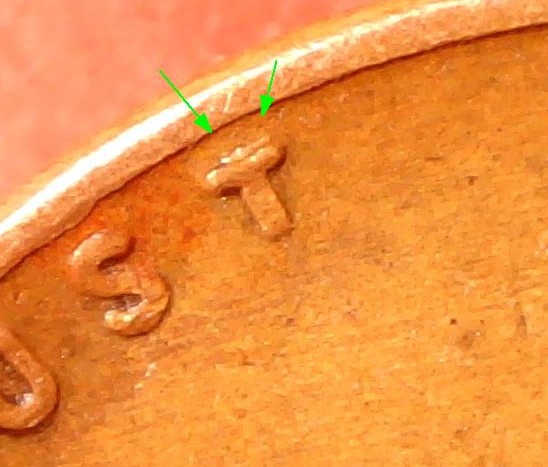
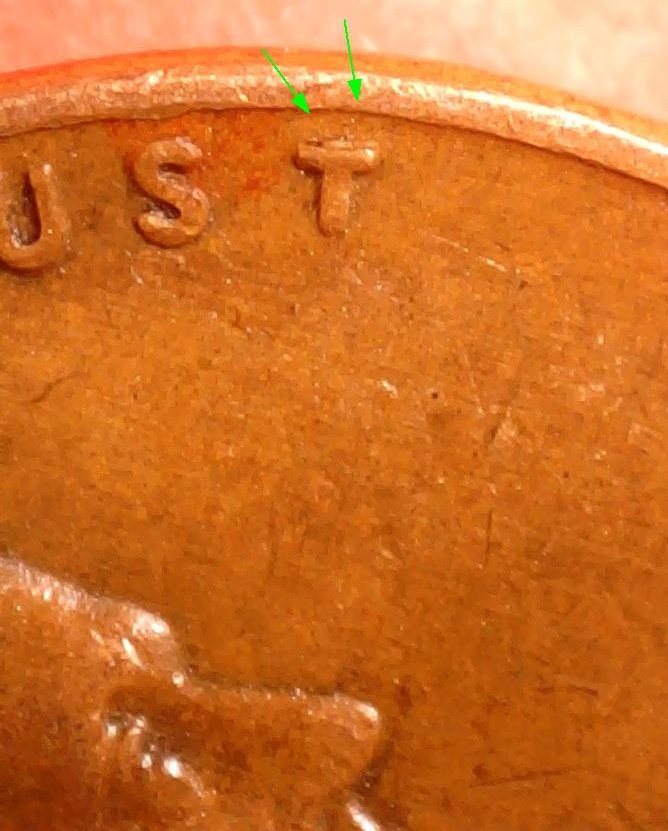
The presumed doubling on the top of the T on this coin could therefore not be due to an offset doubling, as it would show up on the other letters of the Mottoes.
Another possibility is a design change (type 3) doubled die. This happens when a design change is made and hubs from both the new and old designs are accidentally mixed during hubbing. If there was a small change, with the T being slightly different on one hub than the other, then using both hubs could result in such a doubled die. I'm not aware of a design change that affected just the T of TRUST, but that doesn't mean it didn't happen.
One issue with the type 3 explanation is that the extra top bar is smaller than the main top bar. So if this was a type 3 doubled die, it would mean the mint chose to make a smaller T, offset from the rest, as the last letter of TRUST, but this seems very unlikely.
So bottom line there does not seem to be an explanation that fits the coin design and minting processes that could support this being a doubled die.
The presumed doubling on the top of the T on this coin could therefore not be due to an offset doubling, as it would show up on the other letters of the Mottoes.
Another possibility is a design change (type 3) doubled die. This happens when a design change is made and hubs from both the new and old designs are accidentally mixed during hubbing. If there was a small change, with the T being slightly different on one hub than the other, then using both hubs could result in such a doubled die. I'm not aware of a design change that affected just the T of TRUST, but that doesn't mean it didn't happen.
One issue with the type 3 explanation is that the extra top bar is smaller than the main top bar. So if this was a type 3 doubled die, it would mean the mint chose to make a smaller T, offset from the rest, as the last letter of TRUST, but this seems very unlikely.
So bottom line there does not seem to be an explanation that fits the coin design and minting processes that could support this being a doubled die.
Contact me for photographic equipment or visit my home page at:
http://macrocoins.com
http://macrocoins.com


