| Author |
 Replies: 10 / Views: 2,216 Replies: 10 / Views: 2,216 |
|
|
New Member
United States
2 Posts |
Edited by Soaks
01/27/2024 12:58 pm
|
|
|
|
Moderator
 United States
34538 Posts |
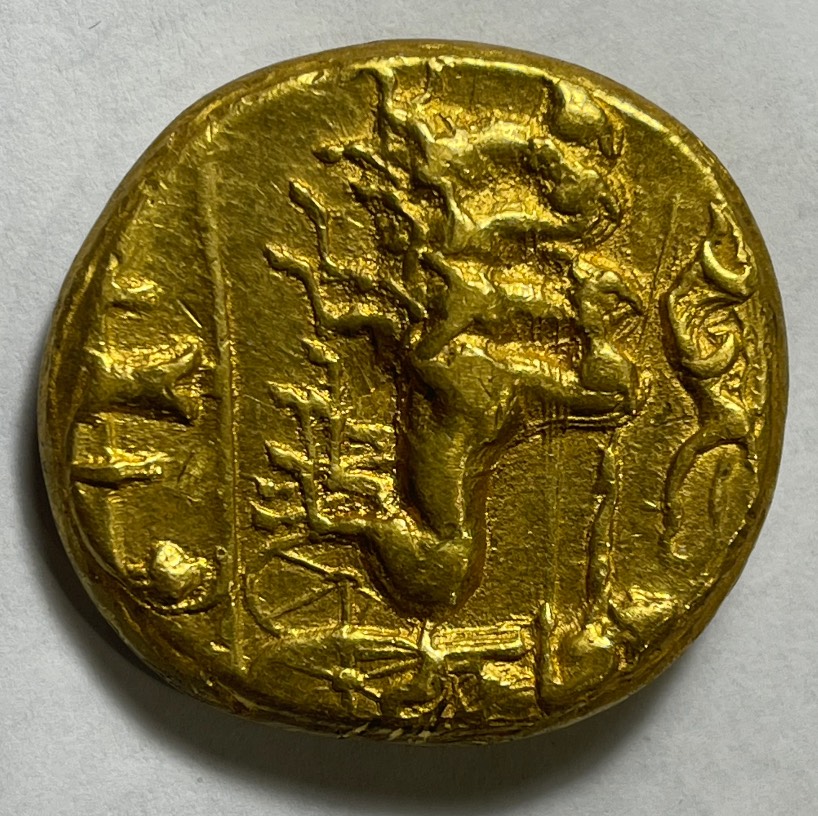
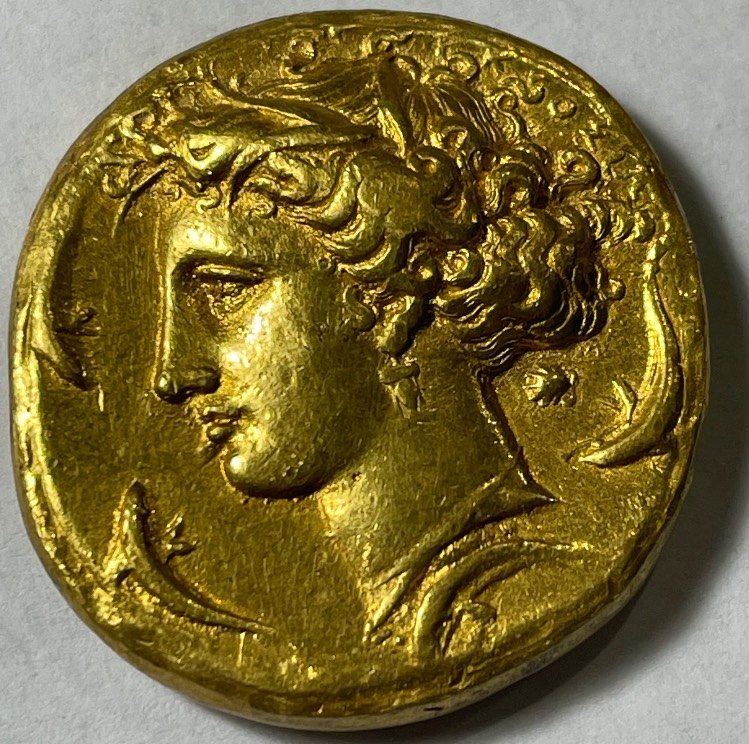
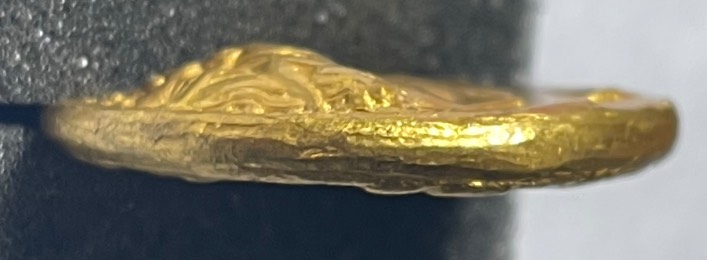
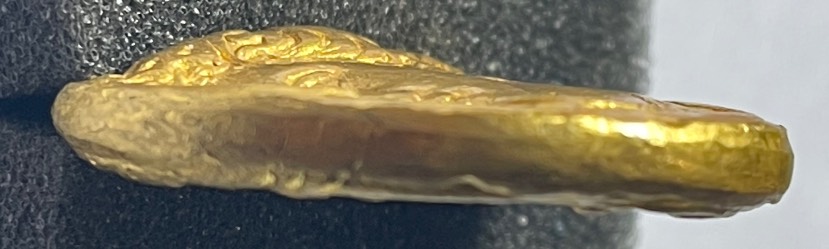
@soak, first welcome to CCF. Second, in addition to a pic of the other side, it would like be helpful to have an image of the edge of this piece. Please add them both to this thread when you have a chance. Thx.
"If you climb a good tree, you get a push."
-----Ghanaian proverb
"The danger we all now face is distinguishing between what is authentic and what is performed."
-----King Adz
|
|
Pillar of the Community
United States
2332 Posts |
Welcome to CCF! I've never see this type in gold, only silver. I could not find any examples in gold on American Numismatic Society database or any online auction results like acsearch.info. It's either 1. extremely rare genuine ancient coin. 2. museum replica. 3. replica made for jewelry. 4. counterfeit fake meant to deceive. Genuine ancient gold dekadrachms from Syracuse are small, usually only weight about 4 grams to 6 grams. Yours being 65 grams is way too heavy and way too big. If it were mine I'd take it to a local coin store or coin show, ask to have it tested to see if it's actual gold or not. An XRF tester will at least say what the surface metal is. Museums used to sell replicas of ancient coins without putting a "copy" stamp on them. I have an Athens tetradrachm museum piece sold by the NY Metropolitan Museum. Modern copies of ancient coins are made for jewelry. I saw a gold colored dekadrachm necklace on Etsy similar to yours, but it's very crude obviously modern. You could send pics of it to the ANS and ask them for an opinion. I'm not sure they would help but worth a try. You could also send pics to a well known ancient coin dealer like Harlan J. Berk, ask for an opinion. If genuine this coin would be worth thousands. My opinion is it's a museum replica or modern made for jewelry. Edited by livingwater
01/27/2024 6:13 pm
|
|
New Member
 United States
2 Posts |
Thanks for your input. The jewelry though could be the case the woman that I inherited the stuff from was quite into jewelry and jewelry design. Next I'll take it to a coin shop and have the metal tested. I have a few emails out there. I'll post back what I find out. |
|
Bedrock of the Community
United States
94367 Posts |
Looks too good to be true!  to the CCF! |
|
Moderator
United States
194816 Posts |
to the Community! |
|
Moderator
United States
34538 Posts |
Quote:
I'll post back what I find out. Yes please that would be great. Thx! "If you climb a good tree, you get a push."
-----Ghanaian proverb
"The danger we all now face is distinguishing between what is authentic and what is performed."
-----King Adz
|
|
Pillar of the Community
Portugal
717 Posts |
Dionysus of Syracuse had gold coins struck, to finance the second stage of his wars with the cartagians. The largest denomination was 100 lital, or 20 drachms. All of these weighted 5.8 g.
Gold currency in Syracuse accompanied wars with Carthage. Agathocles also issued gold coins, and later Hicetas. As as payment for mercenaries, substitute for silver coinage, it was never very big. A 65.6 g Siracuse coin is impossible.
This is a worrying imitation of a decadrach from the Dionysus era, 400 BC. The real thing in silver weights 43.3 g. Technically lacking, does not seem to be a museum reproduction. Not a good one at least, because of the lack in detail. The obverse die is a reproduction of a well known one. 314, 315 in the Gulbenkian collection. The reverse with Arethusa also lacks detail, and imitates the matching reverses that I know of but not exactly.
Perhaps it was cast with a mold from a from a genuine decadrachm. That would explain the lack of detail. And failures like around the chin and in the neck. Is was not meant to deceive collectors because anyone with the money to buy Syracuse coins would know there are no gold ones this size. But if a cast copy it is well disguised. The obverse at first impression seems a struck coin, concerning.
|
|
Valued Member
Australia
491 Posts |
How common are large, over sized, one off gold ancient coins?
Did the super wealthy do such things through the mints in those times?
|
|
Pillar of the Community
Portugal
717 Posts |
Greek use of gold for coins had a long history. Croesus of Lydia was traditionally credited with the first staters of gold. They were the same size as the first silver coins, almost 11 grams. But then the greeks reduced the weights. Gold and silver had a 13 to 1 value ratio. With silver coins having 11 g the gold coins of Lydia were reduced to 8 g. As coinage spread the persians took the bi-metallic system from Lydia for their use across the empire. But classical greek city states chose a silver standard. Gold coinage was rare. It was struck for emergencies. Wages of mercenaries could not be paid with big gold coins, not practical. And I see no reason for some ruler to want a gold version of a coin as a kind of medal. Possible but it would be a foreign idea.
There are big coins known but from the hellenistic period. After the looting of the persian treasury and the production of new mines like those in Macedonia the greek world moved to also use gold for coins. The normal weight for gold coins was the same as the most normal weight for the silver stater, Corinth with 8.6 g. Gold and silver would be at a 10:1 value ratio.
With people then used to gold coins the idea of a gold coin for prestige would no longer be strange. Some descendants of the diadochi indulged in striking big gold coins with their likeness. The later Ptolemies in Egypt up to 27 g. But even in the second century BC it was an unusually big size. There is the famous gold 20 stater of the indo-bactrian kingdom by Eucratides. That coin should have been described as a medallion. There are other examples of late hellenistic and roman big medals, medallions, perhaps struck for prestige or gifting.
Edited by jecz79
01/31/2024 9:32 pm
|
|
Valued Member
Australia
491 Posts |
Interesting thank you.
So by the sounds of things jewelry made with large amounts of gold would of been the preferred use of gold by the super wealthy and not coins.
Am sure that the collecting of coins started with the1st ever minting. However far back they were made.
|
| |
Replies: 10 / Views: 2,216 |
|











 Posted 01/27/2024 5:48 pm


