| Author |
 Replies: 11 / Views: 1,646 Replies: 11 / Views: 1,646 |
|
|
Valued Member
United States
50 Posts |
|
|
|
|
Bedrock of the Community
United States
78431 Posts |
|
|
Valued Member
 United States
50 Posts |
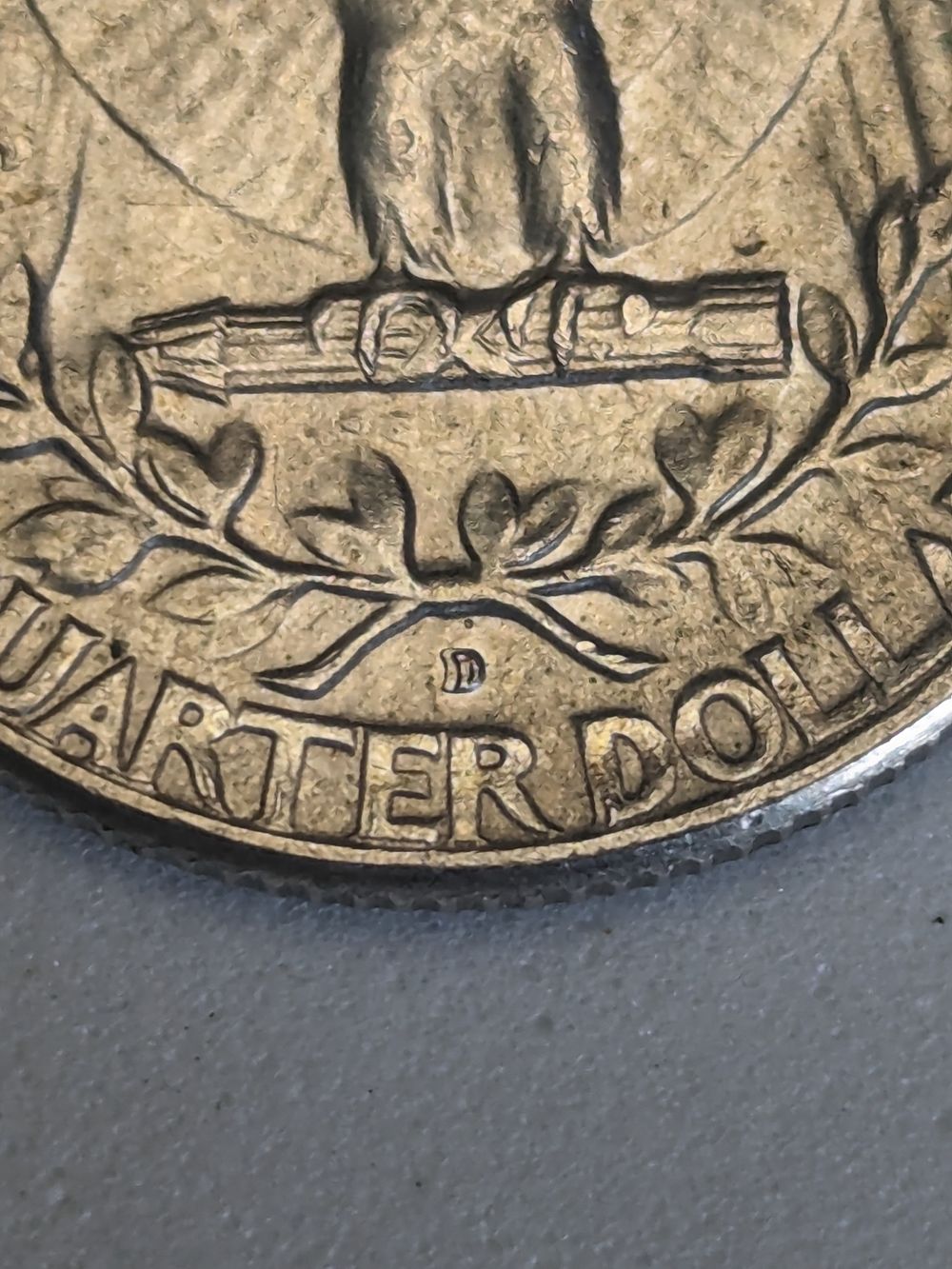
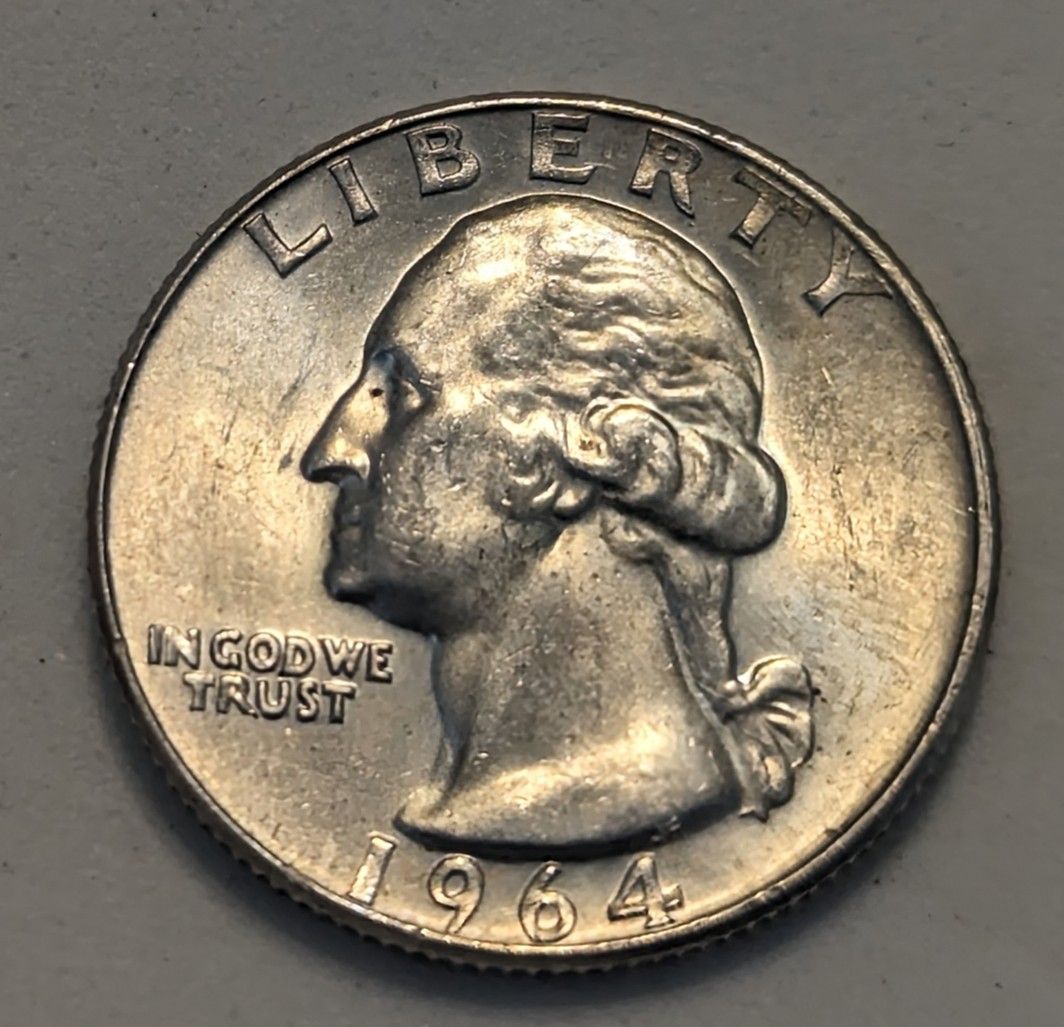
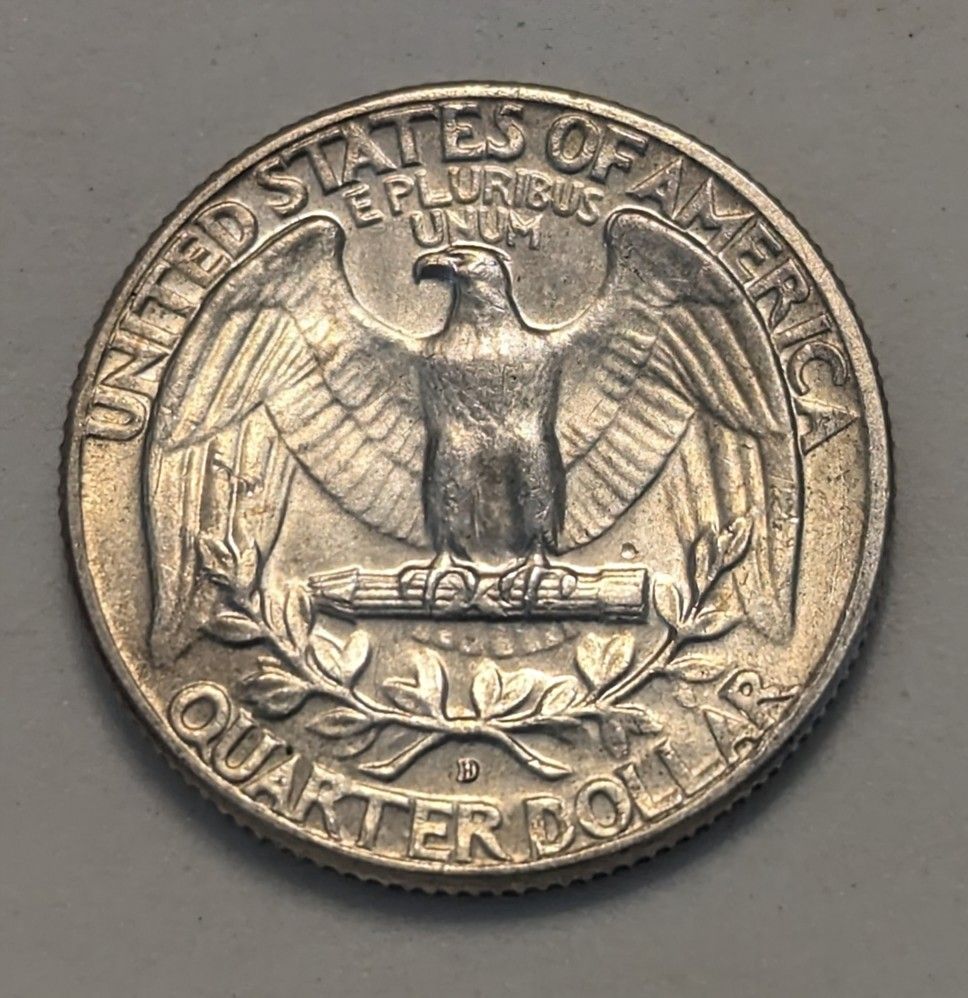
But, weren't mint marks still punched by hand at that time? How would Machine Doubling work into that? Edited by Blondebear
03/03/2024 2:54 pm
|
|
Pillar of the Community
United States
1780 Posts |
@Blondebear..."But, weren't mint marks still punched by hand at that time?" ... ... no, blondbear, hand striking generally went out of fashion (Europe & the "New World" by the late 1700's (1772, last year of production, Potosi, Bolivia Spanish colonial mint) ... ...coin mintage was done on (manual) presses, such as the roller press, late 1400's ( imagine a big pasta roller) & the screw press, late 1600's (imagine a large grape press) ... all features on the coin were impressed in this manner, & automated, powered presses came into use, late 1700's (1788) ... ...hand hammering of coinage had all but disappeared by this time (civilized world)... 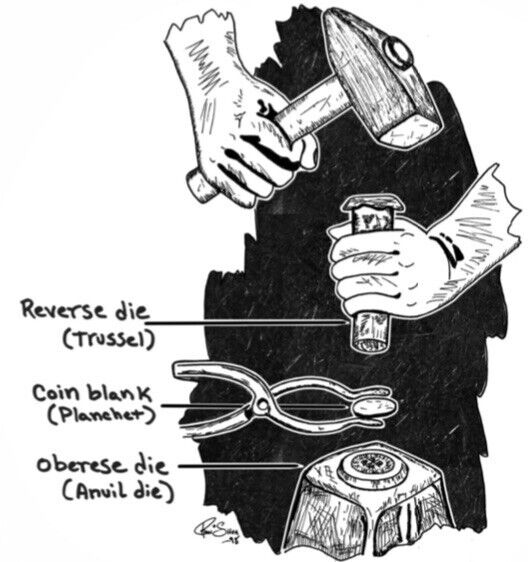 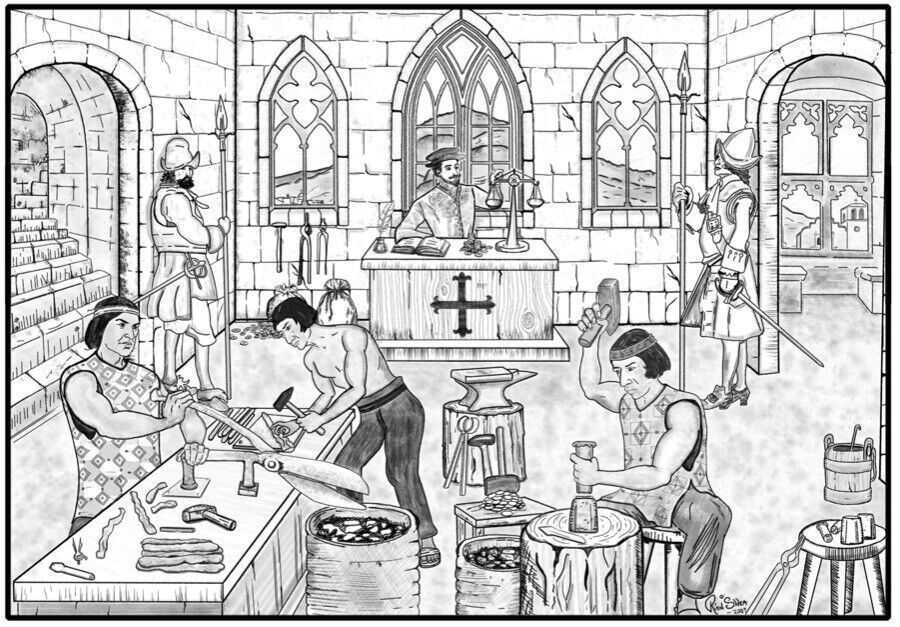 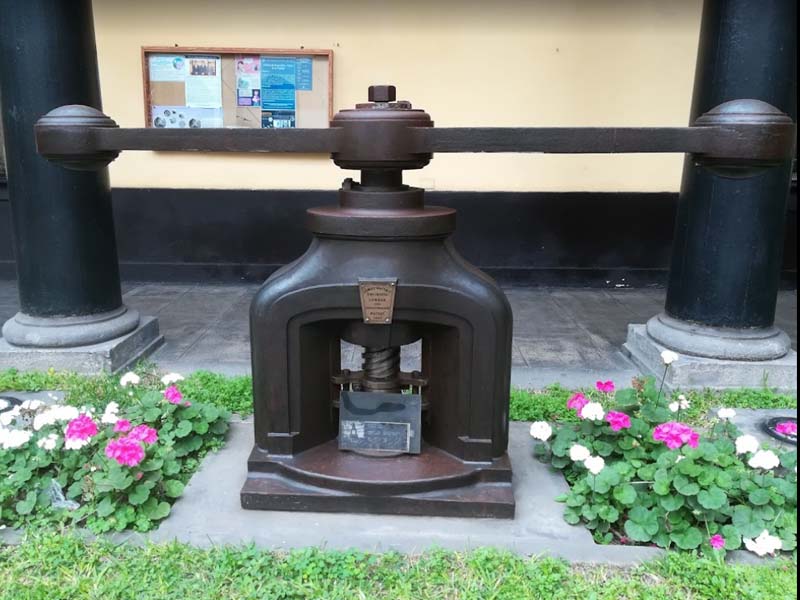 Edited by mrwiskers
03/03/2024 3:31 pm
|
|
Valued Member
United States
50 Posts |
Got it. And I found a section in Cherry Pickers Guide that mentions that it Strike Doubling, which happens a lot to the Ben Franklin house and the silver quarters. Makes sense. Thank you everyone! |
|
Pillar of the Community
United States
1780 Posts |
@Blondebear ..." How would Machine Doubling work into that?...: ...Machine doubling is a common occurrence in modern minting, & there are numerous examples & posts here covering that subject. Machine Doubling is the term, abbreviated here as MD Edited by mrwiskers
03/03/2024 3:34 pm
|
|
Pillar of the Community
United States
3535 Posts |
Good information above MrWiskers regarding early coin minting. I am going to add to that info. When "they" say mint marks punched by hand, They are describing that the mint marks were punched by hand onto the working dies, which then were used to create many coins, and that's were you can get " Machine Doubling" on a mint mark. |
|
Pillar of the Community
United States
6880 Posts |
Mint marks were hand punched into the working dies until 1989. The working dies for the obverse and reverse were then used by the minting press machinery to strike coins. https://www.numismaticnews.net/arch...20in%201989.I agree that what you are seeing here is Machine Doubling (MD). It isn't a result of the way that the striking dies were manufactured. It was caused by a mechanical vibration or ejection problem of the minting machinery that damaged the coin during minting. |
|
Pillar of the Community
United States
6880 Posts |
Tacc ninja'd me while I was reading and typing. Quicker on the draw today, sir! =)
|
|
Pillar of the Community
United States
3535 Posts |
I think all information mentioned is good.
|
|
Bedrock of the Community
United States
94367 Posts |
|
|
Moderator
 United States
105646 Posts |
I'll agree with above information
|
| |
Replies: 11 / Views: 1,646 |
|








 Posted 03/03/2024 2:53 pm





