| Author |
 Replies: 26 / Views: 2,147 Replies: 26 / Views: 2,147 |
|
Bedrock of the Community
 United States
27514 Posts |
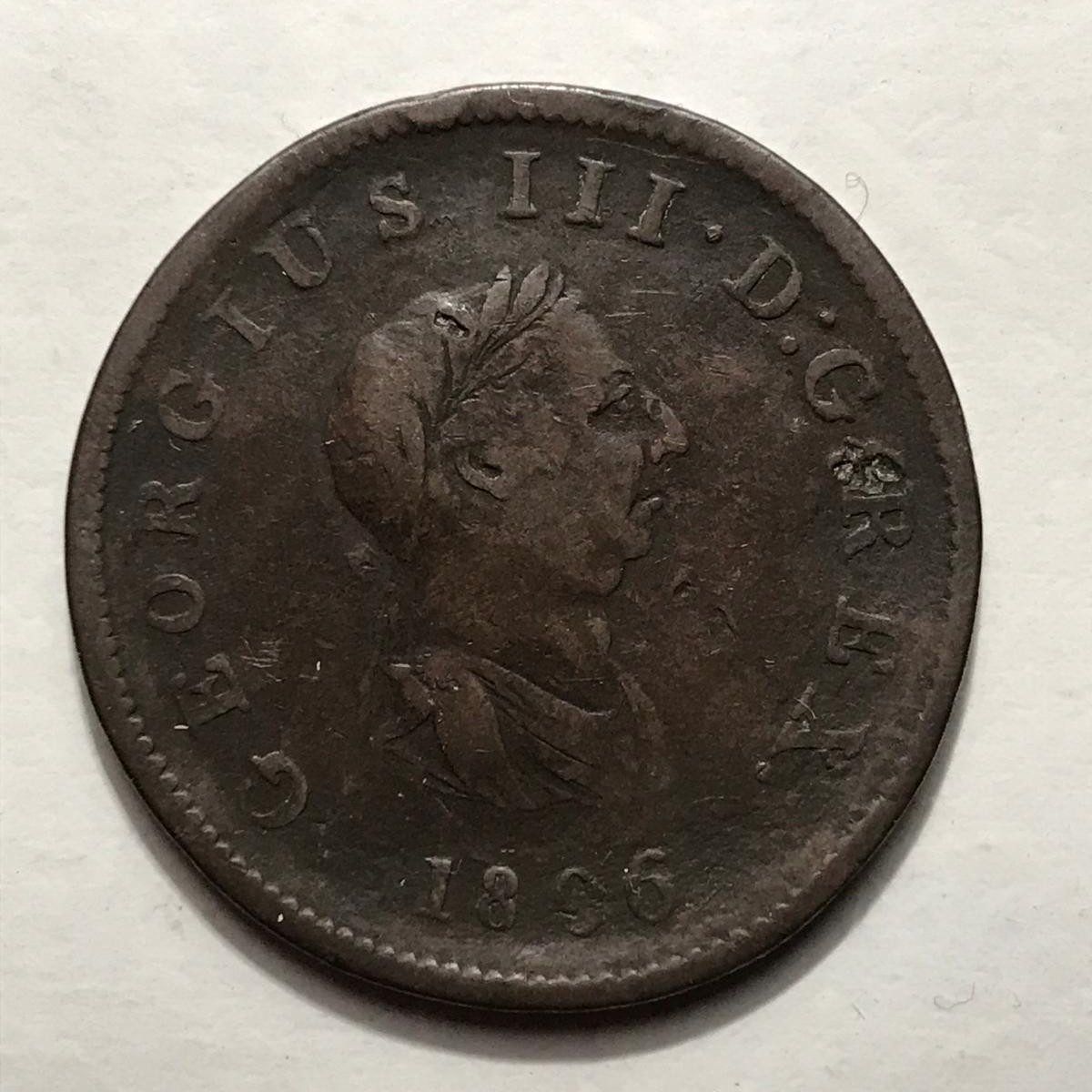
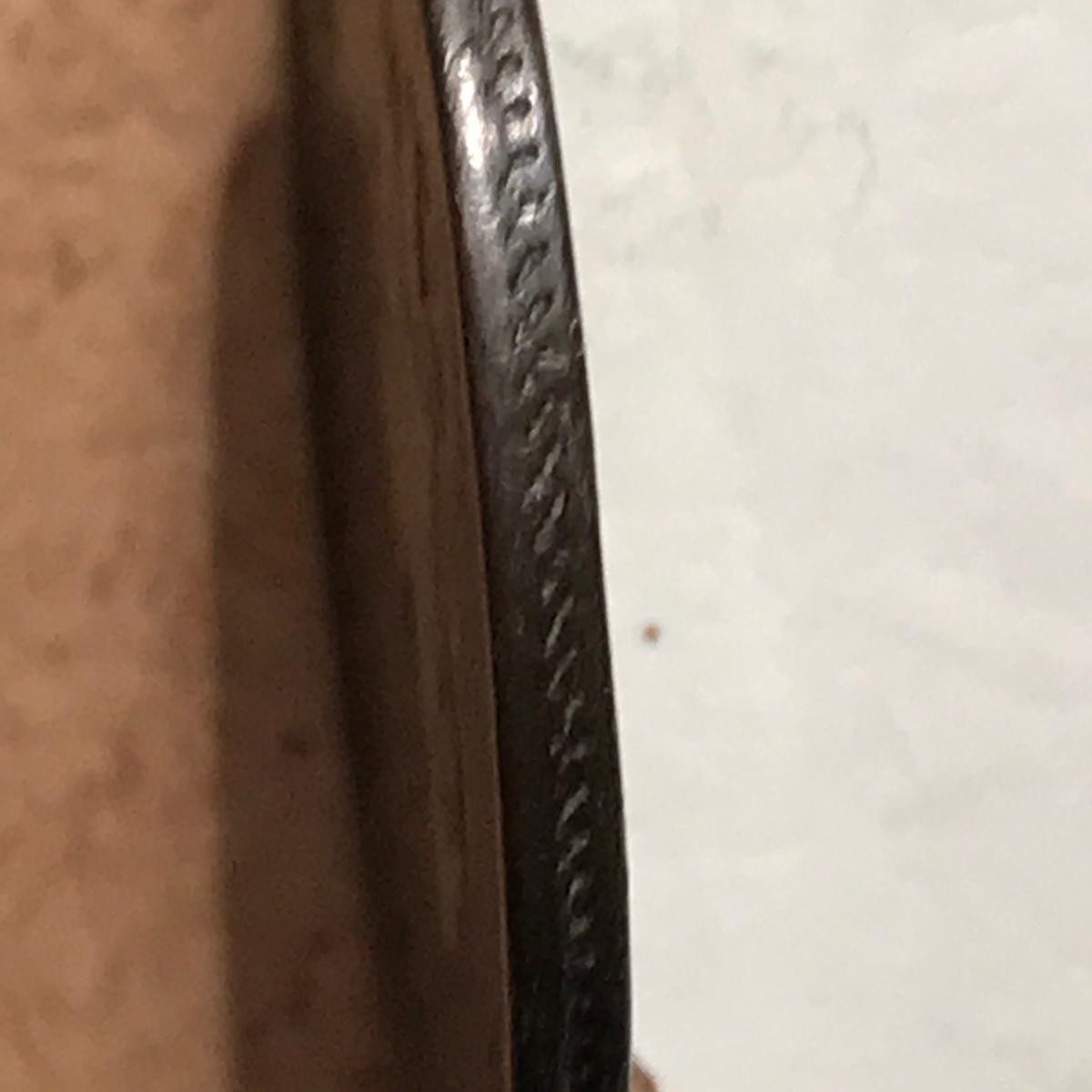
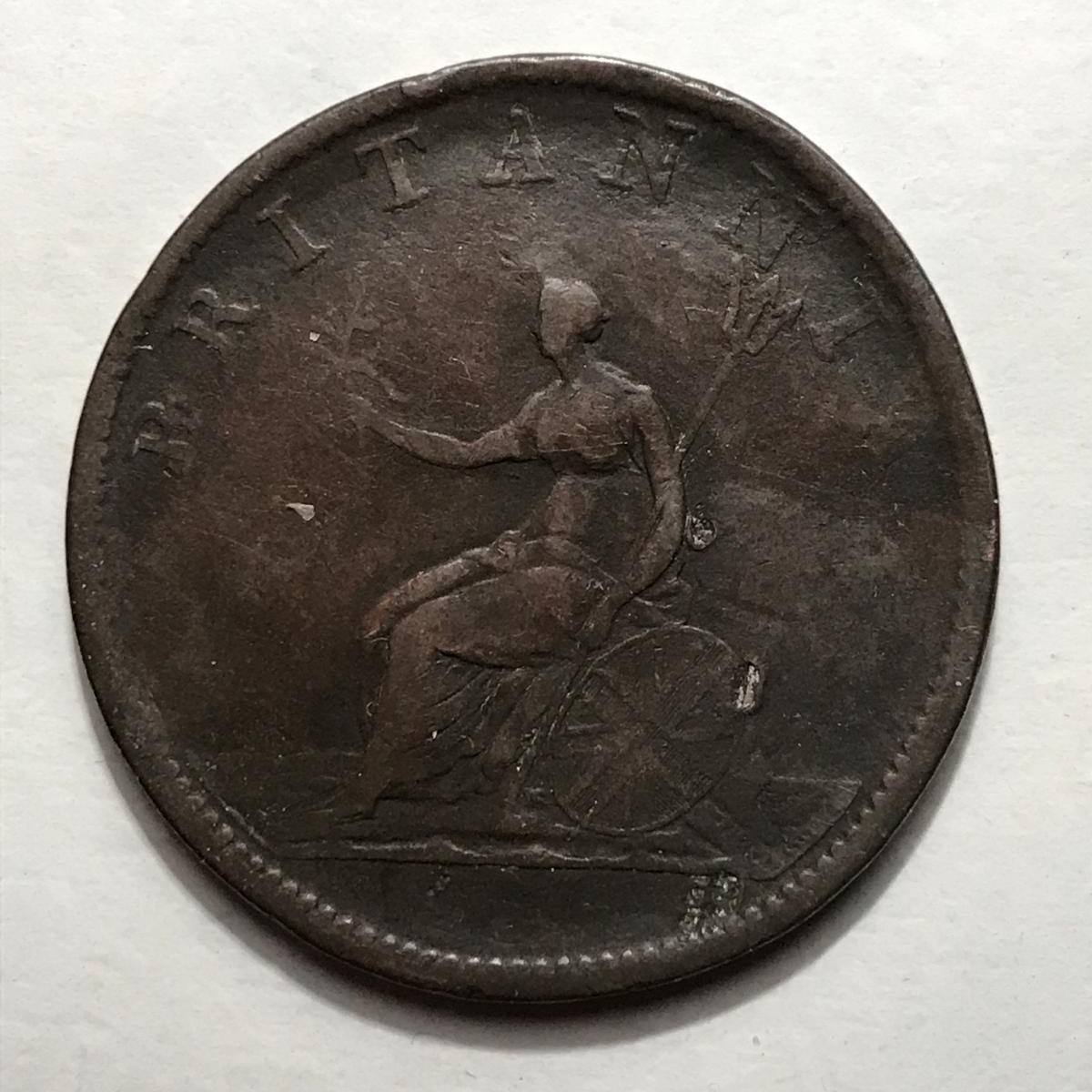
This coin was in a lot that I purchased last year. I had put it away to deal with later, and came across it this weekend. It looks suspicious to me, but I don't have another with which to compare it. Weight = 9.14 g as opposed to 9.45 g listed on Numista. Diameter is correct at 28.70 mm but 2.05 mm thick instead of 1.5 mm. All comments welcome - thank you! 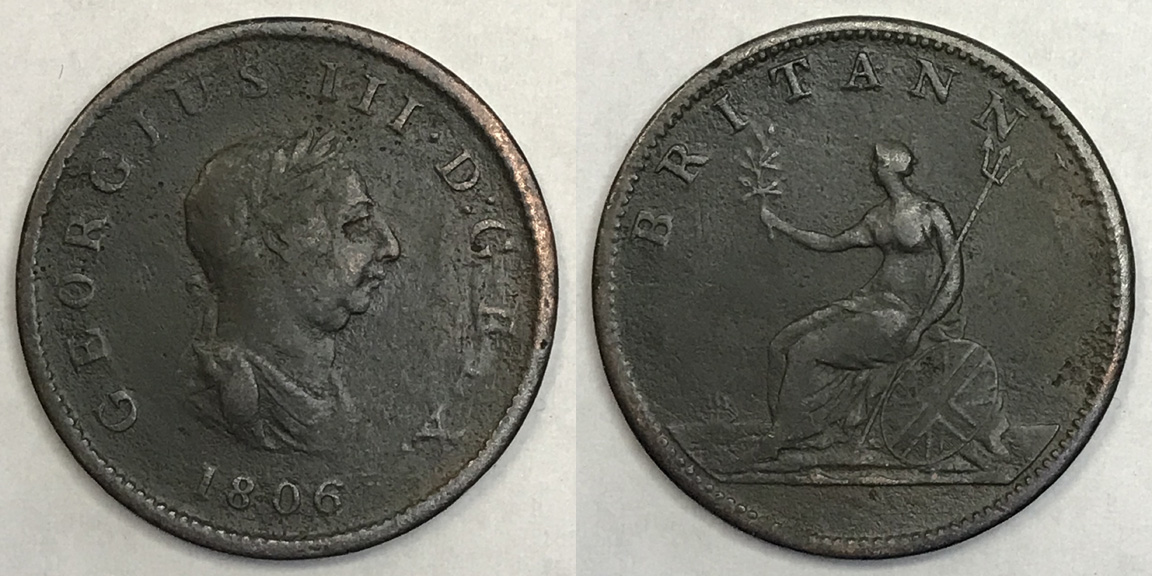 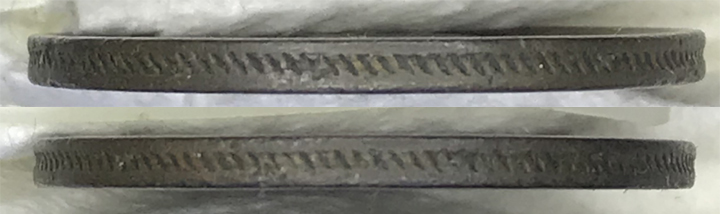 Inordinately fascinated by bits of metal with strange markings and figures
|
|
|
|
Pillar of the Community
United States
6906 Posts |
Well, if it's thicker than normal but has an identical diameter, that should result in a higher volume than normal. If the density were the same because the alloy is the same, that then suggests that your coin should be heavier than average. But it isn't. Your coin is underweight. I would be quite suspicious about that.
|
|
Pillar of the Community
United Kingdom
945 Posts |
Certainly sounds odd. But why would anyone fake a common coin in such low quality? Unless it is a contemporary forgery in pewter then bronzed?
|
|
Bedrock of the Community
United Kingdom
18960 Posts |
It looks OK to me, and even in 1806 it would hardly have been worthwhile to make an accurate forgery of one of these 'new' halfpennies, as the pre-1776 halfpennies that were still in circulation were much easier to forge (and there were lots of forgeries in circulation). I don't know if anyone's ever done a detailed study of these coins, but I'd imagine that there could have been variations in the planchette thickness and weight, as it was the first date of a radically redesigned coin and the cons were not struck by The Royal Mint but were contracted out to the Soho Mint in Birmingham. Wikipedia gives the weight of these halfpennies as "9.2-9.8 grams", indicating that there may be a considerable variation. |
|
Bedrock of the Community
United States
12057 Posts |
I'm not personally aware of any widely known counterfeits of the Soho issues (although they may exist) but the coin displays quite a bit of porosity that may have resulted in the weight being towards the bottom end of normal. The planchets were not of the best quality to begin with.
Member ANA - EAC - TNA - SSDC - CCT #890 "Most of the things worth doing in the world had been declared impossible before they were done." -- Louis D. Brandeis |
|
Bedrock of the Community
 United States
27514 Posts |
Thank you all for the replies, especially NumisRob for the information!
Inordinately fascinated by bits of metal with strange markings and figures
|
|
Valued Member
United Kingdom
69 Posts |
This is my best 1806 that weighs 9.5 g , 28.5 mm and 2.5 thickness, I also have ones that weigh much less, I think it also depends on the wear of the coin itself some are as low as 8.8, but this one has a beautiful patina. 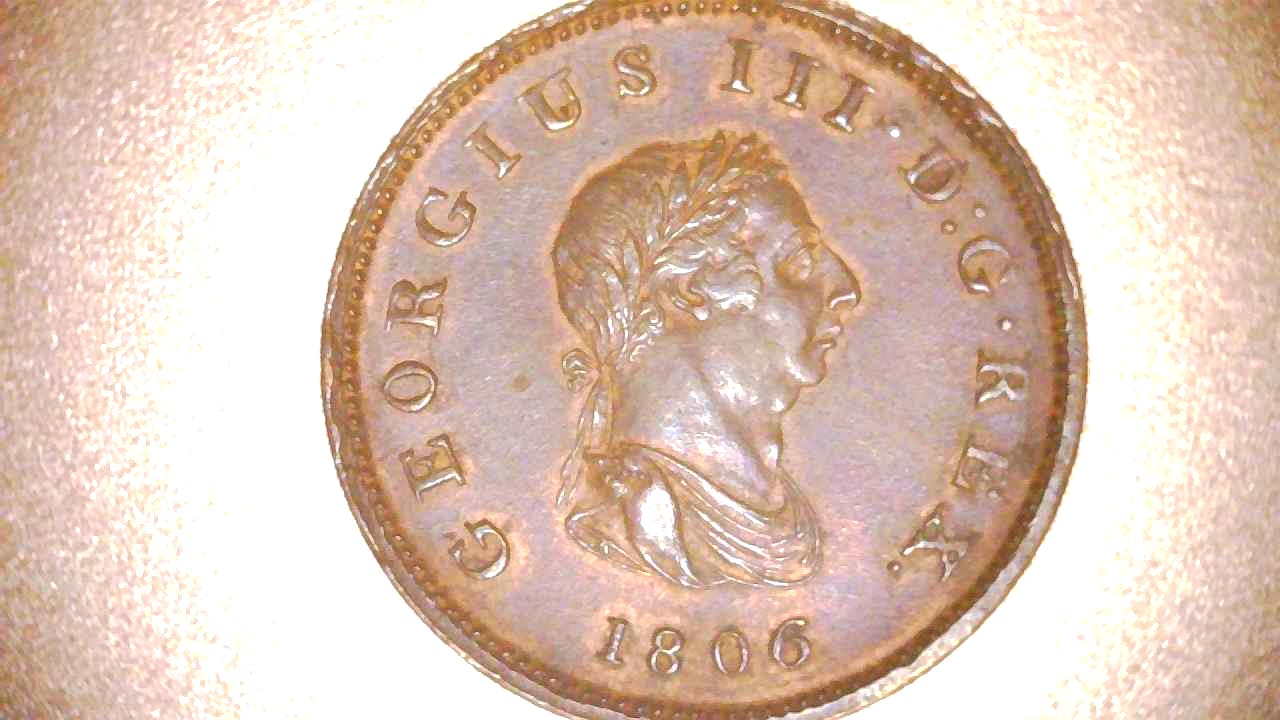 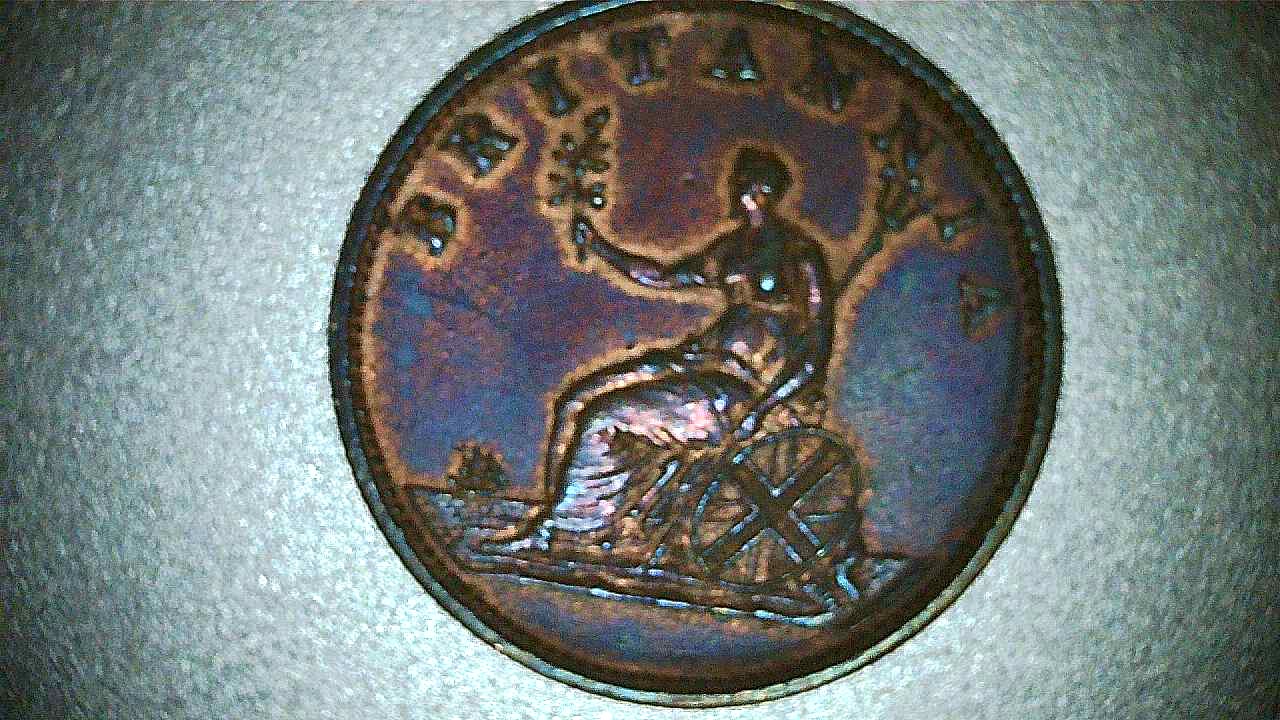 |
|
Valued Member
United Kingdom
409 Posts |
I'm intrigued! I've got what I think is a contemporary forgery. It's dated 1806 but on a 1799-sized 31mm blank and under weight for that size blank at 9.2 grams. Edge detail the same as Hondo's. It's just this minute occurred to me that as the 1806 series was struck because price of copper went through the roof, perhaps Matthew Boulton was trying a few ideas out. Or perhaps somebody with inside information was "trying it on", which is my current bet. Who knows? I feel a visit to Brum Museum might come in handy...
|
|
Bedrock of the Community
United States
12057 Posts |
@Spyro, would you be able to share photos sometime? I'm quite interested to see it.
Member ANA - EAC - TNA - SSDC - CCT #890 "Most of the things worth doing in the world had been declared impossible before they were done." -- Louis D. Brandeis |
|
Valued Member
United Kingdom
409 Posts |
Yes. It's about 7.15am here so I'll try to upload some pics in about 12 hours - busy day ahead!
|
|
Valued Member
United Kingdom
409 Posts |
|
|
Bedrock of the Community
United States
12057 Posts |
Quite an odd duck. It looks almost as though it were somewhat flattened. Very soft strike, for sure. It has the expected concavity and engrailed edge.
Given the persistent issues Boulton & Watt had with getting good quality planchets at Soho it may just be due to soft copper that would have resulted in spreading and consequentially a weak strike since the striking force was being applied over a larger surface area.
According to Peck, 1806-dated dies were still in use after 1806 and were kept in use concurrently alongside 1807- and 1808-dated dies, so that merits being taken into consideration here as well.
Trial strike is a possibility but the only thing even close would be the 3rd issue G.III Soho halfpenny (1799) at 30mm/12.6g and this is too underweight so I'm going to cast a vote in favor of the former theory.
Member ANA - EAC - TNA - SSDC - CCT #890 "Most of the things worth doing in the world had been declared impossible before they were done." -- Louis D. Brandeis Edited by paralyse
03/21/2024 2:18 pm
|
|
Valued Member
United Kingdom
409 Posts |
Many thanks. I'm also wondering if MB had been working out whether it was best to have a wider thinner blank, cos mine's the right weight for an 1806 halfpenny, or a smaller thicker one. The wider one, however, is almost as wide as the 1806 penny so could have been mistaken for one. Not a good outcome.
|
|
Bedrock of the Community
United States
12057 Posts |
Anything's possible!
One thing I would take into consideration would be if there are any other known examples matching your coin's specifications, which might lend more credence to the possibility of a pattern issue or trial strike.
There were proofs issued (gilt copper/gilt bronze) but they are always fully struck up in addition to being rather scarce.
It wouldn't be too far out of the ordinary if it were found to be a trial piece. Both Heaton's Birmingham Mint and Soho Mint struck a staggeringly large number of different token and coin designs and there are dozens of tokens known with muled obverse/reverse dies, overstrikes on existing tokens, halfpennies struck on penny-sized planchets, etc.
If you fancy a good sit and read you can look up 'The Soho Mint & the Industrialization of Money' (Spink: Doty, R. 1998) or 'Matthew Boulton and the Soho Mint - Copper to Customer' (Brewin: Tungate, S. 2020); Tungate has an appendix with lists of weights and measures for all the coins and tokens described therein. The canonical reference is Charles Wilson Peck's 'English Copper, Tin and Bronze Coins in the British Museum 1558-1958' (first issued in 1964.) I don't have copies in my own library, sadly.
Member ANA - EAC - TNA - SSDC - CCT #890 "Most of the things worth doing in the world had been declared impossible before they were done." -- Louis D. Brandeis |
|
Valued Member
United Kingdom
409 Posts |
Many thanks for that info. I've got Sue Tungate's book and though it mentions an 1806 halfpenny it's the 28mm one, and I have one of those. I'll put pics up for comparison. You'll see why I originally thought it was a forgery cos the strike isn't brilliant, so perhaps MB thought why roll the copper out that thin when I can get as many (and possibly better quality) units out of a sheet for less work if they're smaller and thicker? Looks like I'll have to get a copy of Doty...
|
|
Bedrock of the Community
United States
12057 Posts |
The 1806 issues proved rather more difficult to counterfeit thanks to the combination of the engrailed edge and the concave planchet, as well as Mr. Boulton's absolute insistence on maintaining strict tolerances for weight and diameter, but it's not beyond the realm of possibility that it's a fake. Soho was definitely turning a profit on genuine coins so there would have been a financial incentive for counterfeiters as well.
The cartwheel penny was counterfeited via mold casting as Herr Küchler's design had proved difficult to recreate by the forgers' die-sinkers. Lead casts were copper-washed. They were very soft and easily damaged in addition to being very mushy.
I've heard rumors that some were actually die-struck counterfeits using "recycled" well-worn genuine Soho penny planchets, but have never personally seen one.
Member ANA - EAC - TNA - SSDC - CCT #890 "Most of the things worth doing in the world had been declared impossible before they were done." -- Louis D. Brandeis |
| |
Replies: 26 / Views: 2,147 |







 Posted 03/11/2024 05:20 am