| Author |
 Replies: 42 / Views: 2,570 Replies: 42 / Views: 2,570 |
|
New Member
Canada
22 Posts |
|
|
|
|
Bedrock of the Community
United States
94367 Posts |
  to the CCF! |
|
Moderator
 United States
196490 Posts |
Quote:
Reposting with pictures Thank you!  Again, to the Community! |
|
Pillar of the Community
 Canada
1812 Posts |
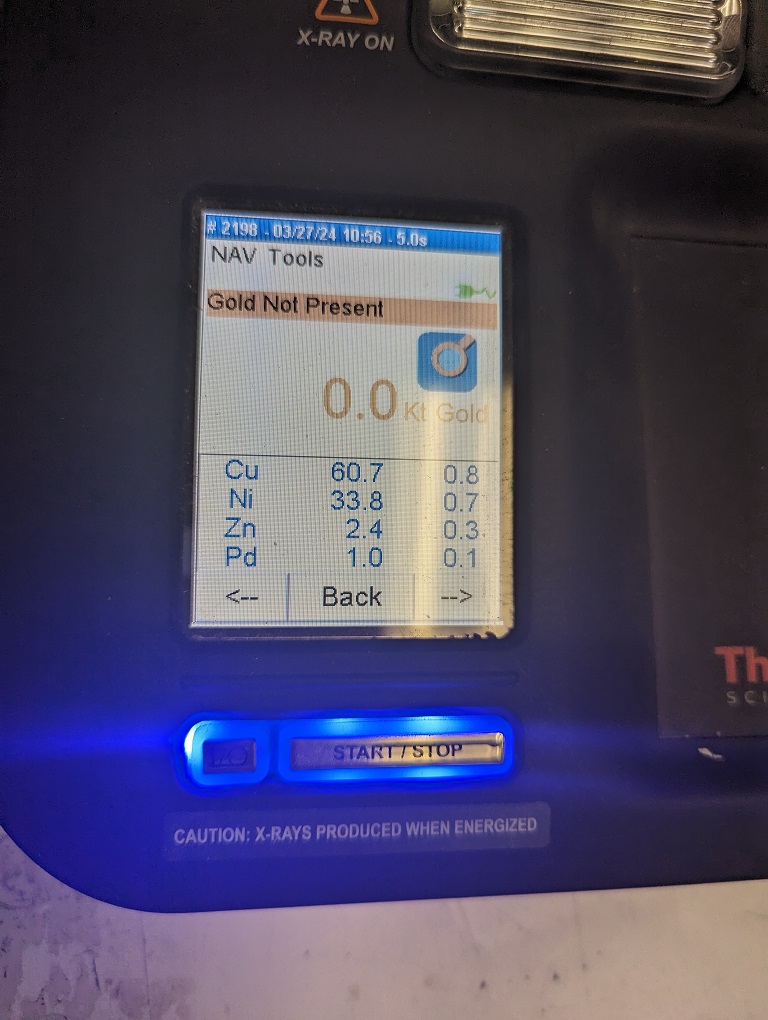
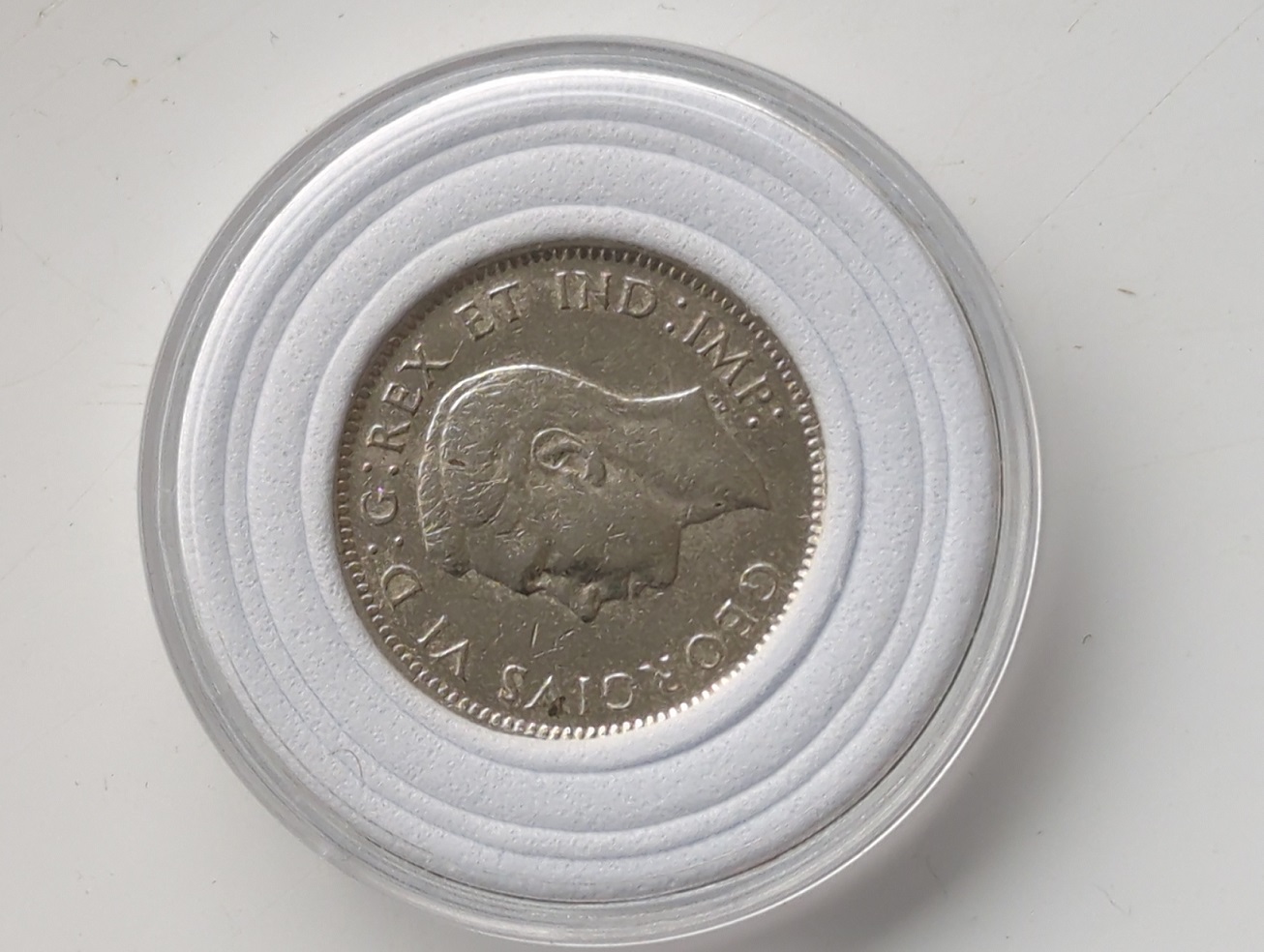
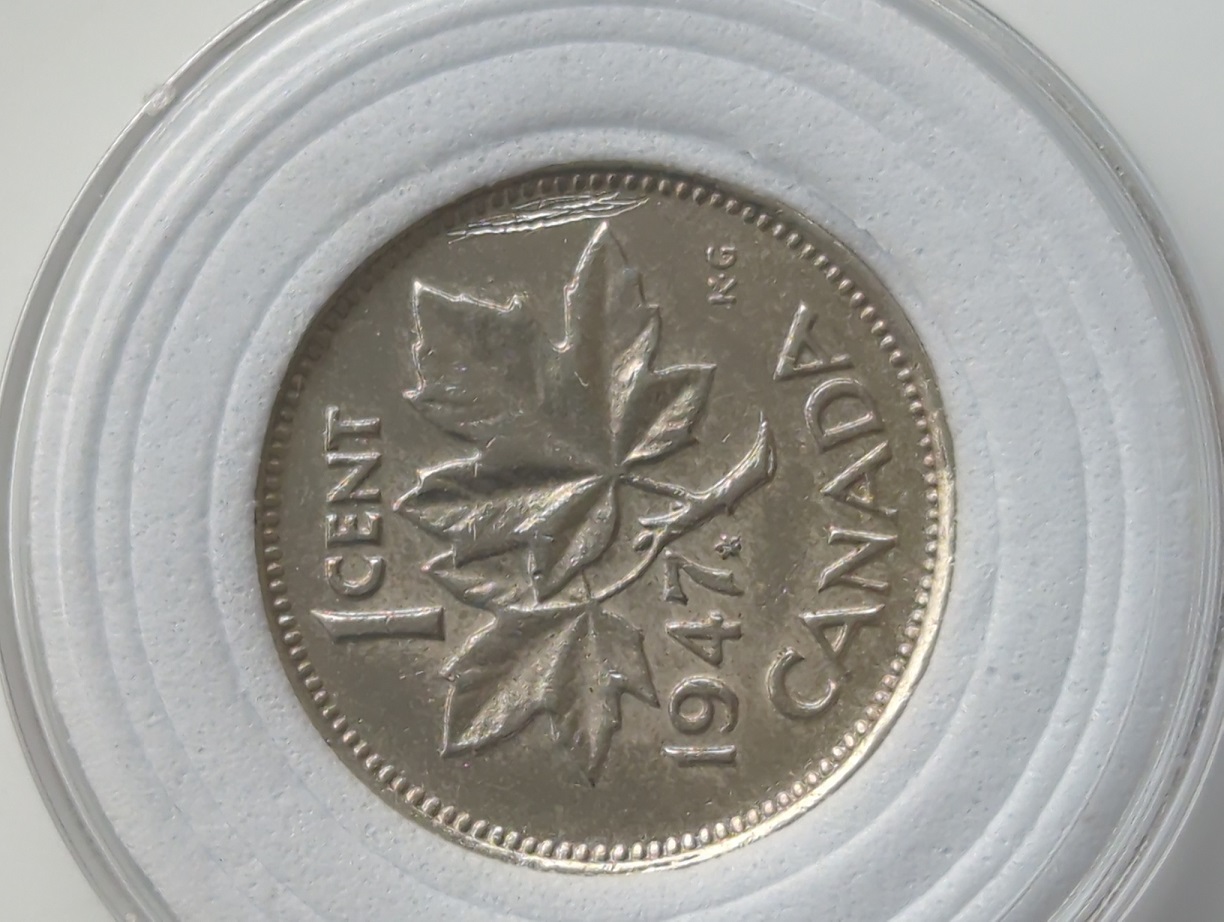
@Lena91 The composition of 1942-1947 Canadian cents : - 98% Copper, 0.5% Tin, 1.5% Zinc (Bronze). So ..... something is wrong.  This composition includes the 1947 Maple Leaf minted in 1948. It is also non-magnetic. edited to add info. Edited by Sharks
03/27/2024 1:20 pm
|
|
Moderator
United States
56855 Posts |
|
|
New Member
 Canada
22 Posts |
It's certainly become quite the mystery! The only other info I've come across is that in the UK 1947 was the year that silver denominations were shifted over to cupronickel, although they don't have planchets of the same size for the most part.
|
|
Pillar of the Community
Canada
5659 Posts |
The XRF's in hock shops and jewelry stroes are calibrated for Au and Ag. Copper and Zinc are alien to their machines. If there are scratches, gouges on your coin, it may throw the XRF for a loup. I wouldn't believe the XRF. You need a more advanced machine to tell you what kind of bronze that you have. We XRF'd about 1000 1859's for the research study that was published in the CN journal and all readings were 99% true and within tolerance. Find a real XRF that not for gold/silver
Edited by okiecoiner
03/27/2024 3:09 pm
|
|
New Member
Canada
22 Posts |
Where would you find one - does ICCS or any other grading platform certify metal types? How would the technology differ between hock shop vs others?
|
|
New Member
Canada
22 Posts |
Cupro makes sense along with the other markers so far - colour, it's just a touch magnetic and not plated, and not silver (assuming the hock shop XRF detects silver well). I look forward to weighing it (just ordered a better scale than my kitchen scale) to see what the differences are between it and other pennies. It also is "aging" the same way cupronickels from the 80s do.
Edited by Lena91
03/27/2024 3:26 pm
|
|
Pillar of the Community
Canada
5659 Posts |
It's going to cost big bucks to have a TPG test it. It's the cost of the machine that makes the difference .... you need a lab or a lab machine. I think that you have a normal 98/5/1.5 coinage bronze cent. Edited by okiecoiner
03/27/2024 3:44 pm
|
|
New Member
Canada
22 Posts |
Could it be grey/silver and magnetic if just copper/tin? I'm not sure that would match up
|
|
Pillar of the Community
Canada
5342 Posts |
What is the weight ? The shop used a hand held Fisher unit I presume and hello !
Edited by john100
03/27/2024 5:13 pm
|
|
New Member
Canada
22 Posts |
I'll weigh it as soon as I get the more accurate scale - when weighed against normal pennies on my kitchen scale it seems a touch heavier but it's accurate to the g so really not helpful. They did not use a handheld XRF; it was a small box looking machine - I think it was the Thermo Scientific, Niton DXL. I made friends with the supervisor and am going to go in tomorrow to test regular pennies/nickels to see if they read correctly as well!
Edited by Lena91
03/27/2024 5:19 pm
|
|
Pillar of the Community
United States
1538 Posts |
Shame it was scratched along the way. That renders it a details coin, unfortunately.
Edited by halfamind
03/27/2024 5:29 pm
|
|
New Member
Canada
22 Posts |
Yea it's unfortunate! I'm really interested in the possible history behind where it could have come from if cupronickel.. It wouldn't be highly graded anyway so I'm not entirely concerned about a grading one way or another - more just the how!
|
|
Bedrock of the Community
United States
79592 Posts |
Very interesting! Errers and Varietys.
|
| |
Replies: 42 / Views: 2,570 |









 Posted 03/27/2024 12:50 pm





