

 Posted 04/28/2024 01:16 am


These coins were once common in coin dealer's "junk boxes" - I don't know if they still are.
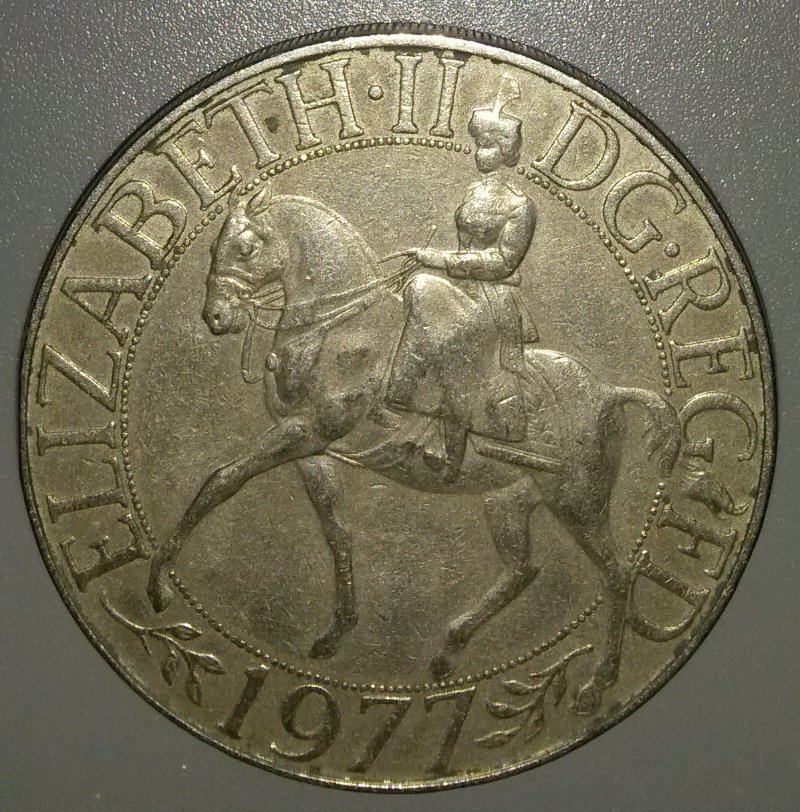
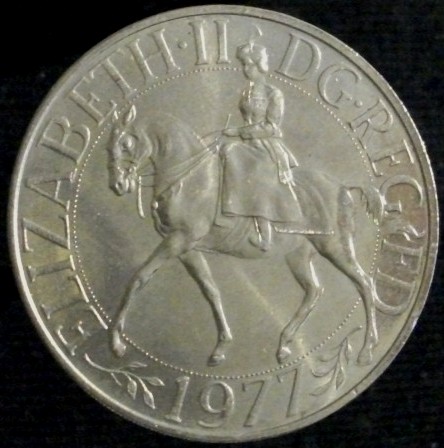
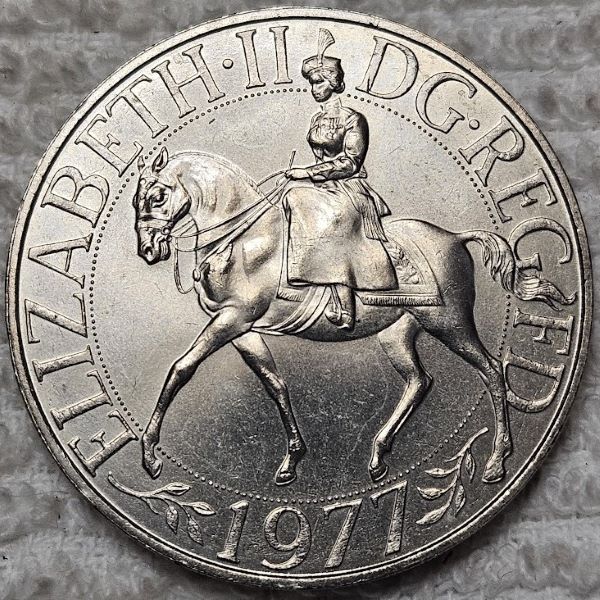
The design is very atypical for a British coin, to the extent that it often isn't regarded as a coin and is tossed in the "foreign medals" bucket.
In case anyone is wondering what the bird thing on the reverse is: this is the Ampulla, the ceremonial container of anointing oil, used in British coronation ceremonies. It's supposed to be an eagle, though doesn't really look like one either on the coin or in person. The spoon underneath the Ampulla it is the Coronation Spoon, used for holding the oil from the Ampulla for the anointing during the ceremony. This spoon is actually the oldest artifact in the British Crown Jewels, being the only piece that survived the English Civil War when England became a republic. The spoon survived because when the crown jewels were sold off and scrapped, someone bought it and kept it to use as a spoon.
The design is very atypical for a British coin, to the extent that it often isn't regarded as a coin and is tossed in the "foreign medals" bucket.
In case anyone is wondering what the bird thing on the reverse is: this is the Ampulla, the ceremonial container of anointing oil, used in British coronation ceremonies. It's supposed to be an eagle, though doesn't really look like one either on the coin or in person. The spoon underneath the Ampulla it is the Coronation Spoon, used for holding the oil from the Ampulla for the anointing during the ceremony. This spoon is actually the oldest artifact in the British Crown Jewels, being the only piece that survived the English Civil War when England became a republic. The spoon survived because when the crown jewels were sold off and scrapped, someone bought it and kept it to use as a spoon.
Don't say "infinitely" when you mean "very"; otherwise, you'll have no word left when you want to talk about something really infinite. - C. S. Lewis


 - The design is very attractive (personally I'd have put '25 pence' in the centre of the reverse instead of the ampulla and spoon), but