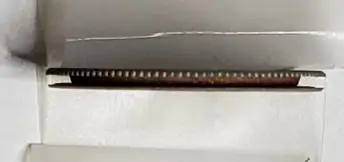
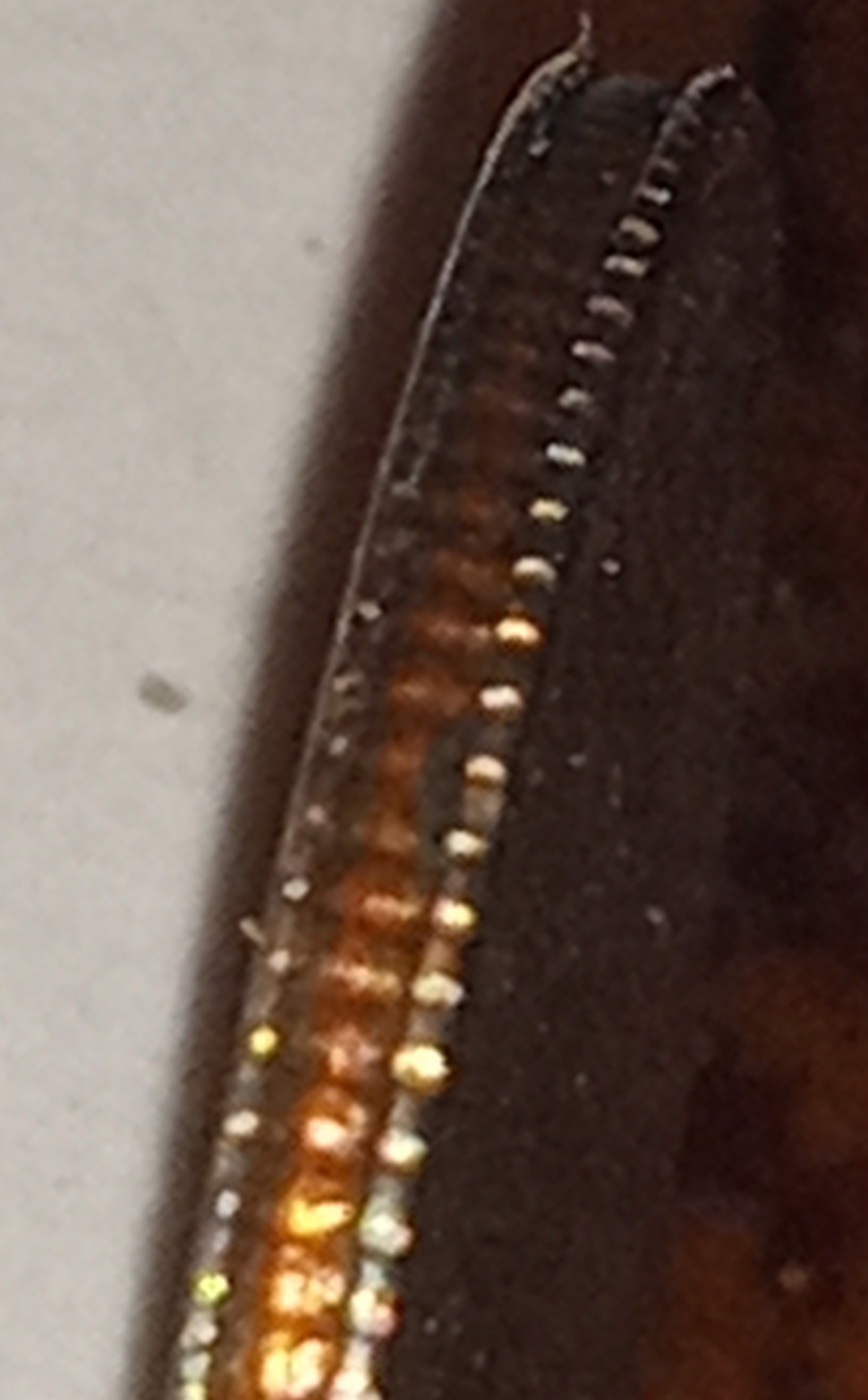
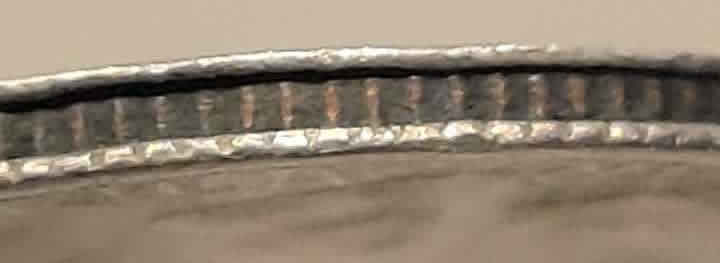
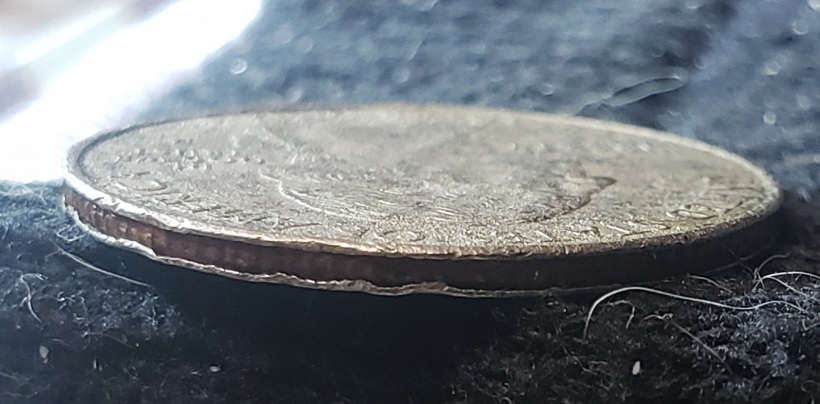
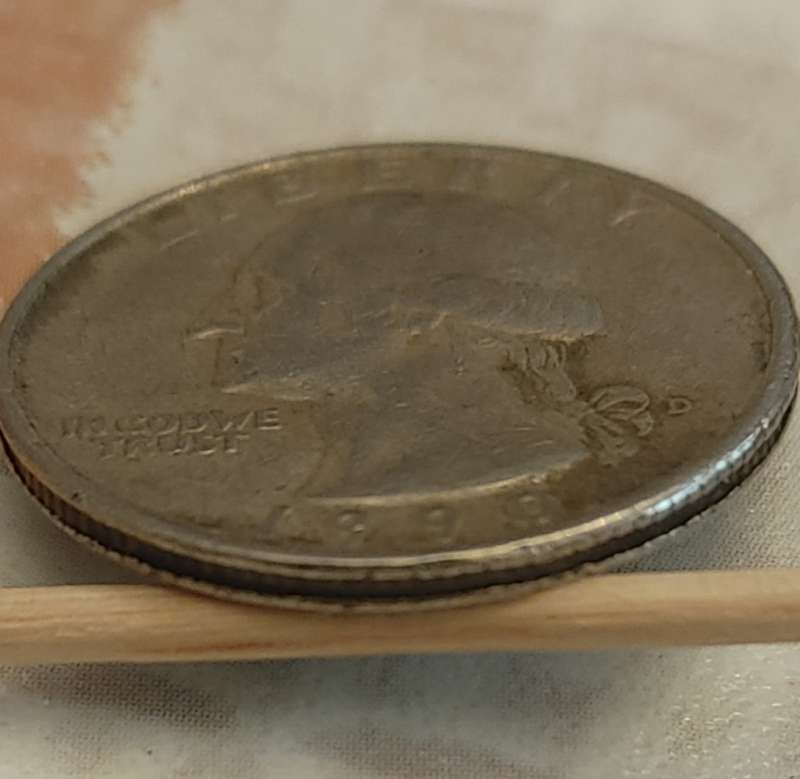
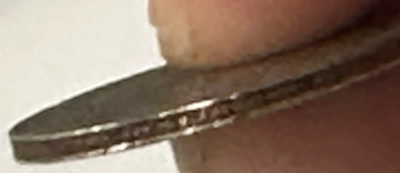
@1369, when clad coins are exposed to a corrosive environment, the copper can be differentially removed. This explains the "sandwich" appearance to the edge as well as the low weight. Unfortunately this counts as damage (not a mint error).
"If you climb a good tree, you get a push." -----Ghanaian proverb
"The danger we all now face is distinguishing between what is authentic and what is performed." -----King Adz
When looking at the reeded edge the edges are crisp, not worn and rounded off and there are 3 distinct layers with the front layer the thinest, it is .009, ten thousandths and back is.018 and the middle copper layer is the thickest @.030
My reply to whom posted the dime, and that stated it was put into hydrochloric acid, Zinc and Nickel are most reactive in the HCI, Copper, a little less reactive, and then there is Silver which has no reaction with HCI, and in the image you can clearly see the middle of coin is most affected, and should not be, UNLESS the outer shell of coin is Silver. The zinc/nickel on a normal dime would be the 1st to dissolve into salts, & hydrogen & chlorine gases. I've read so many times in this forum about acid dip seems like the go-to reason for rough coins, why would anyone put money into acid ! Our currency should not be defaced.
Quote: My reply to whom posted the dime, and that stated it was put into hydrochloric acid, Zinc and Nickel are most reactive in the HCI, Copper, a little less reactive, and then there is Silver which has no reaction with HCI, and in the image you can clearly see the middle of coin is most affected, and should not be, UNLESS the outer shell of coin is Silver. The zinc/nickel on a normal dime would be the 1st to dissolve into salts, & hydrogen & chlorine gases. I've read so many times in this forum about acid dip seems like the go-to reason for rough coins, why would anyone put money into acid ! Our currency should not be defaced.
Sorry, but that's wrong. On all clad coins the copper is the first to go, by far. We've seen it on here literally hundreds of times. It's never been the way you say on a clad coin. Ever. I'm no chemist, but this is what my eyes have seen happen every time in the last 20 years. I even bought a quart of acid and did one myself last year, I'll see if I can find it.
I found these with a forum search in literally less than 60 seconds.
Also, you seemed to have ignored my question above.... Can you explain how this could happen during the minting process?
Disclaimer: While a tremendous amount of effort goes into ensuring the accuracy of the information contained in this site, Coin Community assumes no liability for errors. Copyright 2005 - 2026 Coin Community Family- all rights reserved worldwide. Use of any images or content on this website without prior written permission of Coin Community or the original lender is strictly prohibited. Contact Us | Advertise Here | Privacy Policy / Terms of Use







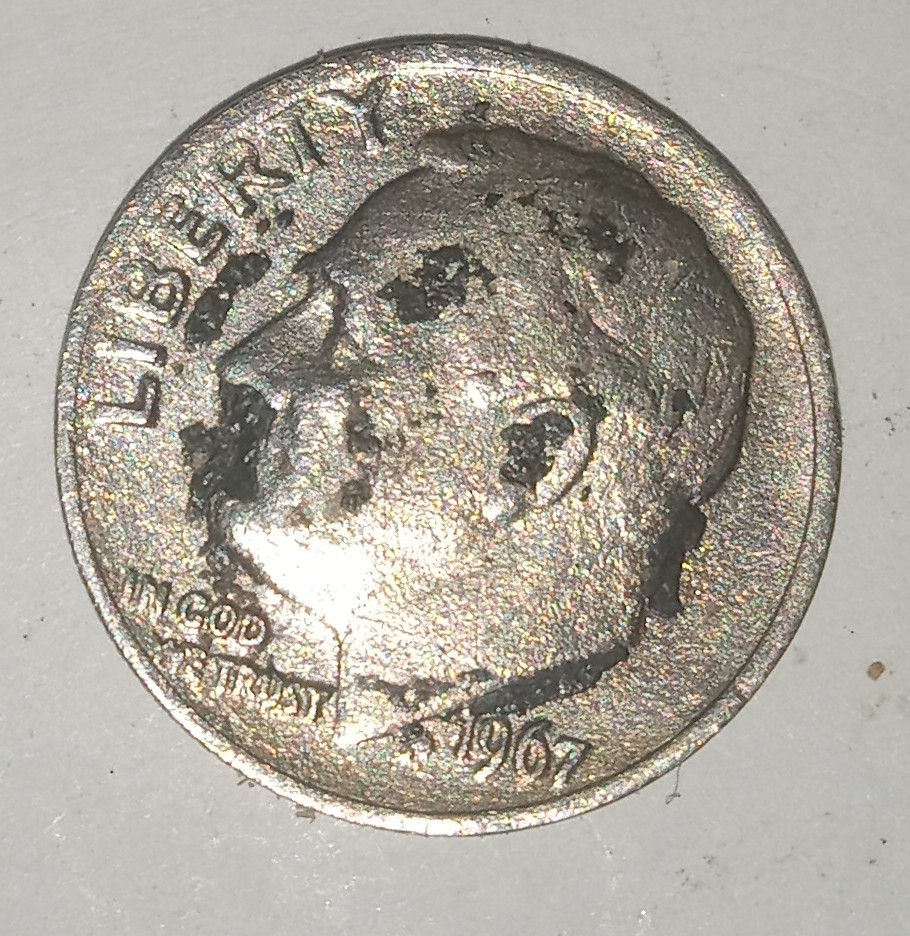
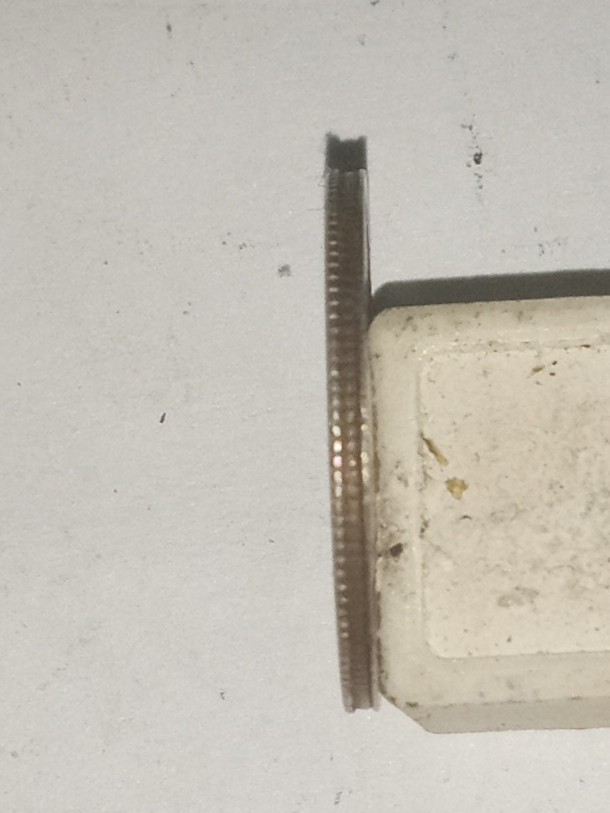
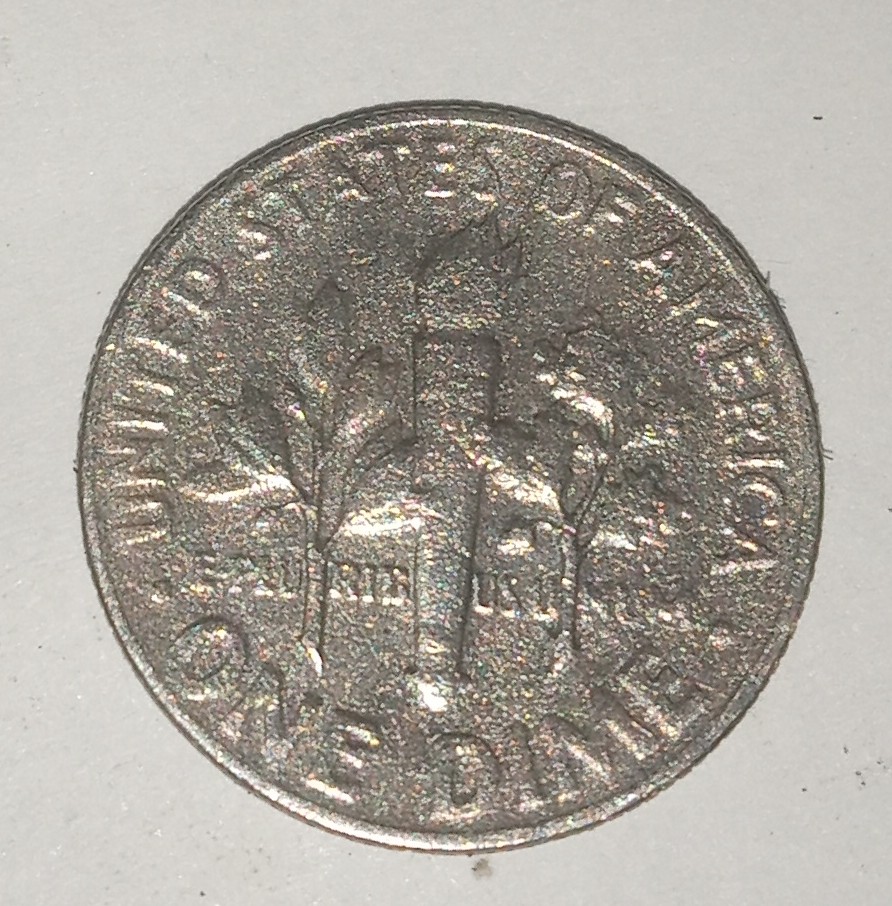 what is up with this dime?


 Posted 06/20/2024 09:54 am




 this would be an acid dipped coin.


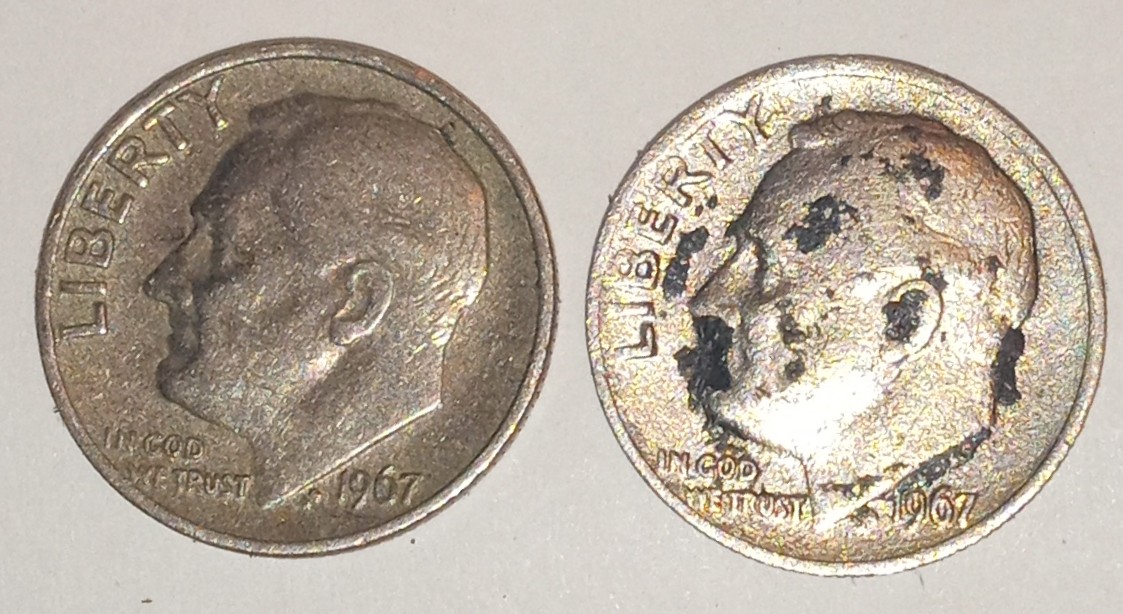 this pic is of two 1967 dimes side by side, is it possible since it is a bit shinier, that the 2 gram dime's outer layers might be silver?