| Author |
 Replies: 11 / Views: 972 Replies: 11 / Views: 972 |
|
|
Valued Member
United States
451 Posts |
Edited by Frank Baumann
09/06/2024 09:50 am
|
|
|
|
Pillar of the Community
United States
586 Posts |
|
|
Bedrock of the Community
United States
78500 Posts |
|
|
Moderator
 United States
194970 Posts |
I have to agree as well.  |
|
Pillar of the Community
United States
3535 Posts |
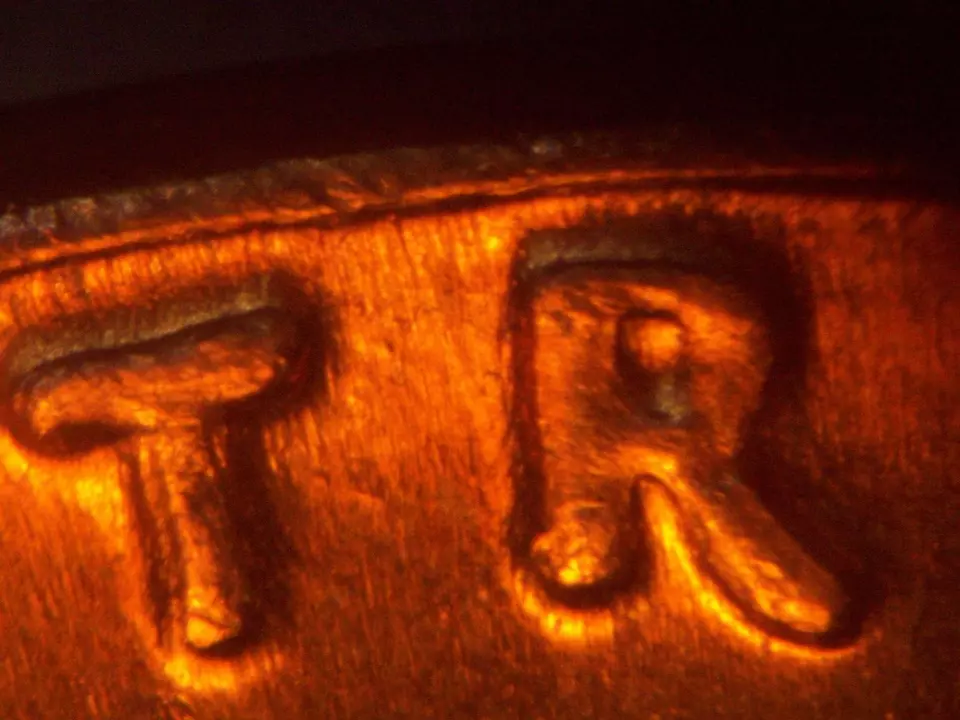
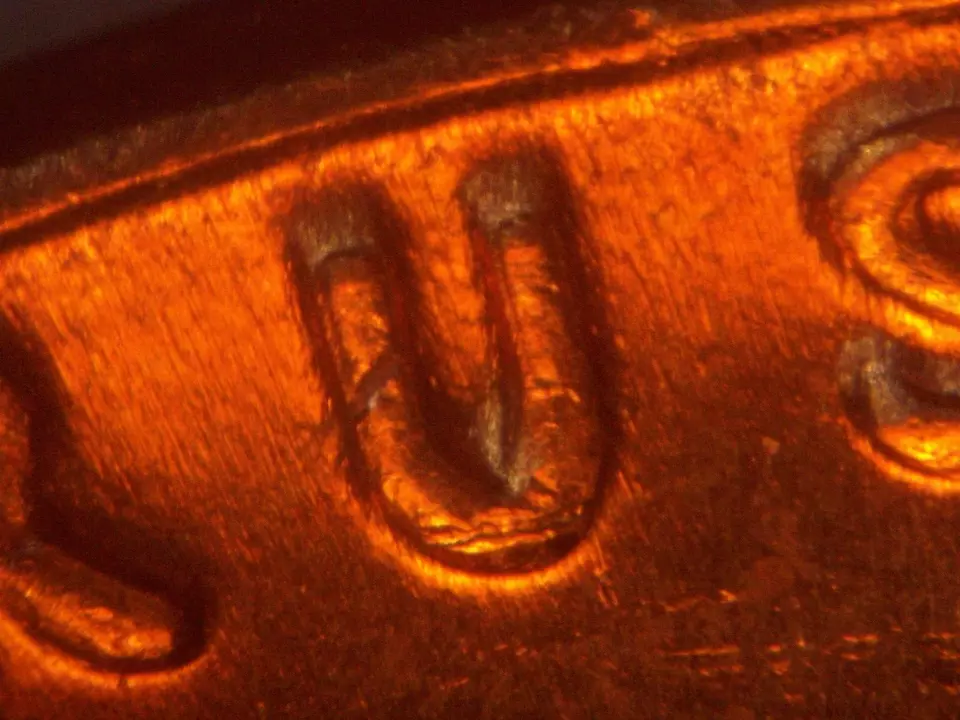
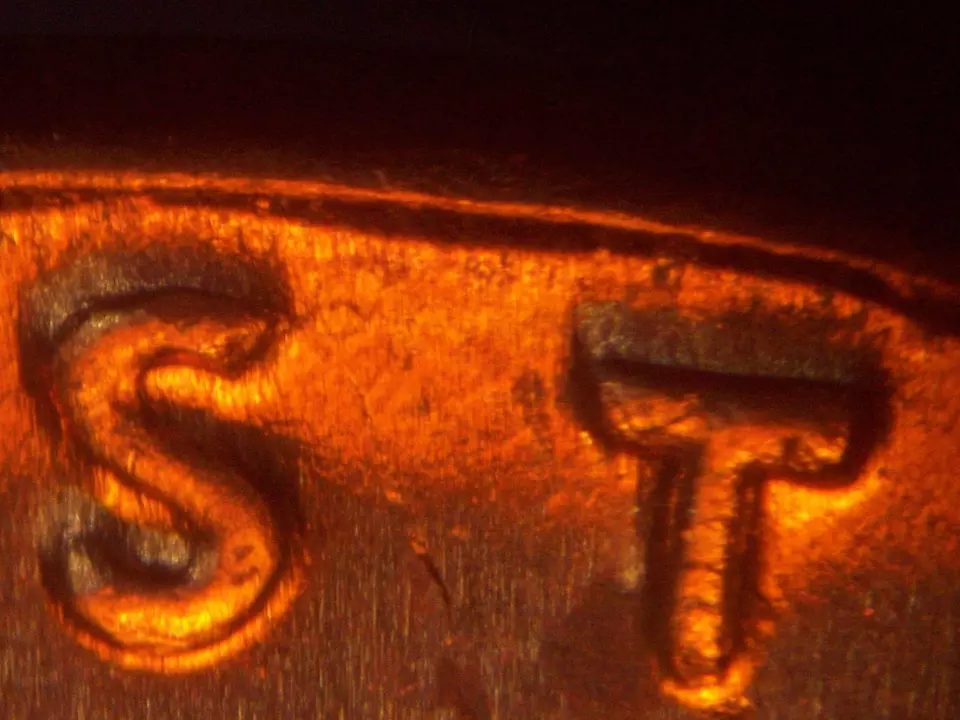
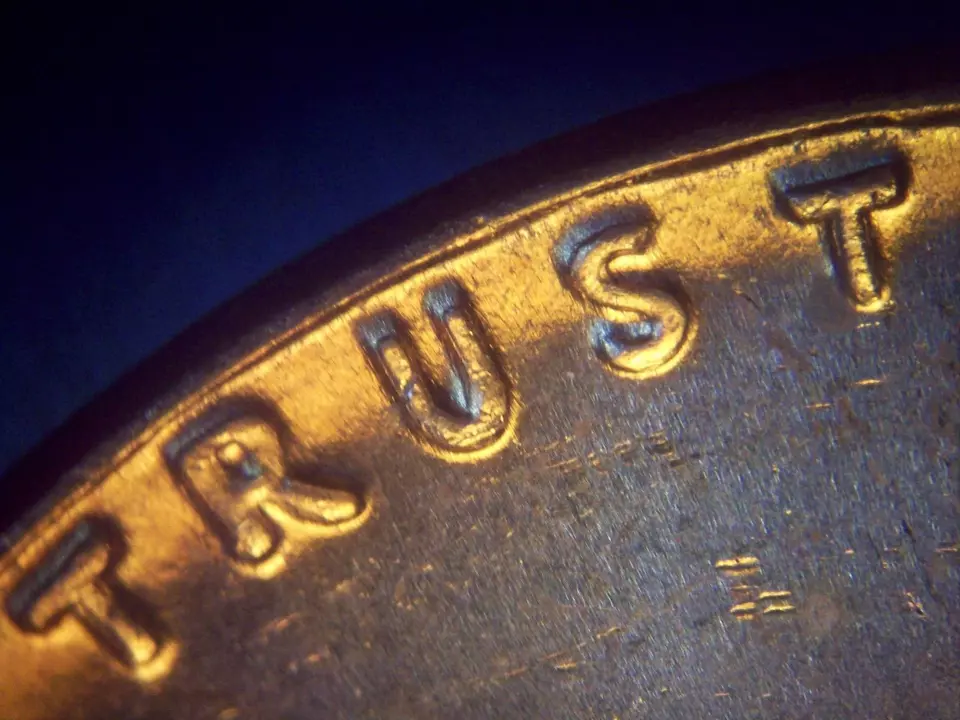
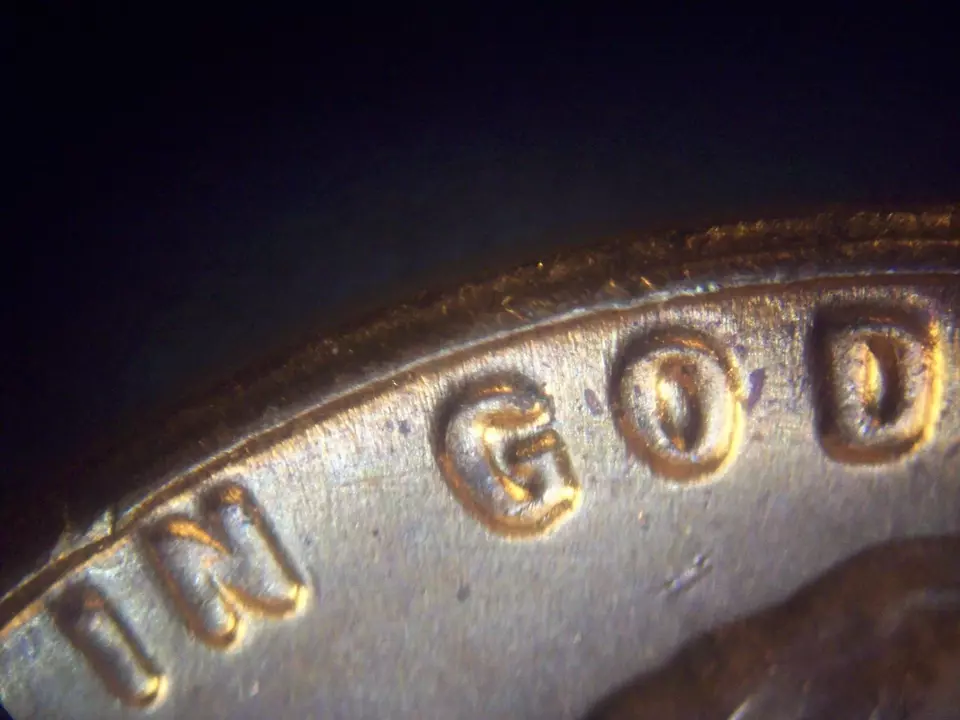
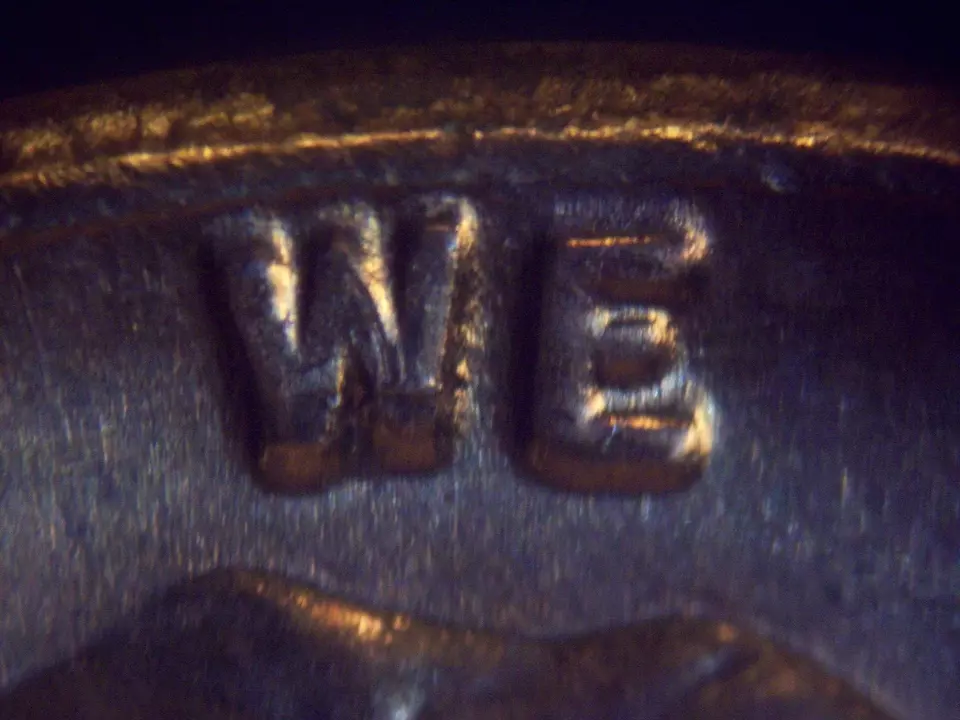
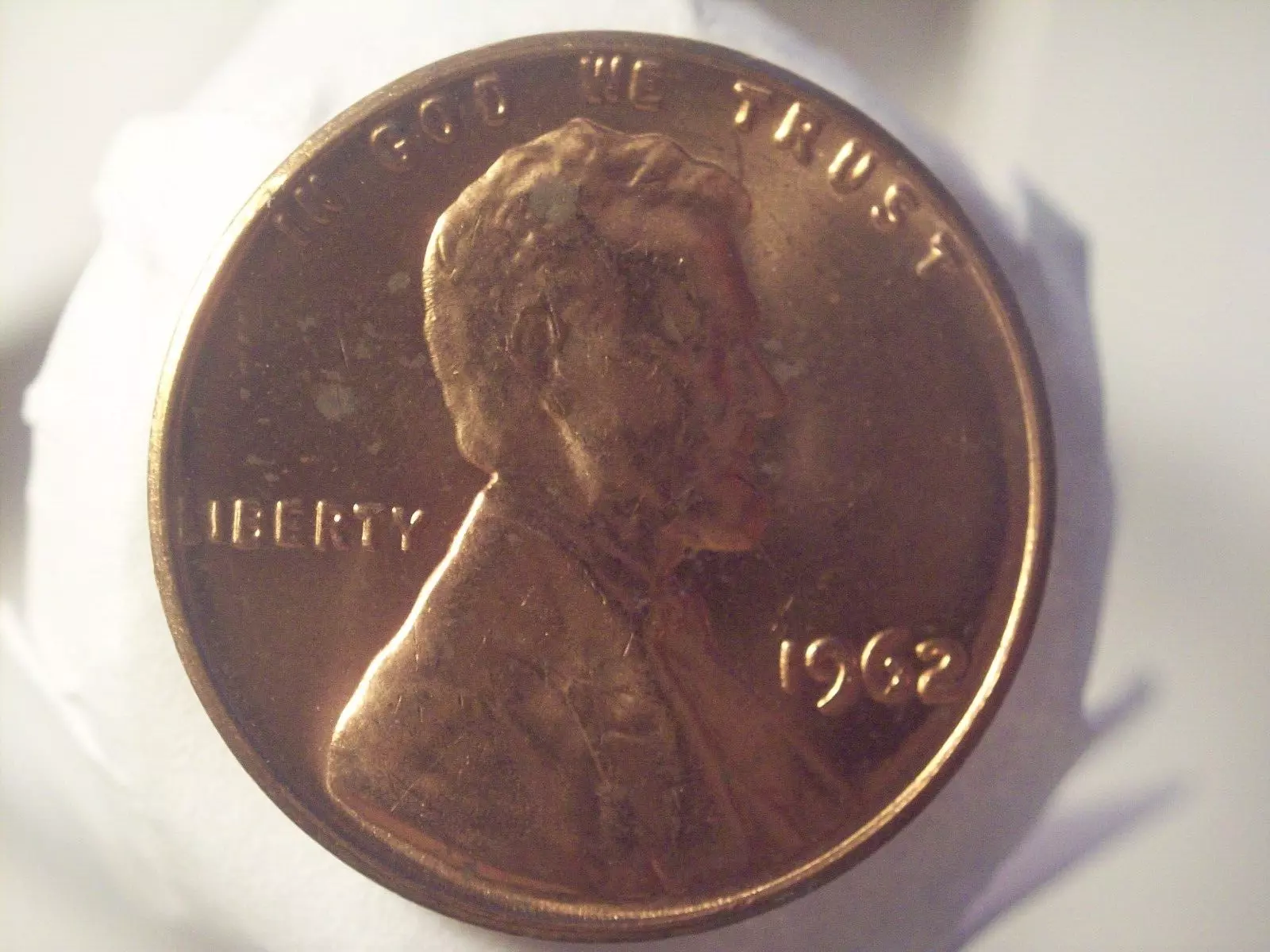
I am seeing doubling on both sides of the U & T of TRUST. This could be a clear indication of DDD. |
|
Pillar of the Community
 United States
8967 Posts |
I agree with the above statements.
-makecents-
|
|
Valued Member
 United States
451 Posts |
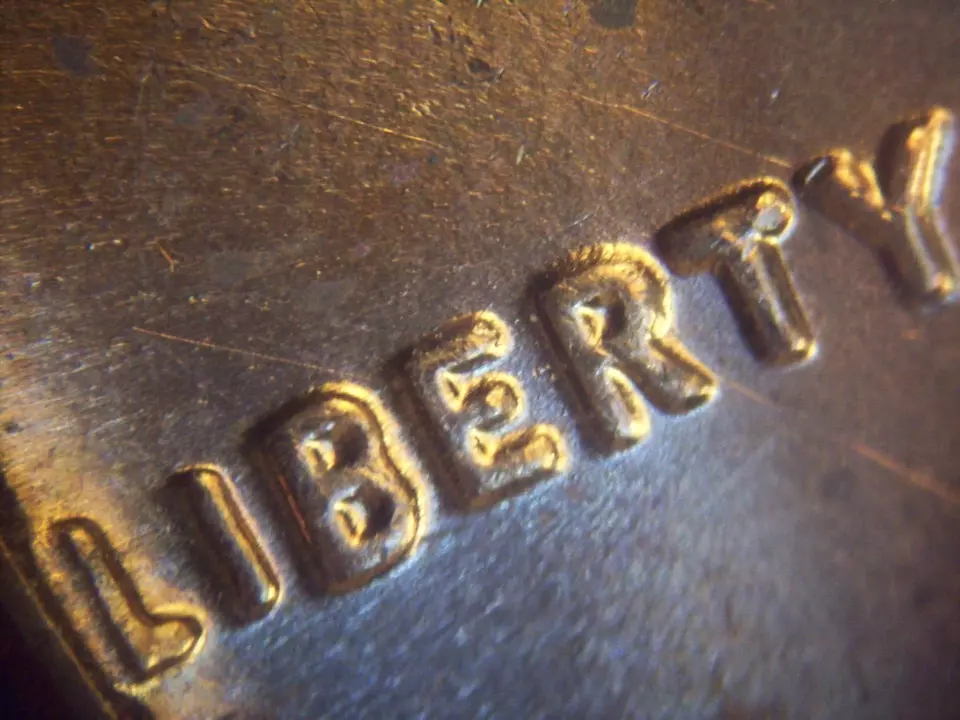
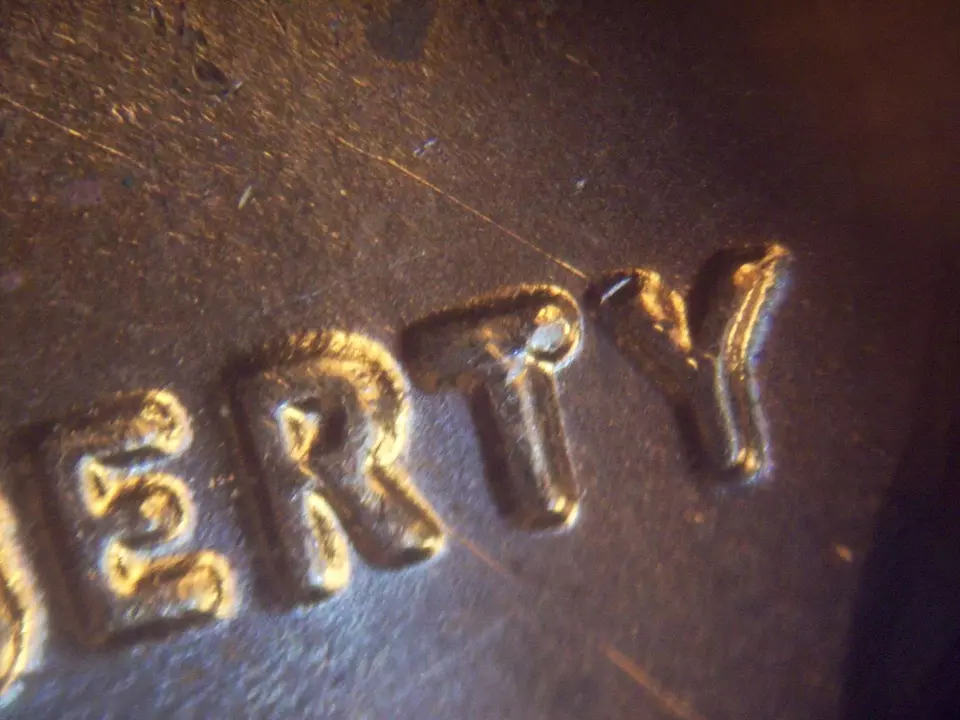
Hi, yes I motioned that but look at the extra thicknes on LIBERTY especially ( RTY ) etc.. Thanks, Frank B.
|
|
Pillar of the Community
United States
8967 Posts |
Quote:
Hi, yes I motioned that but look at the extra thicknes on LIBERTY especially ( RTY ) etc.. Thanks, Frank B. I think it's all due to deterioration. -makecents-
|
|
Valued Member
United States
451 Posts |
Hi, you may be right. The coin dose exhibit Die Deterioration. Here is some comparison pix of LIBERTY from a 1962 BU. Thanks, Frank B. 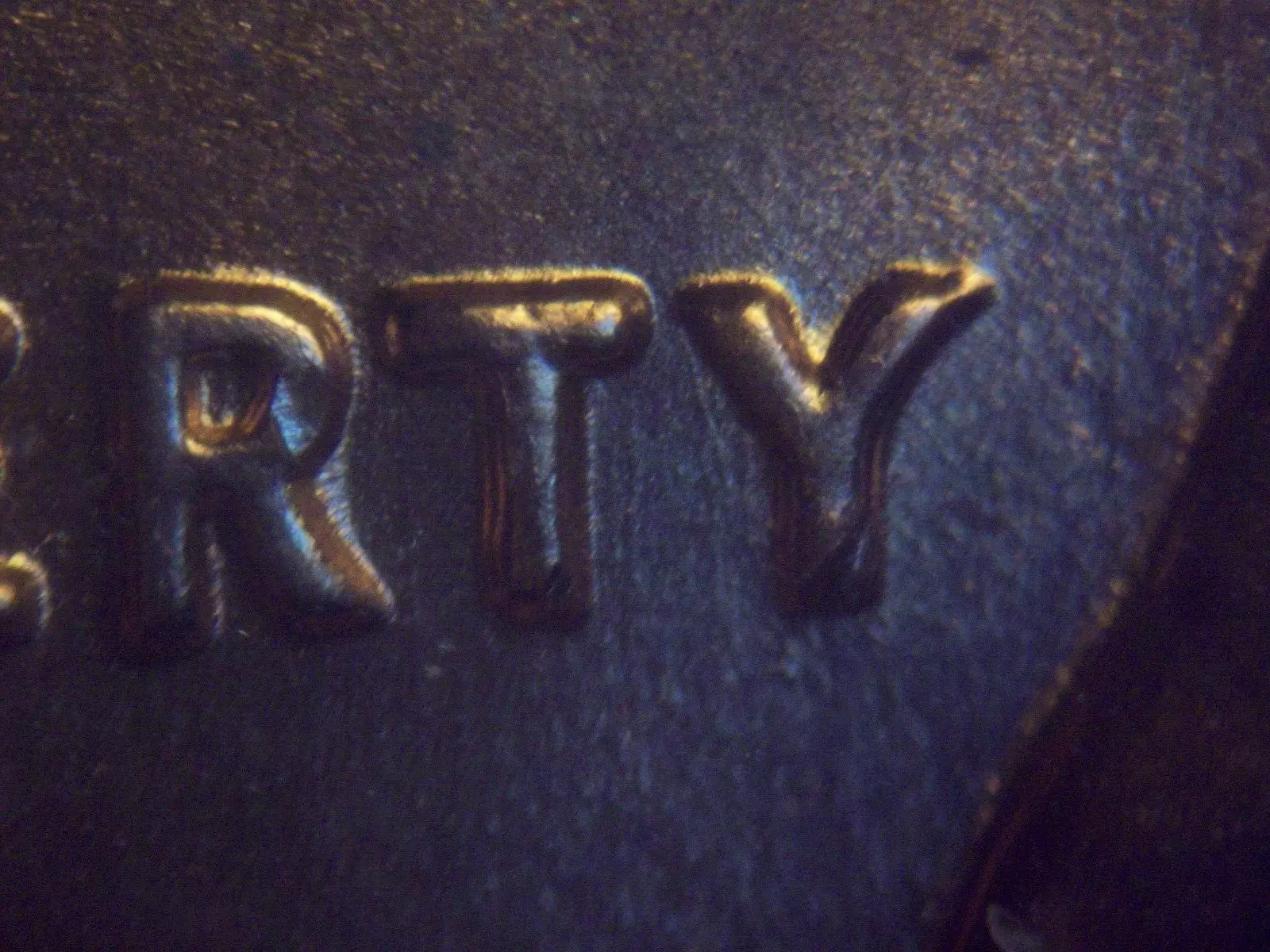 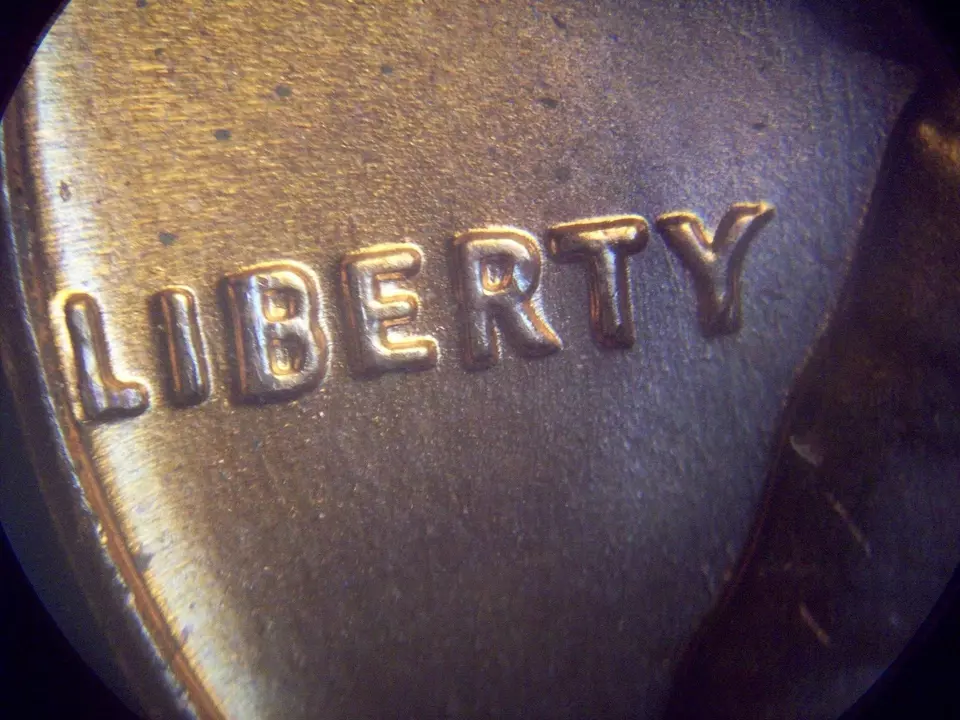 |
|
Bedrock of the Community
United States
94367 Posts |
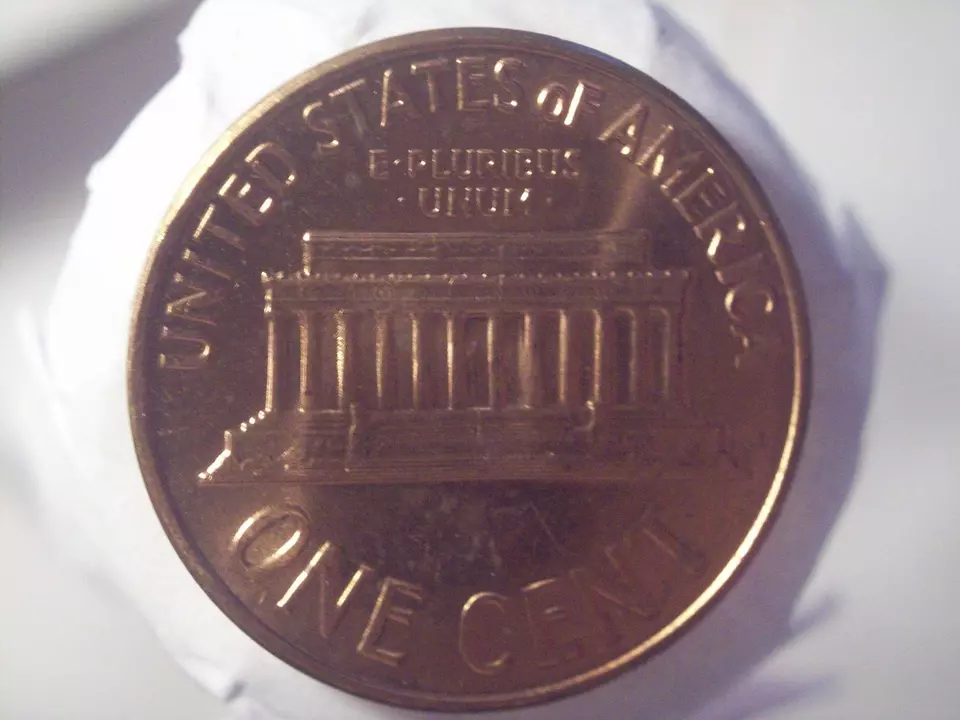
Lighting angles make it difficult to evaluate this coin.
|
|
Bedrock of the Community
United States
10601 Posts |
When the dies start to wear out from the constant pressure of the planchet metal flowing into and over the devices they tend to get thicker,
|
|
Moderator
United States
105836 Posts |
On image 1 and 3, I can see the 'apparent' doubling on both sides on the T and some other letters, On a doubled die, this won't happen Looks like DDD and maybe MD combined. |
| |
Replies: 11 / Views: 972 |
|












 Posted 09/06/2024 12:42 pm


