











 Posted 05/08/2009 6:31 pm


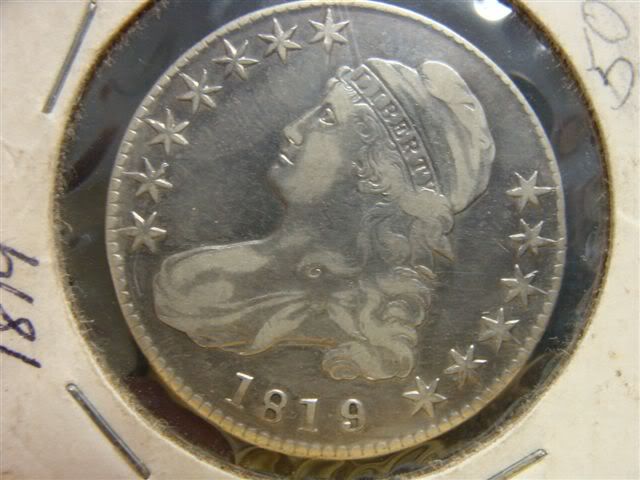
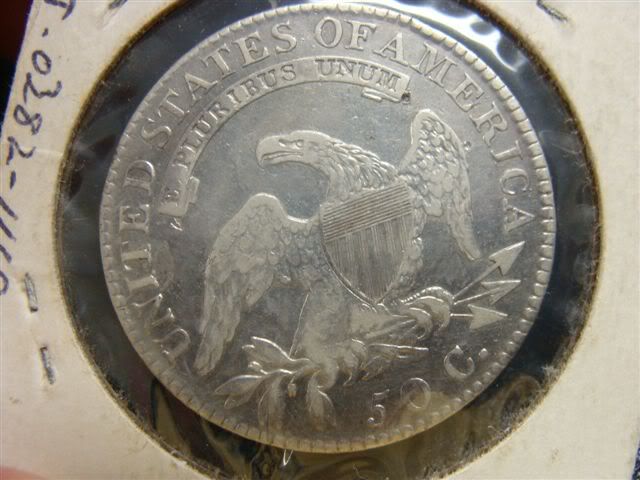
1819: Sure looks like the 1819/8 overdate, O-102. Look for the tail and the loop of the 9 to be "joined" by the remnants of the 8. Also, the 3 "T's" on the reverse will have their lower right serifs "broken" - look for a notch where the serif meets the upstroke. R-2.
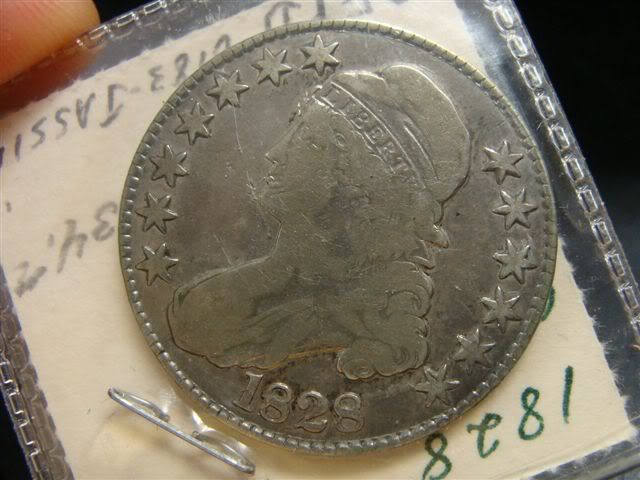
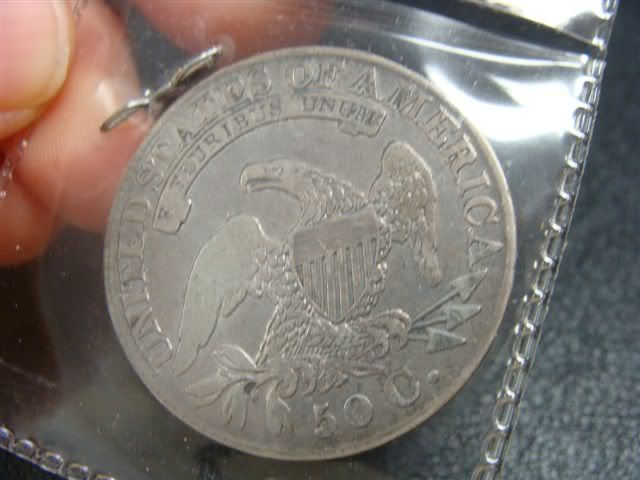
1828: 2 Curled Base and Knobbed. Could only be O-106 or O-107, and virtually impossible to tell apart without very close examination. The best way is to note the distance between the serif of the 1 and the drapery; my impression is that this coin is O-107, the more common of the two.
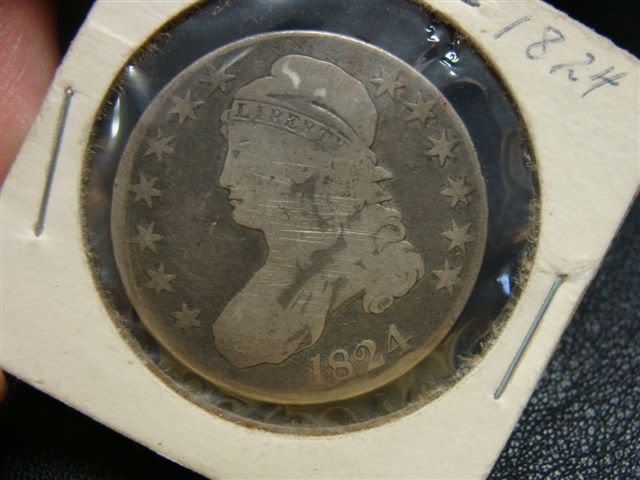
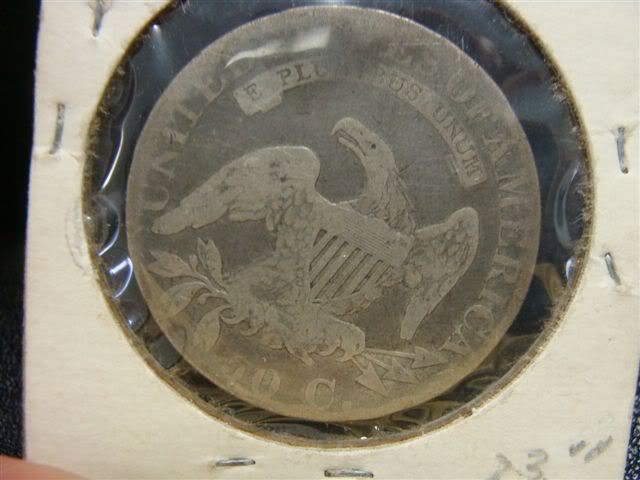
1824: Not enough data to attribute.
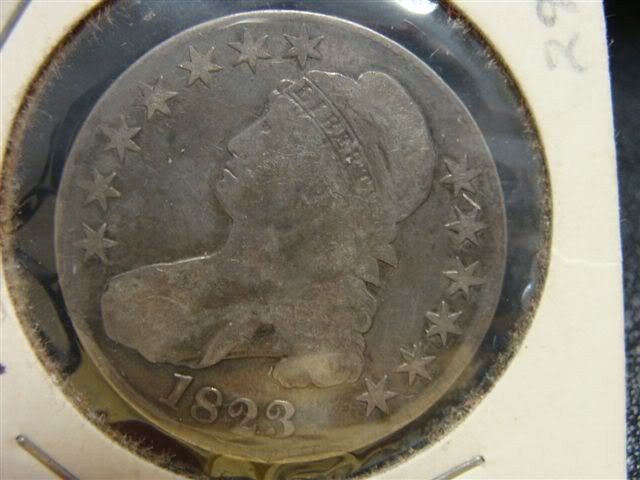
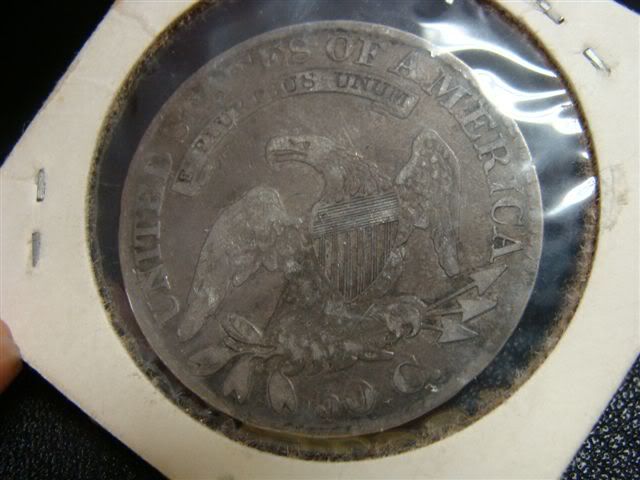
1823: O-105, I think.
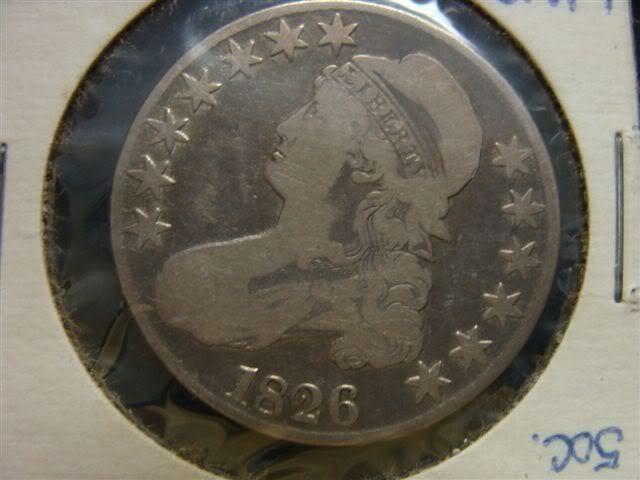
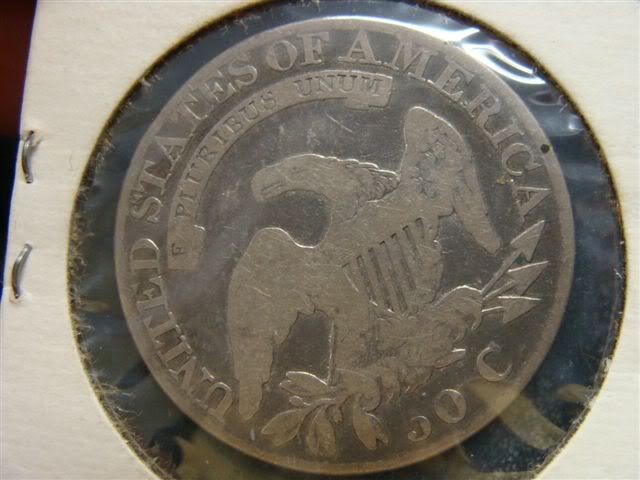
1826: O-106 (again, "I think"); look for a die crack through "TES OF" to determine whether it's O-106 or O-106a. 106a has the crack.
1828: 2 Curled Base and Knobbed. Could only be O-106 or O-107, and virtually impossible to tell apart without very close examination. The best way is to note the distance between the serif of the 1 and the drapery; my impression is that this coin is O-107, the more common of the two.
1824: Not enough data to attribute.
1823: O-105, I think.
1826: O-106 (again, "I think"); look for a die crack through "TES OF" to determine whether it's O-106 or O-106a. 106a has the crack.


