| Author |
 Replies: 23 / Views: 2,291 Replies: 23 / Views: 2,291 |
|
|
|
Bedrock of the Community
 United States
11990 Posts |
Thanks, that's a beauty. It looks like it was a trial not only for the L on ribbon but also for the forthcoming bronze composition cents the following year.
Are you arguing that this wasn't a pattern trial piece for the upcoming bronze cents transitioning from the copper nickel composition, but a novodel that was struck in the late 1860's? That would be a little odd as a trial pattern for the new bronze cents seems to make more sense.
IN NECESSARIIS UNITAS - IN DUBIIS LIBERTAS - IN OMNIBUS CARITAS THE MAN IN THE ARENA, Theodore Roosevelt at the Sorbonne Paris on April 23, 1910: " It is not the critic who counts; not the man who points out how the strong man stumbles or where the doer of deeds could have done better. The credit belongs to the man who is actually in the arena, whose face is marred by dust and sweat and blood, who strives valiantly, who errs and comes up short again and again, because there is no effort without error or shortcoming, but who knows the great enthusiasms, the great devotions, who spends himself in a worthy cause; who, at the best, knows, in the end, the triumph of high achievement, and who, at the worst, if he fails, at least he fails while daring greatly, so that his place shall never be with those cold and timid souls who knew neither victory nor defeat." My coin website: https://fairfaxcoins.com |
|
Pillar of the Community
United States
1028 Posts |
That is completely correct NS. The die trial that tested the bronze composition is the Judd-299 and it is the "without L" variant. Since the design changed mid year (twice) in 1864, there was no pattern struck with the L. Here is my example of the J-299 Die trial (PF65BN). 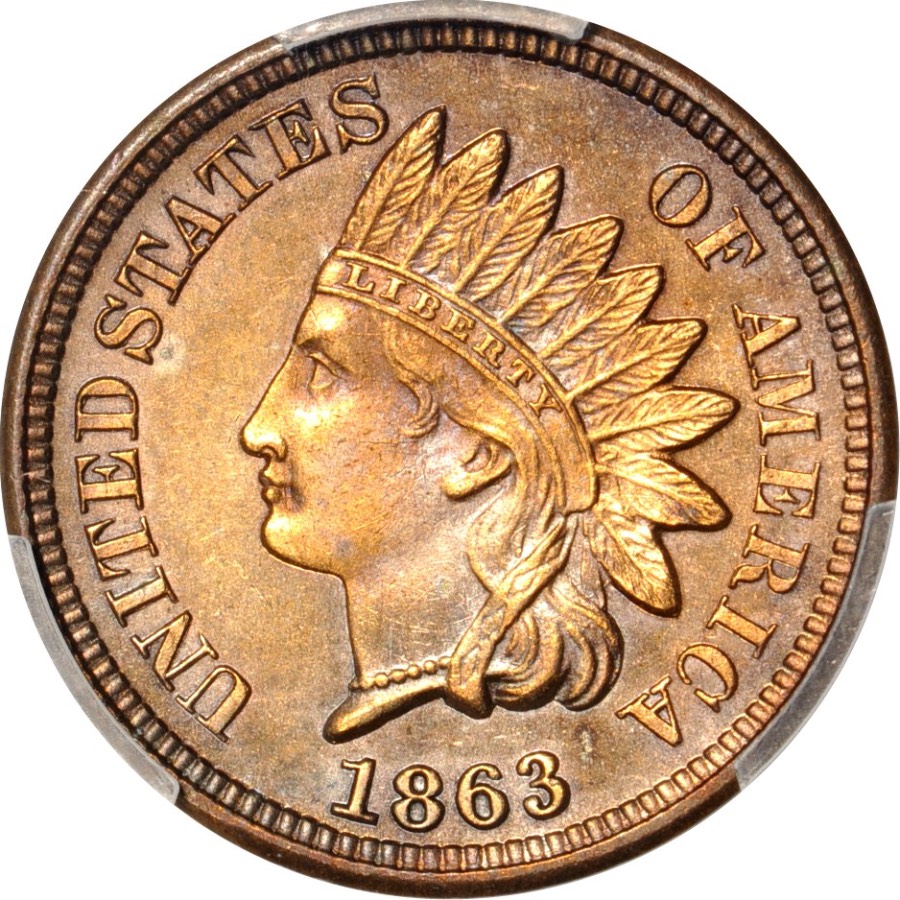 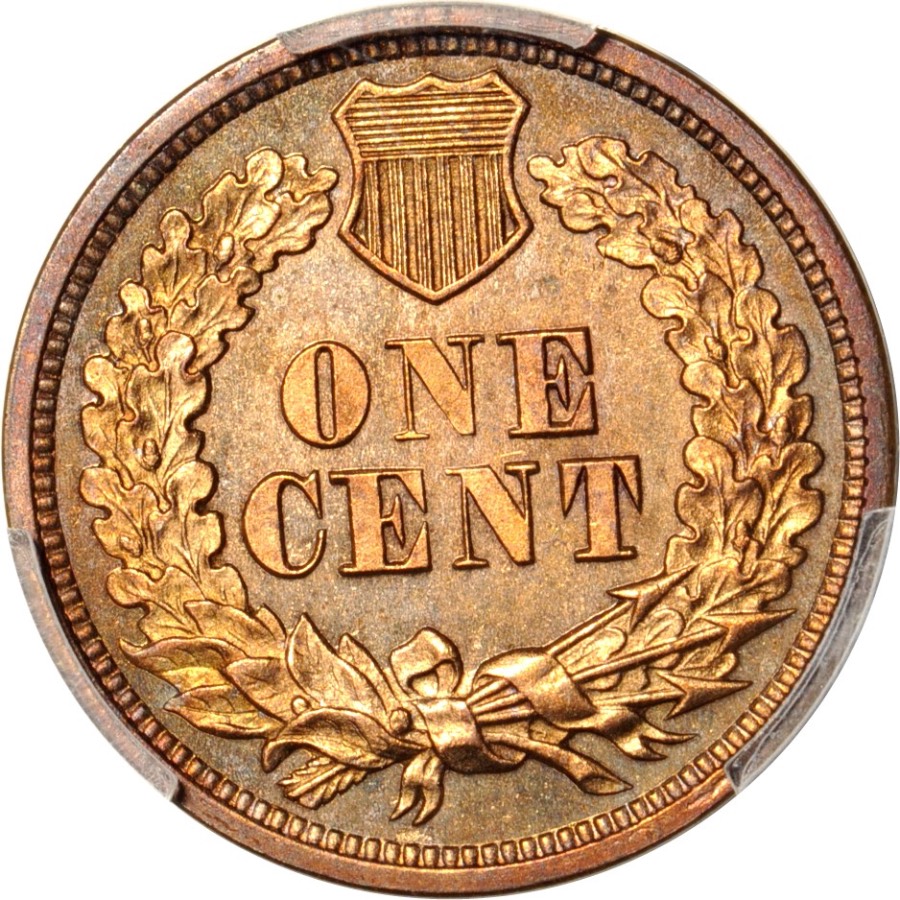 The reverse die can be traced to the same dies that struck the proof Indian Head cents from 1868 to 1870. This coincides with Henry Linderman's tenure as the Mint Director. He was an avid coin collector himself, and upon passing, his coin collection went up for sale. His collection sale was stopped by the government as it included many unauthorized restrikes, many off-metal. A working theory is that all Class III 1804 dollars came under his watch during this same era. He was only mint director for about 2 years. |
|
Moderator
 United States
197031 Posts |
|
|
Pillar of the Community
United States
1028 Posts |
|
|
Moderator
United States
197031 Posts |
Thank you for the link.  |
|
Bedrock of the Community
United States
11990 Posts |
A big thanks to @RedRaider for educating us on this corner of numismatic history. I hope that you are able to lobby successfully to change the designation from Judd listed pattern to Mint engraved rogue Linderman novodel. If successful, it may enhance the value. Unfortunate that the patterns haven't taken off. Or maybe fortunate as they remain relatively affordable.
IN NECESSARIIS UNITAS - IN DUBIIS LIBERTAS - IN OMNIBUS CARITAS THE MAN IN THE ARENA, Theodore Roosevelt at the Sorbonne Paris on April 23, 1910: " It is not the critic who counts; not the man who points out how the strong man stumbles or where the doer of deeds could have done better. The credit belongs to the man who is actually in the arena, whose face is marred by dust and sweat and blood, who strives valiantly, who errs and comes up short again and again, because there is no effort without error or shortcoming, but who knows the great enthusiasms, the great devotions, who spends himself in a worthy cause; who, at the best, knows, in the end, the triumph of high achievement, and who, at the worst, if he fails, at least he fails while daring greatly, so that his place shall never be with those cold and timid souls who knew neither victory nor defeat." My coin website: https://fairfaxcoins.com |
|
Pillar of the Community
United States
2854 Posts |
Quote:
The 1801-1803 proofs are novodels, or made from copied dies made by the Mint later than the date on the coin. These are all thought to have been struck later. These aren't restrikes, as original dies were not used. Fresh dies were created for these strikings. It does make you wonder why the Mint created these wonderful dies to strike only 6-10 coins of each date. Very interesting, thanks for sharing! The Mint made a lot of interesting and questionable decisions in the 19th century when it came to recreating historic coins. Some of those decisions were altruistic, so that they could trade with collectors to make acquisitions for the Mint's cabinet. Others, not so much. I wonder where these proof dollars fall, but we'll probably never know. |
|
Pillar of the Community
United States
1613 Posts |
Anyone want to wager on who's collection that is certain to enter? Don't think he has one....yet.
ANA member - PAN Member - BCCS Member There are no problems only solutions - the late, great John Lennon
|
| |
Replies: 23 / Views: 2,291 |





 First Page


 Posted 10/11/2024 4:14 pm


