| Author |
 Replies: 12 / Views: 1,114 Replies: 12 / Views: 1,114 |
|
|
Valued Member
United States
52 Posts |
|
|
|
|
Bedrock of the Community
United States
76033 Posts |
|
|
Valued Member
 United States
52 Posts |
Thank you for the explanation. I read a few articles about that and was not sure. How about DD?
|
|
Bedrock of the Community
 United States
10601 Posts |
Don't know if a Misaligned die (MAD) or slightly tilted die strike.
|
|
Valued Member
United States
52 Posts |
The link provided by above was very helpful.
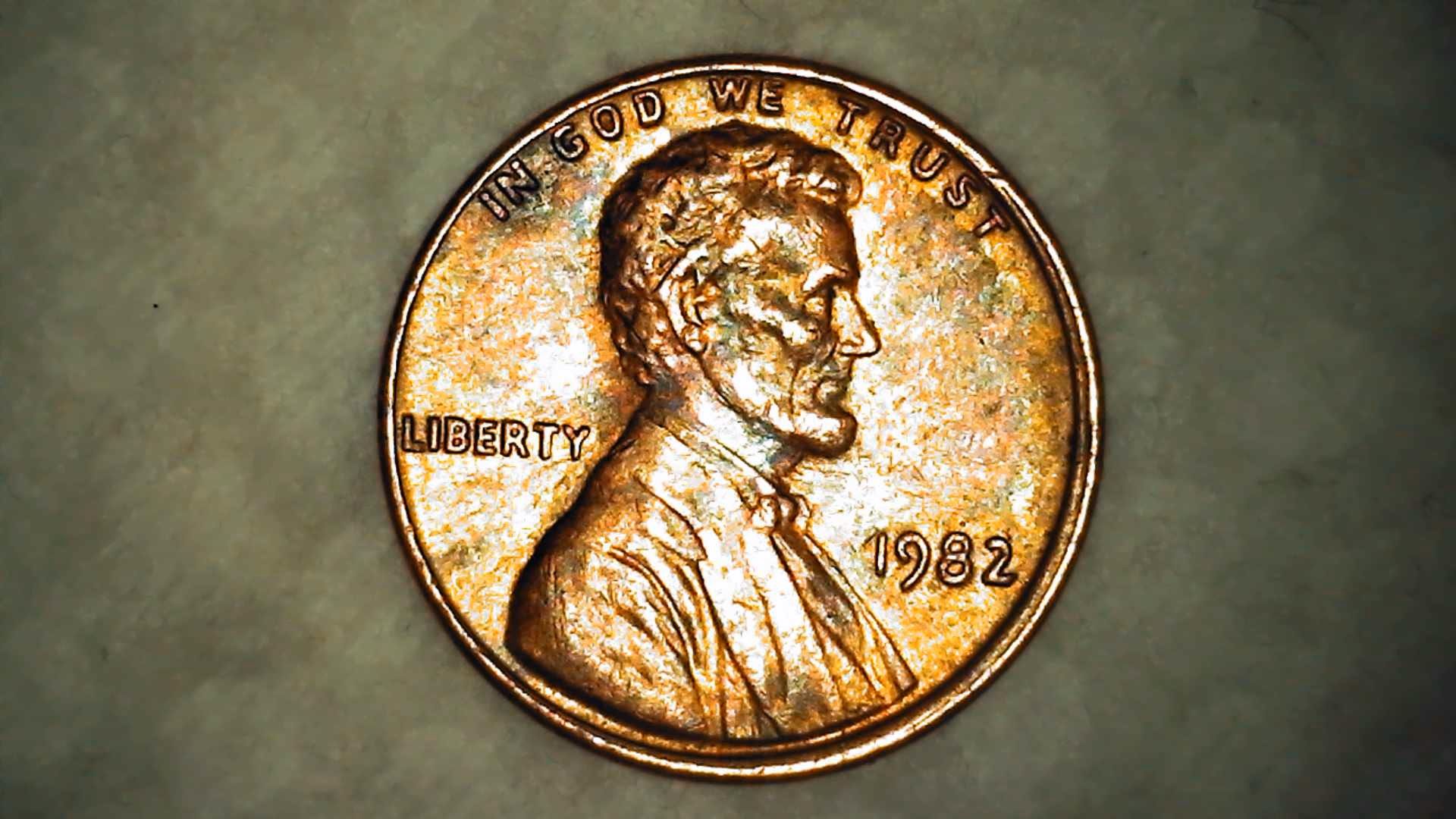
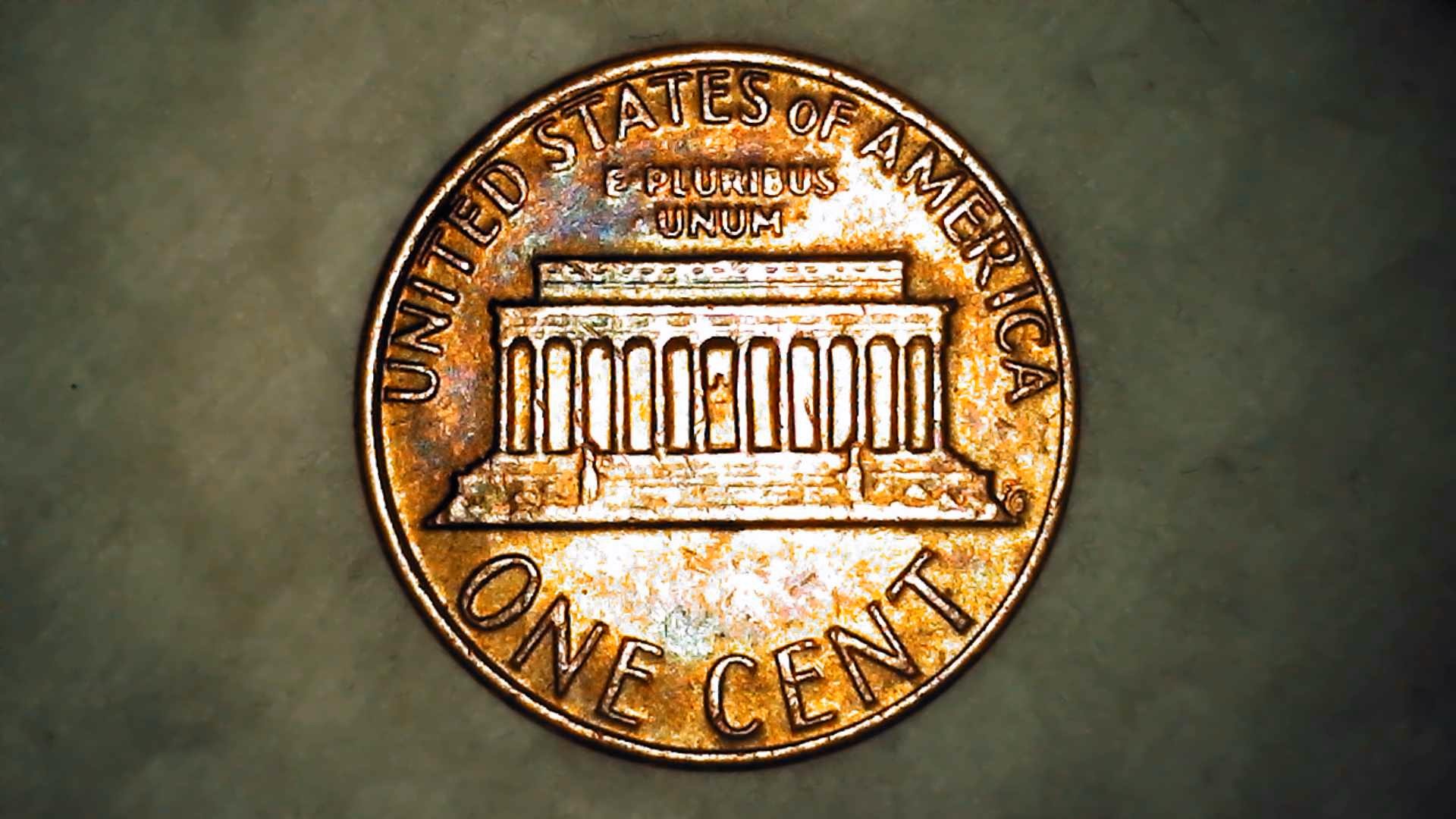
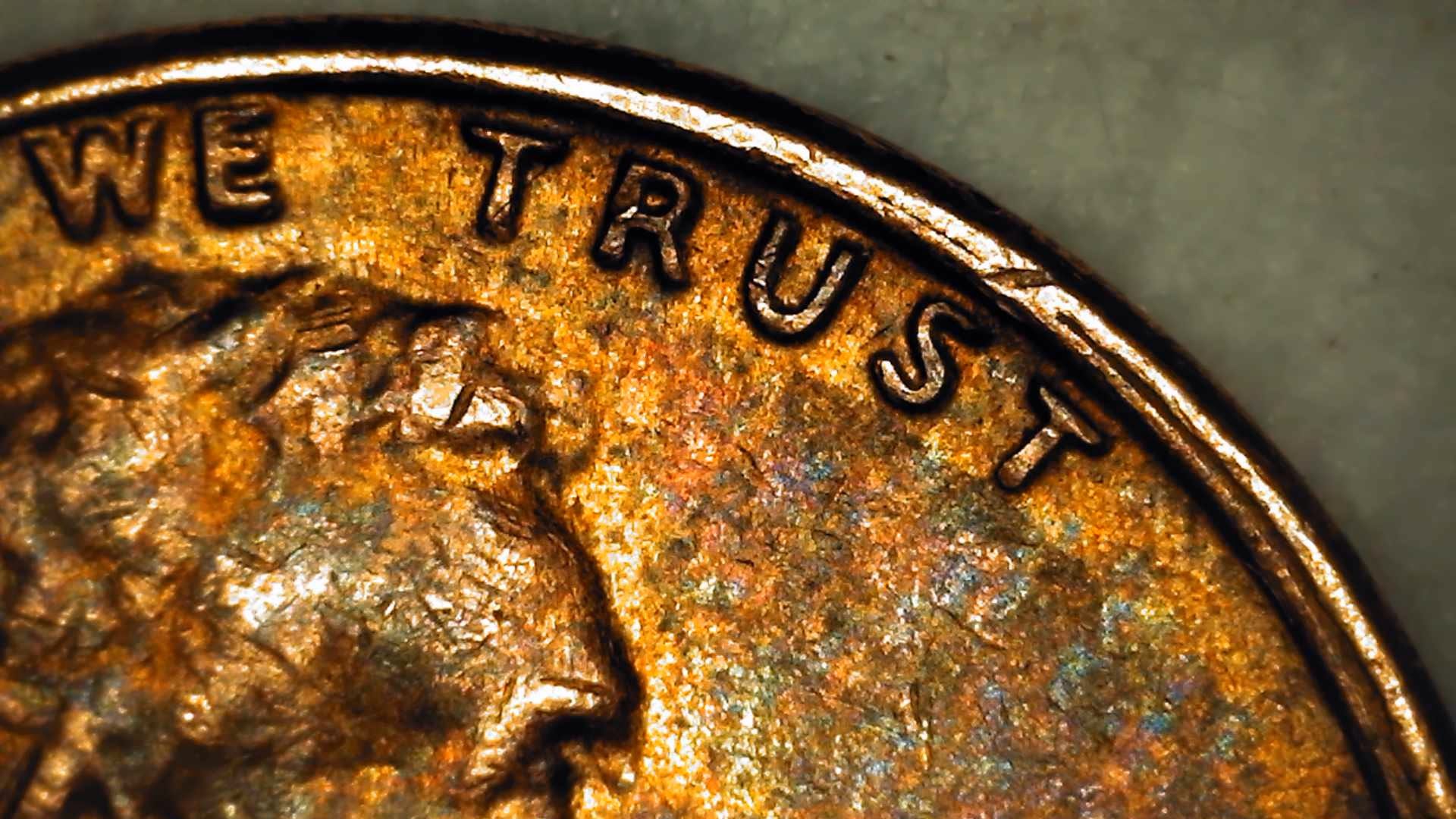
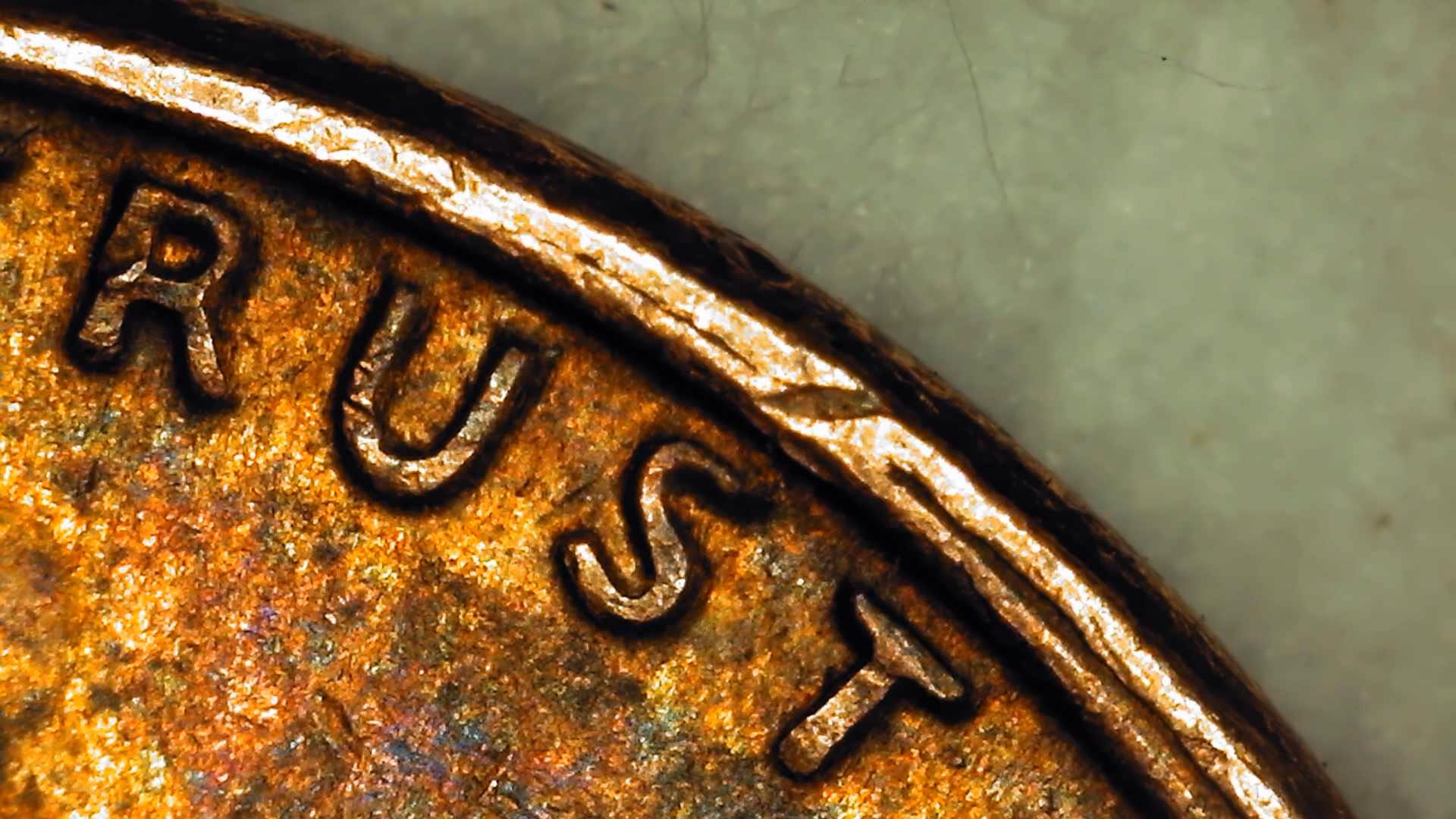
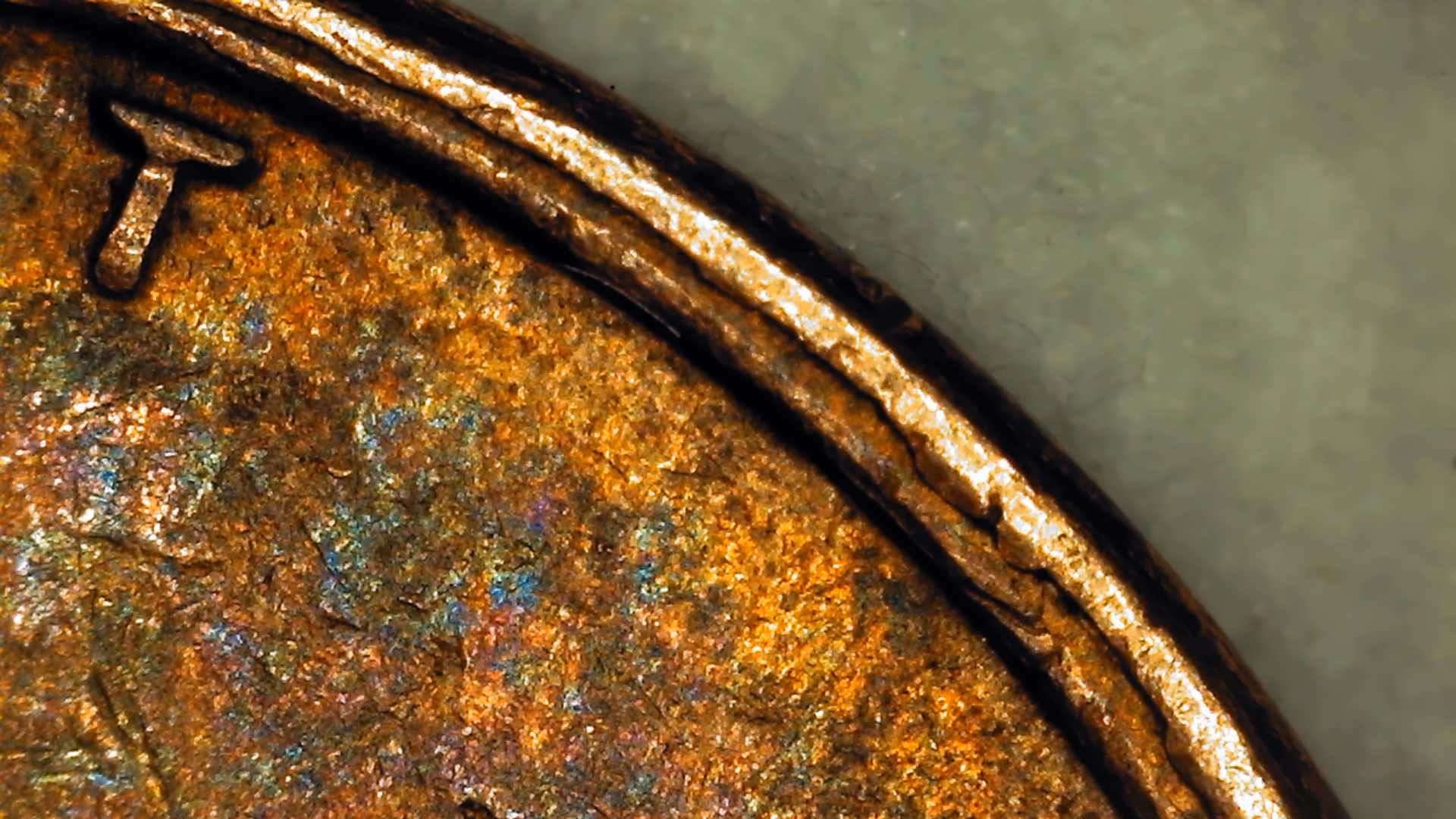
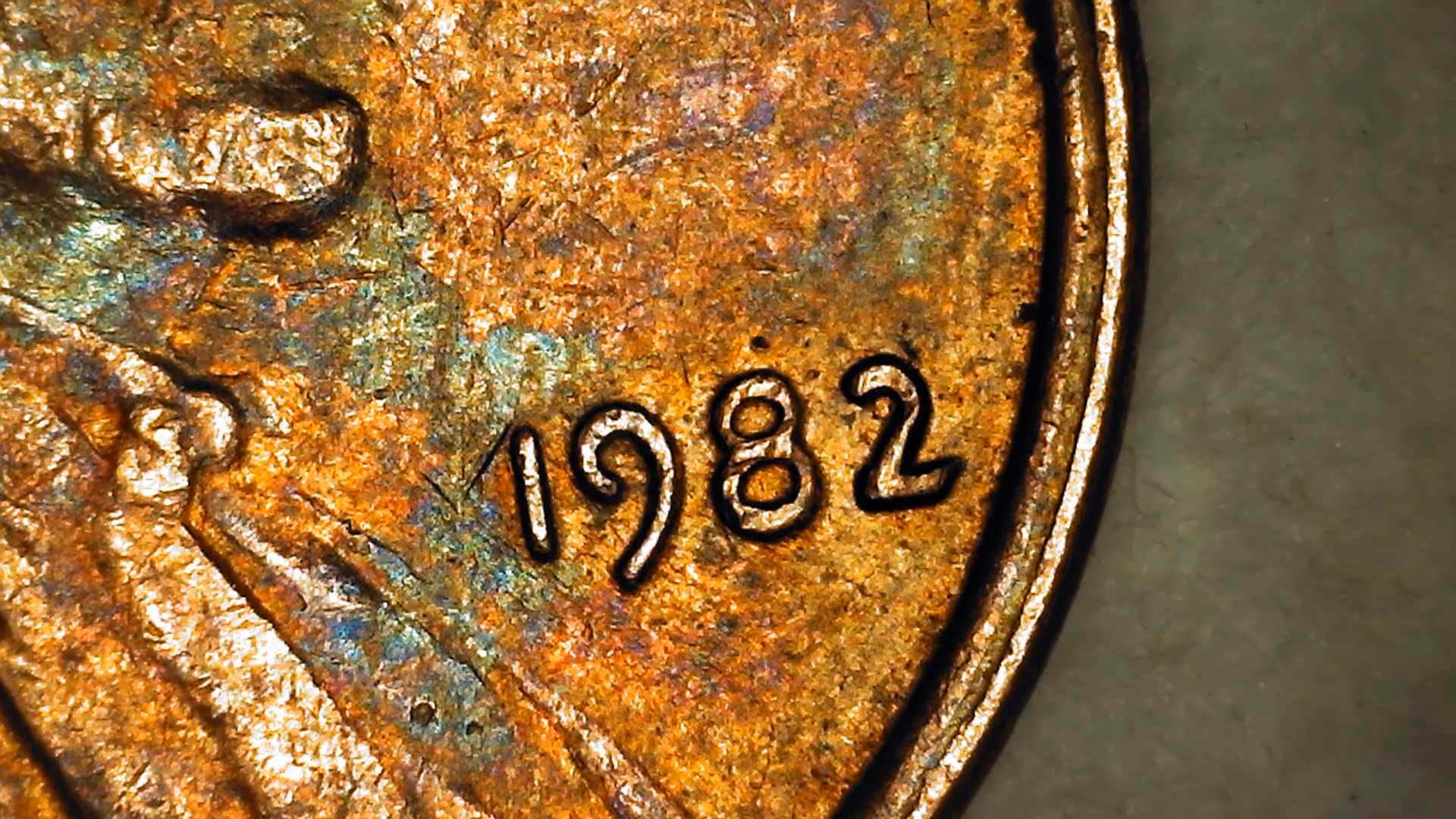
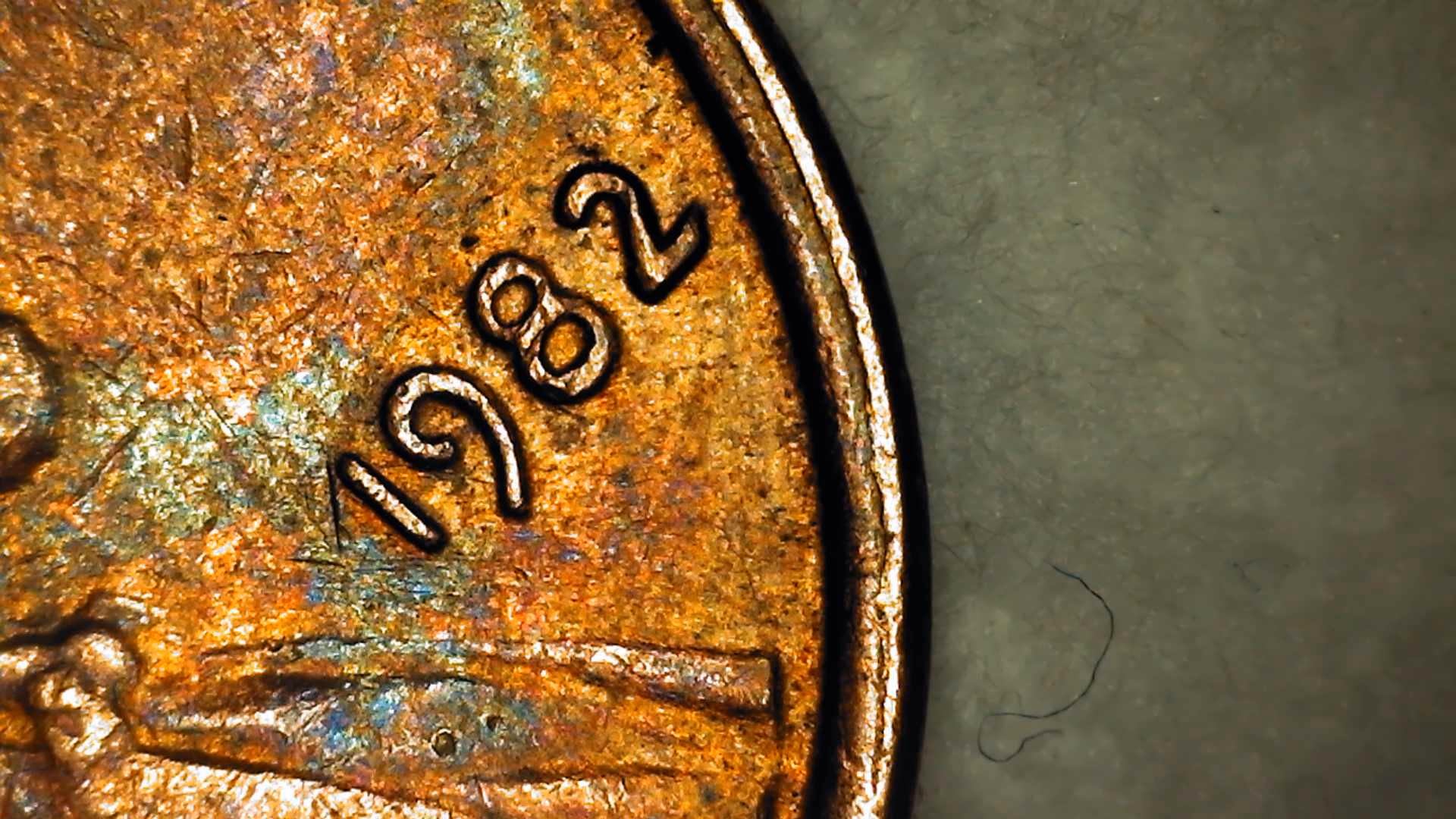
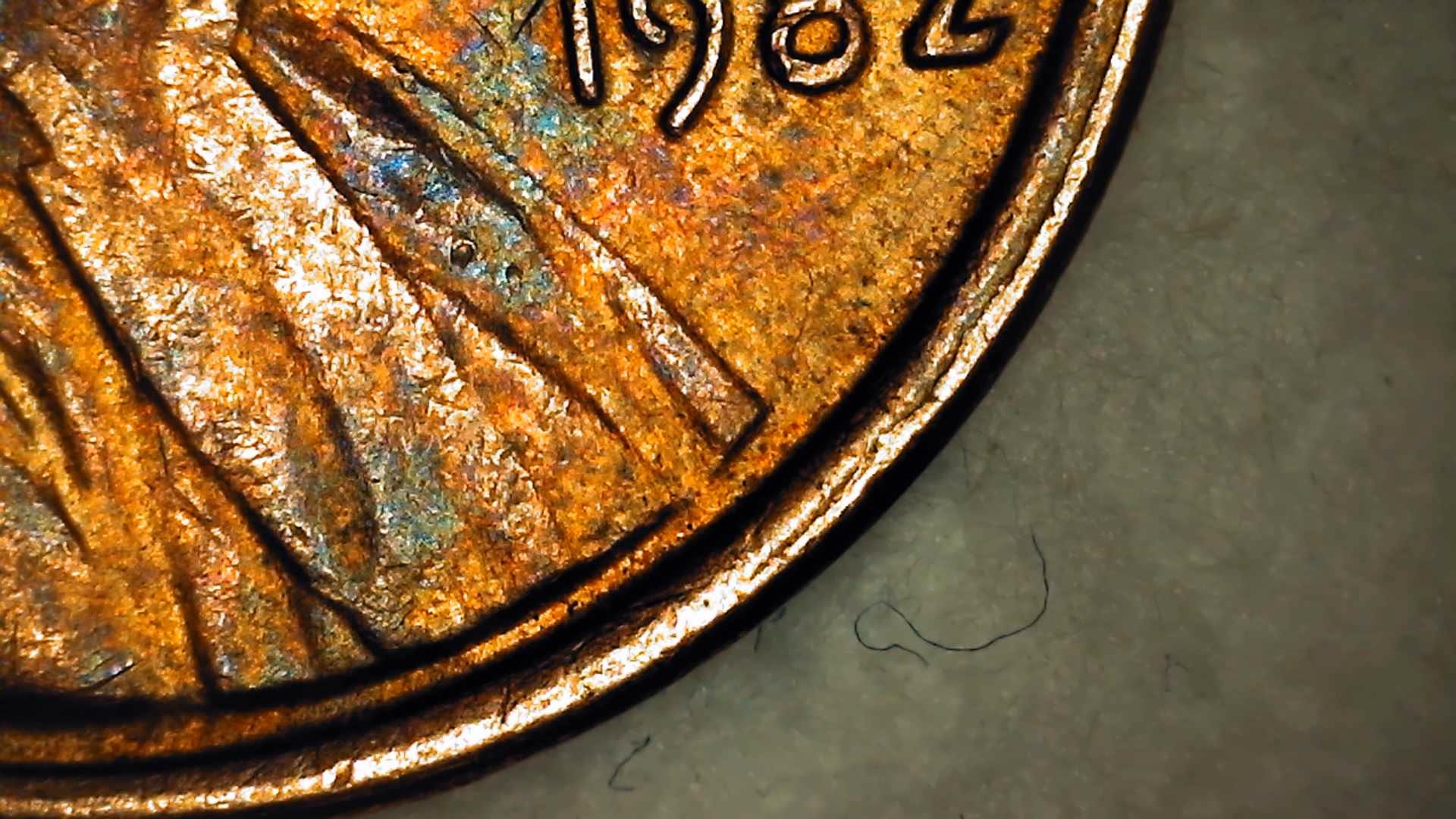
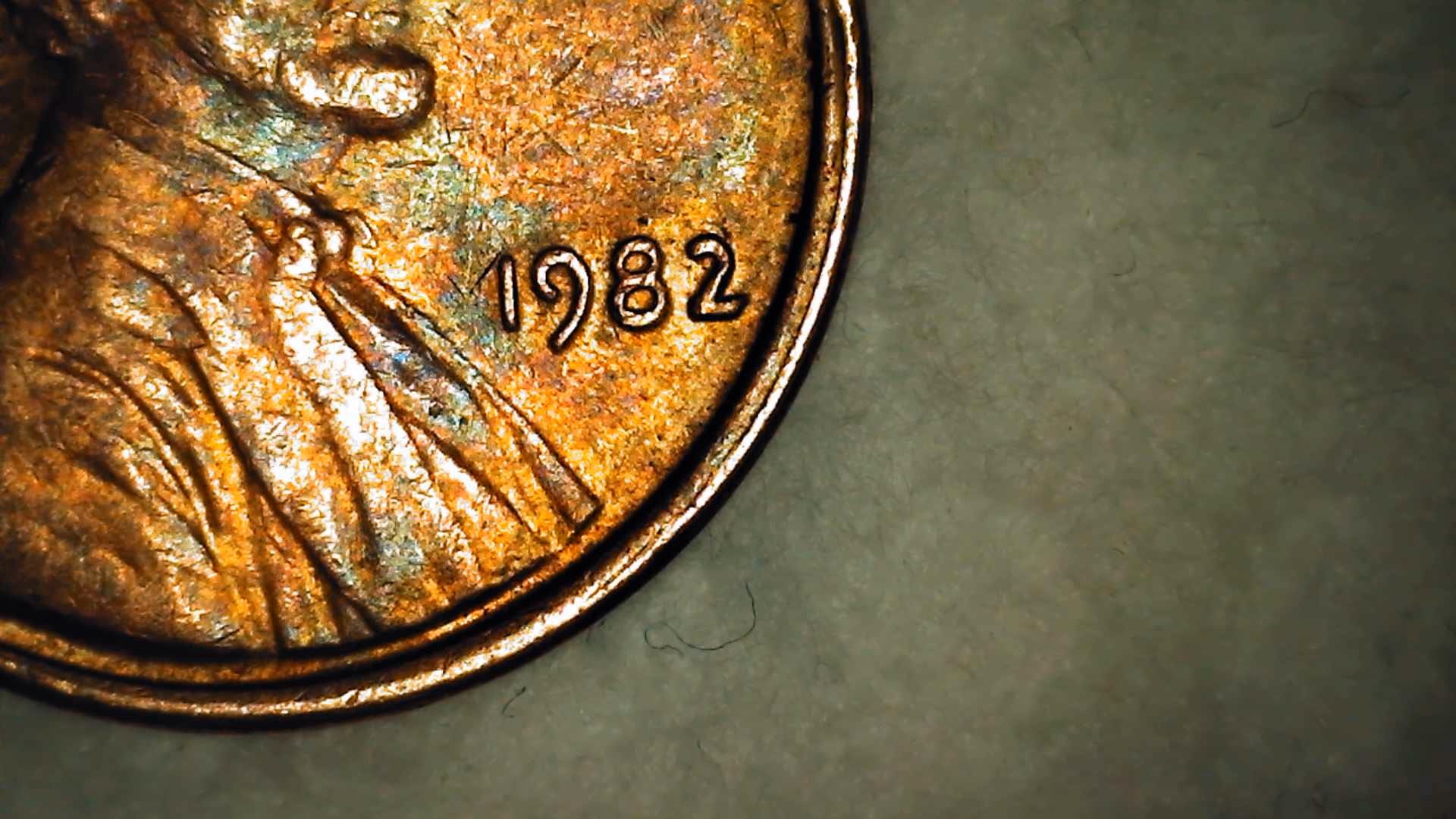
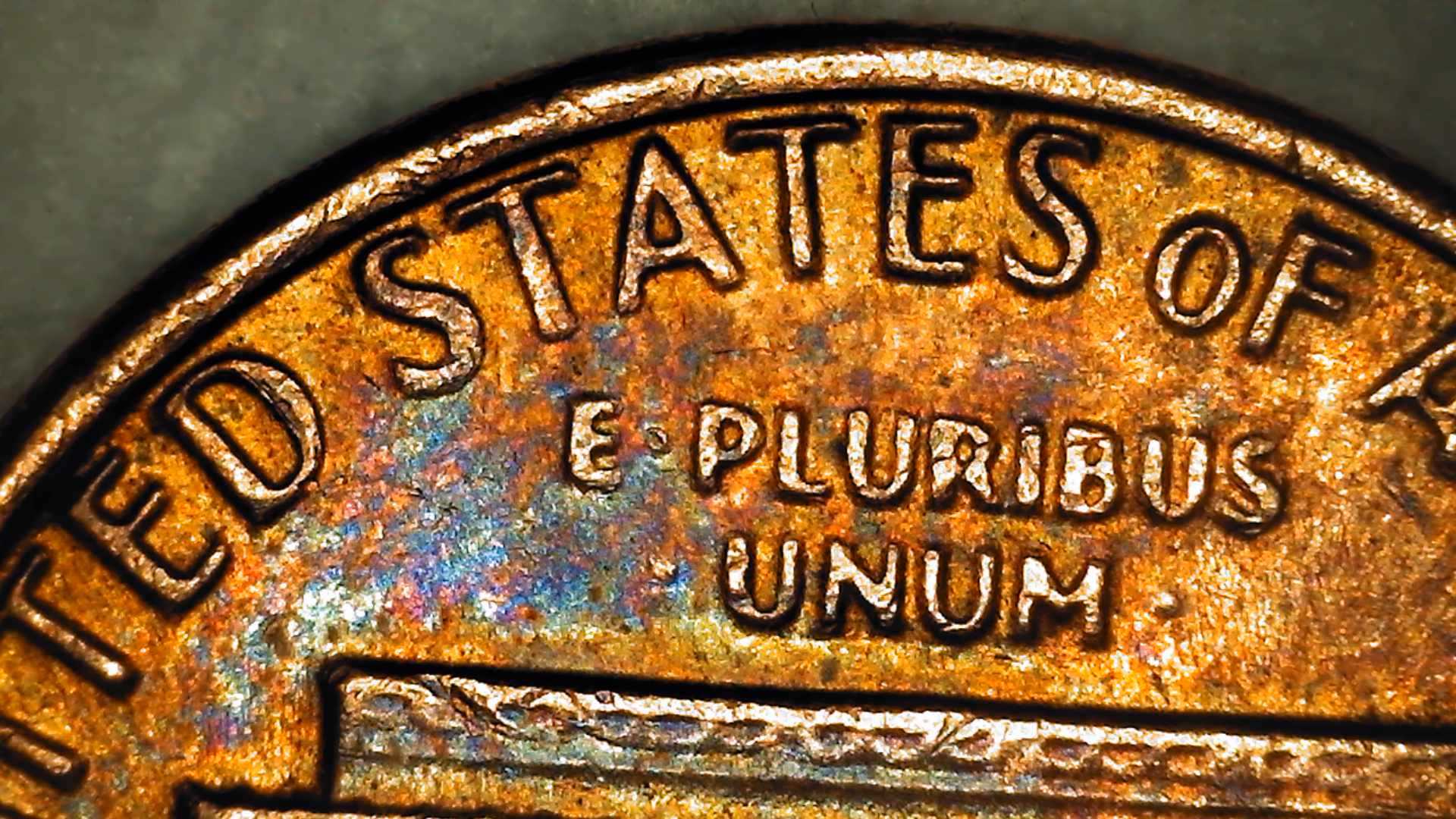
I found another article that says some 1982 pennies were struck with the finning error. This coin is a bit oval. That fits the description of the error. The only unaccounted factor is the start and the end of the split look like cracks.
|
|
Bedrock of the Community
United States
12477 Posts |
I wouldn't call this a Rim Fin as it appears to be too thick. I think this is from a slightly misaligned die under normal pressure. In Memory of Crazyb0 12-26-1951 to 7-27-2020
In Memory of Tootallious 3-31-1964 to 4-15-2020
In Memory of T-BOP 10-12-1949 to 1-19-2024
|
|
Moderator
United States
100510 Posts |
|
|
Bedrock of the Community
United States
94367 Posts |
 to the CCF! |
|
Pillar of the Community
United States
3535 Posts |
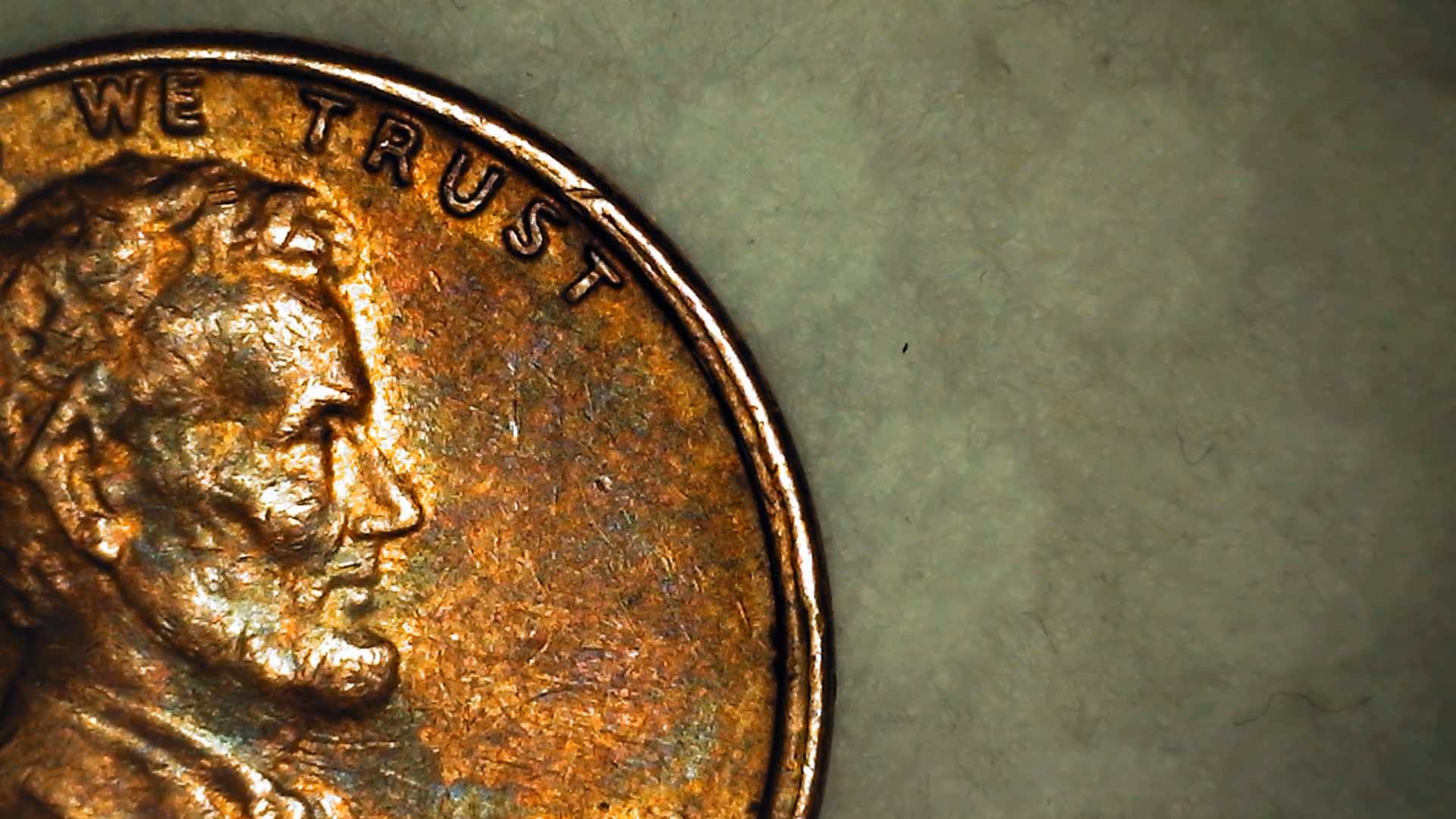
No sign of a Doubled Die here. If you think you might have a Doubled Die coin, search the 3 main Error/Variety websites for a match. Great way to learn what DDO & DDR coins look like. |
|
Valued Member
United States
52 Posts |
Thank you all for the help and the links. I truly appreciate it.
|
|
Valued Member
United States
52 Posts |
Hello everyone. Thank you for your insight. I found these 2 pennies. Both of them weigh more than 3 grams, but that is not why I posted them here. All 3, these 2 and the topic penny, have one common issue on the rim. It is thicker on one side of the observe, but round and proper on the reverse. I see this on most of Philadelphia mint pennies for that year. Care to comment why? 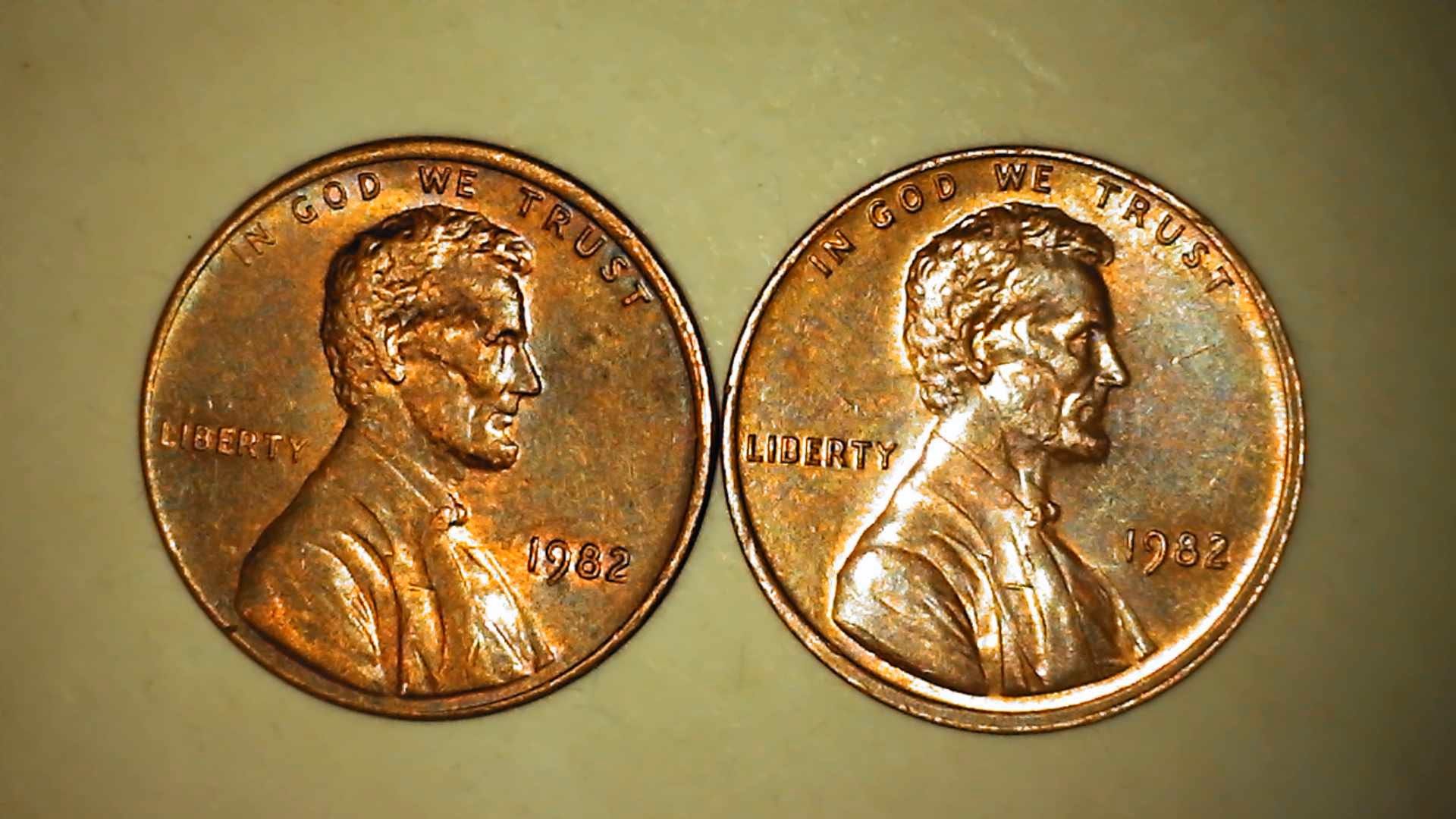 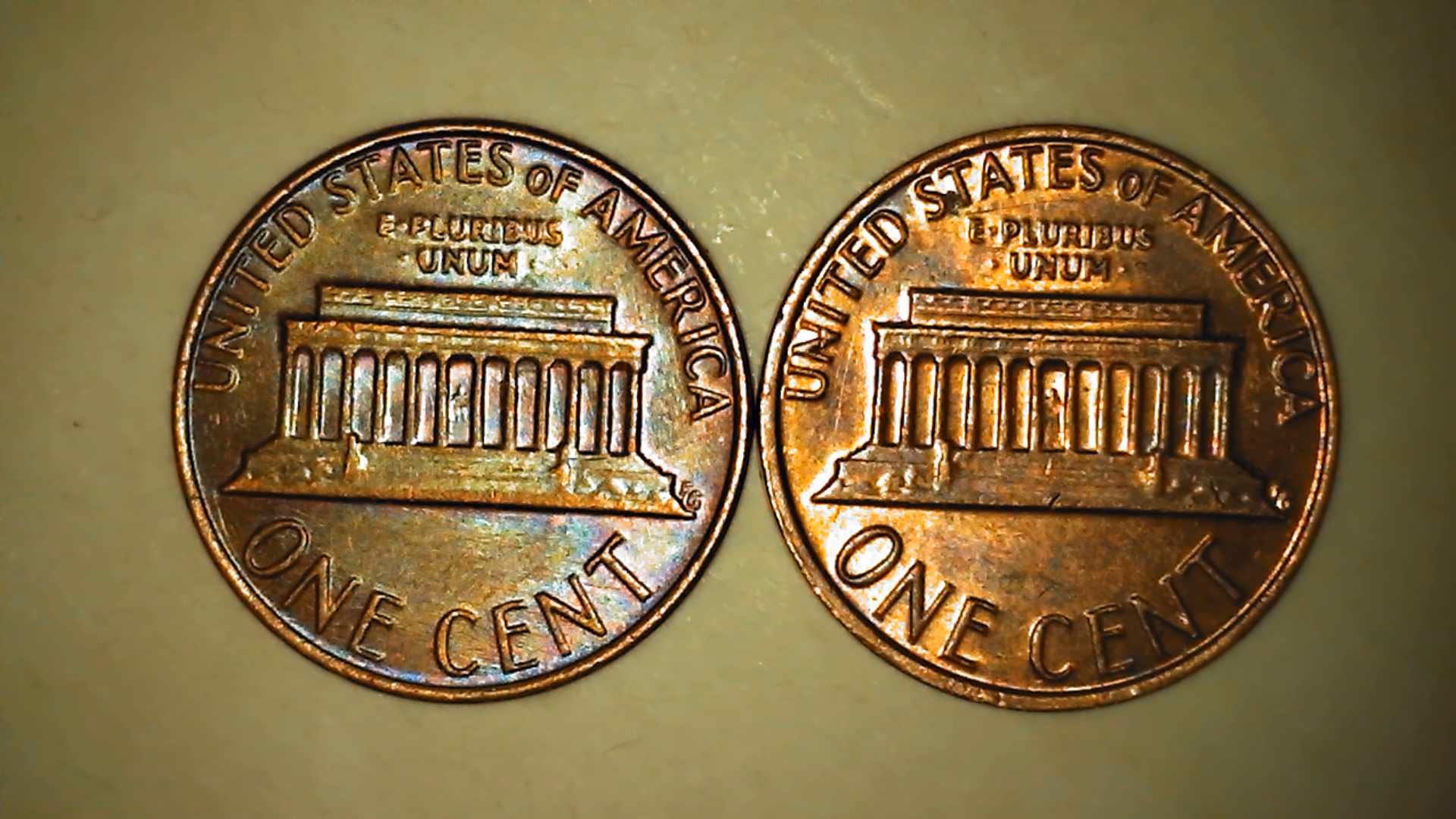 |
|
Bedrock of the Community
United States
12477 Posts |
That effect is caused by slightly misaligned dies. The common term thrown around is MAD (MisAligned Die), but that refers to something more severe than what you've shown above. Your examples are noticeable to the naked eye, but within an acceptable tolerance.
I don't remember which die is in which position for this coin, but I would guess the hammer die is the obverse and is ever-so-slightly off-center compared to the stationary anvil die, the reverse.
In Memory of Crazyb0 12-26-1951 to 7-27-2020
In Memory of Tootallious 3-31-1964 to 4-15-2020
In Memory of T-BOP 10-12-1949 to 1-19-2024
Edited by spru
10/28/2024 03:16 am
|
|
Valued Member
United States
52 Posts |
spruett001, Thank you.
The misalignment effects different parts of each coin. Does that mean that several hammer dies were misaligned?
Does a misalignment on one hammer die, consistently mint coins with similar characteristics, or it could be different?
|
| |
Replies: 12 / Views: 1,114 |
|









 Posted 10/23/2024 12:11 am





