| Author |
 Replies: 14 / Views: 1,952 Replies: 14 / Views: 1,952 |
|
|
Valued Member
United States
67 Posts |
Edited by Commoncents1
11/07/2024 12:02 am
|
|
|
|
Pillar of the Community
United States
6967 Posts |
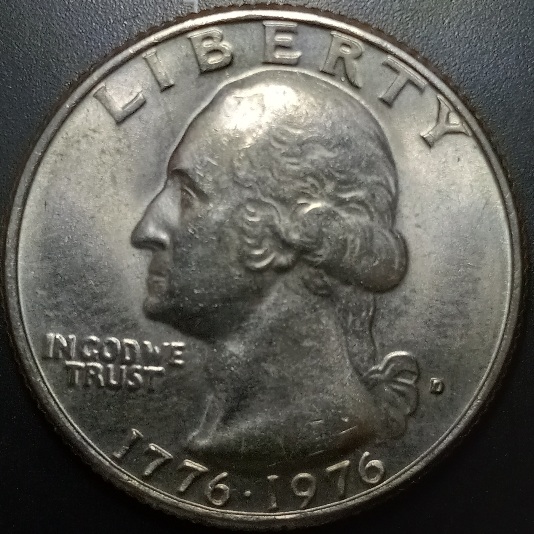
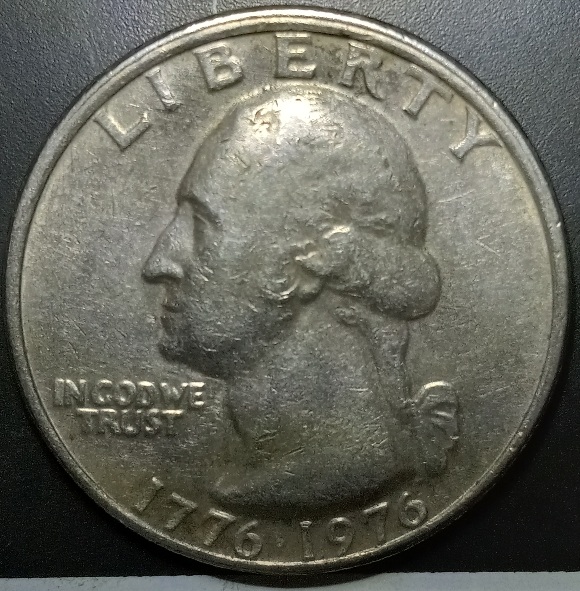
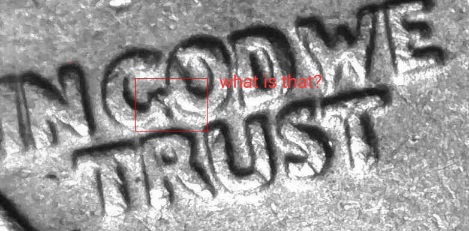
You are going to have to explain specifically what you think is doubled on that coin. These are the two known doubled die for 1976-D: http://www.varietyvista.com/09b%20W...201976-D.htmThe metal blob between G and O looks like either a die chip or metal displacement from a bump. |
|
Valued Member
 United States
67 Posts |
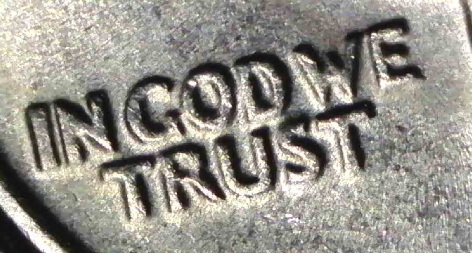
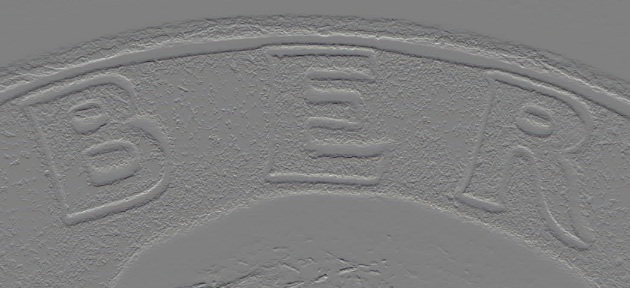
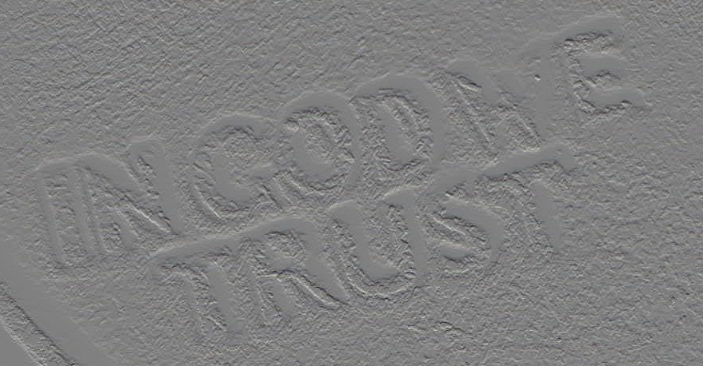
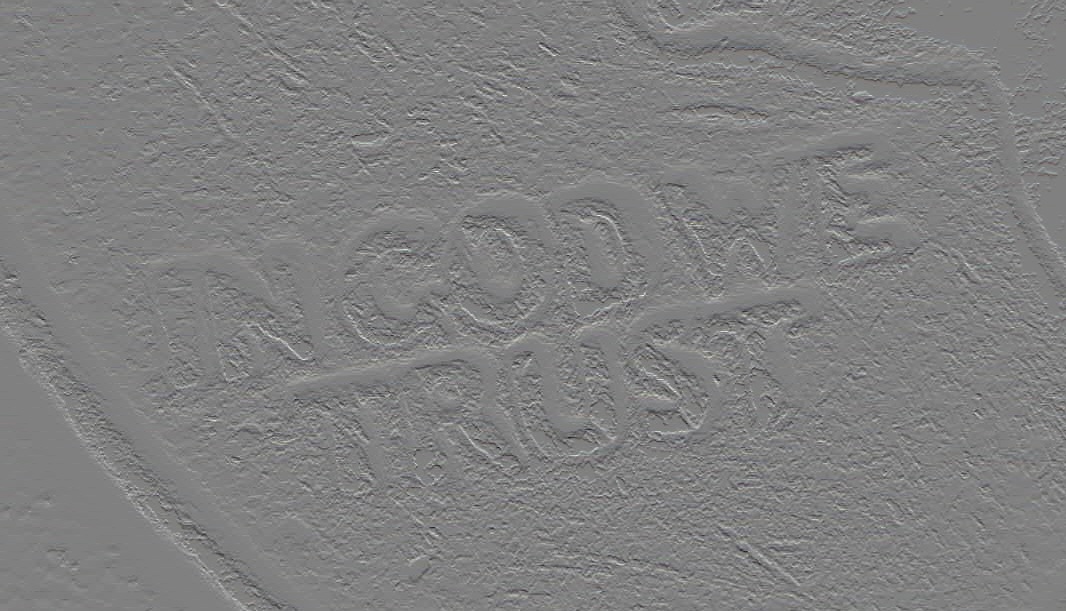
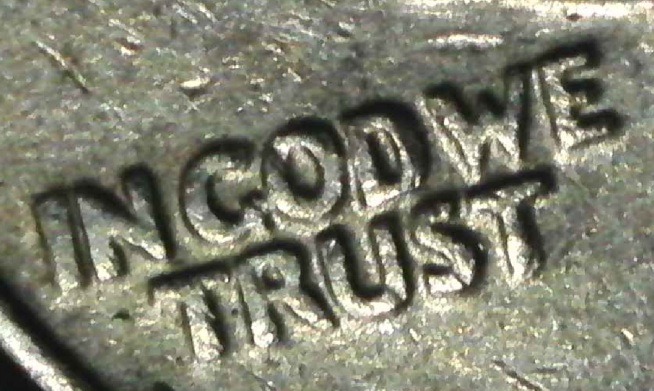
Pretty much of all of in God we trust for both the P is just not as server and for the D the BER in liberty. Check the emboss pics I posted it shows plain as day. And if you check the p again between G and O there is a smaller example of the let's say extra part of O. How do you do a quote on here. And I know those are the only two recorded that's why I said I looked and couldn't find anything like it.
Edited by Commoncents1
11/07/2024 12:12 am
|
|
Bedrock of the Community
United States
80479 Posts |
Not seeing any doubling.
Errers and Varietys.
|
|
Valued Member
United States
67 Posts |
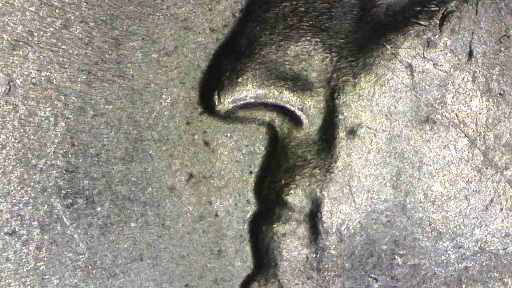
Look at the N and the D and O where it is prominent doubling or look at the emboss pics where in BER it is plain as day there is extra material there and in God we trust you can see the outlines of extra lettering the N a and R who's serifs are notched. Have you seen a quarter with a halo around it's nostril before cause I have been looking at alot
Of quarters and I haven't.
Edited by Commoncents1
11/07/2024 12:22 am
|
|
Moderator
 United States
56855 Posts |
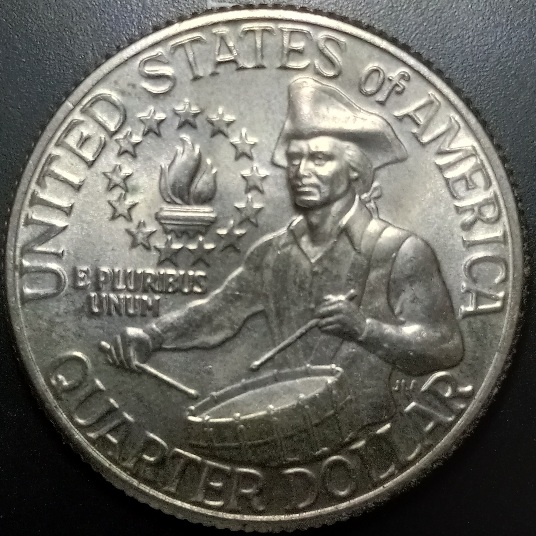
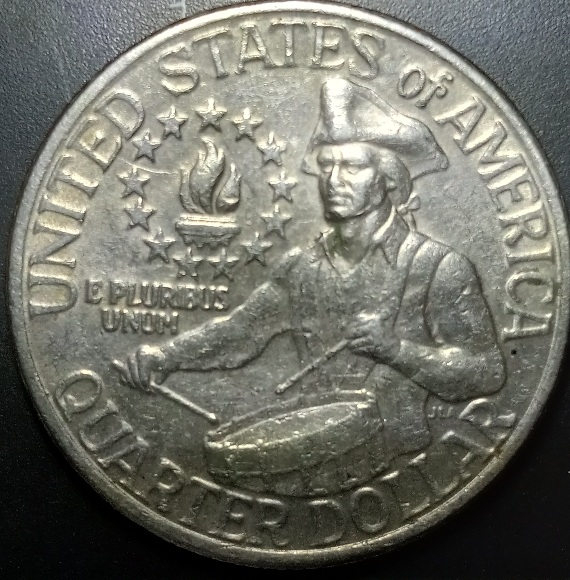
It seems like we are not going to convince you,since it is plain as day to you,but anyways. The hazy milky pics are really of little use IMHO. I see no doubled die on either coin. The nostril might be MD,not sure but needs more research. The Denver coin is a keeper simply because of the full rim on the drum.Take from this what you will. John1  |
|
Moderator
United States
110190 Posts |
I'm not seeing any DDOs here on these quarters
That 'embossing' images can be tricky to look at as it will enhance the lighting and shadows differently giving the appearance of doubling.
But that is a die chip that you boxed in red.
|
|
Pillar of the Community
United States
4136 Posts |
A little than average circulated coin, other than that.....nothing.
|
|
Valued Member
United States
67 Posts |
What is all this then its not shadowing 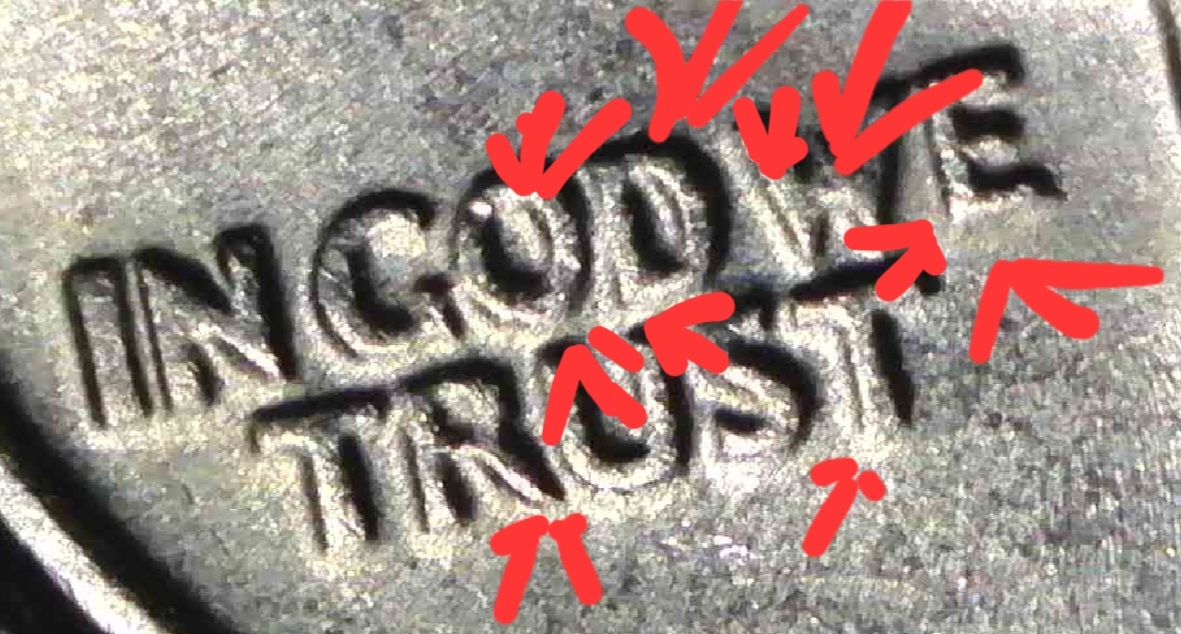 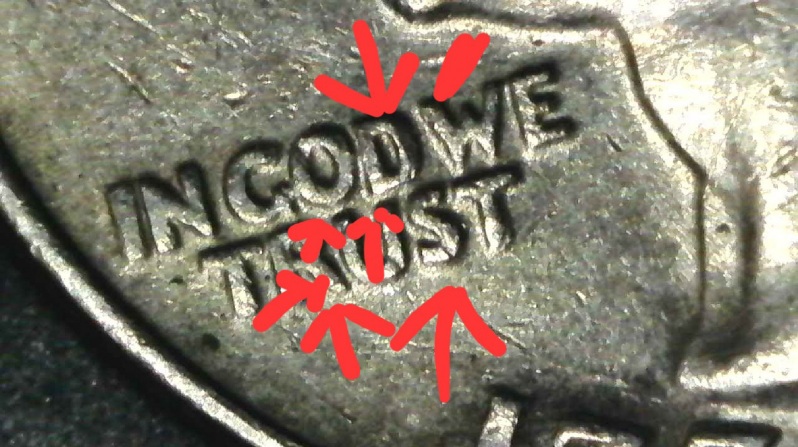 |
|
Pillar of the Community
United States
3535 Posts |
As already stated, There is no evidence of a Doubled Die on either of your coins. Keep the "D" because of the full drum rim on the reverse!  Other than that check the link posted above by Brandmeister for actual known DDO's. |
|
Pillar of the Community
United States
6967 Posts |
I believe the ghost letters that you see stretching towards the rim are Die Deterioration Doubling. Here is an example from a nickel. DDD can be quite visually compelling, and can even mimic split serifs, but it is a result of natural die wear during coin striking. 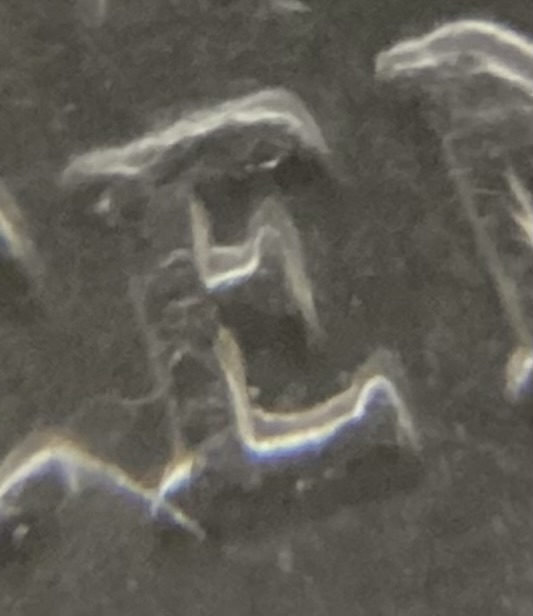 |
|
Valued Member
United States
67 Posts |
Thank you all for the clarification, I just don't understand how some coins have notched serifs is a dd and some are not. I guess I'll learn.
|
|
Pillar of the Community
United States
6967 Posts |
One thing to consider is that coins can display both DDD and MD. When the Machine Doubling crushes the widened DDD lettering into a shelf, that can produce a very convincing appearance of a doubled die. In other cases, DDD can produce notching all by itself: 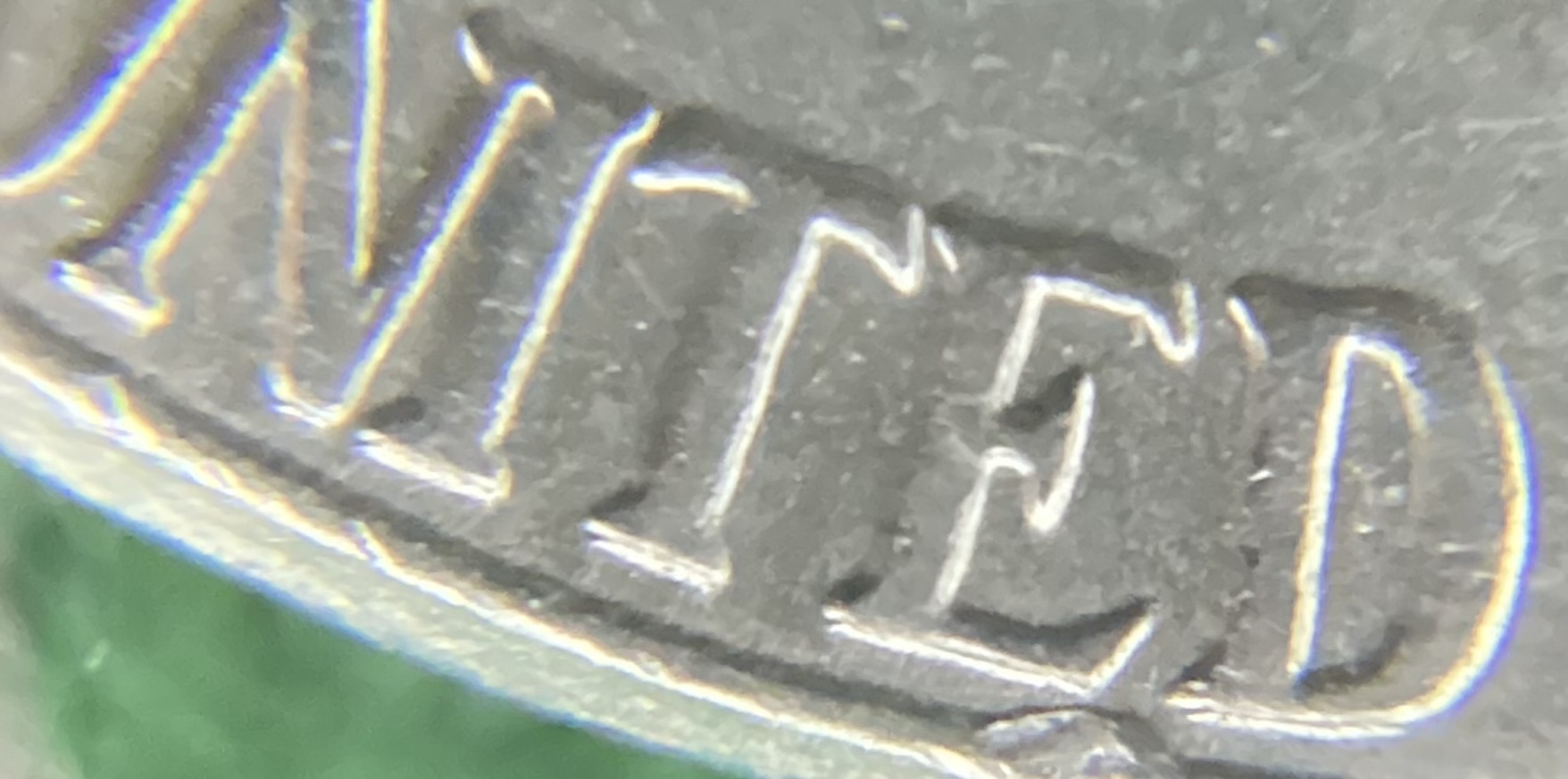 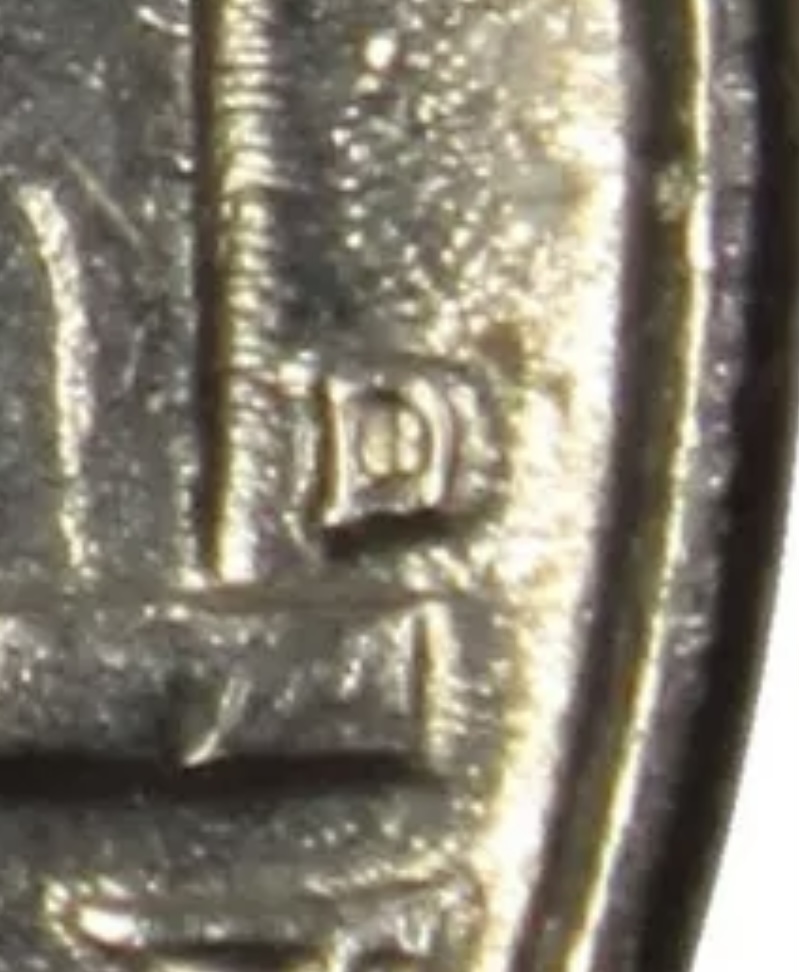 One of the techniques that really helped me to learn the difference was to look at real doubled dies on PCGS. They show the whole coin as you might see it in circulation. The microscope view on the catalogs is good for learning structure, but it really doesn't give you a good idea of what the doubled die coin truly looks like in-hand. |
|
Valued Member
United States
67 Posts |
I appreciate the tip I will keep studying. What did John mean by full rim?
|
|
Pillar of the Community
United States
6967 Posts |
|
| |
Replies: 14 / Views: 1,952 |
|









 Posted 11/07/2024 12:09 am


