| Author |
 Replies: 17 / Views: 2,250 Replies: 17 / Views: 2,250 |
|
Pillar of the Community
United States
2887 Posts |
|
|
|
|
Bedrock of the Community
United States
94367 Posts |
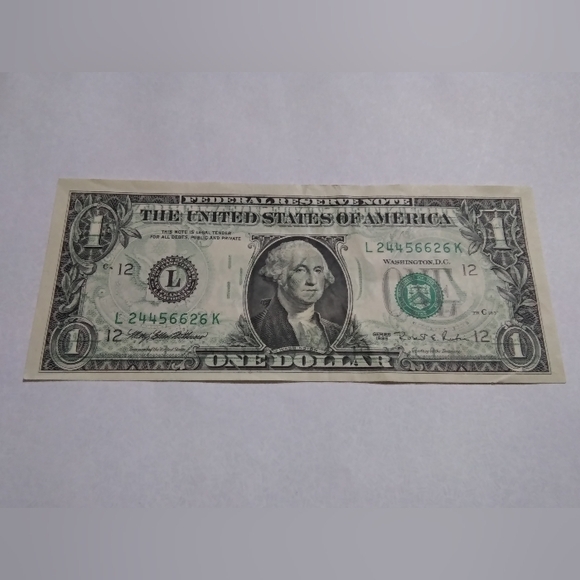
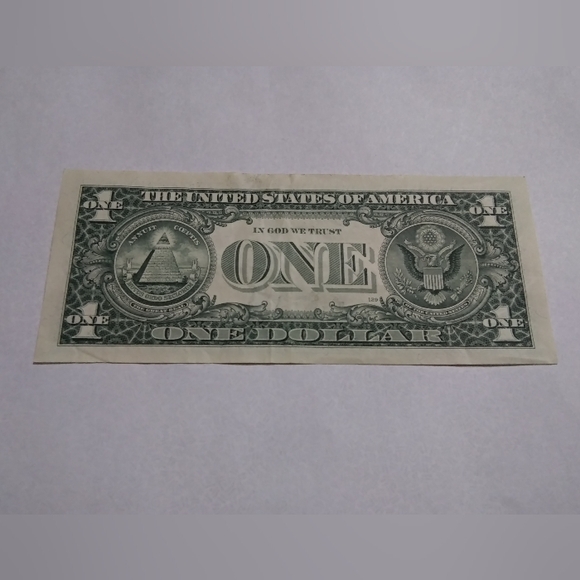
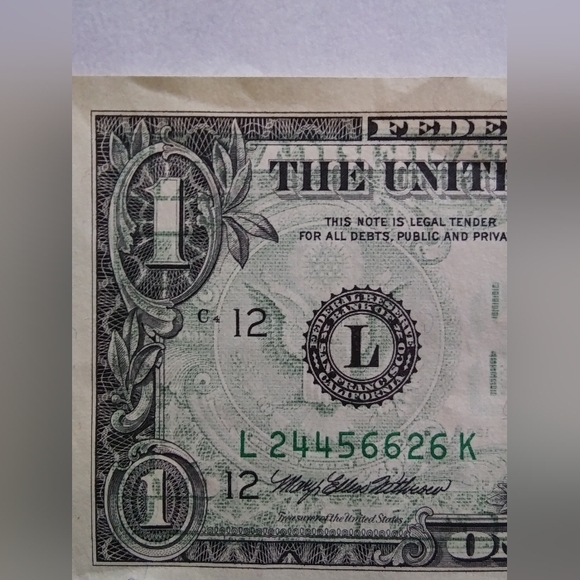
Handsome example, congrats.
|
|
Pillar of the Community
 United States
2887 Posts |
|
|
Pillar of the Community
United States
4637 Posts |
Nice circulation find, thanks for sharing.
|
|
Pillar of the Community
United States
7723 Posts |
These things just don't seem to show up like they used to. Either the BEP printing technology has gotten better or the inspection quality control has gotten better. Probably a little bit of both.
Always a nice error to add to a collection. Congrats on "rediscovering" and sharing yours!
|
|
Moderator
 United States
56855 Posts |
Nice. What would be the difference between an offset printing error and a wet ink transfer? John1  |
|
Pillar of the Community
United States
4637 Posts |
Quote:
What would be the difference between an offset printing error and a wet ink transfer? Good question John. They're actually two different ways of describing the same error. Wet Ink Transfer is what old timers call the error, and Offset Print error is the modern term. |
|
Moderator
United States
15851 Posts |
|
|
Moderator
United States
56855 Posts |
I guess you all know what category I fall in to. John1 |
|
Moderator
United States
194504 Posts |
Nice find!  |
|
Pillar of the Community
United States
2887 Posts |
@SteveInTampa, westernsky, John1, nickelsearcher & jbuck.... Thank you all for looking & appreciate the comments. |
|
Pillar of the Community
United States
746 Posts |
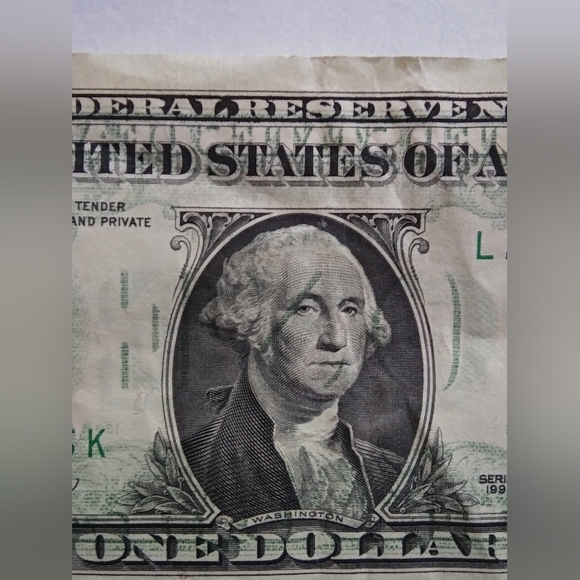
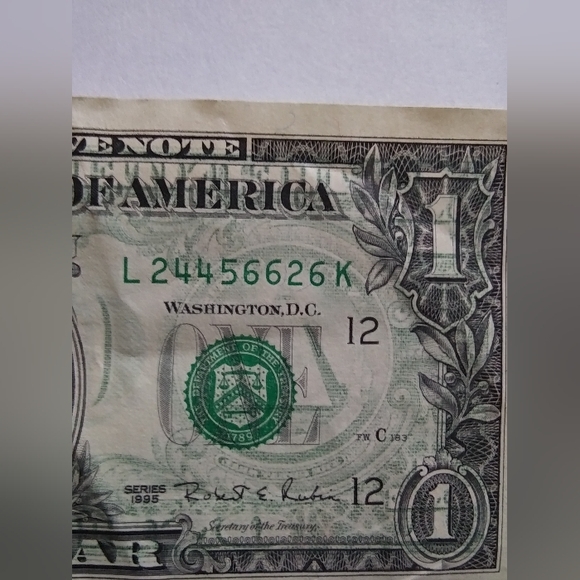
One of the tell-tale signs that this is a legit offset transfer error is the checkered pattern you can see especially in the area of the Great Seal.
The reason it is called an offset transfer error is because it occurs in a manner similar to how offset printing is done. Offset lithography involves the image from the plate being transferred to a roller and then the paper contacts the roller and picks up the ink from the roller.
This error is caused by a sheet misfeeding or folding so that the plate comes in contact with the bed the sheet rests on. When the next sheet feeds through, the image on the bed is picked up on the bottom of the next sheets until the ink on the bed is gone.
That bed is made of woven cloth. The pattern you see is the weave of the cloth. Fakers cannot duplicate that pattern (or at least they don't know that they should).
I disagree with Steve that an offset transfer error and a wet ink transfer are the same thing. A wet ink transfer is caused by sheets being stacked while the ink is still wet. It has nothing to do with a misfed sheet and the image transferring from the bed like an offset transfer error.
|
|
Pillar of the Community
United States
2887 Posts |
@lettow.... Great explanation, thanks for the help in understanding the process. Edited by coin rejector
11/15/2024 3:10 pm
|
|
Pillar of the Community
United States
4637 Posts |
I understand and agree with your explanation Jim, thank you.
In my defense, it's right out of Fred Bart's Paper Money Error Guide.
|
|
Pillar of the Community
United States
5886 Posts |
I just asked my pressman again, the way he explain to me is offset transfer is normally due to the weight of the paper/stock laying on top of each sheets coming off the press, and the ink hasn't completely dry up either from the heating or powder wasn't set properly. This is usually caught by the QC before sending off to the cutter operator.
Wet ink transfer are usually due to the pressure of the cutter making the transfer when one or both side is not fully dry before cutting.
I wish at time that the cutter can test cut a small lift before cutting an entire skid, so I don't have to tell the pressman the bad news.
|
|
Pillar of the Community
United States
5985 Posts |
My understanding is that an "Offset Printing" or "Offset Transfer" error happens when an inked plate makes contact with the bed, leading to no sheet being fed to the press to accept the intended ink. As a result, when the next sheet passes through the press, the area impressed onto the impression cylinder is then pressed onto the opposite side of the note. Here is my one and only example, for which I paid a significant premium due to extreme it is: 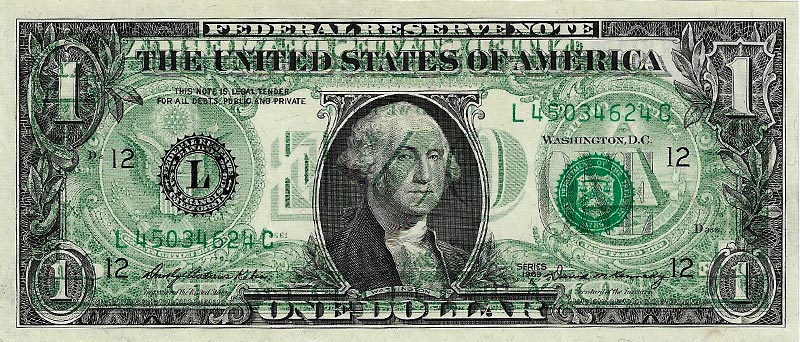 |
| |
Replies: 17 / Views: 2,250 |









 Posted 11/13/2024 6:51 pm





