I know this is very much on the border of whether or not it should be here or the UK forum, so if it needs to be moved, please do!
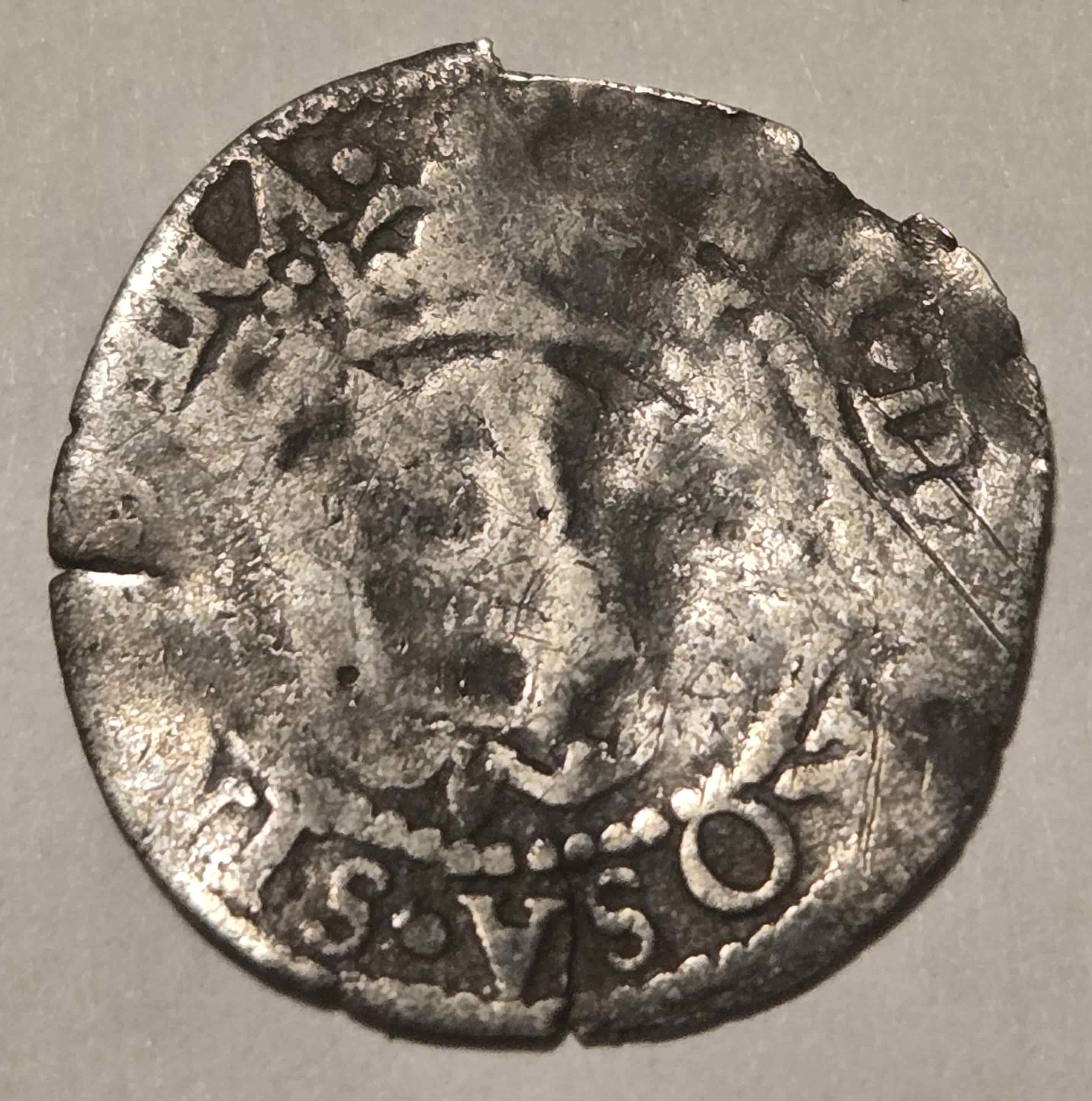
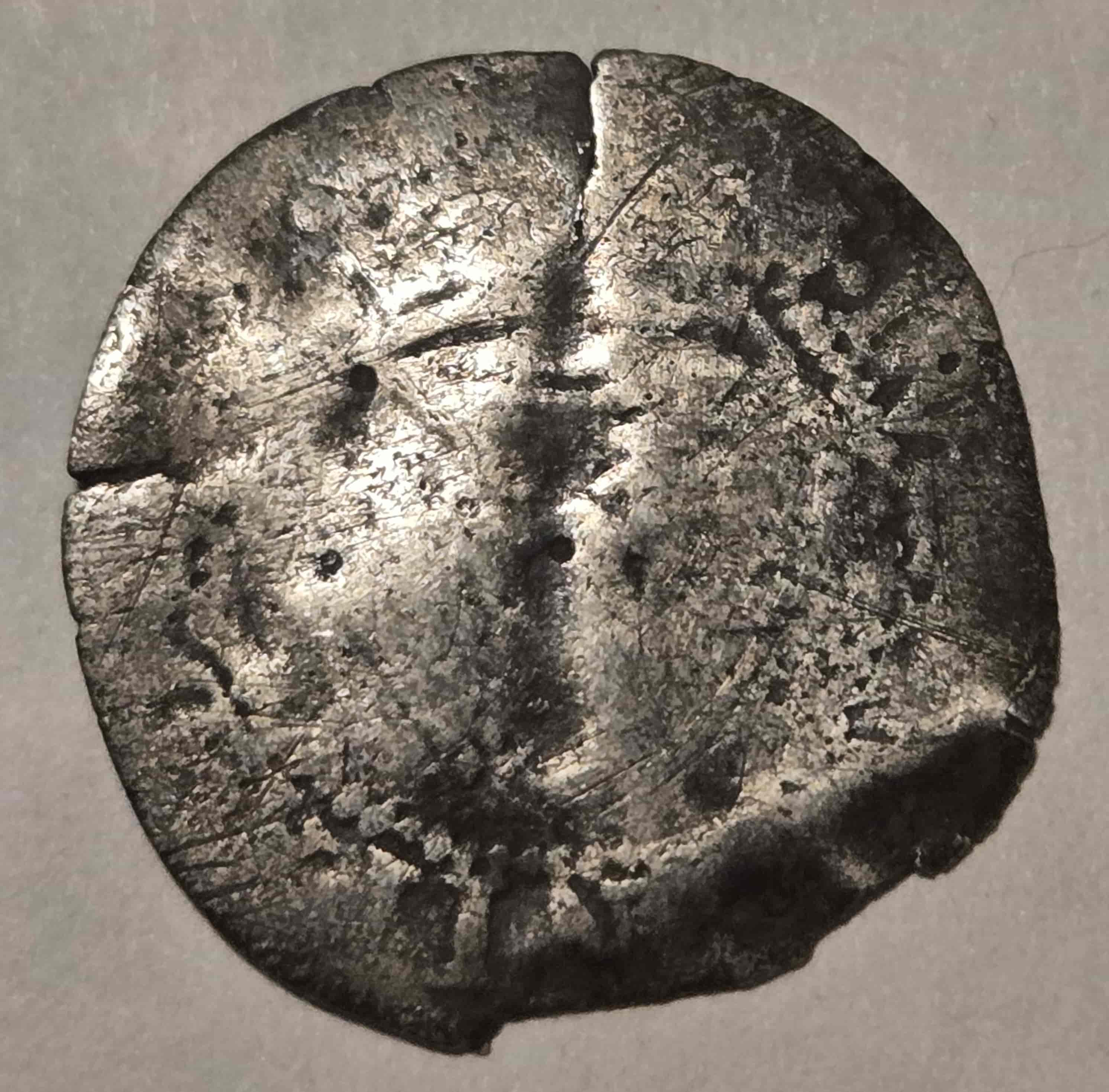
I'm trying to pin this James I groat down to an exact year and type if possible. Here's what I know so far:
Weight: 0.7g
Diameter: 17mm
The I in I*D*G is apparent, so that would make it James I. You can make out a crown on the obverse rose and on the reverse of what is most likely the thistle.
It isn't first coinage since those designs are much different, so it has to be either second or third. But third coinage has no stops on the reverse, which it looks like this one does. It looks like you can see one just before the T between 1-2 o'clock. In my opinion, this is most likely second coinage.
So now the only thing to do is try to identify the mint mark, which isn't easy. Second coinage has two subtypes: small and large crown.
https://en.numista.com/52447https://en.numista.com/315761Here is the breakdown of mint marks within second coinage:
Large Crown: (1604-1609) Lis through Coronet
Small Crown: (1607-1619) Coronet through Plain Cross
http://www.psdetecting.com/Mintmark...-JamesI.htmlNow, you can also clearly see a stop after the A in SPINA on the obverse. That's only present on the small crown, so to me that narrows it down to 2nd coinage, small crown.
Honestly, it looks closest to a thistle or a scallop, but if it is second coinage small crown, that can't be right. Judging on what can be seen of the mark, and assuming second coinage small crown, I would eliminate the key, mullet, trefoil, crescent, and plain cross. That leaves: bell, castle, cinquefoil (though I doubt this one), tun, and the book on lectern.
This is just my analysis, perhaps someone will see something I missed. Any further help or thoughts?
Thanks!










 Posted 01/05/2026 1:26 pm


