Quote:
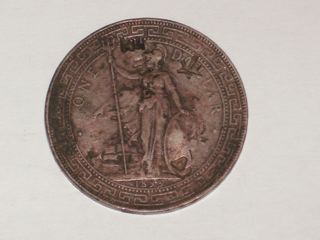
...but I do notice two 'strikes' or marks on the side with the date. I don't know much about this but aren't these typically used as indicators of authenticity by banks, etc.?
Those are called "chop marks", and on genuine coins they were typically placed there by merchants, mainly in China, as their personal guarantee that they thought the coin was good.
The people that make fake coins also sometimes put chopmarks on them, to make them look more realistic, so the presence of chopmarks is not a reliable indicator of genuineness these days.
I agree, they both look genuine enough from the pics. If you want to test their genuineness yourself, there are two simple things you can do. First, is to see if a magnet sticks to it. A genuine coin is made of silver, and will not stick. Some of the commonest types of fakes are made of steel, and will stick.
If it passes the magnet test, try weighing it. You'll need a scale that weighs in grams, to at least two decimal places. The
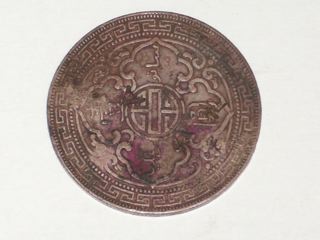
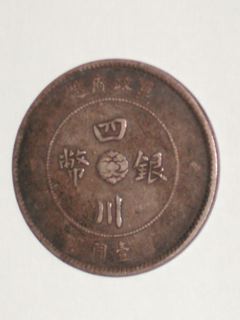
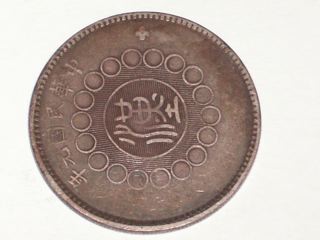
Trade dollar should weigh 26.97 grams, the Sichuan dollar should weigh 25.6 grams. An incorrect weight (either much too low or much too high) means it's a fake. If it passes both the magnet and weight tests, then there's a good chance these are genuine. Neither of them are particularly scarce types.
Sorry if we sound paranoid about these, but the Chinese have been making fake dollars, of varying quality, ever since dollars first arrived in that country. Extra vigilance is required with this series.
Don't say "infinitely" when you mean "very"; otherwise, you'll have no word left when you want to talk about something really infinite. - C. S. Lewis












 Posted 07/09/2009 9:00 pm


