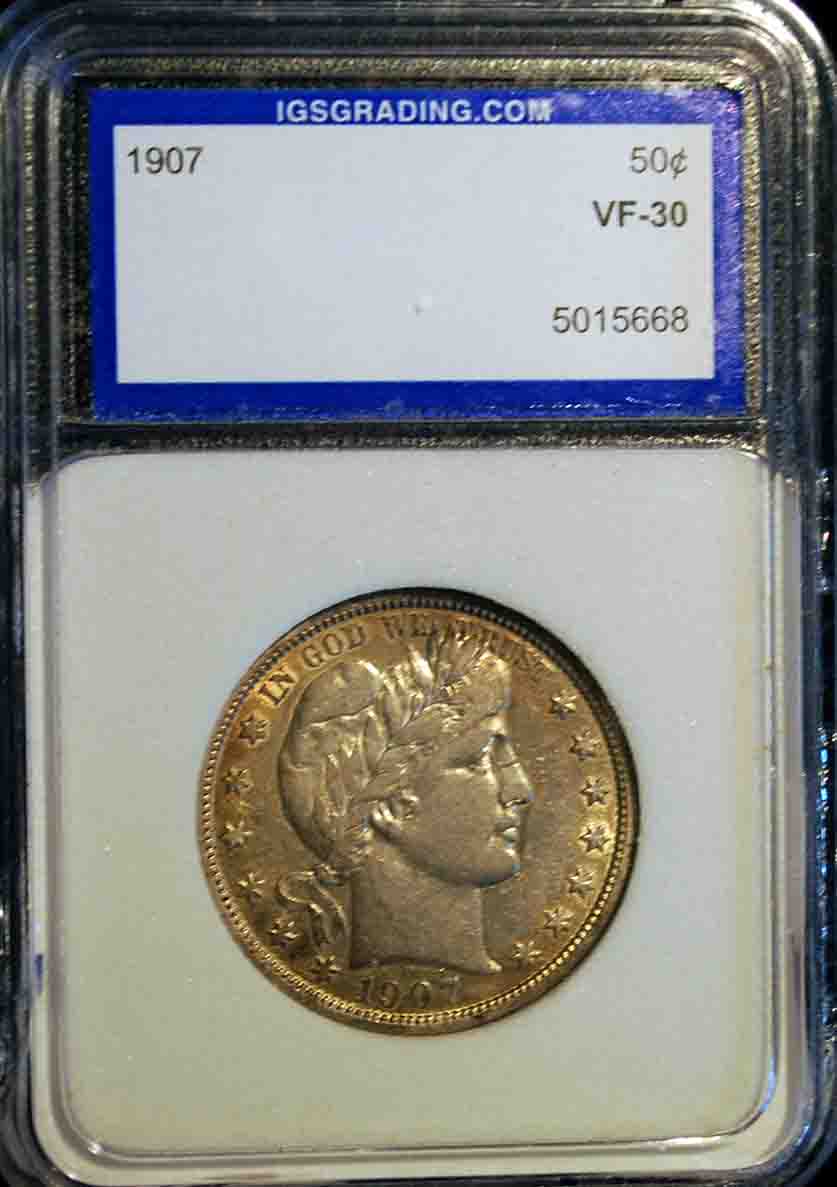
This is a very interesting discussion Jaobler, thanks for posting.

Quote:
What do you think about my pocket piece idea? It is worth a try?
I don't think I would use it as a pocket piece unless it was heavily hairlined, especially since yours is probably a $100 plus coin. If it is really damaged by cleaning though, than go for it. The envelope idea seems good for an overdipped coin, as you describe. I've been considering that for some of my coins too. Just my amateur opinion though.
Quote:
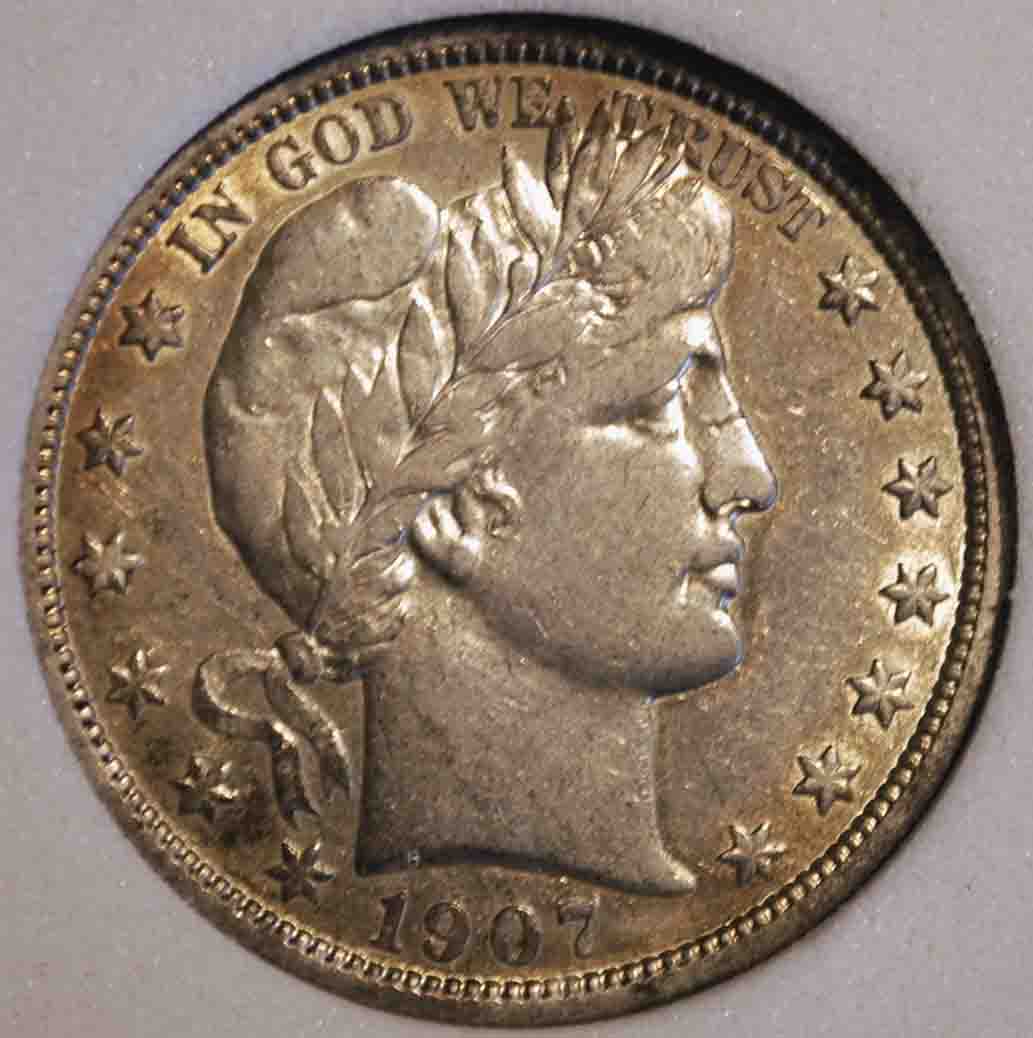
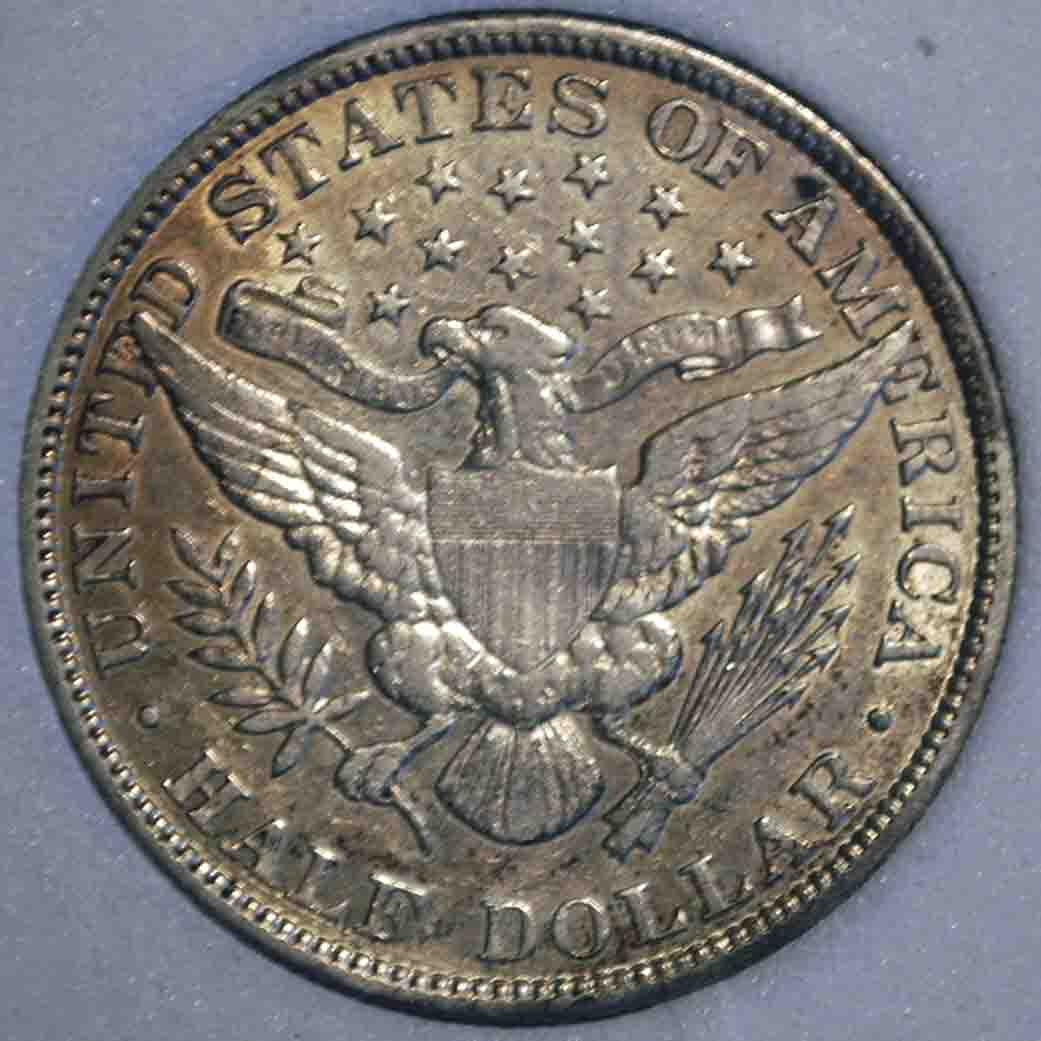
For this coin, the abnormal brightness due to dipping makes it tougher to decide whether luster is present on those high points.
I wouldn't expect much luster on the high points of most coins until it gets into the AU range. At least that has been my experience.
Quote:
The fields also appear to have more luster than they should given the amount of wear, IMO.
Agree 100%. I know that the high points are the first to see significant wear, but usually the luster in the fields gets worn off rather quickly in normal circulation since it doesn't take much rub to remove the luster. If it is truly a VF-30, I'm wondering how the fields were so protected on this coin during the circulation process? It seems it would be an unusual wear pattern. I don't know. Here is another PCGS VF-30 that I inadvertantly found on the PCGS forums while browsing.
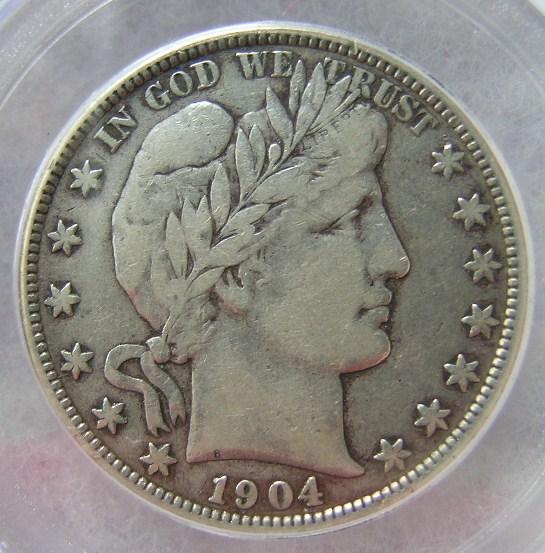
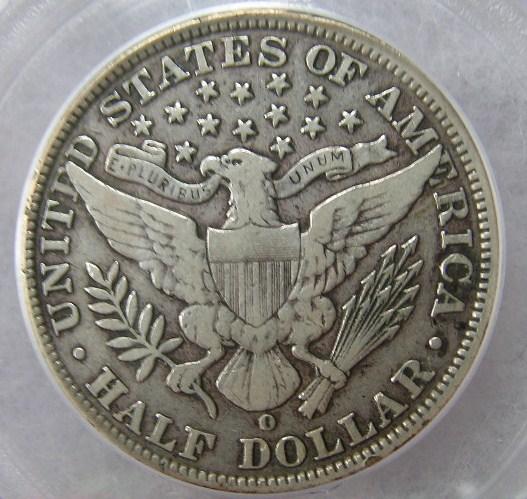
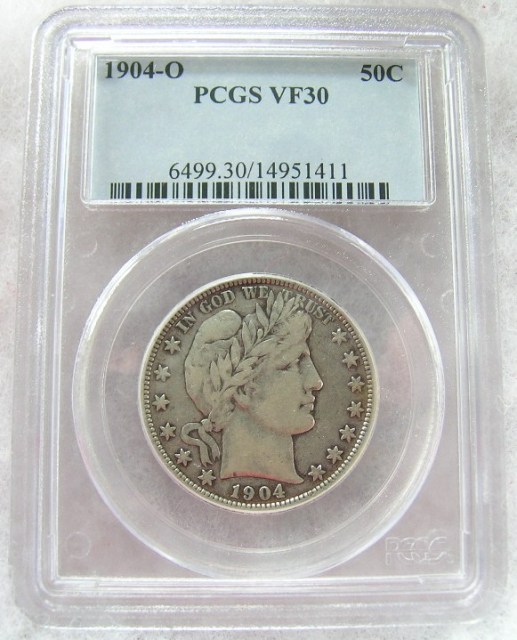
Now I know the New Orleans mint was known for weak strikes; so that is probably why the coin graded as high as it did. However, the luster is absolutely non-existent on this coin. Not even a trace. Your coin blows this one out of the water grade wise in my opinion. Details are much stronger on yours too.
So what is left on the table as an explanation for the way yours was graded is that the coin has experienced uneven wear.
I'm curious to see what others think about uneven wear. My opinion is that it does occur, but it's not likely or common. It's really hard to know unless you saw the way the coin came from the mint.
Here is a rather obscure and generalized probability analogy. You have a coin with heads and tails
(heads representing the high points and tails representing the fields). Say you flip a coin a thousand times
(the flips represent in the amount of circulation the coin sees). After a thousand flips your tally is eventually going to approach 50% heads, and 50% tails, with maybe a minor deviation.
In this case, the 50/50 split is the devices/field wear ratio of the average circulated barber. Obviously the high points wear more quickly, but imo the fields should experience wear at an average ratio to the high points during general circulation Though there is a chance that after a thousand flips, you will get 70% heads and 30% tails
(wear ocurred much more extensively on the high points than on the fields in comparison to the average wear cycle); I'd guess that it is unlikely. The more times you flip the coin, the closer you are to getting an exact 50/50 split due to the larger amount of data points. A coin with VF wear has seen significant circulation, and is representative of many data points. As a result I would assume that it is unlikely that the high points on any given barber half would experience dramatically more wear in proportion to the fields when compared to the devices/field wear ratio of the average barber half.


I apologize if this was confusing as I am more or less thinking out loud in this post. I know it is a broad generalization and many other factors would come into play in determing wear(ie possibly strike, die state, where/how it circulated). I'm in an analytical mood tonight, and am attempting to understand the nature of how coins wear.
ok, I think I should probably go to bed.













 Posted 09/02/2009 08:50 am