










 Posted 02/07/2010 09:23 am


Kind of vague question, but maybe something will help.
Dates/letter devices can vary from year to year. Example: The 2001-2004 have wider devices on the obverse and the earlier or later years. To know which style is the normal one, check other coins from the same date and mint with the one you have in question.
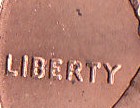
The term spread is usually used to show the separation of a doubled die from the two/three different hubbings that happened before the single squeeze process of making dies. Spread is also used to denote the overlapping punches of a mint mark making it a RPM.
Doubling can also be described a term in Machine Doubling. The primary difference if that on Machine Doubling, the die is normal, the machine created the doubling. On a doubled die, the hubbings created the doubling on the die. All coins struck with this die will have the same doubling. Machine Doubling can be different from coin to coin or just normal when the machine works properly.
Dates/letter devices can vary from year to year. Example: The 2001-2004 have wider devices on the obverse and the earlier or later years. To know which style is the normal one, check other coins from the same date and mint with the one you have in question.
The term spread is usually used to show the separation of a doubled die from the two/three different hubbings that happened before the single squeeze process of making dies. Spread is also used to denote the overlapping punches of a mint mark making it a RPM.
Doubling can also be described a term in Machine Doubling. The primary difference if that on Machine Doubling, the die is normal, the machine created the doubling. On a doubled die, the hubbings created the doubling on the die. All coins struck with this die will have the same doubling. Machine Doubling can be different from coin to coin or just normal when the machine works properly.


