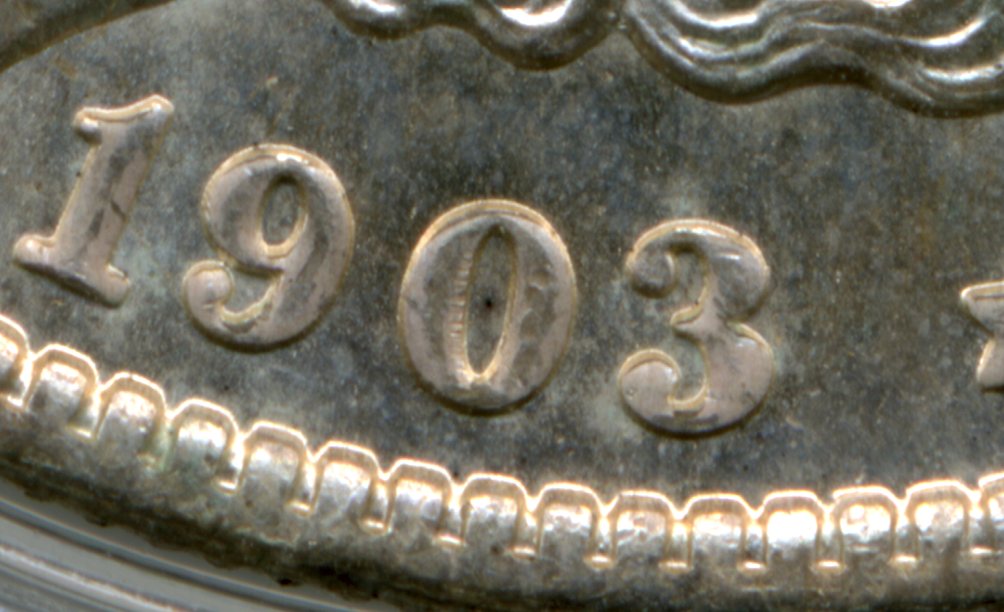
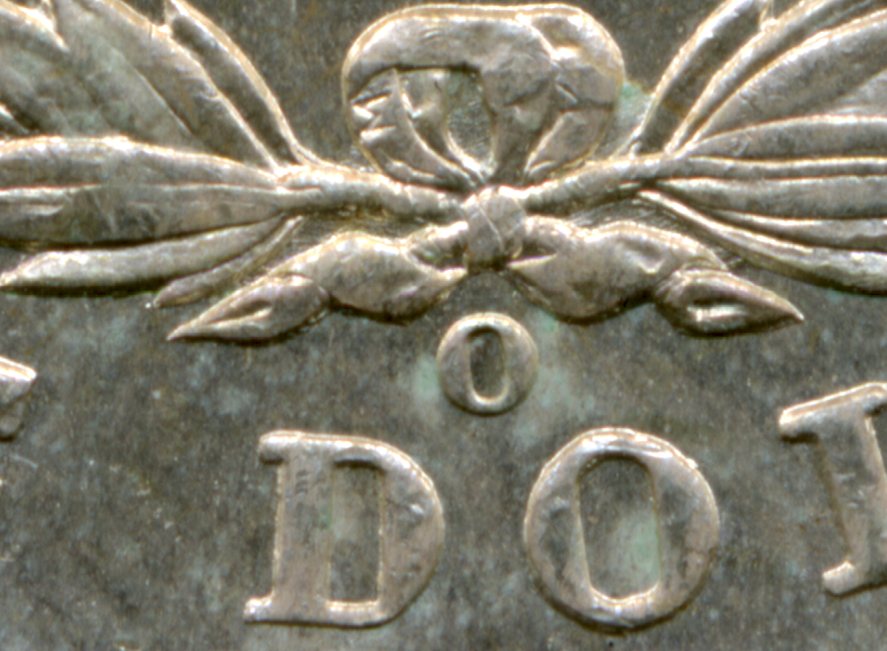
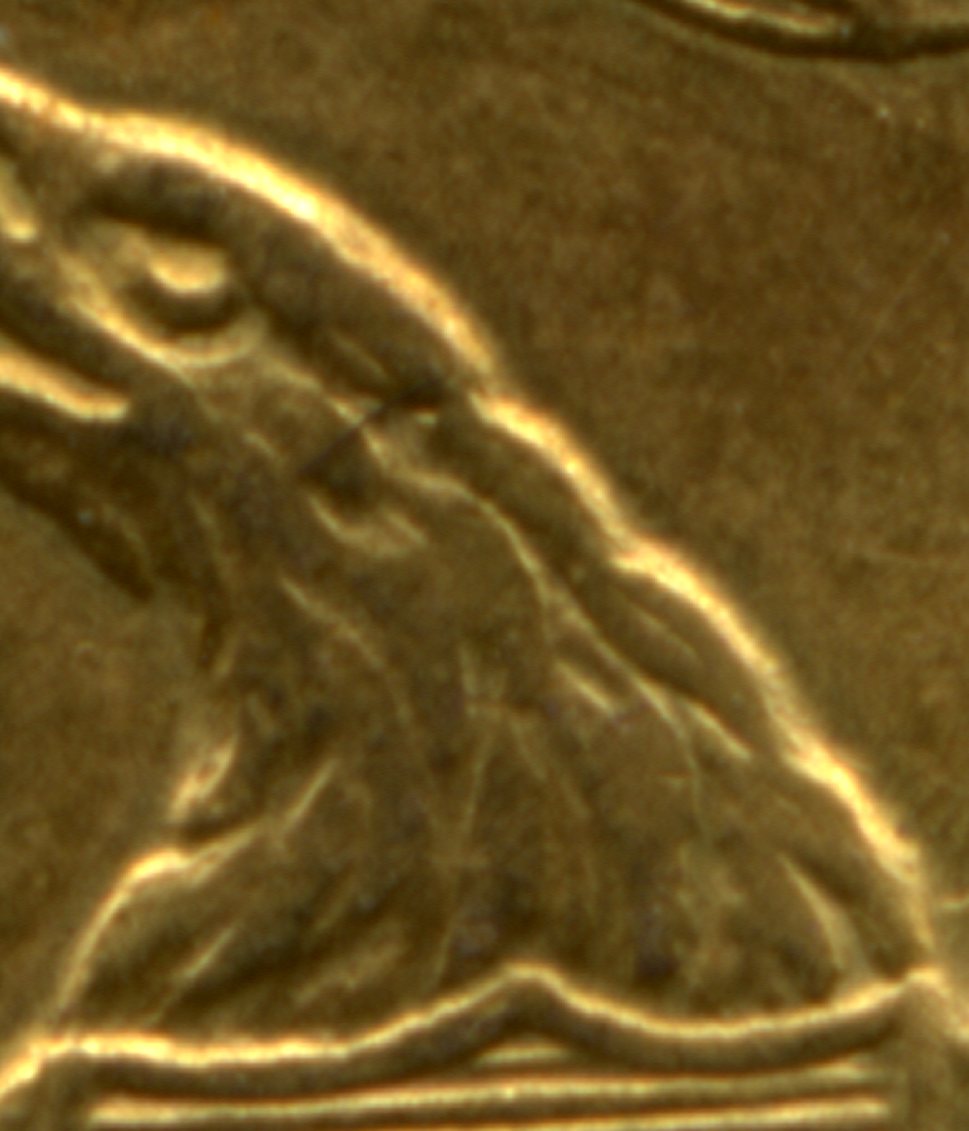
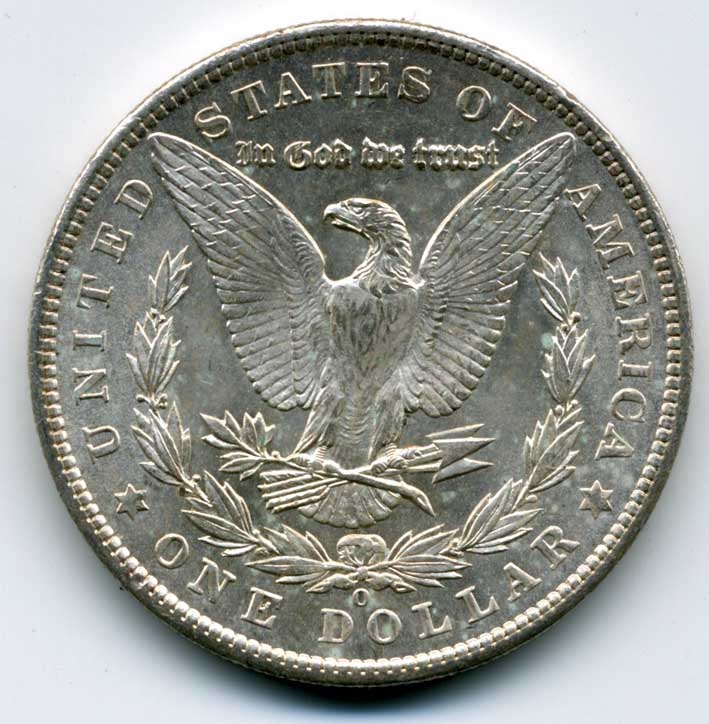
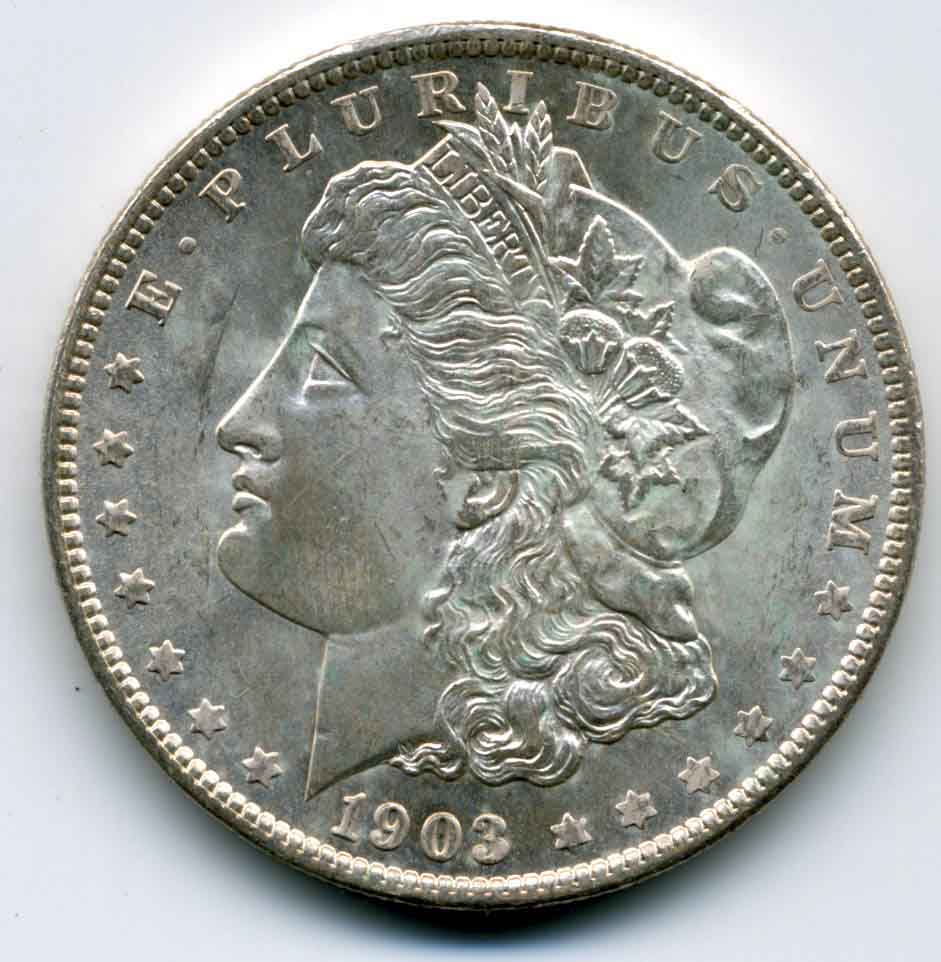
The 1903-O Morgan is an interesting story.
Late in World War I, the Germans began a rumor in India that the British lacked sufficient silver to back the then-popular Silver Certificates being issued in India. The Indian government had convinced their population to accept certificates in lieu of silver Rupees, establishing redemption agencies across the country to pay silver upon demand by the population. This was a successful system, allowing Britain and India to devote less silver to circulating coinage while giving the populace access to true silver whenever they wished.
The German propaganda rumor began a run on silver redemption in India. Desperate, the British government contacted the American government, wishing to obtain a large amount of silver. Nevada Senator Key Pittman, seeing a great opportunity for his silver-producing state, authored the Pittman Act, which called for the liquidation of a huge amount of silver dollars then stored in the Treasury, as well as a like amount to be purchased from miners.
Under the Act, over 270 million Morgans (more than half of the total ever minted) were melted, and most of the resulting raw silver was sold to Great Britain.
Many rarities were created by this process. Depending on current demand, some years saw more dollars ending up in storage than others, and these ended up melted in greater numbers. The 1903-O was an example, or thought to be. Up until 1962, the 1903-O was considered to be the true "stopper" in the
Morgan dollar series; only about 10 were thought to be extant. Then, in 1962, the Treasury released thousands of 1903-O's from bags they'd had stored all along. These were all Uncirculated coins, and the bottom dropped out of the market for 1903-O's. I imagine there were a few really, really angry collectors who'd paid moon money for a 1903-O, only to have it become a rather common issue.
Even with this Treasury release, relatively few 1903-O's have been graded by comparison to other New Orleans years. Fewer, in fact (at least using ANACS' figures), than the 1893-O, considered a real rarity.







 Posted 02/13/2010 09:45 am





 .
.