











 Posted 05/21/2024 8:20 pm


They are in fact Mexican hacienda tokens.
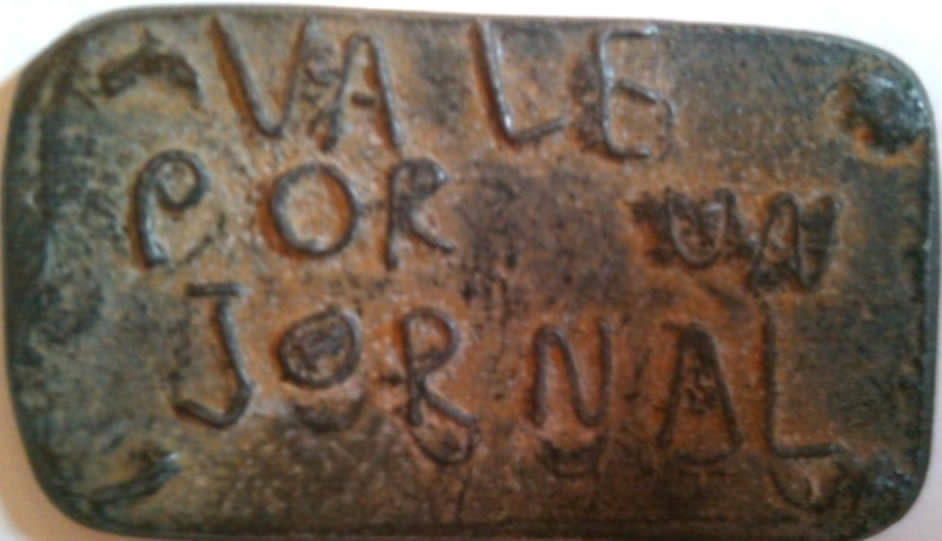
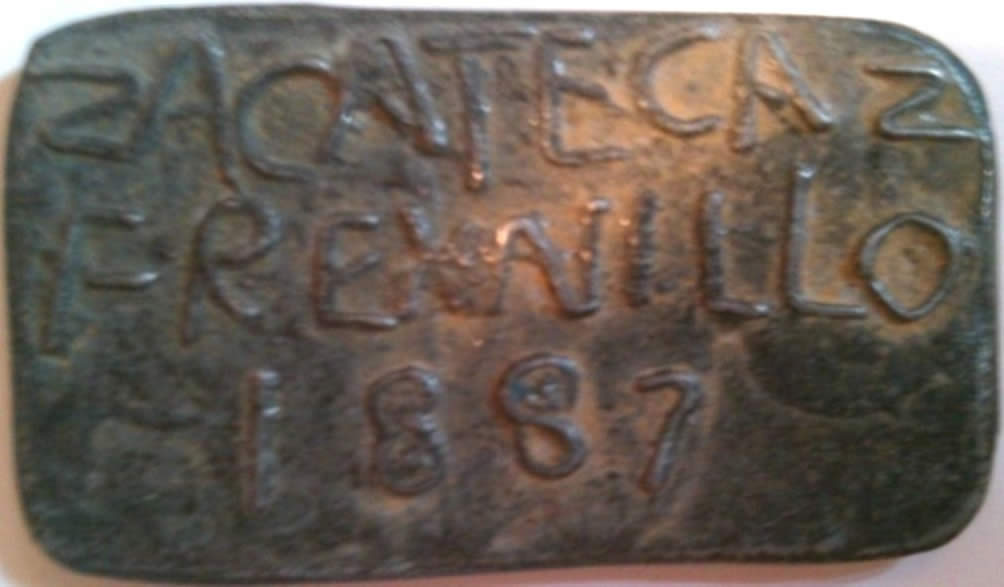
1. 1887 - Fresnillo, Zacatecas (here as Frexnillo, Zacatecaz) - Vale por un jornal (worth/good for a day's wages)
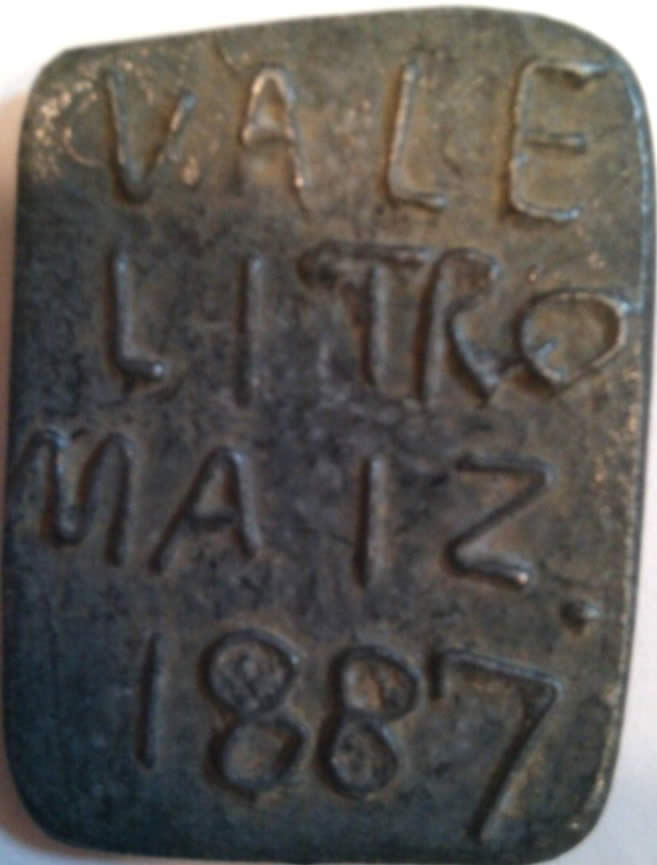
2. 1887 - Tienda (de) Raya Cortez (here as Ralla) - Vale (por un) litro de maiz (worth/good for one liter of corn/vegetable oil)
A "tienda de raya" is a company store. On a hacienda, it would serve the same purpose as a coal miner's store, where workers could trade "fichas" (tokens) for products. Some of the larger tiendas de raya even offered "lines of credit" for certain employees. This hacienda would be Hacienda de Cortes/Cortez, a name shared by multiple haciendas, all named after Hernan de Cortes.
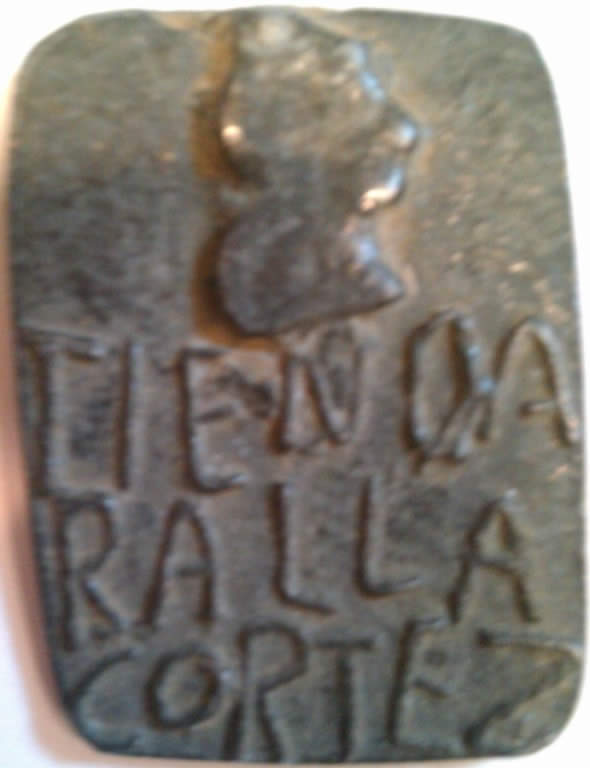
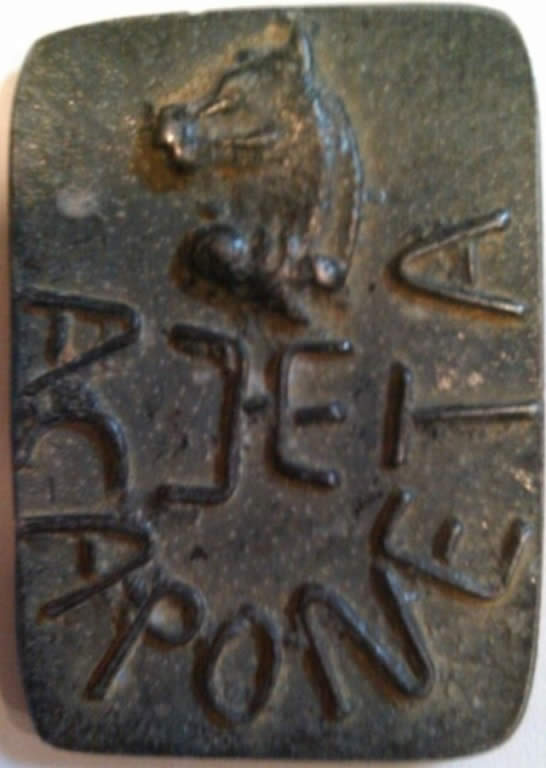
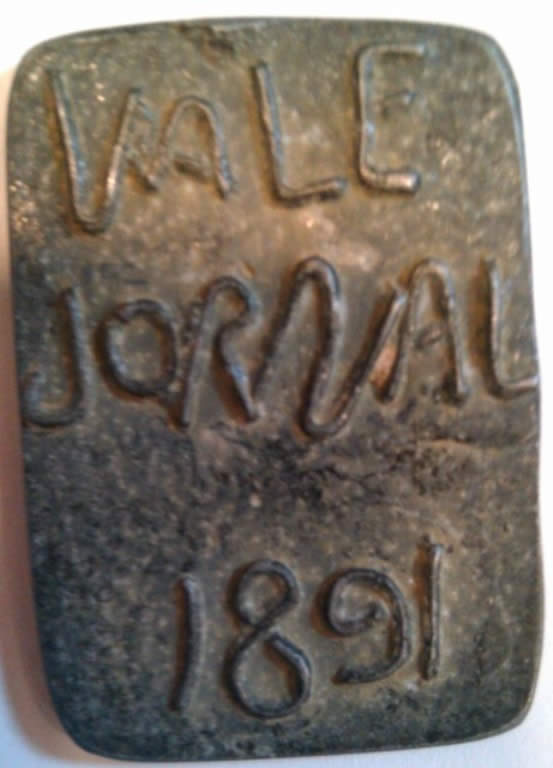
3. 1891 - Hacienda monogram (maybe H-E as in Hacienda Ejidal?) and stylized horse's head. Acaponeta, Nayarit. "Vale jornal" (worth/good for a day's wages.)
Ejidal means "of/from the ejido"
An "ejido" was sort of like a large area of farm or pasture land which was "owned" by the community as a whole. Indigenous farmers and peasants were allowed to grow crops there, or graze their cattle there, but could not improve or alter the land. Later on (pre-Revolution, during Diaz's rule) large haciendas with the backing of the Diaz government began taking over these "ejidos" from their indigenous communities and tenant farmers, (unlawfully) evicting them from the land and forcing many of the residents into a sort of sharecropper or indentured slavery system within the haciendas.
This is still a very contentious (and litigious) issue even here in Texas, where many ejidos held by tenant farmers and native Texians (Texan landholders under Mexico pre-annexation) were unlawfully taken by haciendas - often by force, including outright murder and forced relocation - and turned into mega-ranches such as the famous King Ranch among others. Years later, after the rediscovery of original Mexican deeds of land ownership, descendants of the original owners launched numerous lawsuits aimed at forcing the haciendas/ranches to return those parcels of land to their rightful owners; much of the associated litigation has been tied up in courts for over a decade, since much of the former ranch land is now state-owned land.
1. 1887 - Fresnillo, Zacatecas (here as Frexnillo, Zacatecaz) - Vale por un jornal (worth/good for a day's wages)
2. 1887 - Tienda (de) Raya Cortez (here as Ralla) - Vale (por un) litro de maiz (worth/good for one liter of corn/vegetable oil)
A "tienda de raya" is a company store. On a hacienda, it would serve the same purpose as a coal miner's store, where workers could trade "fichas" (tokens) for products. Some of the larger tiendas de raya even offered "lines of credit" for certain employees. This hacienda would be Hacienda de Cortes/Cortez, a name shared by multiple haciendas, all named after Hernan de Cortes.
3. 1891 - Hacienda monogram (maybe H-E as in Hacienda Ejidal?) and stylized horse's head. Acaponeta, Nayarit. "Vale jornal" (worth/good for a day's wages.)
Ejidal means "of/from the ejido"
An "ejido" was sort of like a large area of farm or pasture land which was "owned" by the community as a whole. Indigenous farmers and peasants were allowed to grow crops there, or graze their cattle there, but could not improve or alter the land. Later on (pre-Revolution, during Diaz's rule) large haciendas with the backing of the Diaz government began taking over these "ejidos" from their indigenous communities and tenant farmers, (unlawfully) evicting them from the land and forcing many of the residents into a sort of sharecropper or indentured slavery system within the haciendas.
This is still a very contentious (and litigious) issue even here in Texas, where many ejidos held by tenant farmers and native Texians (Texan landholders under Mexico pre-annexation) were unlawfully taken by haciendas - often by force, including outright murder and forced relocation - and turned into mega-ranches such as the famous King Ranch among others. Years later, after the rediscovery of original Mexican deeds of land ownership, descendants of the original owners launched numerous lawsuits aimed at forcing the haciendas/ranches to return those parcels of land to their rightful owners; much of the associated litigation has been tied up in courts for over a decade, since much of the former ranch land is now state-owned land.
Member ANA - EAC - TNA - SSDC - CCT #890
"Most of the things worth doing in the world had been declared impossible before they were done." -- Louis D. Brandeis
"Most of the things worth doing in the world had been declared impossible before they were done." -- Louis D. Brandeis


