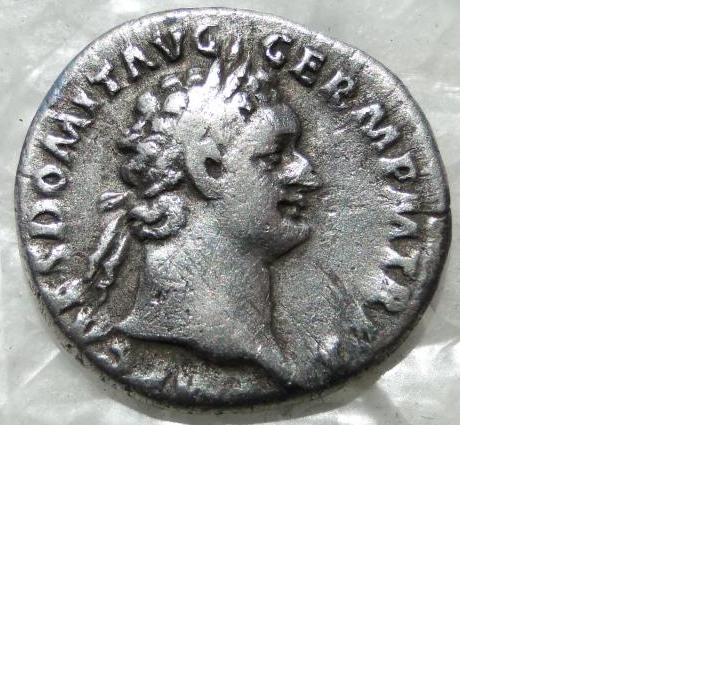
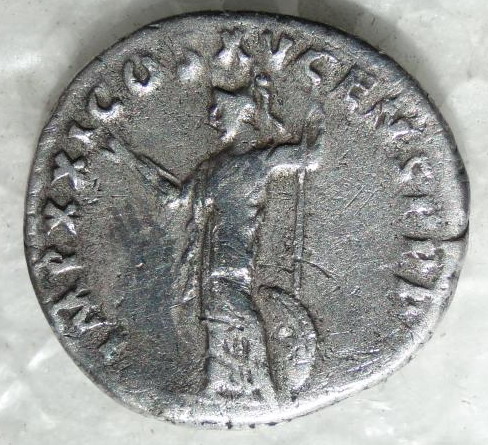
Best thing to do is not clean - if a coin is identified then there is no need to risk damaging it with further cleaning. A clean coin will not necessarily be worth more than the same one with a bit of 'grub' on it.
With ancients its less important as at some point they have all (apart from gold ones) come out of the ground covered in dirt and corrosion. Most ancient collectors understand this and as long as the cleaning has been done in a reasonable way they dont care and it does not reduce their value.
With more recent coins like a lot of the American ones from the 19th and 20th century its a definite 'no no'. To be honest their pursuit of coins in uncirculated, untouched condition perplexes me. I'd rather have a coin that had actually been used and passed through peoples hands than one that has come straight from the mint and never been touched. Collectors of these will often mess themselves if you even mention rubbing a coin with a cloth!
This is also why Ancient collectors dont bother assigning 'grades' to their coins beyond poor, good or very good. I think some of the American coins are now graded to the 1/2 point on a 70 point scale! Crazy.
The least destructive way to clean coins is in olive oil - this can however take a long time (months of soaking), soak them for a bit then rub them with a toothbrush, repeat until your happy. There are chemical baths and electrolysis methods but these are usually last resorts - going back to what I said above - if the coin is identified then its 'clean enough'.
I've used electrolysis on Roman coins and would again in the future but the results vary from coin to coin, it can work great on one coin and ruin another - I only use it on the coins I have decided will not clean with olive oil and patience and cant be IDed.
Edited by bobbyhelmet
05/21/2010 3:53 pm









 Posted 05/20/2010 4:43 pm





