












 Posted 07/09/2010 11:23 pm


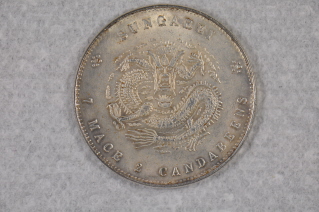
The "mace" and "candareen " are units of weight, with 10 candareens to a mace. The silver dollar weighed 7.2 mace, so a coin with that weight on it is claiming to be a dollar.
There were dozens of different designed dollars issued by China in the early 20th century, as the government changed from crumbling Empire to unstable Republic. Some are dated, some are not; not all the coins that are dated were actually struck in the year the coin is dated.
And to add to the confusion, these coins have been heavily counterfeited. These counterfeits range in quality from the laughably silly to the impossible-to-tell-from-the-real-thing. Unfortunately, I believe both of yours are fakes.
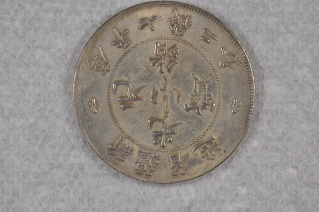
The top one has the Imperial dragon with "Sungarei" as the province of issue; this is an alternate way of writing Sinkiang Province, but only some extremely rare trial pieces are known to have been issued with this name in English like this; listed in Krause as KM# Pn47. The reverse doesn't match with the obverse, either; this example of a genuine one on Heritage has the correct reverse.
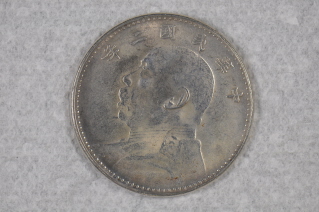
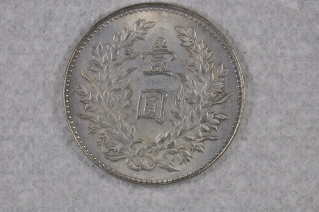
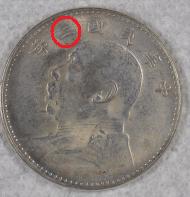
The bottom one is a "Fat Man Dollar", dated Year 2 of the Republic. Genuine examples are cheap enough, but the colour on this one looks wrong, especially the reverse where the silvering seems to be rubbing off. It also suffers from guilt by association; if you bought it from the same place as #1 and #1 is fake, then #2 is probably fake too. Most sellers of these fakes don't mix up genuine and fake coins.
There were dozens of different designed dollars issued by China in the early 20th century, as the government changed from crumbling Empire to unstable Republic. Some are dated, some are not; not all the coins that are dated were actually struck in the year the coin is dated.
And to add to the confusion, these coins have been heavily counterfeited. These counterfeits range in quality from the laughably silly to the impossible-to-tell-from-the-real-thing. Unfortunately, I believe both of yours are fakes.
The top one has the Imperial dragon with "Sungarei" as the province of issue; this is an alternate way of writing Sinkiang Province, but only some extremely rare trial pieces are known to have been issued with this name in English like this; listed in Krause as KM# Pn47. The reverse doesn't match with the obverse, either; this example of a genuine one on Heritage has the correct reverse.
The bottom one is a "Fat Man Dollar", dated Year 2 of the Republic. Genuine examples are cheap enough, but the colour on this one looks wrong, especially the reverse where the silvering seems to be rubbing off. It also suffers from guilt by association; if you bought it from the same place as #1 and #1 is fake, then #2 is probably fake too. Most sellers of these fakes don't mix up genuine and fake coins.
Don't say "infinitely" when you mean "very"; otherwise, you'll have no word left when you want to talk about something really infinite. - C. S. Lewis


