| Author |
 Replies: 42 / Views: 18,315 Replies: 42 / Views: 18,315 |
|
|
|
Valued Member
146 Posts |
{quote]Term for the incuse polish lines on the die which result in raised lines on coins. These are usually fine, parallel lines though on some coins they are swirling, still others with criss-cross lines. Planchet striations are burnishing lines not struck away by the minting process and are incuse on the coins. I was referred to this thread as a Late comer please let me add. Planchet striations are never raised on the finished coin. However, when they are deep and irregular (various depths in parallel) on the planchet, they can appear to have different (raised) depths on he coin - especially in the center of the patch where the depth on the planchet is usually greatest. I have never seen a swirling striation in fifty + years using a stereo scope to examine coins. The sentence about "burnishing" is correct. Quote:
defects in a blank planchet, caused by impurities in the metal, that are not obliterated when the coin is struck.[Quote]
Some may call the streaks of different colors on a coin striations but IMO this is not "professional" usage. THE 1948 NICKEL is an example of "streaked alloy."
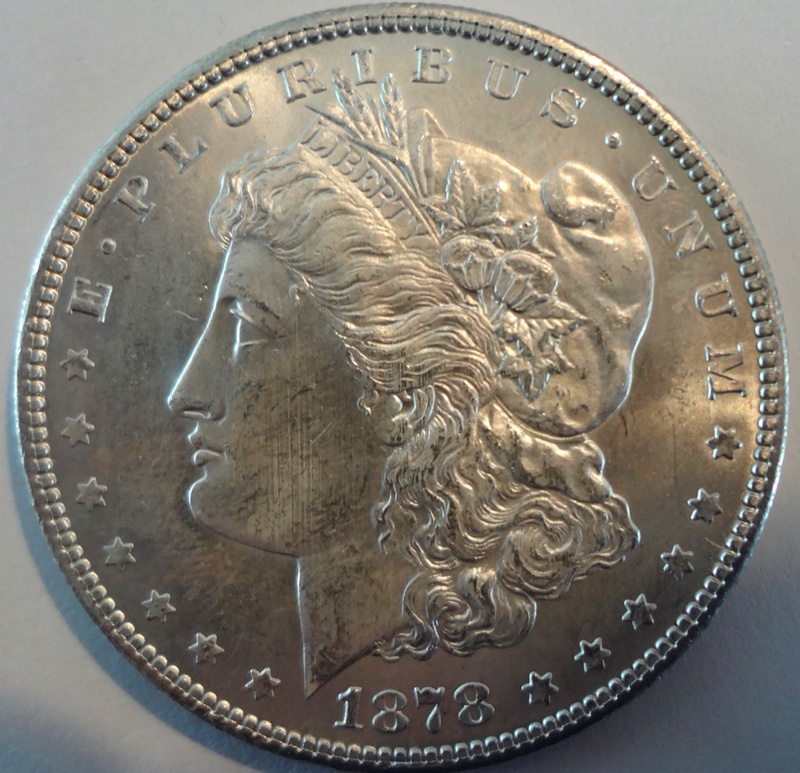
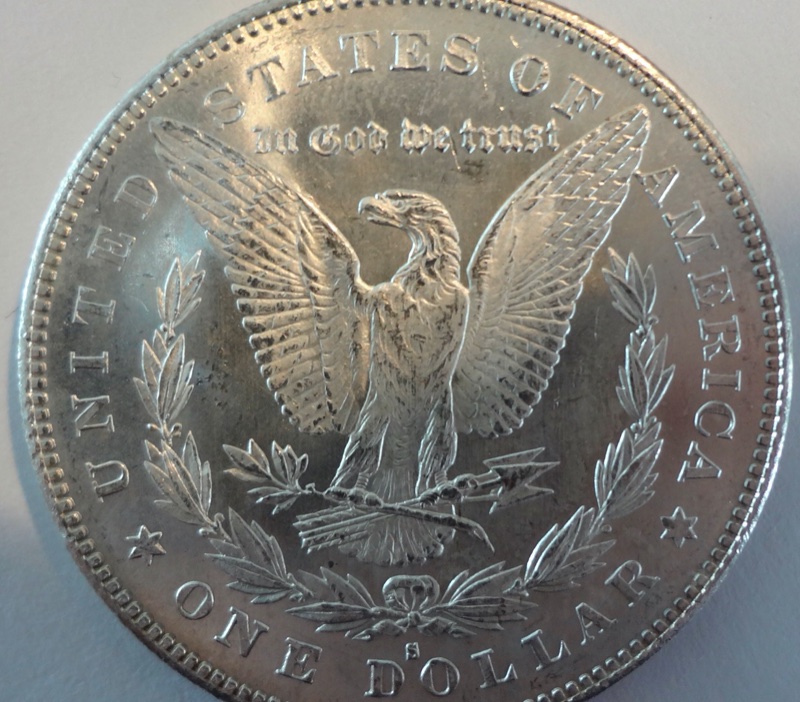
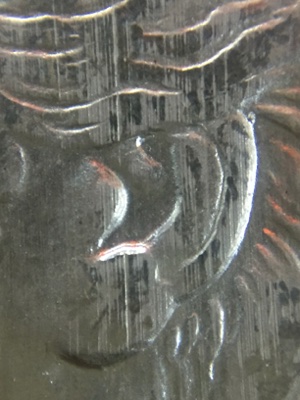
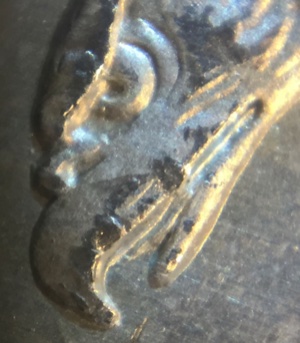
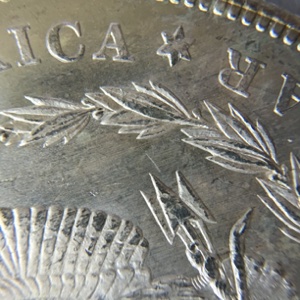
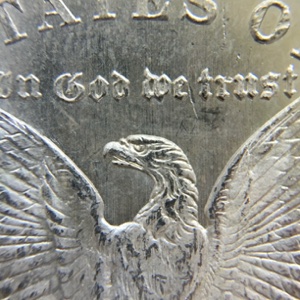
hair over ear on zeewool's dollar and 1883-O are EXCELLENT examples of planchet striations that were not oblerated during strike.. Thanks for the great info and photos.
|
|
Valued Member
146 Posts |
Quote:
Yeah, I know Gene. I can understand your coin, as the lines are in the planchet rather than the die, but when the lines are in the die, rather than the planchet, I wonder what the cause might have been. Raised marks of any kind on a coin are from depressions IN THE DIE. Some causes: damage, die chips, rust pits, die polish, etc. |
|
Valued Member
146 Posts |
Quote:
there are not many examples of STRIATIONS Striations are fairly common on some coins like Morgans and gold dollars. |
|
Valued Member
146 Posts |
Quote:
Yeah, this is something that I also have been wondering. Surely they must have been substantially reduced during strike, which makes me wonder that they should have been so obvious as to be detected prior to entering the press? Planchets are fed into press through a feed tube...the press operator does not look at them! |
|
Rest in Peace
United States
637 Posts |
Just reading this for the first time, and I agree, planchet striations are certainly not in the die, as they would be raised on the coin. The initial post threw me off because it stated that they were raised and they were incuse ?! Anyways, I don't believe for them to be in the hub either of course, and proof is that there are many varieties that don't show any striations at all, then you find an example or two with. I believe they were created during the minting process. It is curious that they seem to be found on weakly struck examples, at least in my experience. Of course I look at a lot of New Orleans mint dollars ;)
|
|
Pillar of the Community
 United States
709 Posts |
I have seen planchet striations only on weakly struck issues.
|
|
Pillar of the Community
United States
7390 Posts |
They are from the roller machines used to roll out the metal stock to the proper thickness. Which Means They are on the planchets Prior To the Strike. Now, these striations are usually obliterated by the 150 tons of pressure on accurately spaced dies. Well, if the dies were too far apart or if the pressure wasn't sufficient enough then the metal isn't pushed into the highest points of the coin leaving the striations intact
|
|
New Member
Canada
49 Posts |
|
|
Valued Member
United States
52 Posts |
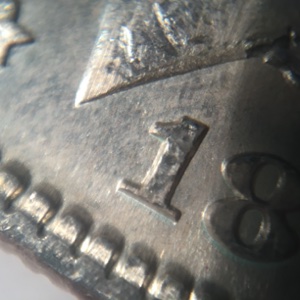
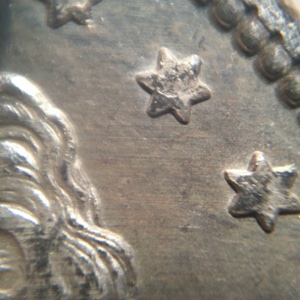
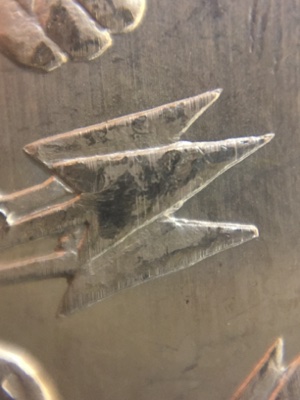
Hello all. So, I've been doing a little bit of research into these most common Denver Mint issues, and wonder now if my 1999 D Lincoln Penny is a true Planchet striations, as they do not disappear when the die strike occurs. These Planchet striations remain to be throughout both sides in lettering, figures, etc. after the strike. What say ye? Encourage feedback whether it's unique to hold onto, requires further analysis, or possibly all the above. 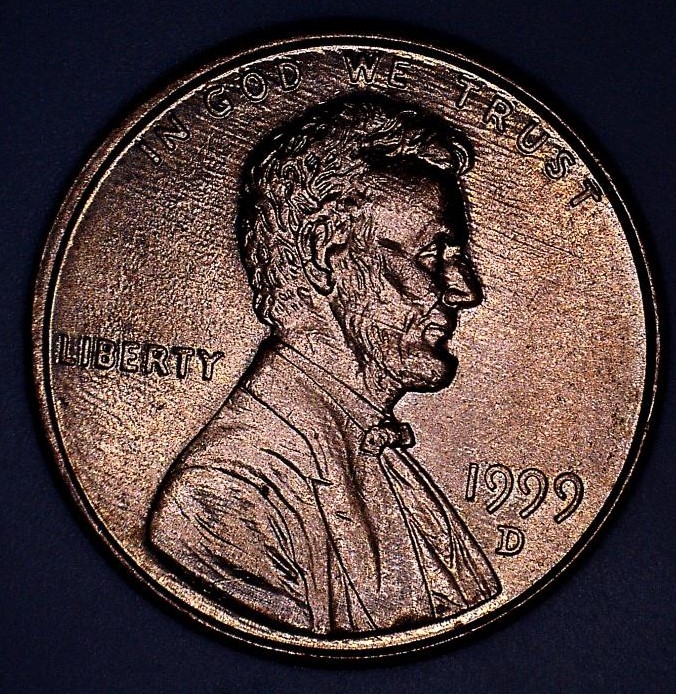 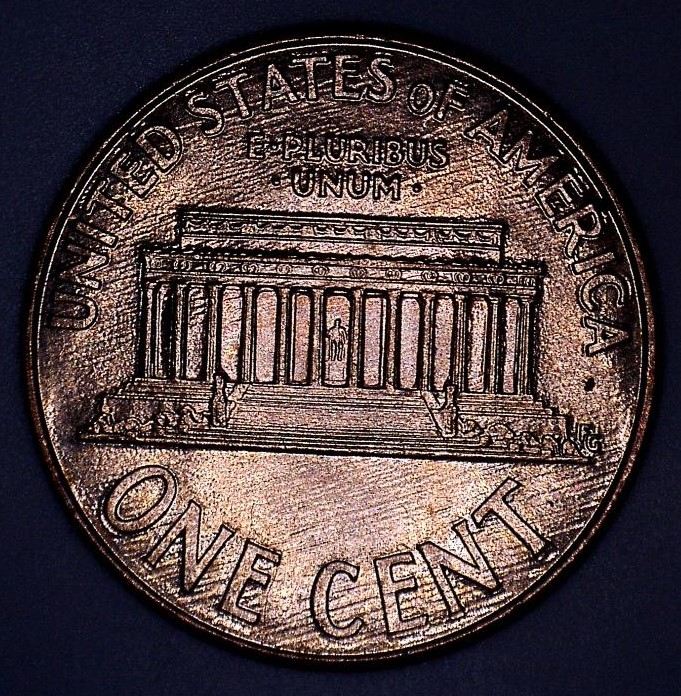 |
|
New Member
United States
5 Posts |
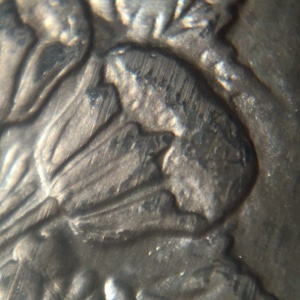
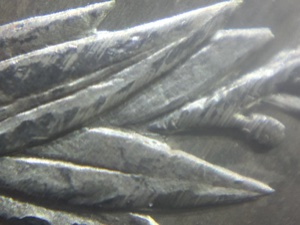
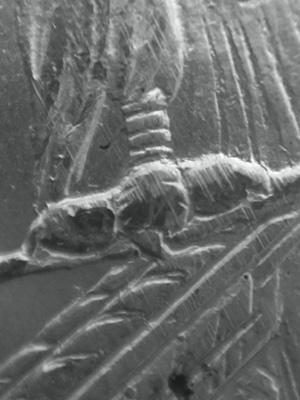
This is all great information! Just in case others are interested in these features; here is my 1922 Peace dollar with remarkable stria. I believe whatever the material was that led to the planchet error, took the brunt of the pressure of the stamping process and allowed for the roller striations to remain intact...I think 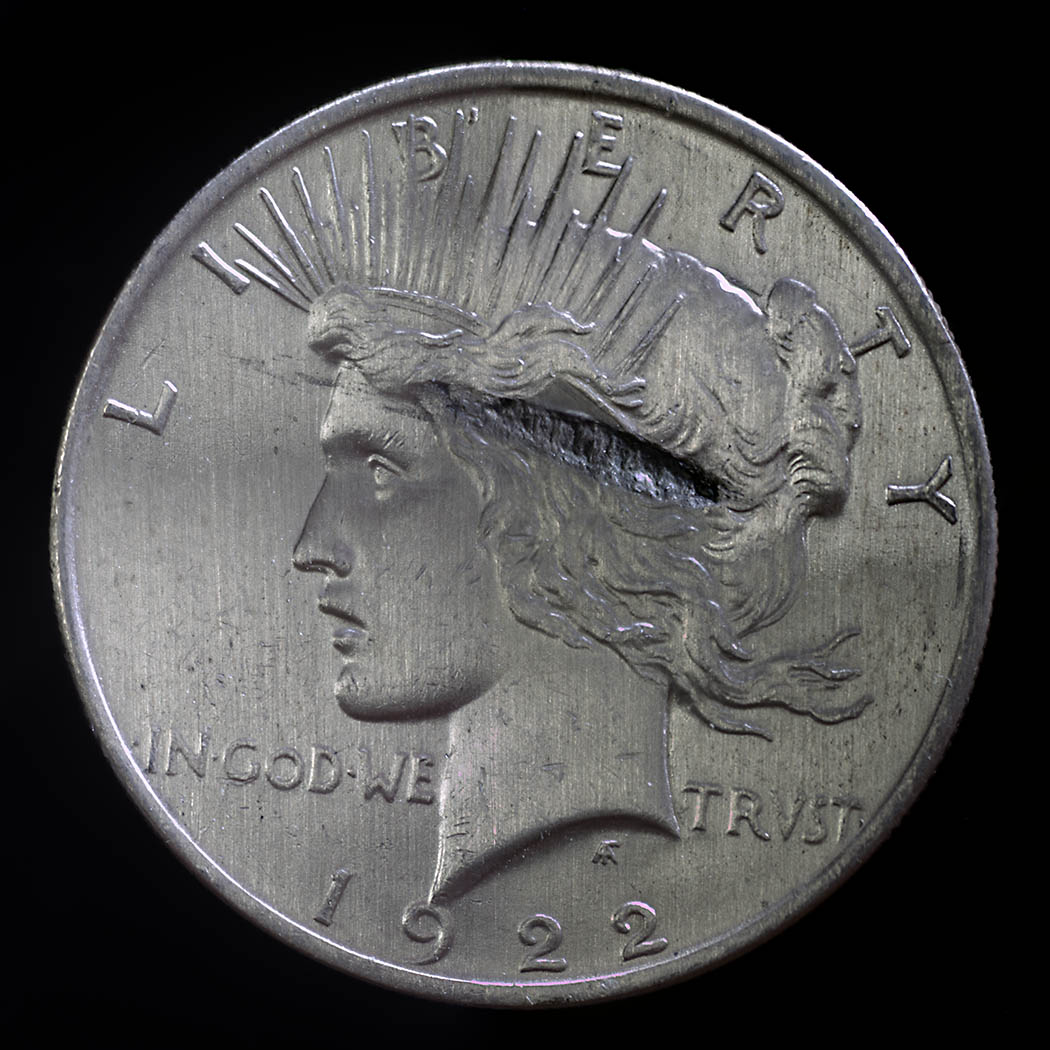 |
|
Moderator
 United States
196100 Posts |
 to the Community, Cogeto! |
|
New Member
United States
5 Posts |
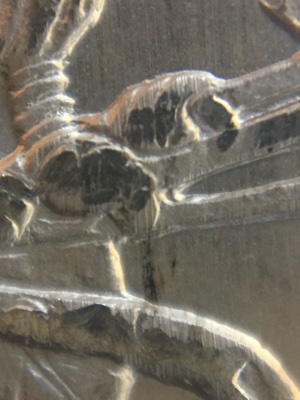
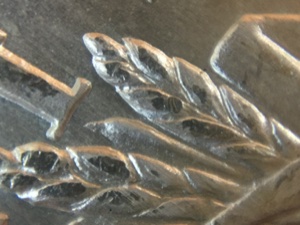
Thank you Jbuck, glad to be here! Not to beat a dead horse, but I am very glad I found you guys/gals so I can put to rest my musings as to what exactly happened to this coin. These features are very remarkable in the microscope, not so much in pictures. Here is one last image, then I'll promise to be quiet. This is a 3D image (Cross-eye view). When you get it to work it's definitely better than a thousand words on this topic. 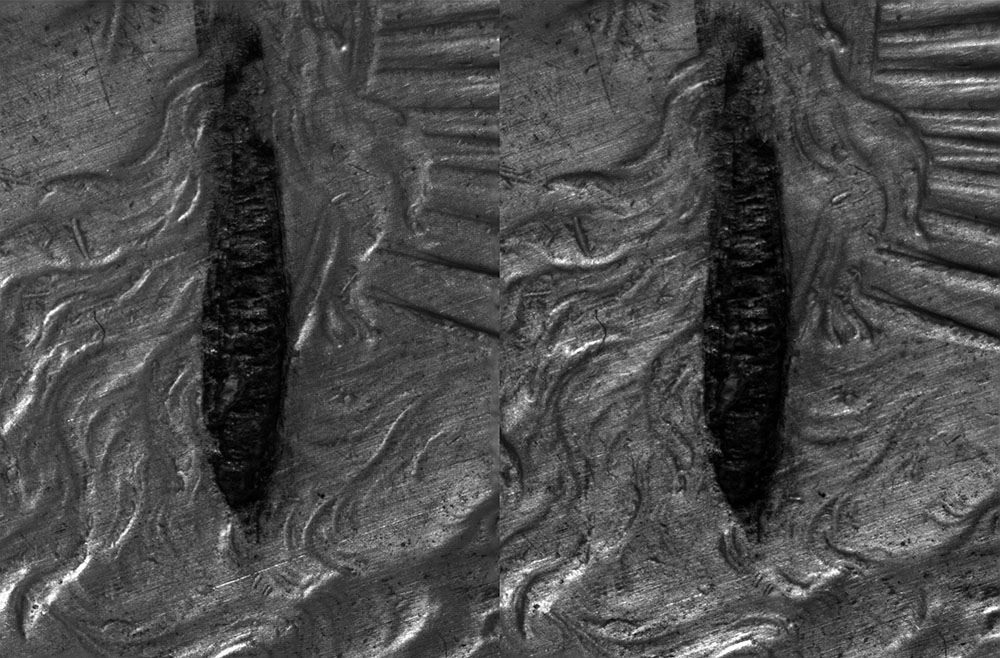 |
| |
Replies: 42 / Views: 18,315 |






 First Page
 Previous Page

 Posted 01/26/2016 2:24 pm