| Author |
 Replies: 12 / Views: 2,859 Replies: 12 / Views: 2,859 |
|
|
New Member
Switzerland
11 Posts |
Hello dear community thank you for your help in other cases with fake Morgan dollars. In the last few months I bought a few fake coins but luckily I got my money back every time. Now I could buy a customer gift from a bank for $ 30. It is about 25 to 30 years in the display.I wonder if the coin in the display is real, you can't check the coin in it. What do you think? Greetings from Switzerland, swissly 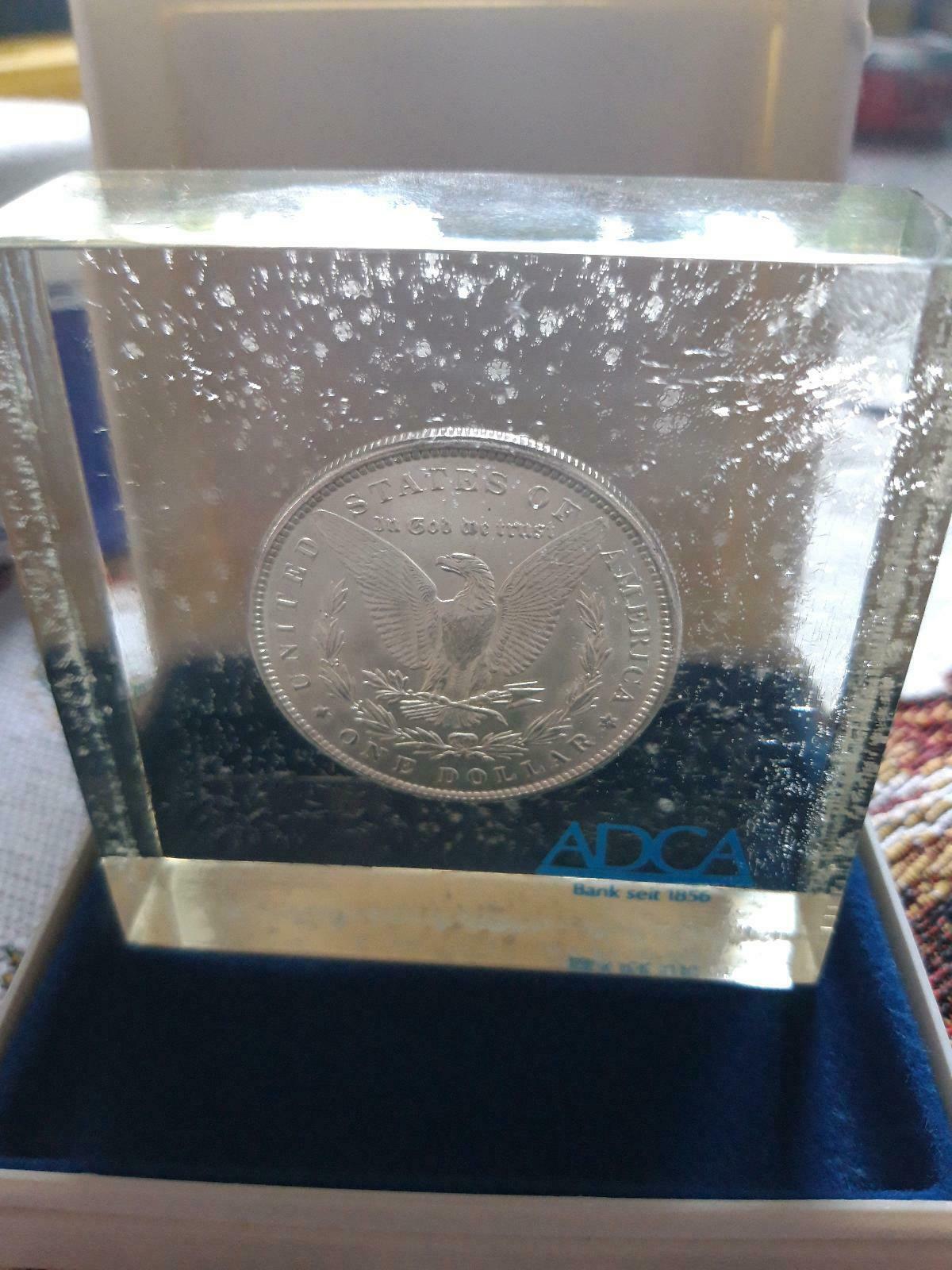 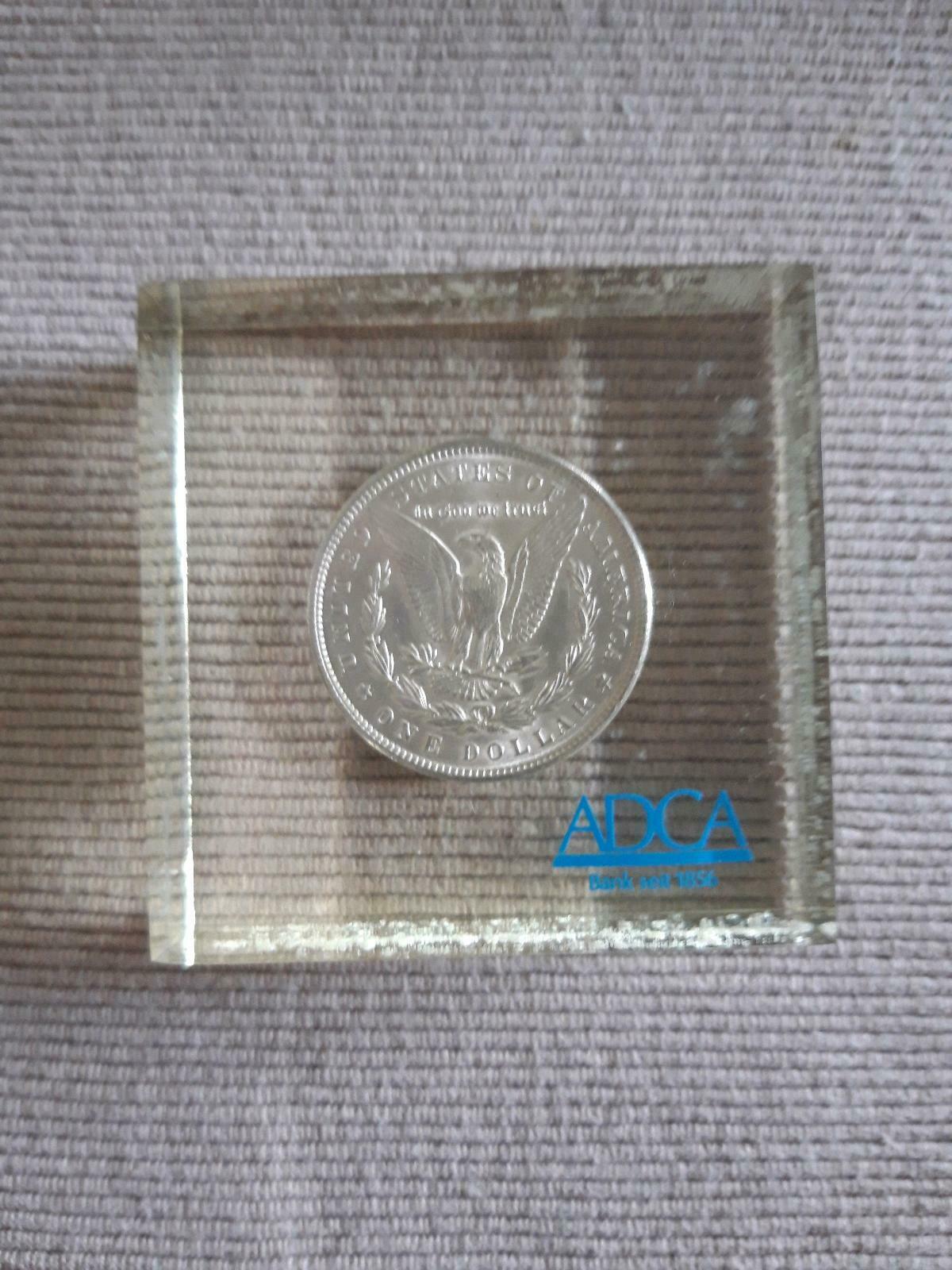 |
|
|
|
Moderator
 United States
194687 Posts |
I imagine it is real. Would need to see the obverse though to be sure.
|
|
Bedrock of the Community
United States
19517 Posts |
Agree, an image of the obverse will tell us much.
|
|
New Member
 Switzerland
11 Posts |
Thanks for the answers.
Unfortunately no picture of the back is available. It's an 1889CC. Joke. Only 1889:) Has anyone seen anything like this before? What would you pay for it if the coin is real? I think it`s nice to look at it every day on the desk. In my personal opinion, this is 100% real. Luster is incredible. I think it would receive a very good grading
|
|
Moderator
United States
194687 Posts |
|
|
New Member
Switzerland
11 Posts |
Wow - thanks for the links! You can find really everything about Morgans in this forum:) I am surprised why a German bank has chosen a Morgan dollar as a customer gift and not a German historical old silver coin... |
|
Bedrock of the Community
United States
94367 Posts |
That does seem like an odd choice.  to the CCF! |
|
Pillar of the Community
United States
1534 Posts |
If you read up on the Pittman Act of 1918, you'll find that during WWI, the German government began a propaganda campaign to discredit the UK's currency in India. The Germans convinced Indian citizens that British banknotes in that country could not be redeemed for silver. This led to a run on the British supply of silver. Also under the Pittman Act, 270,232,722 standard U.S. silver dollars were converted into bullion (259,121,554 for sale to Great Britain at $1 per fine ounce, plus mint charges, and 11,111,168 for subsidiary silver coinage).
Maybe in all of this, some surviving U.S. silver dollars made it to Germany?
|
|
New Member
Switzerland
11 Posts |
Interesting thoughts, halfamind!
The name of the bank was Allgemeine Deutsche Credit Anstalt and was founded in 1856. It was one of the largest banks in Germany and was mainly active in northern Germany. In 1983 it was taken over by the Rabobank Group. The customer gift must therefore be older than 1983. That should actually mean that the probability of a counterfeit should be lower. In addition, a bank is unlikely to give out fake coins as gifts, but it could also be that the symbolic value was important even then.
Probably no longer of interest to collectors. But what better way to preserve a silver coin than in this way under the exclusion of air? The coin can actually no longer age unless the light radiation plays a role or a chemical reaction with the plastic ...
|
|
Pillar of the Community
United States
1534 Posts |
@swissly, for $30, I think I'd go ahead and take my chances and buy it.
|
|
Moderator
United States
194687 Posts |
Quote:
Wow - thanks for the links! You can find really everything about Morgans in this forum:) You are welcome.  |
|
New Member
Switzerland
11 Posts |
Hello here`s a picture of the other side of the coin. The dots are from the pastic and not on the surface of the coin. Bye, Klaus  |
|
Valued Member
206 Posts |
Dang, that's a nice one, almost makes me want to take a plane there!
|
| |
Replies: 12 / Views: 2,859 |
|






 Posted 04/06/2021 2:31 pm





