








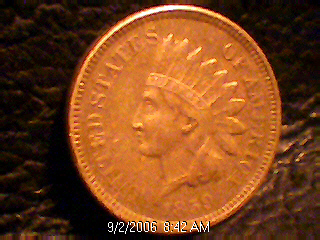
 1859
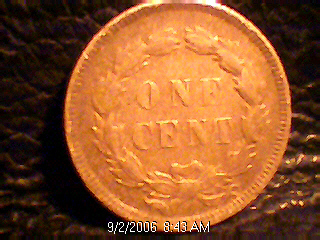
1859 


 Posted 09/02/2006 04:49 am


Porosity can be a sign of several things.
1). Being buried in the ground for awhile, then dug up and cleaned. Mildly acidic chemicals in the soil slowly eat away at the coin's surface. The corrosion products would have been removed by the finder (or someone else), which may have added to the damage (see point 2).
2). Being a perfectly normal, unburied coin that was either improperly cleaned or otherwise exposed to harsh chemicals such as acids. Much the same reaction as what happens to buried coins, but it happens a lot faster.
3). Being a cast counterfeit. Given this coin is fairly common, it's probably safe to dismiss this possibility (but no guarantees - forgers can forge anything). Check the coin's weight and density if you're worried about this.
Edit for spelling (again! gotta remember to hit Check before Submit!)
While I'm editing, those are pretty good pics from a webcam. Good job!
1). Being buried in the ground for awhile, then dug up and cleaned. Mildly acidic chemicals in the soil slowly eat away at the coin's surface. The corrosion products would have been removed by the finder (or someone else), which may have added to the damage (see point 2).
2). Being a perfectly normal, unburied coin that was either improperly cleaned or otherwise exposed to harsh chemicals such as acids. Much the same reaction as what happens to buried coins, but it happens a lot faster.
3). Being a cast counterfeit. Given this coin is fairly common, it's probably safe to dismiss this possibility (but no guarantees - forgers can forge anything). Check the coin's weight and density if you're worried about this.
Edit for spelling (again! gotta remember to hit Check before Submit!)
While I'm editing, those are pretty good pics from a webcam. Good job!
Don't say "infinitely" when you mean "very"; otherwise, you'll have no word left when you want to talk about something really infinite. - C. S. Lewis
Edited by Sap
09/02/2006 04:52 am
09/02/2006 04:52 am

 1859 Indian.jpg
 1859 Indian-Rev.jpg


