| Author |
 Replies: 9 / Views: 3,240 Replies: 9 / Views: 3,240 |
|
|
Pillar of the Community
United States
744 Posts |
I bought a couple of dollars of .900 silaver and found a few things..... What do you think, they are not in the Cherry Pickers Guide, is this common for quarters? 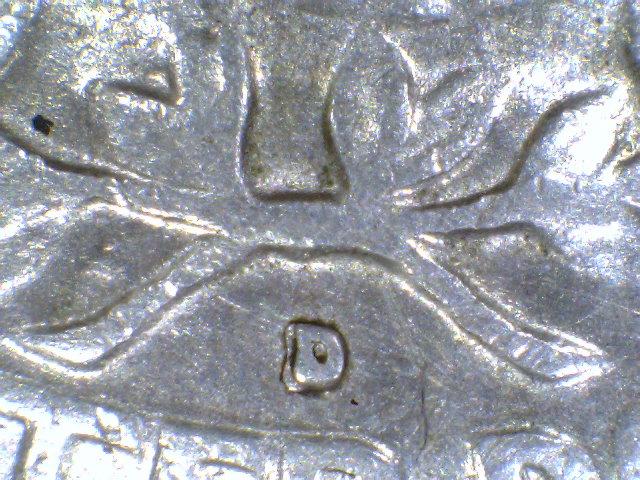 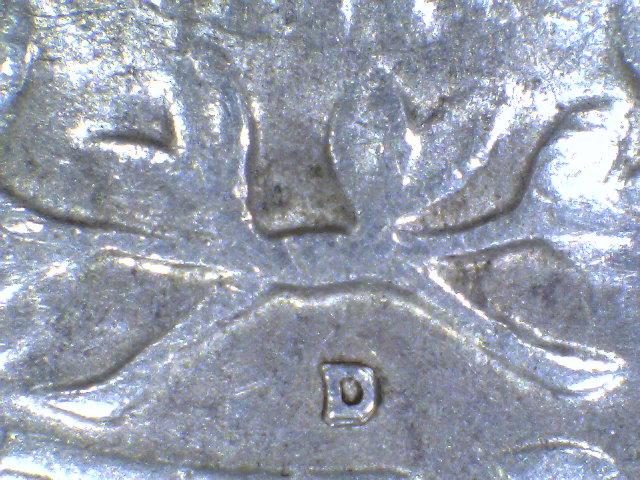 |
|
|
|
Bedrock of the Community
United States
62064 Posts |
|
|
Pillar of the Community
 United States
744 Posts |
thanks.....  |
|
Pillar of the Community
United States
3640 Posts |
Help me out here and/or am I missing some information ? This is pertaining to the first pic. only. If that doubling effect was on a 1962 Lincoln Cent M.M. i am pretty sure it would be classified as an RPM why is it that just about every wash. quarter with this same effect is machine doubled only ? I really do not know so that is why I am asking. |
|
Bedrock of the Community
United States
62064 Posts |
Sometimes when they punch the mint mark it get deeper than the rest of the devices. When the coin is ejected it may be damaged then or from die movement during the strike. The key is the flat shelf like damage on a devices/devices. Just damage, not a doubled die/RPM. It comes from a normal die with a shudder in the coining press or happens during ejection. All the same thing Machine Doubling. |
|
Pillar of the Community
United States
3640 Posts |
Thanks. The deeper M.M. application makes sense.
Then the M.M. on the coin would be raised much more than normal
and then I can see why a wobble or two on the punch.
When I looked at the top pic. I saw not only the east/west slide
but the top impression seemed to go just a tad north also.
I also thought I saw an impression inside the M.M. but that is just a shadow now that I look at it. That was my concern as to why I thought
it may be an rpm.
|
|
Bedrock of the Community
United States
62064 Posts |
On RPMs the punch that isn't right over the primary one enlarges the mint mark. This can be seen and identified as to direction. But note on the examples below, the enlarging of the mint mark. 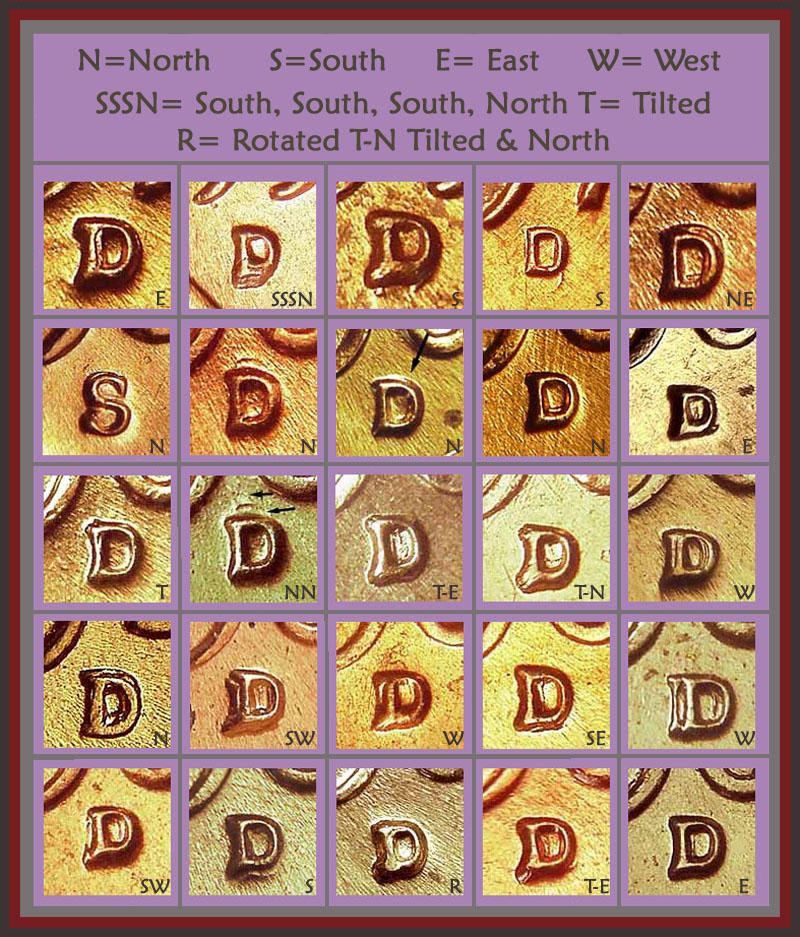 On the two examples above (the original posters images) the mint marks are just normal size, just damaged during the striking/ejecting process. Normal dies made these but just called machine doubled. |
|
Bedrock of the Community
United States
62064 Posts |
On RPMs the punch that isn't right over the primary one enlarges the mint mark. This can be seen and identified as to direction. But note on the examples below, the enlarging of the mint mark. On the two examples above (the original posters images) the mint marks are just normal size, just damaged during the striking/ejecting process. Normal dies made these but just called machine doubled. |
|
Valued Member
United States
94 Posts |
If it is any consolation wild bill, I have the same '62-d as your top image in nice uncirculated condition and wondered the same thing myself. I collect lincoln varieties, but was unfamiliar with the washington rpms
|
|
Pillar of the Community
United States
7629 Posts |
Silver dimes, quarters, and half dollars hae a LOT of machine doubled mintmarks. It is what it is. I believe it's because the mintmark is on the anvil die, but it could be something else. Indian1 - If the same thing were on a Lincoln Cent it would be - Machine Doubling. It's not the type of coin the anomaly is on, it's the anomaly that deserves all its credit. If it's a repunched mintmark, then so be it. If it's Machine Doubling, so be it. They are definitely different regardless of the coin series on which they show. The rules are the same regardless of the coin. |
| |
Replies: 9 / Views: 3,240 |
|




 Posted 03/29/2011 4:36 pm





