| Author |
 Replies: 11 / Views: 1,197 Replies: 11 / Views: 1,197 |
|
|
Pillar of the Community
United States
609 Posts |
|
|
|
|
Moderator
 United States
23522 Posts |
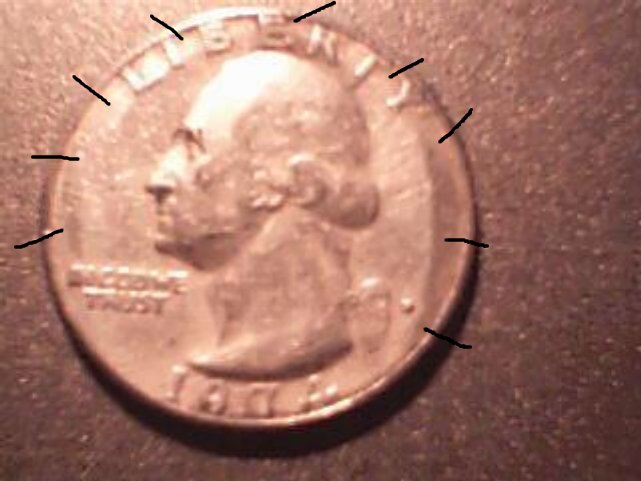
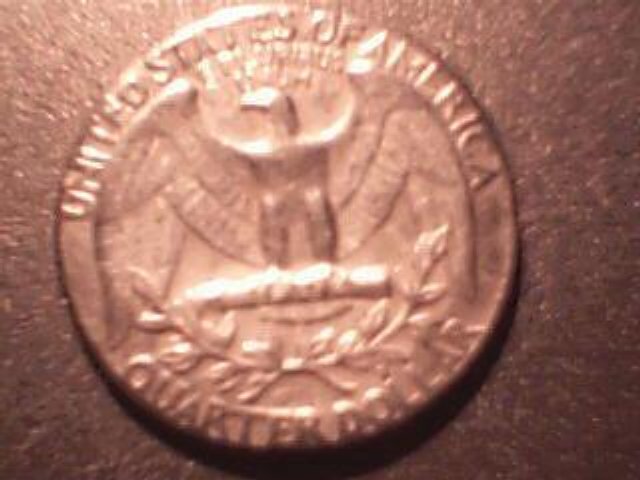
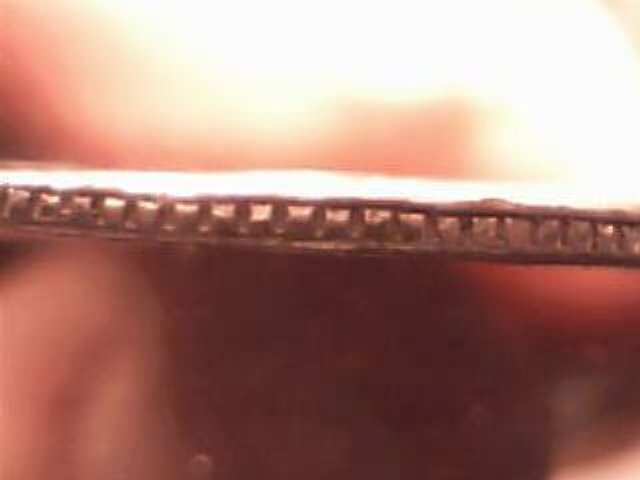
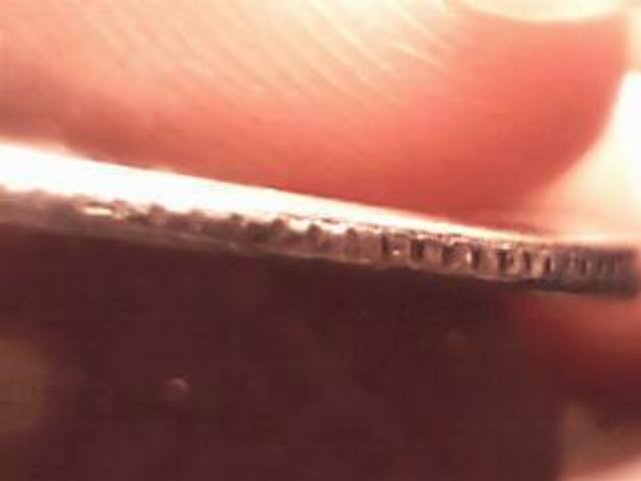
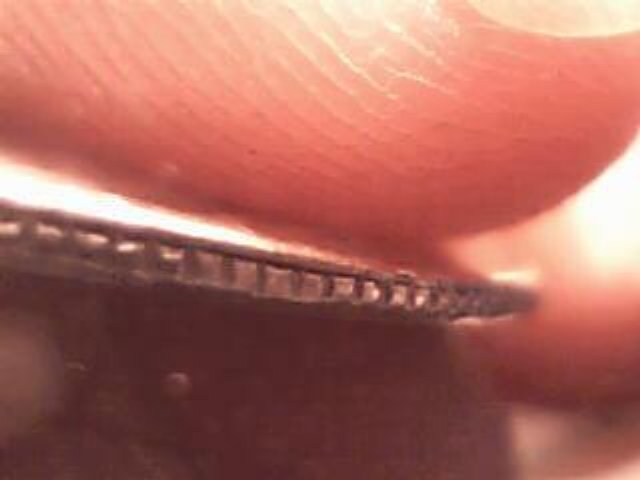
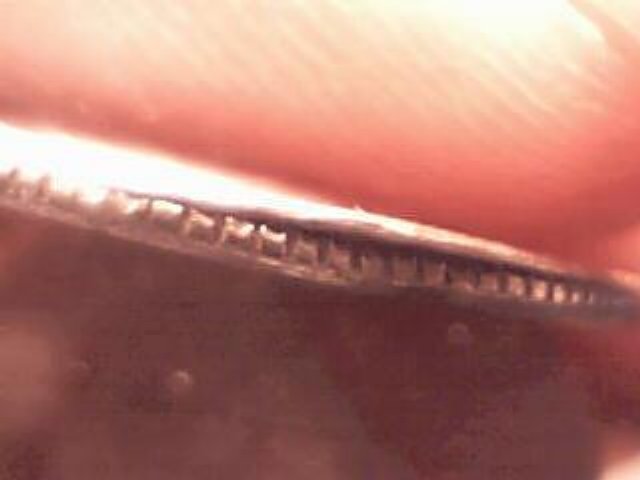
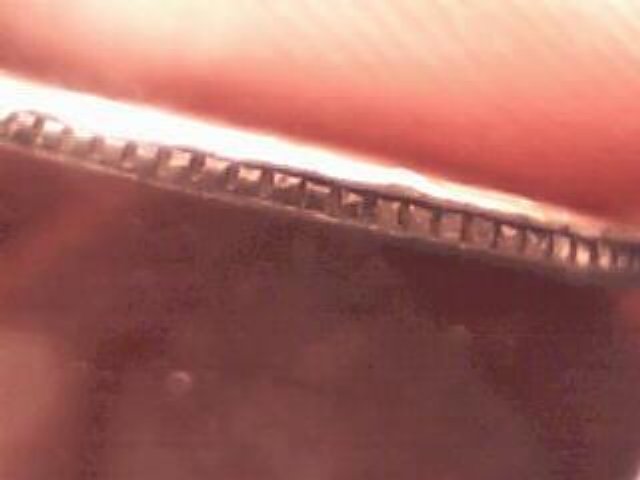
Welcome back! I hope you're doing better. I couldn't endure the torture of being forced off the computer.  Wouldn't know what to tell you about the quarter. It looks like an incomplete planchet that sneaked past the upsetting mill. Extremely cool. |
|
New Member
United States
37 Posts |
Believe it or not, this is an old trick that was done quite often in the High School lab. It is done by immersing the coin into an acid bath that will actually shrink the coin. Leave it in to long and you will have nothing left. Once out of the acid bath, the residue is neutralized and wa-la, you have a shrunken coin; not to be confused with a shrunken head which is a different process.
I know, it sounds hard to believe, but ask any chemistry major and they will tell you that it is true.
WAVYSTEPS2003 aka BJ Neff
|
|
Pillar of the Community
 United States
609 Posts |
wavysteps, it is still the same circumference of a quarter only thing that is missing is the clad material looks like it is just the very very very tops of the coin...
|
|
Pillar of the Community
United States
590 Posts |
 ...  . A giant stepped on it and squished the clad out of it. Sorry it's past my bedtime. Edited by Dewayne76
10/09/2006 11:56 pm
|
|
Pillar of the Community
United States
609 Posts |
|
|
Pillar of the Community
United States
609 Posts |
Upon further research I have read several articles about acid dipping and in all of the articles, they state that a coin dipped would have lost it sharpness and would dull of flatten the lettering and the head and the eagle, my coin is sharp, there is no dulling, old with age but not dull. The features are very smooth and sharp, the reeds are sharp and not dull, this coin looks like any other quarter except the missing middle layer. If I am to believe the articles, I do not see any evidence of acid dipping. The authors also state that there are actual error coins like this out there. I do not know if this authentic, but after reading these articles, I am swaying towards believing it is authentic.
Edited by wrongalot
10/10/2006 01:56 am
|
|
Valued Member
United States
344 Posts |
|
|
Pillar of the Community
United States
609 Posts |
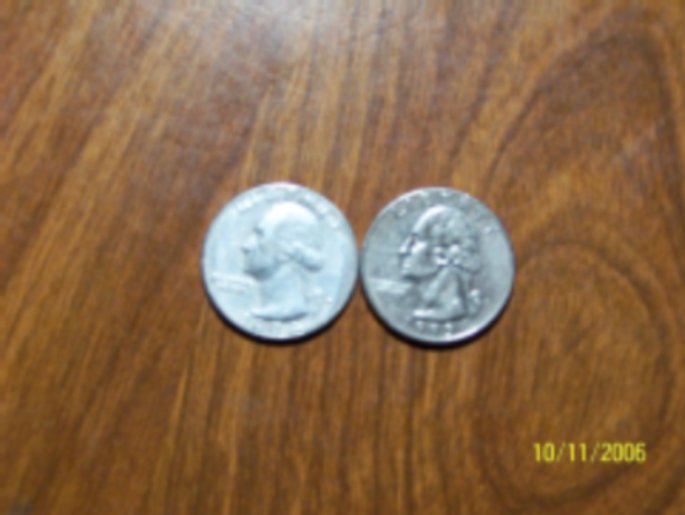
Please let me say again, there is no difference in the diameter it is the exact size of a regular quarter, only very thinner. Those articles tell about shrinking the whole quarter in diameter, my is not shrunken.
|
|
Pillar of the Community
United States
609 Posts |
ok here is that quarter next to a 1995, as you can see it is the same diameter, it is just thin.
|
|
Pillar of the Community
United States
609 Posts |
|
|
Bedrock of the Community
United States
20753 Posts |
As already stated it appears to be what we all have done in chem labs in high school or college. As a Chem major in school, we did dip numerous coins in different types of Acids to see the results. For instance dipping copper coins in H2SO4 ( Sulfuric Acid) produced Copper Sulfate and if run through filter paper and left to have the moisture evaporate at a steady pace, it produced really nice, translucent blue crystals. We did this with all types of coins and many ended up disfigured similar to the one noted here. Some coins vanished completely and others just got messed up a little.
|
| |
Replies: 11 / Views: 1,197 |
|







 74 quar.jpg
 74 quar 2.jpg
 74 quar 3.jpg
 74 quar 4.jpg
 74 quar 5.jpg
 74 quar 6.jpg
 74 quar 7.jpg

 Posted 10/09/2006 10:51 pm


 74 quar compa.jpg


