| Author |
 Replies: 16 / Views: 6,019 Replies: 16 / Views: 6,019 |
|
Pillar of the Community
United States
3499 Posts |
Hey everybody. I know that every one of you has one or many coins in your collection which you think are REALLY unusual or weird for some reason. So let's play show and tell. Show us something weird or greatly unusual and interesting, and tell us why it is so. I'll start us off: This 1810 Brazilian 960 Reis was struck over a Spanish colonial 8 Reales. This is supposedly somewhat typical of this type of coin, but most do not show such detail of the host coin. 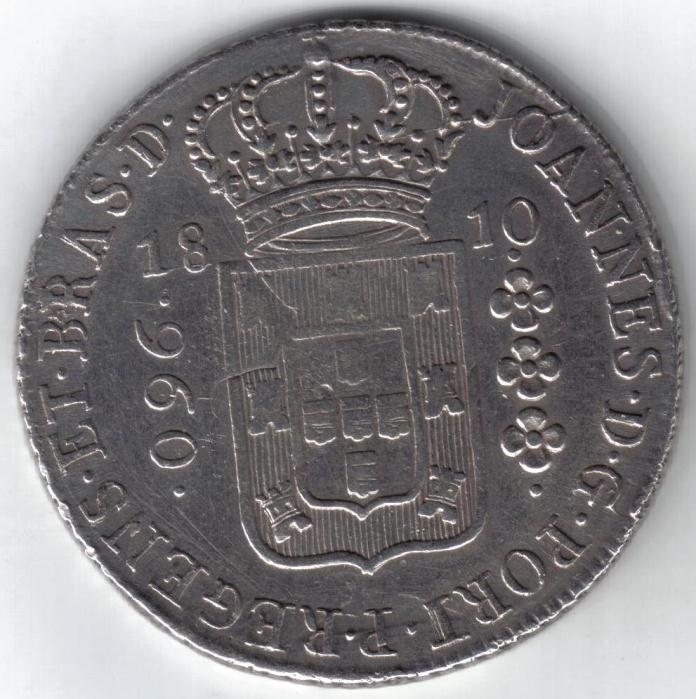 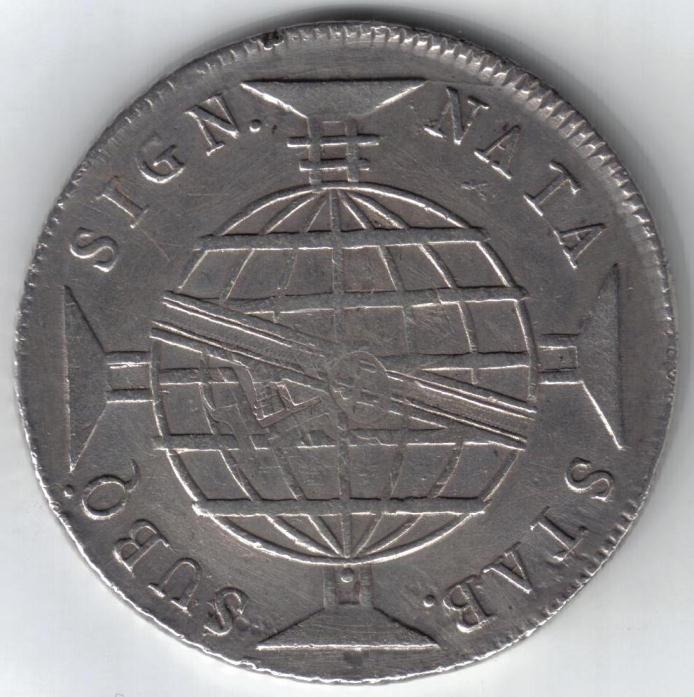 Edited by Archraz
06/19/2011 12:00 am
|
|
|
|
Pillar of the Community
United States
1801 Posts |
Here is another 960 Reis. 1818 struck over a 1816Lima coin. 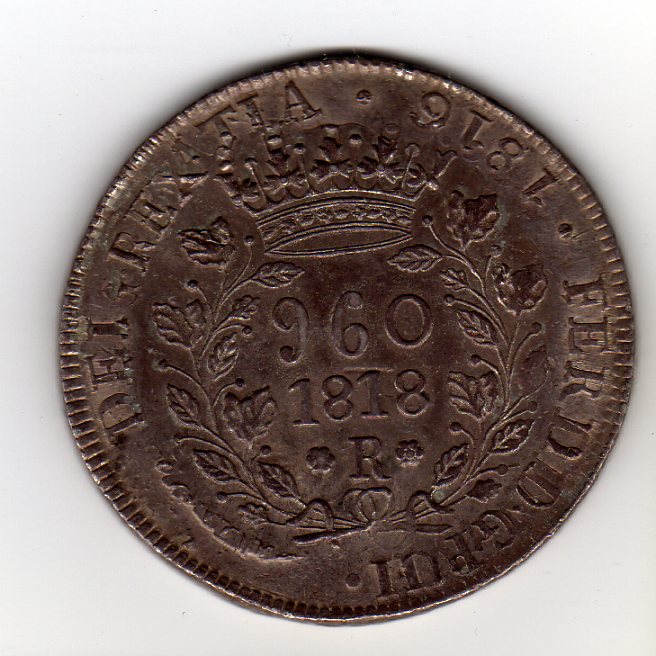 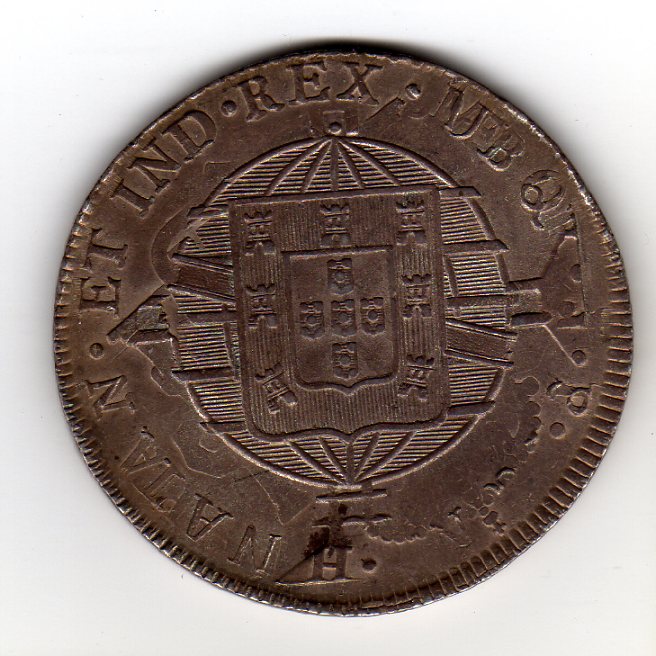 |
|
Bedrock of the Community
United States
10045 Posts |
I like those overstrikes!  In a way, I consider this an unusual coin. It's a doubled die and also the earliest known trail dies (bottom right detail).  Edited by DVCollector
06/19/2011 01:59 am
|
|
Pillar of the Community
 United States
3499 Posts |
jfransch- oooooh, I love how the date and legend of the 8R is visible on the obverse of the 690 Reis! Thanks for sharing that! Here's another (Though I WISH that this were my coin): Spanish colonial 1801 8R struck in Mexico, which was overstruck as a Rupee from Arcot, India. 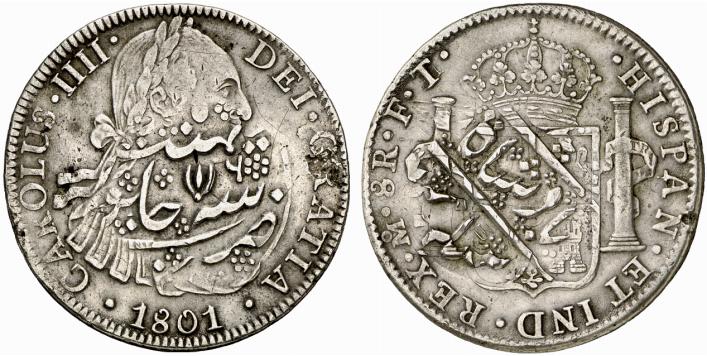 |
|
Pillar of the Community
United States
3499 Posts |
DVCollector- Very cool! I love the design and the doubling on the letters. Here is another one from me: This 4 maravedis was struck in what is today the Dominican Republic between 1516 and 1556. This makes it one of the oldest types of European-style coins minted in the Americas. 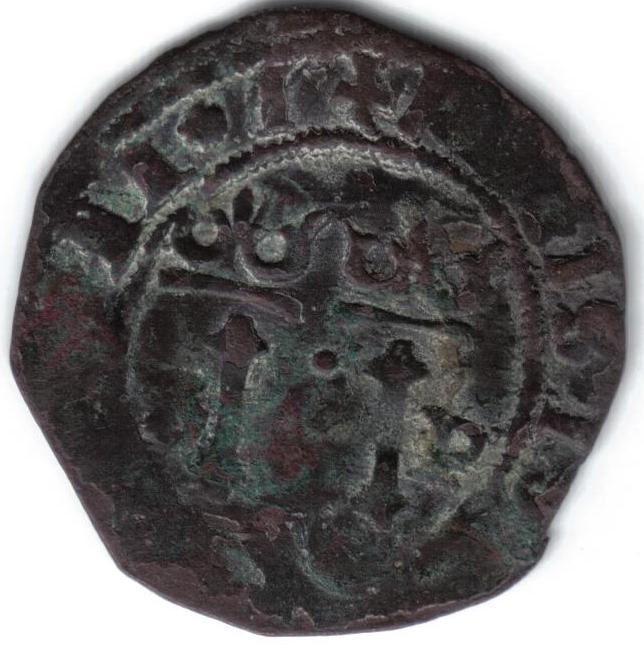 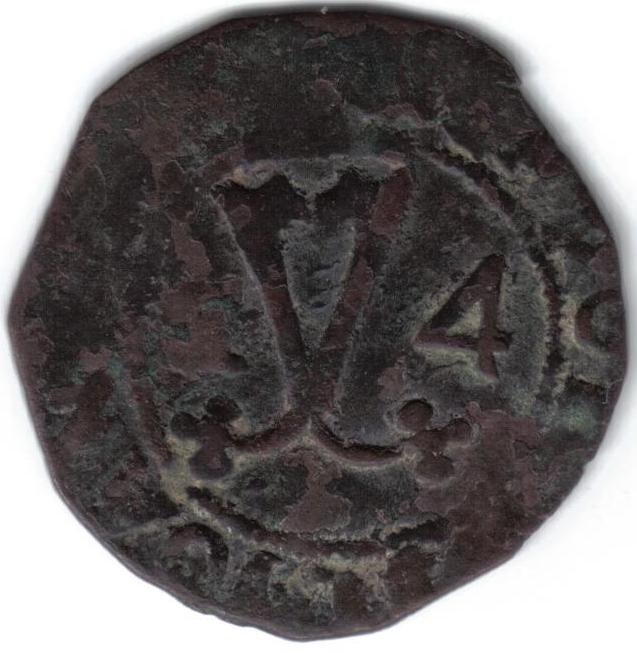 |
|
Pillar of the Community
United States
819 Posts |
Here's a coin I found very interesting. This is a Spanish Colonial 1 Real piece from Mexico. It has multiple strikes to it. I haven't really counted how many. I also love the rainbow toning to it. Though I can't prove it, I feel like this coin was treasured by someone who also liked the coin and saved it from circulation. 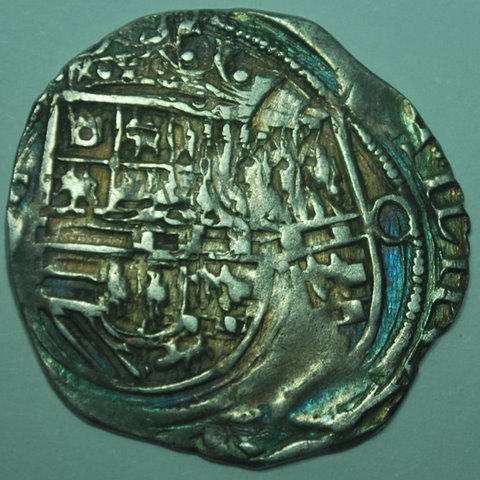 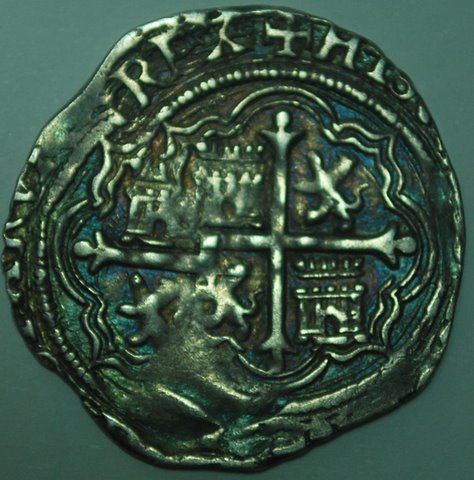 |
|
Pillar of the Community
United States
3499 Posts |
ElleKitty- Very cool coin! Believe it or not, multiple strikes were rather common on cobs, so you can see some very unusual overlapping of designs. So might you know the approximate date as well as place of mintage of your coin? And here's another one of mine. It is from the "diplomatically challenged" nation of Lundy (An island off of Britain, which the British government refused to acknowledge as independent. In 1929 Martin Coles Harmon issued Puffin and Half Puffin coins for use on his island, and was subsequently fined 5 pounds and given a cease and desist letter from the British Government. 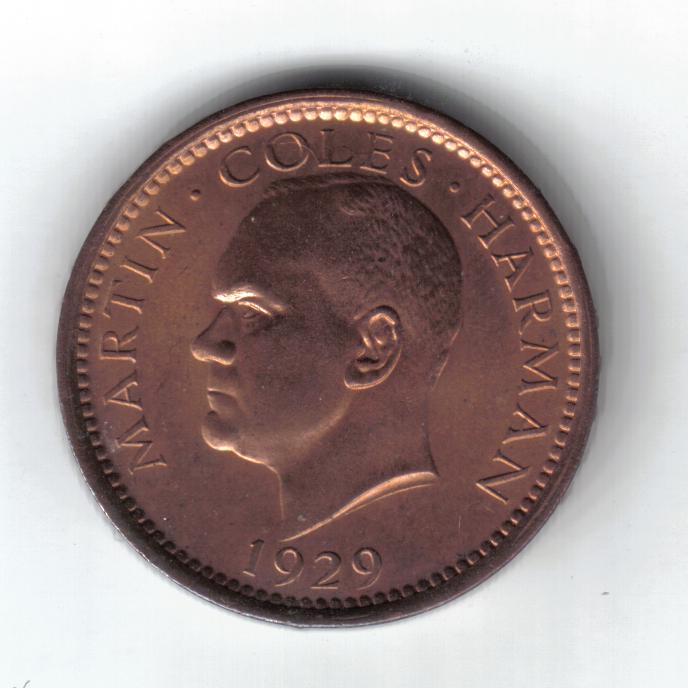 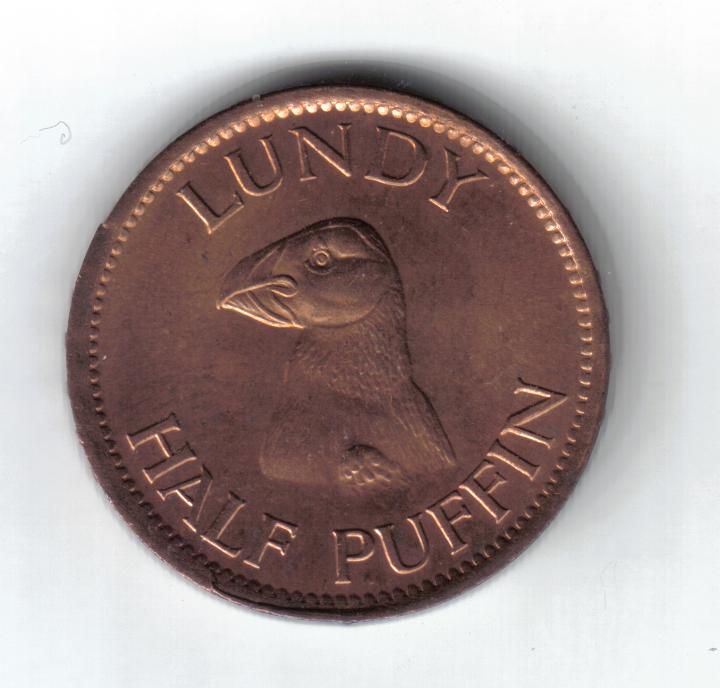 |
|
Pillar of the Community
United States
819 Posts |
Archraz- Indeed, striking errors are very common with these crude handmade coins, but I've never seen any that were quite this dramatic. I'm sure it's my lacking if having seen them than their existence, but still!
From the design elements, I know the coin is Phillip II, and that it was struck in Mexico City. That puts it around 1556 for a mint date. Let me dig up my copy by Sedwick, and I will see if there is more to tell.
|
|
Bedrock of the Community
United States
10045 Posts |
That 1R multiple strike is really cool! It looks like the press operator had OCD.  |
|
Pillar of the Community
United States
3499 Posts |
ElleKitty- I totally agree with DVCollector on this one. That coin is quite cool and the person who was operating the press probably did that intentionally for some reason. I just wonder where that coin circulated (if it did at all) since coins which looked very strange, such as your example, were often melted down in Europe, North America, and India.
|
|
Pillar of the Community
United States
1801 Posts |
The effect on the cob of ElleKitty is "hammer chatter" where the strike to the hammer die bounced the die a little between strikes.. These coins were made by placing a pre weighed slice of silver on the "anvil die" and then placing the "Hammer die" on top and then slamming it with a hammer, often more than once. That is a really cool example because the die shifted to the side so much. Great coin.
|
|
Pillar of the Community
United States
3499 Posts |
jfransch- Awesome info! I had wondered how that could happen for some time now. I guess that just shows how unrefined the minting process was in colonial Mexico at that time. I'll keep the ball rolling. Here's a rather odd, and little known type of coin minted during the Tokugawa period. This peculiar Japanese coins is a Mameita Gin. I know very little about this coin except that it is from the early 19th century, that it is silver (though of a fairly low percentage), and that the blanks for this type of coin were spherical before struck. That is why the coin is such an odd shape and the design is so poorly struck. 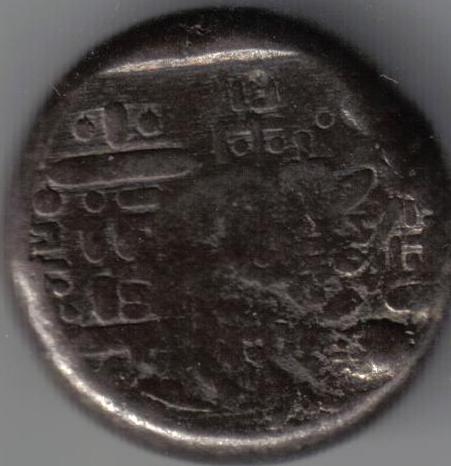 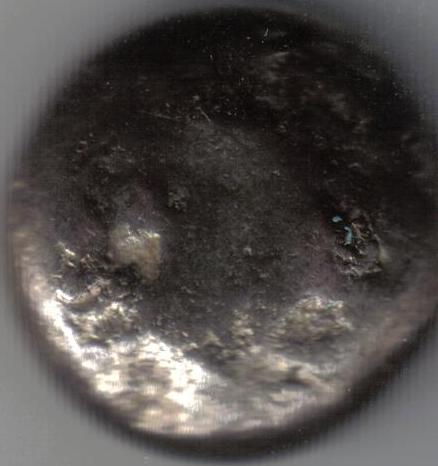 Edited by Archraz
06/19/2011 10:28 pm
|
|
Pillar of the Community
United States
3499 Posts |
So does anyone have any US coins which would be perceived as weird or unusual (this can include extremely weird errors or counter strikes)? In fact, does anyone have 19th century US coins which bear counter struck advertisements? I have a 1977 penny with a masonic compass, as well as a few recent coins with other things struck into them, but nothing from the 19th century.  |
|
Pillar of the Community
United States
4132 Posts |
I have this counter-stamped penny I found while roll hunting. I didn't realize what the illustration was until I Googled the date in the stamp. 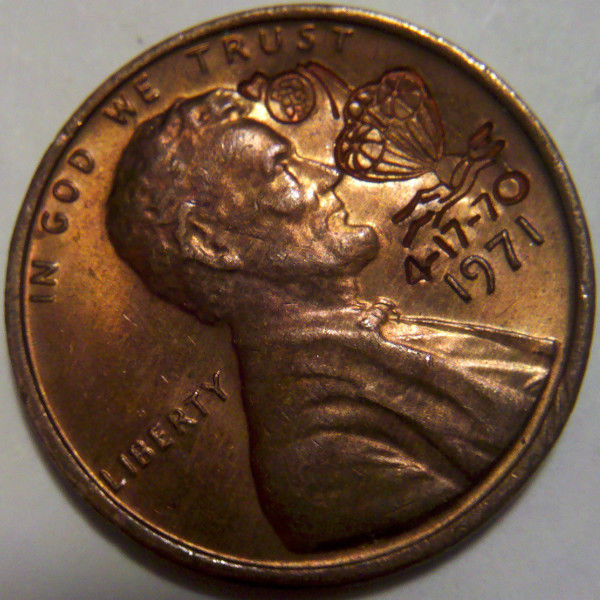 |
|
Pillar of the Community
United States
570 Posts |
Here is a US countermark on a Russian 2 Kopek coin from 1812. Its not a US coin, but hey it's unusual.   |
|
Pillar of the Community
United States
3499 Posts |
mmorgan22- Very awesome! I just wonder who T. W. Emery was. This is especially notable since the counter stamp is not in Cyrillic lettering.
|
| |
Replies: 16 / Views: 6,019 |










 Posted 06/19/2011 01:57 am


