| Author |
 Replies: 8 / Views: 1,159 Replies: 8 / Views: 1,159 |
|
|
Valued Member
United States
355 Posts |
Time for my QOD
When grading a coin..what is the difference between "traces of visible wear" and "minor blemishes."
When it comes to blemishes, what's minor whats major?
Can an coin grade MSX with dings in it, if the details like hair, feathers, tail feathers, moto, show no sign of wear?
|
|
|
|
Valued Member
 United States
355 Posts |
43 views no takers?...wrong thread? too general of a question?
I'm thinking lately that I want to put a hold on purchasing anymore quarters until I get a good idea of how to initially grade a coin. So far I think I've done OK with my purchases, but want to start trying to put some sort of grade to them for myself.
Generalization like BU and AU, and F or VF are good IF you are generalizing. But, take for instance the difference between an MS-60 coin, The book I have says "A strictly uncirculated coin with no trace of wear, but with blemishes more obvious than for MS-63. May lack full mint luster, and the surface may be dull, spotted or heavily toned."
if the coin has blemishes, like dings or scratches, how do you know it's not a circulated coin? Are "blemishes" a sign of circulation, or just poor care of an uncicrulated coin? When buying how do you know the difference?
|
|
Bedrock of the Community
United States
12437 Posts |
Quote:
When grading a coin..what is the difference between "traces of visible wear" and "minor blemishes."
Those two terms are not interchangeable. Wear is wear and can only happen from circulation. Minor blemishes would be things like small hairlines from improper handling and bagmarks, both of which certainly happen to fully uncirculated coins. Wear in the form of luster breaks is what you should be concerned with most when determining circulated vs. uncirculated. Coins can receive numerous dings and scratches from the minting and handling process itself. Remember that coins are not grabbed with tongs and only touched by gloved hands when being removed from the press. They are dumped into hoppers with thousands of other coins, all banging against each other and creating those "minor blemishes". For the luster to be broken, minute quantities of metal have to be physically removed from the coin via wear. Obviously, minor(and major) blemishes can be picked up in circulation as well but pay close attention to those luster breaks on the high points of the coin. The difference between an AU58 and and an MS64 is not always apparent in photos, sometimes you need to examine the coin in-hand while rotating it under light to pick up areas of wear that may not be visible otherwise. Regarding MS60 coins, a true MS60 is an ugly dog of a coin but it is still uncirculated. However, I would take an AU55/58 coin over an MS60 any day of the week. Yes, one is uncirculated while the other is circulated but the high AU will always have superior eye appeal to the 60. IMO, eye appeal trumps circ vs uncirc when the line is very close. |
|
Valued Member
United States
355 Posts |
b"However, I would take an AU55/58 coin over an MS60 any day of the week."
biokemist6 - I find that statement both interesting and kind of eyeopening at the same time and I think I get what you are saying.
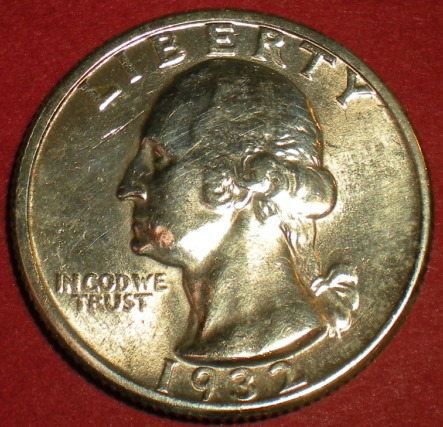
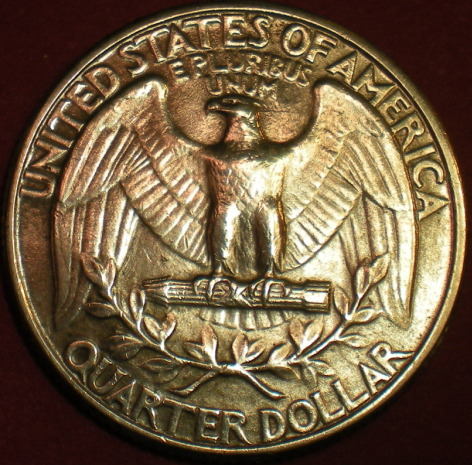
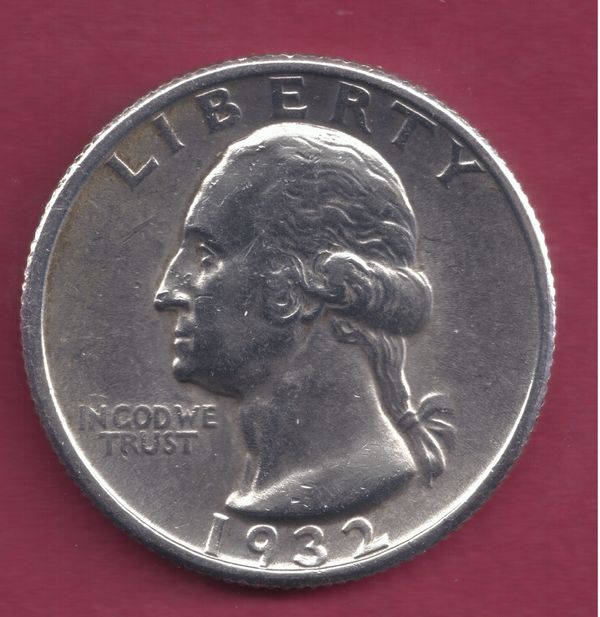
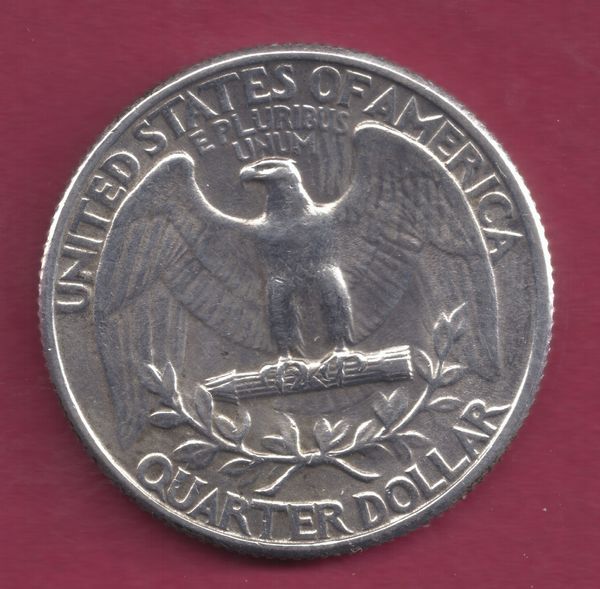
I have some pictures of a 32P Washington that I own. When I look at it I don't see any "wear" but it does have a ton of dings and fine scratches. It sill has what I think wold be full luster, and I bought it as a BU coin at a good price. So is this coin a low MS (the ugly dog) or a lower grade AU. I have pics, just not sure if I should post them here or in the photography section. I would be interested in opinions on the pics, to help aid in my learning.
|
|
Moderator
 United States
23522 Posts |
Post the pics here; the photography forum is for technical discussions of the photography process. Here is where we discuss dings.  |
|
Valued Member
United States
355 Posts |
|
|
Valued Member
United States
149 Posts |
sorry I'm getting to your post late (I'm off today), but here's what I see. I see two very different coins, and it tells a lot about how lighting affect one's opinion-the top photos obverse shows what appears to be a MS coin, albeit with a nasty scratch by Mr. Washingtons forehead-the scan shows typical rub on the cheek, jaw and forehead of Washington, and the reverse shows similar rub on the legs, breast, and wing tip of the eagle. Those are classic Au wear patterns, as the coin saw very little circulation before someone put it away. Remember, first year issue coins tend to be saved quite a bit-even though this was the depth of the Great Depression, and a quarter was worth a lot more than it is today. So I'm going with Au-55 on this one.
|
|
Valued Member
United States
355 Posts |
Ca Dreamin - Thanks for you opinion, that is what I came to  . I noticed the wear on the reverse more than I did on the obverse, but the scratches are visible with a loupe so I knew those were there. Here's my question though....if you pretend the visible rub\wear is not there and all that is visible is the scratches\dings would this be and MS60? I'm trying to pick up on what takes a coin into the MS state and it seems form my reading its the visible wear\rub from being passed around. If this is the case I can see a possibility (albeit a tiny one) that you could find an MS state coin in circulation  . Is that possible? If it were found would it be considered still uncirculated even though it was found in circulation? or would it be considered a circulated MS coin? My grandpa called me MR. 20 Questions BTW  |
|
Valued Member
United States
149 Posts |
again, sorry for the late reply-if you find a coin in change, from the bank, etc. and the coin has no visible signs of wear, then it is indeed MS. After all, coins have to come from somewhere, right? It doesn't just have to be from the mint to be uncirculated, or MS, whichever you prefer.
|
| |
Replies: 8 / Views: 1,159 |
|









 Posted 06/30/2011 11:48 am