











 Posted 07/07/2011 03:10 am


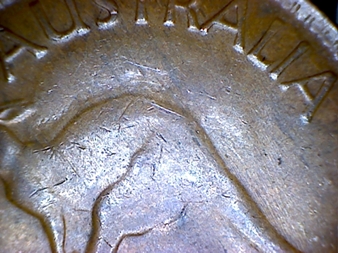
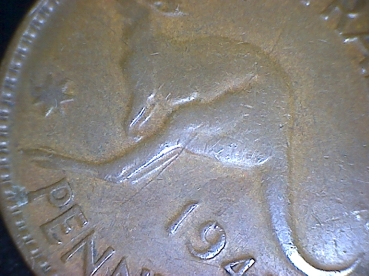
Yep, it's "ghosting". Ghosting can happen when a coin made from a relatively hard metal is large and thin, one die is distinctly higher relief than the other, and the coin press is operating at high speed. As I understand it, It's caused by the metal inside the high-relief area "bouncing back", rather than flowing as intended. It's not considered a "mint error", since cause is ultimately a flaw in the design of the coin itself and/or in mint operating procedures rather than anything that went wrong with the minting process. Certain coin types are more vulnerable than others, such as British pennies pre-1928 and Australian pennies of George VI. British pennies were specifically redesigned in 1928 to try to minimize ghosting, with a smaller portrait and lower relief.
Don't say "infinitely" when you mean "very"; otherwise, you'll have no word left when you want to talk about something really infinite. - C. S. Lewis


