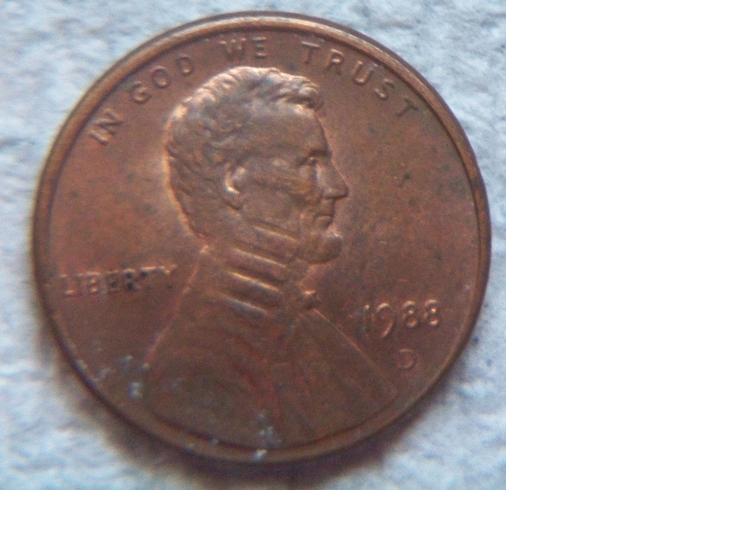
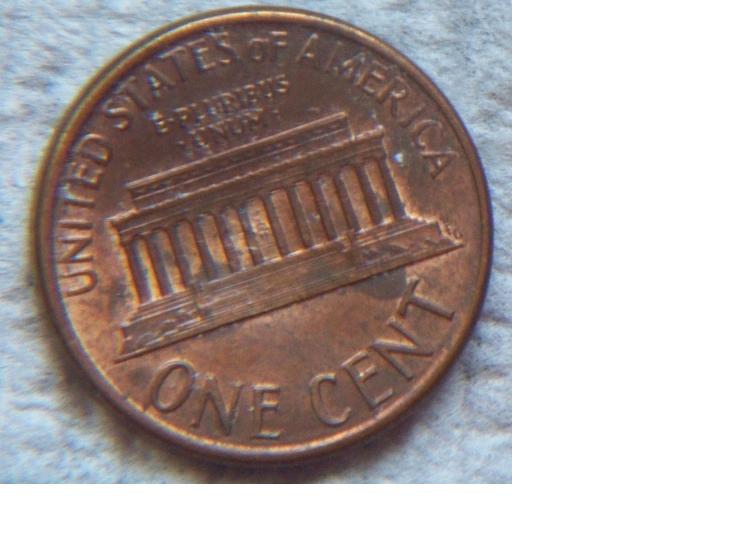
While Coop is correct in attributing this coin as damage by squeezing, I want to take this opportunity to show some visual aid to those who misidentified this as the cause of an oddity on another coin in a different thread.
The coin in this thread shows damage only to the high points of the design in the affected area, very indicative of squeezed coins.
The coin is this other thread:
https://goccf.com/t/95525shows the 'secondary' design affecting most of the face of the coin, and the secondary design seems to not be affected by the design elements on the primary coin. This is indicative of glue or some other clear substance that starts out liquid and dries clear and hard so the normal face of the coin can be seen through the impressed design. Naturally pressing a design into a liquid is MUCH easier than pressing a design into hardened metal, which is re basic scientific reason why the two appear so completely different from one another.
A REAL die clash can be seen in this link, borrowed from
Lincoln Cent Resource:
http://www.lincolncentresource.com/...e_Clash.htmlNote how all of the clash remnants ONLY affect the LOWEST part of the design. The reason for this is because of the negative-positive effect. Coins are an exact reverse copy of the dies that make the coins. All of the lowest areas on a coin are the highest areas on the die. So, when dies clash with one another, their highest points transfer to one another producing the clash. This transfers to the LOWEST points of the coin...high to low, negative to positive.
So...a summary:
Real die clashes affect the low points of the coin...the fields.
Faked die clashes using the 'squeeze' method affect only the high points of the coin.
Faked die clashes using the 'clear glue' method affect ALL points of the design since it's effectively "adding" a design to the coin.







 Posted 08/10/2011 4:08 pm





