











 Posted 08/12/2011 10:22 am


Numbering from the top:
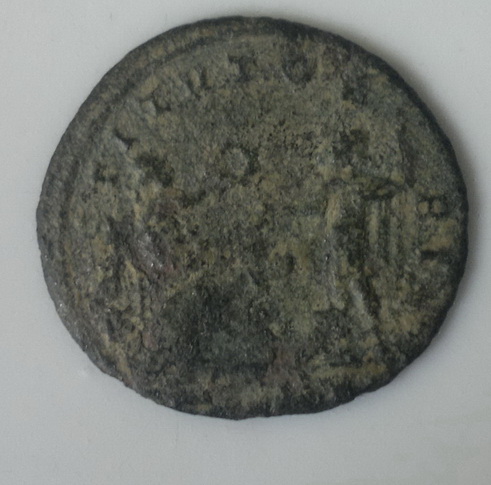
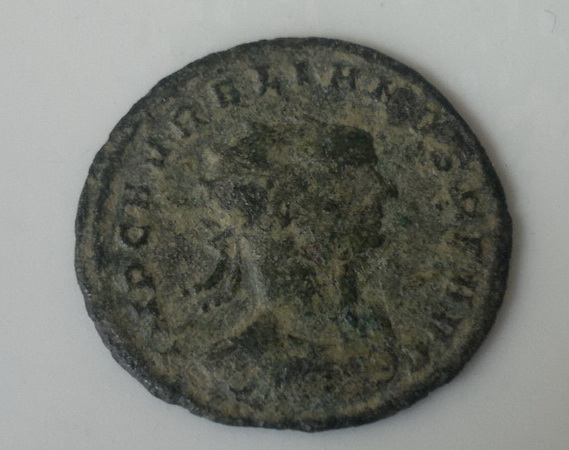
#1: Genuine. Roman. Emperor Aurelian, a silver-plated antoninianus, reverse RESTITVT ORBIS. This similar one in better condition sold for $6.
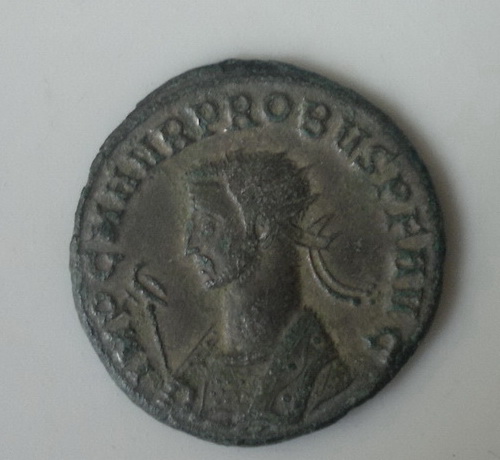
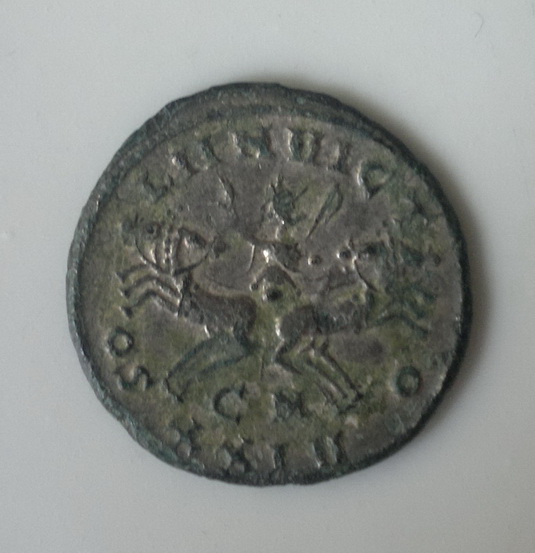
#2: Probably genuine. Roman. Emperor Probus, antoninianus, reverse SOLI INVICTO.
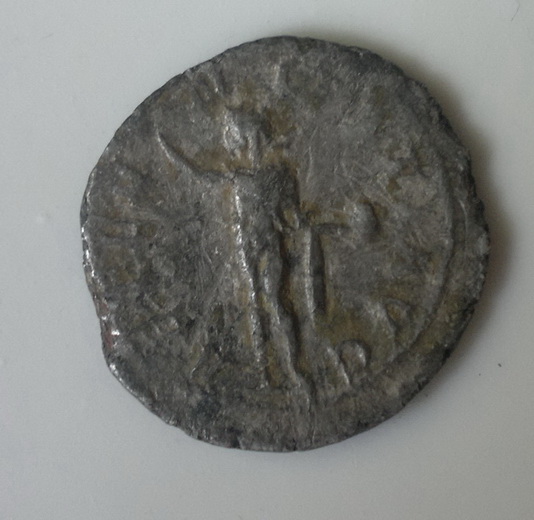
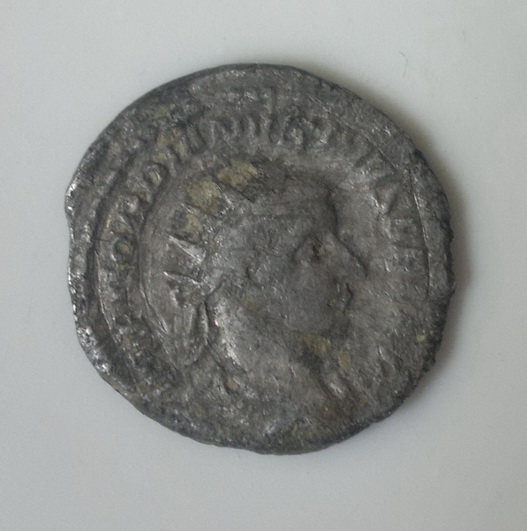
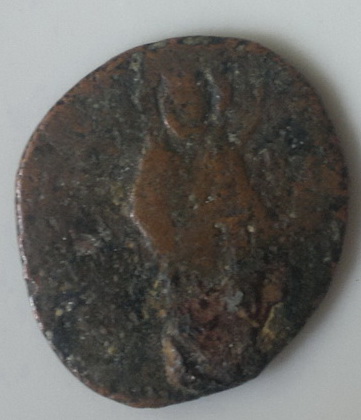
#3: Genuine. Roman. Emperor Gordian III, antoninianus, Sol standing, not sure of the reverse legend but probably similar to this one.
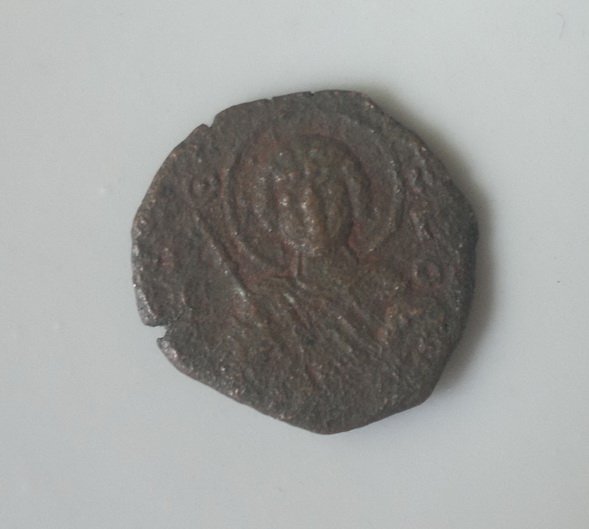
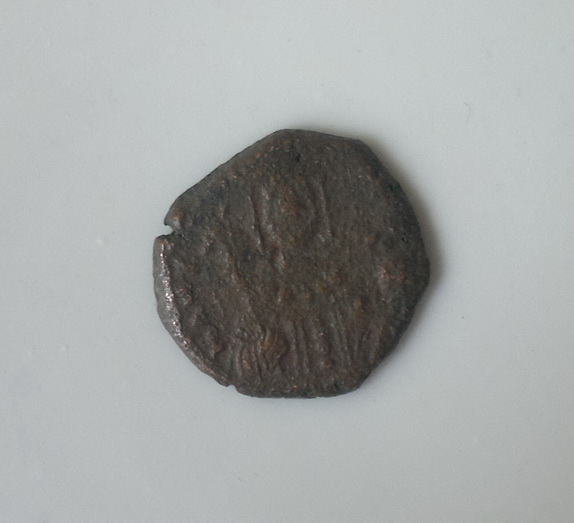
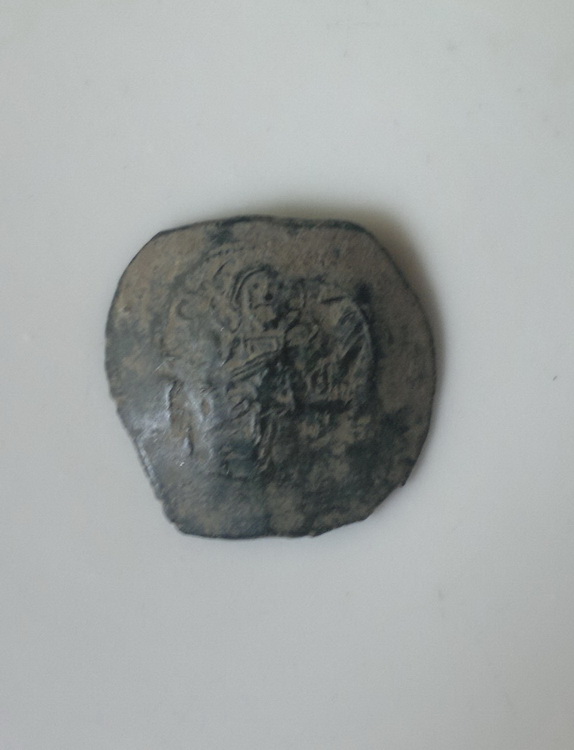
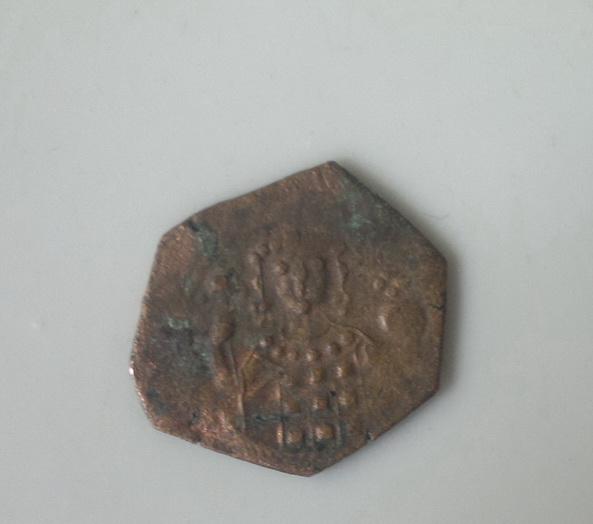
#4: Genuine, I think. Byzantine. Emperor Manuel I, tetarteron, reverse St George. Wildwinds page. Coin #11 is from the same emperor and time period.
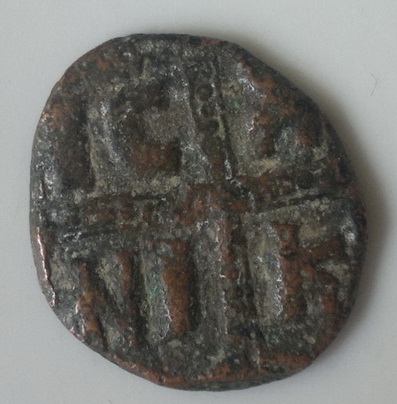
#5: Genuine. Byzantine. "Anonymous" follis, type C, attributed to the reign of Michael VI. Very common.
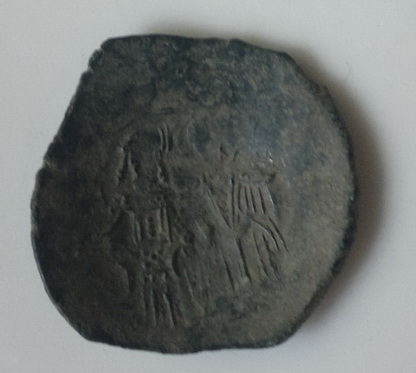
#6: Genuine. Byzantine. base-silver (billon) aspron trachy, circa 1200 AD. I've never been very good at identifying these.
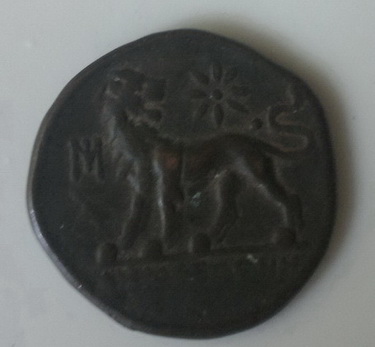
#7: Probably not genuine. Greek. It appears to be a coin of Miletus, though as far as I can tell, the lion always faced left on silver, and on coppers faced right. The pale green fuzz and similarity in colour to coin #9, which is definitely fake, also make me think this too is a modern copy. Check the Wildwinds page for this city for numerous similar types.
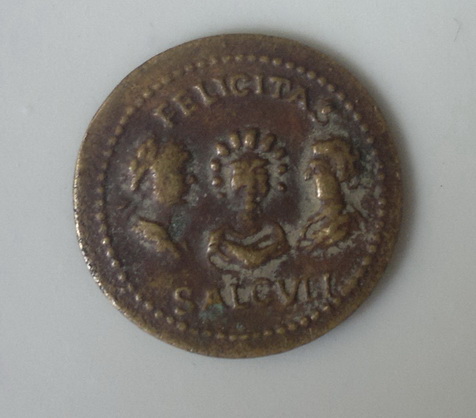
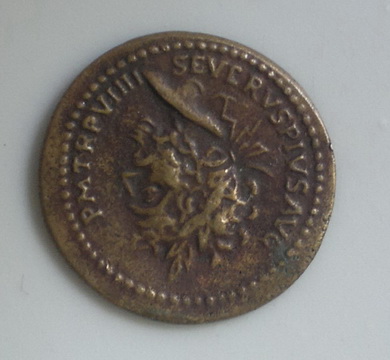
#8: Definitely fake. A very crude copy of a Roman gold coin of Septimus Severus and his family. Example of original. Your coin is definitely not gold.
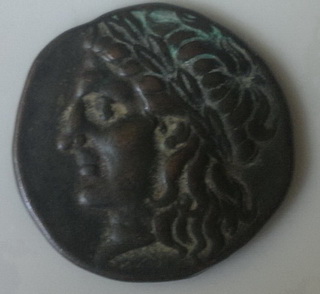
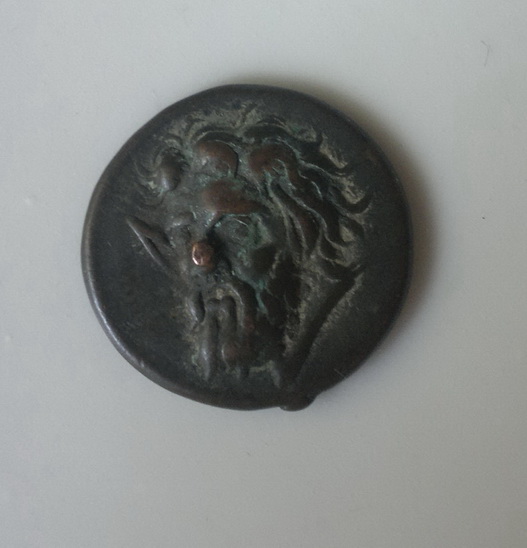
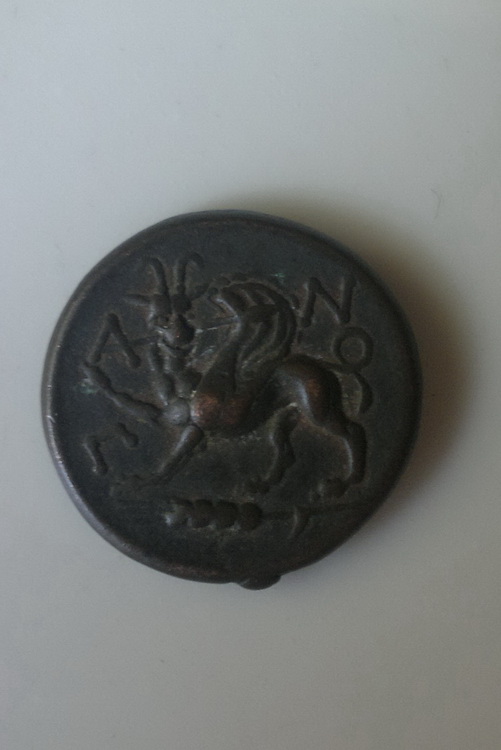
#9: Fake. A "mule" of two different coins from the city of Pantikapaion, in what is now Russia. The obverse is taken from a silver coin like this one, while the reverse comes from this gold coin.
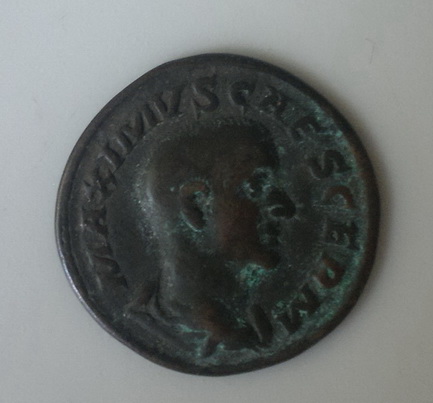
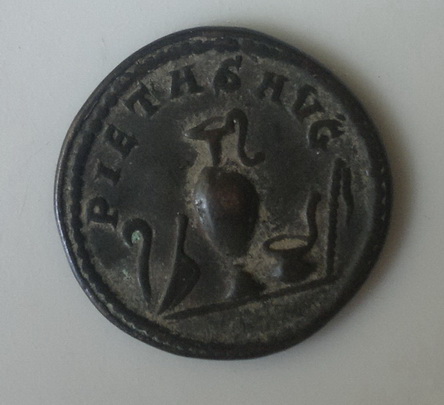
#10: Fake. Roman. A copy of this coin of caesar Maximus. In this case, the broad raise rim gives this one away as a cast fake.
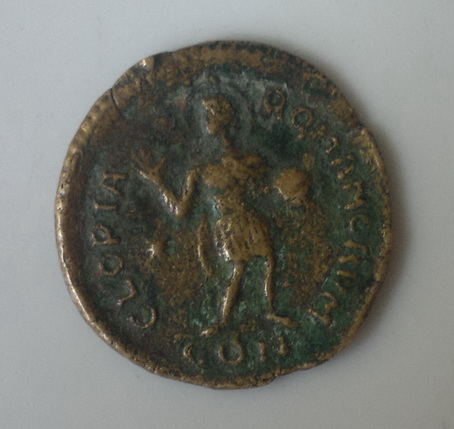
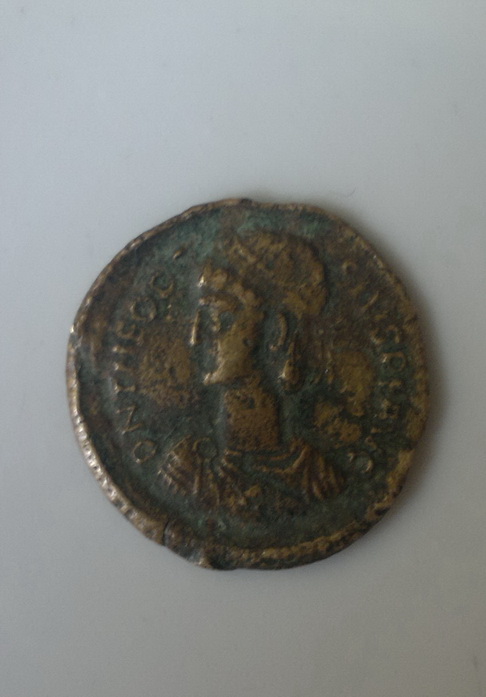
#11: Fake. Roman. A brass copy of a silver miliarense of Theodosius I, reverse GLORIA ROMANORVM, Constantinople mint. Compare.
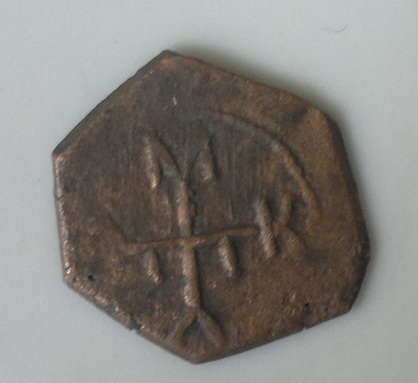
#12: Apparently genuine. Byzantine, half-tetarteron of Manuel I, from an "Uncertain Greek mint", Monogram #58 in the Sear catalogue. Wildwinds page.
Sad to say, but your coins are mostly either fakes, or relatively cheap and common types.
#1: Genuine. Roman. Emperor Aurelian, a silver-plated antoninianus, reverse RESTITVT ORBIS. This similar one in better condition sold for $6.
#2: Probably genuine. Roman. Emperor Probus, antoninianus, reverse SOLI INVICTO.
#3: Genuine. Roman. Emperor Gordian III, antoninianus, Sol standing, not sure of the reverse legend but probably similar to this one.
#4: Genuine, I think. Byzantine. Emperor Manuel I, tetarteron, reverse St George. Wildwinds page. Coin #11 is from the same emperor and time period.
#5: Genuine. Byzantine. "Anonymous" follis, type C, attributed to the reign of Michael VI. Very common.
#6: Genuine. Byzantine. base-silver (billon) aspron trachy, circa 1200 AD. I've never been very good at identifying these.
#7: Probably not genuine. Greek. It appears to be a coin of Miletus, though as far as I can tell, the lion always faced left on silver, and on coppers faced right. The pale green fuzz and similarity in colour to coin #9, which is definitely fake, also make me think this too is a modern copy. Check the Wildwinds page for this city for numerous similar types.
#8: Definitely fake. A very crude copy of a Roman gold coin of Septimus Severus and his family. Example of original. Your coin is definitely not gold.
#9: Fake. A "mule" of two different coins from the city of Pantikapaion, in what is now Russia. The obverse is taken from a silver coin like this one, while the reverse comes from this gold coin.
#10: Fake. Roman. A copy of this coin of caesar Maximus. In this case, the broad raise rim gives this one away as a cast fake.
#11: Fake. Roman. A brass copy of a silver miliarense of Theodosius I, reverse GLORIA ROMANORVM, Constantinople mint. Compare.
#12: Apparently genuine. Byzantine, half-tetarteron of Manuel I, from an "Uncertain Greek mint", Monogram #58 in the Sear catalogue. Wildwinds page.
Sad to say, but your coins are mostly either fakes, or relatively cheap and common types.
Don't say "infinitely" when you mean "very"; otherwise, you'll have no word left when you want to talk about something really infinite. - C. S. Lewis


