| Author |
 Replies: 69 / Views: 11,229 Replies: 69 / Views: 11,229 |
|
|
|
Pillar of the Community
United Kingdom
2838 Posts |
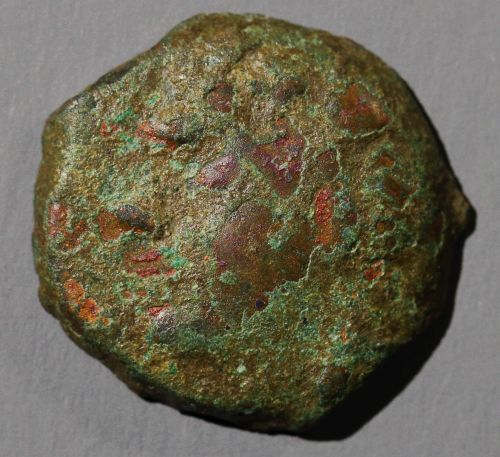
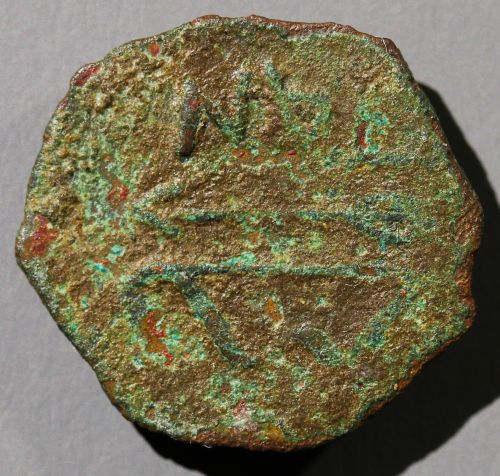
Interesting subject  I'll enter a few imitative coins but wont be able to give much info on the people who made them as unfortunately nobody knows for sure! 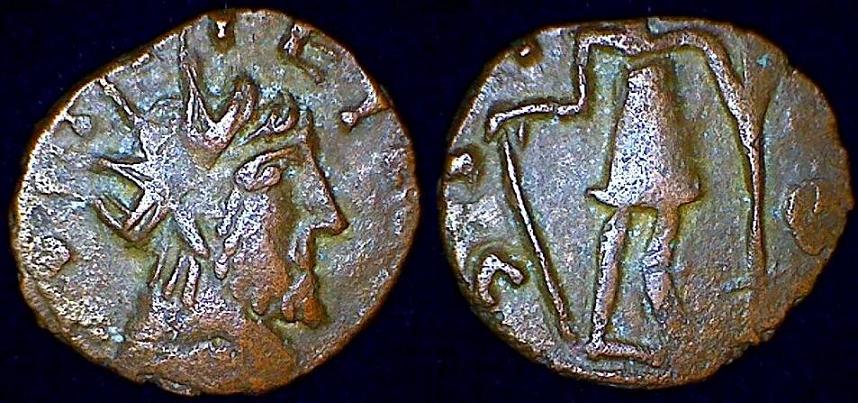 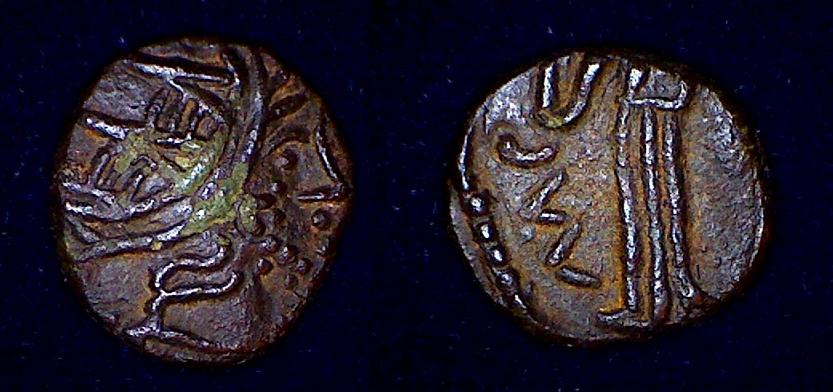 The second coin measures just 9mm and weighs half a gram! Both are based on Tetricus coins. The second coin measures just 9mm and weighs half a gram! Both are based on Tetricus coins.Imitative coins were a feature of the Roman Republic and Empire from the earliest times to the end of the western empire, a period of 600 years or more. These include, but are not limited to, imitations of bronze coins, silver-plated coins and so-called "barbarous radiates". "Barbarous radiates" were imitative coins produced in the late 3rd century. Earlier numismatists, notably Philip V. Hill, theorized that barbarous radiates were produced long after their prototypes by "barbarians" such as the Saxons after the withdrawal of the Romans from Britain. Hill himself later recognised that this was not so and that "barbs" were produced by local workshops within the Roman Empire, either officially or not. Unfortunately the idea that they were produced by contemporary "barbarians" outside of Rome's borders has persisted. So has the term "barbarous" to refer to any crudely executed imitative. Most of these Gallic "barbs" were produced in France and the UK. http://www.aoti76.dsl.pipex.com/coi...mitative.htm 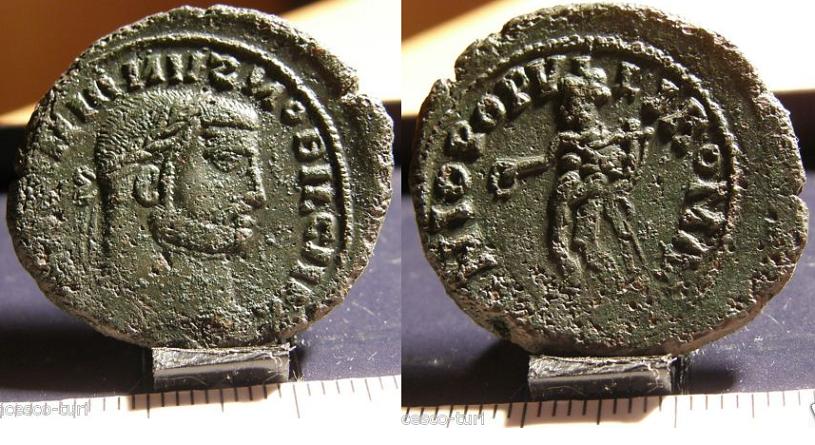 [MAX]IMIIIИIZ ИOBIL CIIEZ - Bust right, Laureate [GE]NIO POPV-LI ROMA[NI] - Genius, naked standing left, modus on head holding patera and cornucopiae Probably based on a London issue of Galerius - this coin was struck and not cast as many are. [MAX]IMIIIИIZ ИOBIL CIIEZ - Bust right, Laureate [GE]NIO POPV-LI ROMA[NI] - Genius, naked standing left, modus on head holding patera and cornucopiae Probably based on a London issue of Galerius - this coin was struck and not cast as many are.Oddly the maker of this coin has managed to produce retrograde 'N's (along with 'S's) on the obverse but got the same letter the correct way around on the reverse. The 270's and 280's saw vast production of so-called ‘barbarous radiates', predominantly Claudius II and the Gallic emperors. This was the last ‘epidemic' of irregular minting until the reign of Constantine. The period in-between only saw sudden bursts of localized imitative minting. Barbarous imitations of coins of the first tetrarchy (as shown above) are quite rare. Most examples have prototypes of the London mint. This would point to much of this unofficial production coming from what is now the UK. http://www.oudgeld.com/webbib/barbtet.htm |
|
Valued Member
United Kingdom
449 Posts |
Ah! I might be able to enter this one, I have a coin hopefully arriving tomorrow which should fit this catagory. I'm pretty excited about it, I think it will be the rarest ancient of my collection too(possibly  ) |
|
Bedrock of the Community
United States
10045 Posts |
I don't think I have single qualifying coin, but very cool to see these! |
|
Pillar of the Community
 United States
5155 Posts |
I waiting for Eng to post his Thracian Celtic Tet of Dionysos, thats a real doozy. Great coins all, keepem' coming.
|
|
Pillar of the Community
United States
1316 Posts |
Anoob, wouldn't let you down.....  Greece... Thasos, Thrace AR Tetradrachm Ob. Young head of Dionysos right, wreathed with ivy and band across,got to love the hearts... Rev. Herakles, naked, standing left, holding club, lion's skin over arm. 30mm x 16.5 g.. 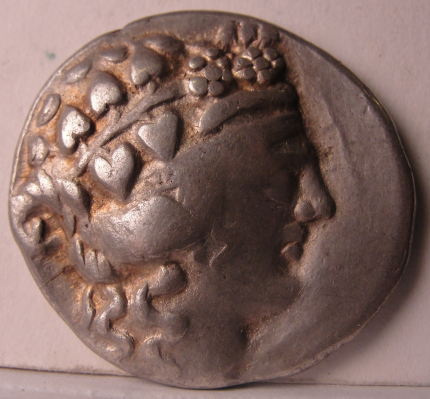 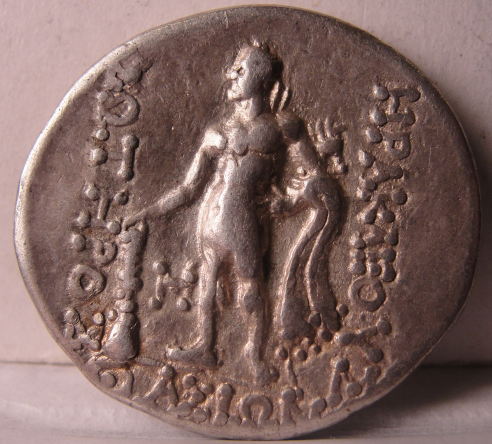 Tabaristan.. This got to be some kind of tribe..  711- 789 AD.. Half Dirham AR.. Abbasisd , Govermors of Tabaristan.. 23mm x 1.63g.. 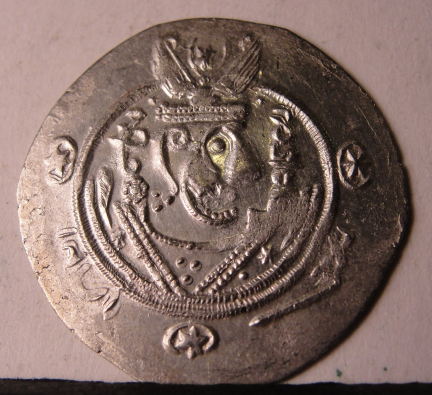 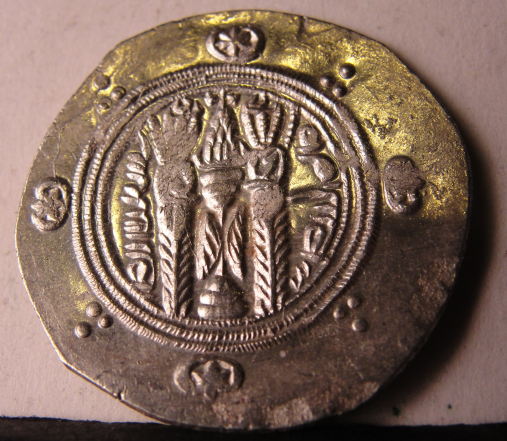 |
|
Pillar of the Community
United States
3229 Posts |
|
|
Pillar of the Community
United States
5155 Posts |
Well we have some very interesting coins this time around from all around the ancient world. I am glad to see these many tribes have coins that have come down to us. What a thrill these ancient coins are.
" This has to be some kind of Tribe." -Eng
Yea it was an Arab coin, minted in the Sassanid Persian fashion and the retreat location of the the last Persian Shah, Yazdgard III. Very nice and interesting specimen.
|
|
Pillar of the Community
United States
5155 Posts |
|
|
Pillar of the Community
United States
5155 Posts |
I know there are few more guys out there with very neat Tribal coins. Like, DUK has a great Celtic stater, that I am sure could grab up some votes.
|
|
Pillar of the Community
United Kingdom
2624 Posts |
I hadn't logged in for a little (busy, busy) but yes as I read the requirements that is the only coin that seemed appropriate... so I will post it now! 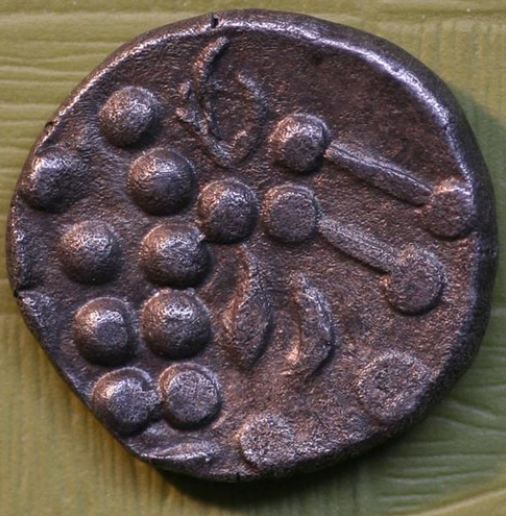 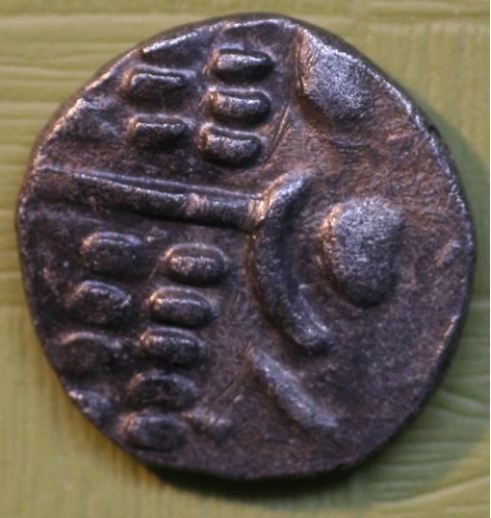 It is a Celtic billon Durotriges stater which dates from around 50bc to 50 ad, this tribe were found in England and produced this coin in silver but when the Romans started conquering the suppliers of the silver they were unable to import any so debased the coinage. Edited by DavidUK
01/24/2013 6:35 pm
|
|
Valued Member
United Kingdom
449 Posts |
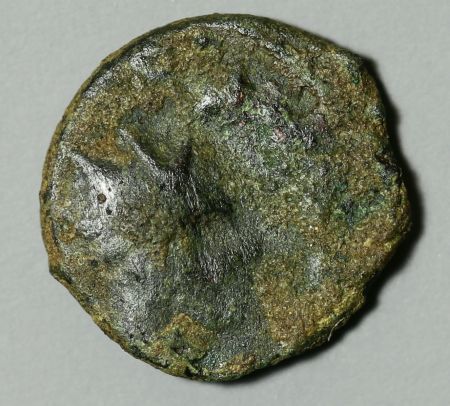
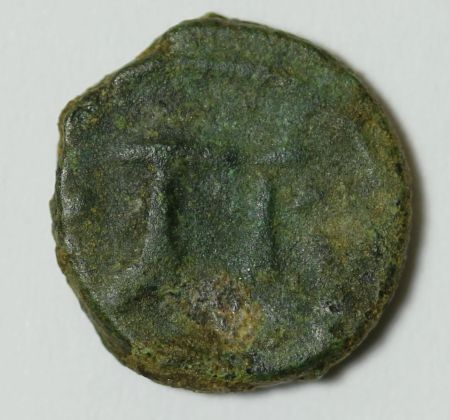
Here's my entry(my only Celtic coin): Sego Sphinx bronze unit.From the Catuvellauni tribe based in Hertfordshire. Near the end of Tasciovanus's reign, coinage in the style of Tasciovanus appeared bearing the name of Sego, Dias, Andoco or Rues. They were said to be either rival contestants to for the throne or that they were associates or 'sub-kings' of Tasciovanus keeping control of smaller areas within the Catuvellauni territory. This one was dug up along with two other Celtic coins from the same period in Canterbury. DATE:50BC-50AD OBV:Winged Sphinx REV:Star shaped pattern with ringed pellet in centre. SIZE: 12.5mm/1.60 grams  (Pictures will be updated tomorrow, am in the process of cleaning it up a bit.) |
|
Pillar of the Community
United States
1315 Posts |
These are coins I've posted before, but you may find them of some interest in this Smackdown. 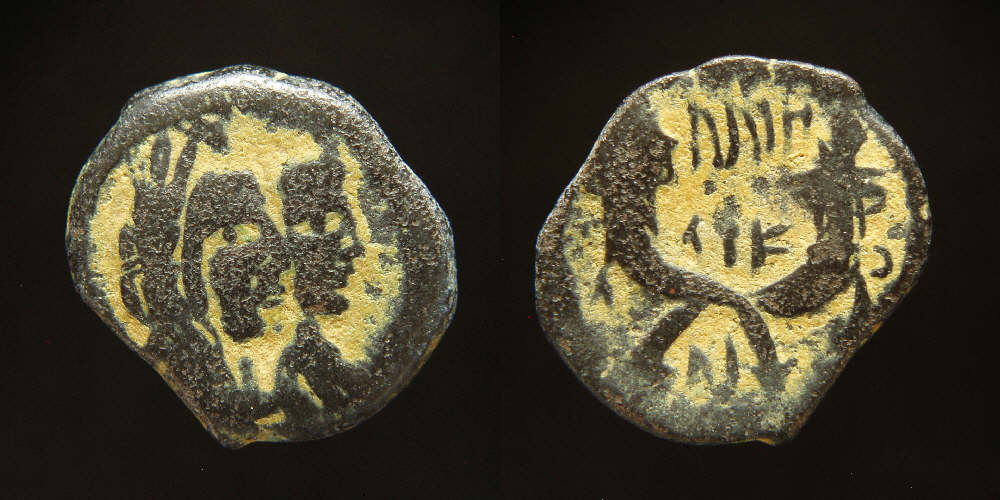 Nabataea Aretas IV & Shuqailat. 9 BC - 40 AD. Jugate busts of Aretas IV & Shugailat /Crossed cornucopiae, Nabataean inscription. 16mm,3.7g more.... http://en.wikipedia.org/wiki/Nabataeans map.... http://www.netours.com/images/stori...rade_600.jpg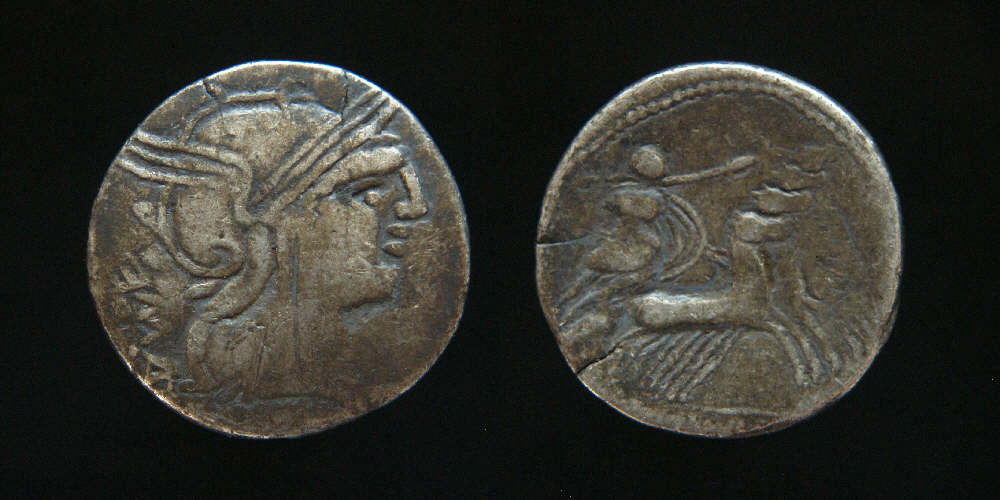 17mm, 3.3g "I would categorize your coin as Class A, Group II: Dacian Monetary Imitations. The prototype for the obverse is possibly Publius Calpurnius, Crawford 247/1, 133 BC, although there are many other possibilities. The reverse imitates C. Licinius Macer, Crawford 354/1, 84 BC. The 50 year difference between the obverse and reverse prototypes is not unusual". "That's great coin to find in a local shop. These imitations are all rather scarce, much more so than the Republican originals they imitate. Congratulations!" Phil Davismore.... http://en.wikipedia.org/wiki/Daciansmap.... http://farm8.staticflickr.com/7237/...433cd2_z.jpg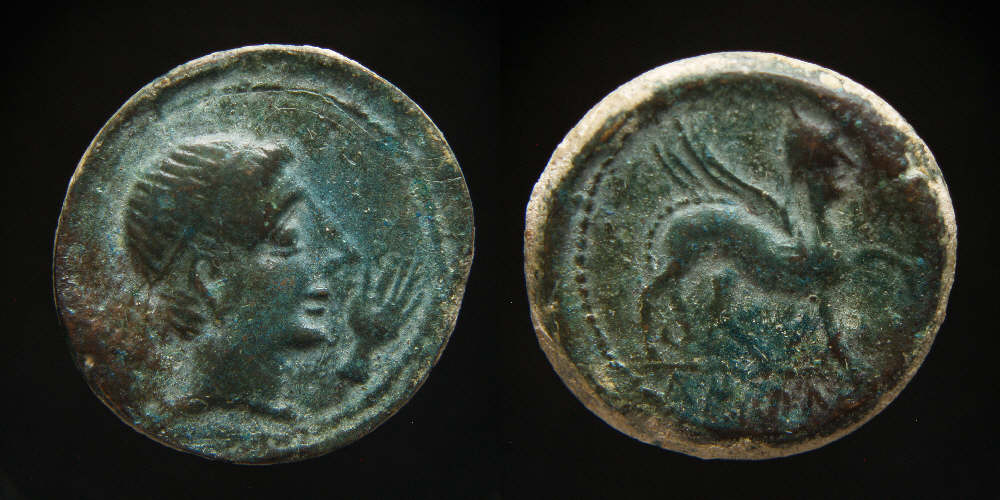 Castulo, Spain 2nd Century BC? Male head right, hand before / Helmeted sphinx, star before Iberian legend in exergue. 28mm, 13.3g. more.... http://en.wikipedia.org/wiki/Iberiansmap.... http://100falcons.files.wordpress.c...eo.jpg?w=640 |
|
Pillar of the Community
United States
5155 Posts |
NOT IN THE SMACKDOWN!!Another example of Tribal Coinage... The Himyarite Tribal Confedracy (Homeric Kingdom) Southern Arabia (Modern Yeman, Oman) s. 50-100 AD Anonymous Issue (Scyphate "cup-shaped") AR Half-Drachm 14.8 mm x 1.32g Obv. Male Head right monogram behind. Rev. Small Male Head right. Himyar Script. Trident monogram ref. Mitcher 373 ex. Eng Collection. 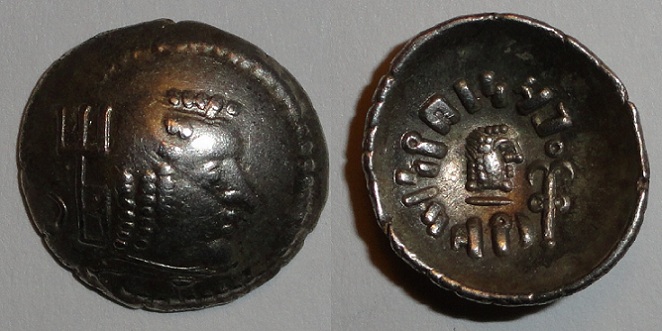
Edited by Ancientnoob
01/24/2013 11:43 pm
|
|
Pillar of the Community
United Kingdom
2121 Posts |
Here are some coins that I hope fit the bill. This has been a struggle for me... Coin 1 - Tetricus I Barbarous Ant. Obv:â€" IMP C TETRICVS P F AVG, Radiate, draped and cuirassed bust right Rev:â€" MARS VICTOR, Mars walking right, holding spear and trophy (III in exe) No real Mars walking right coins are known for Tetricus I or II. This coin combines a Tetricus obverse of decent style with a reverse of Probus from Lugdunum with the III in exe  Martin |
|
Pillar of the Community
United Kingdom
2121 Posts |
Coin 2 - Septimius Severus Barbarous Imitation denarius Obv:- L SEPT SEV PE-RT AVG IMP I - I or VII-I, laureate head right Rev:- VICTORIA AVGVSTI, Victory advancing left, holding wreath and palm. Ancient imitation which apparently copies the style of the eastern mints  Martin |
| |
Replies: 69 / Views: 11,229 |






 First Page


 Posted 01/22/2013 4:35 pm