I just realized that there are a couple comments made by parties other than Filip which raised questions that have not been addressed.
MathieuMa you seemed to have the most - you said
Quote:
Now, something else comes to mind about the Ag level : the Potosi scandals on cobs was discovered. Felipe II also tried to cheat at the Segovia mint, but his plan didn't worked as expected. Could it be possible that the Mexico mint also used some debased silver for some coins it was making ? (Au / Pt level left aside).
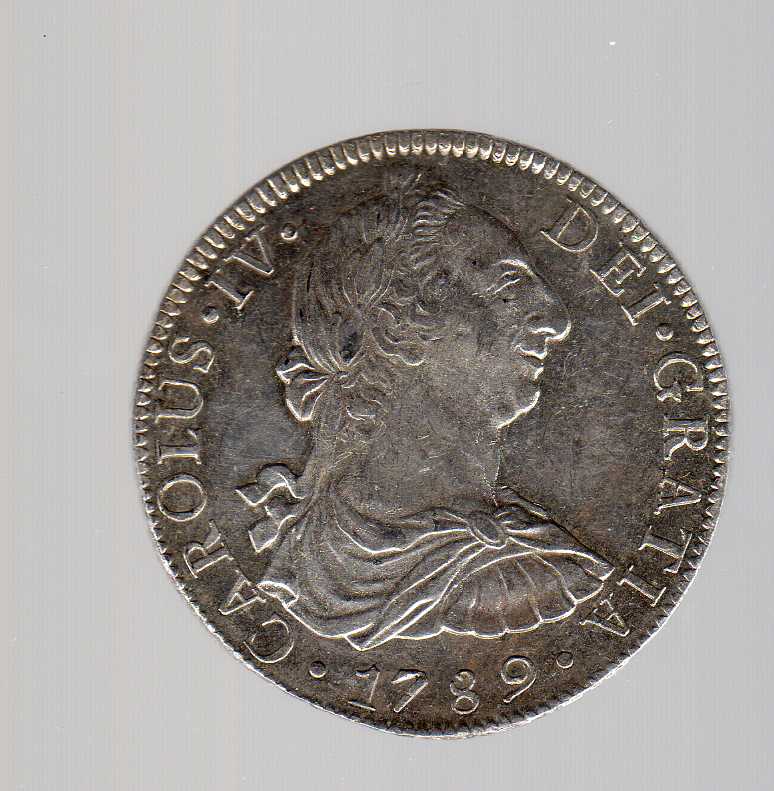
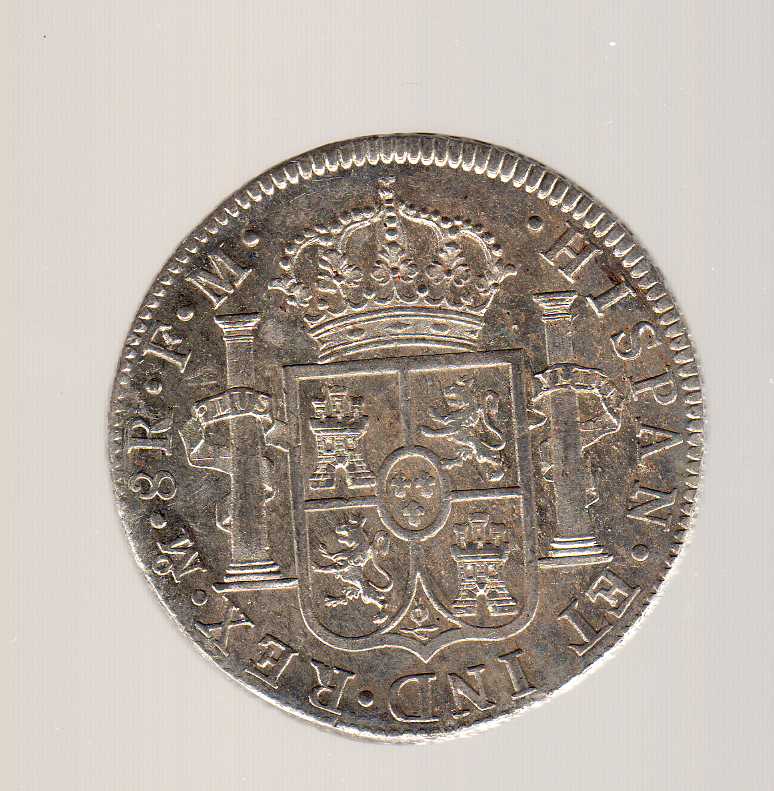
The silver level used in the portrait 8R series was tweaked by the Spanish but the modification was actually noticed by the US mint assayers. A 1-3% alteration in standard silver was enough for the assayers to recommend not allowing deficient coins to circulate in the US. The mint report on the Chihuahua cast War time issues actually advised buying them in large lots for reclamation because they were worth about 3 cents each too much because of rough assay methods.
In the period before 1840, the US mint noted NO official mint issued 8Rs that were debased in the coin shipments coming from Mexico City. The US mint did note that Bolivia, Peru and some of the branch mints in Mexico were making unsuitable coins but NEVER MEXICO CITY.
The stories of seriously debased 8Rs coming from Mexico City is an Urban myth that has lived far too long. It was and is a sales pitch to sell bogus coins as real. Check the facts yourself most of the mint reports are on line under US government.
***************************************************
To Henry and others:
I know XRF is a relatively new technology. I first had access in 1999 to an XRF machine in a Nuclear Power plant in New England. A good friend was in charge of the lab at that facility and used XRF to test in line filters for metal particles that did not belong at 10 ppm level. He asked me to help with his calibration tests.
The beauty of XRF is in the consistency of results that can be achieved. I started testing Cap and Ray 8 reales because they are my favorites. I tested Guanajuato and Zacatecas coins extensively. A drill hole is not needed in many cases to look inside a coin - they have rim nicks and test cuts.
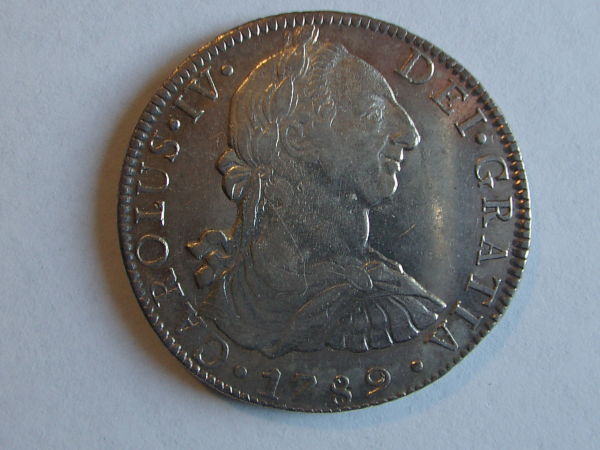
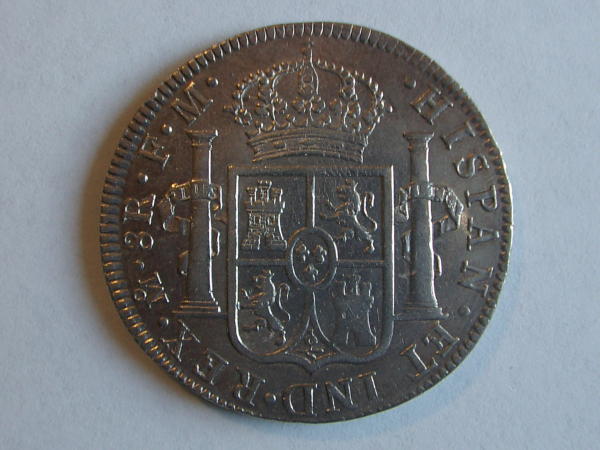
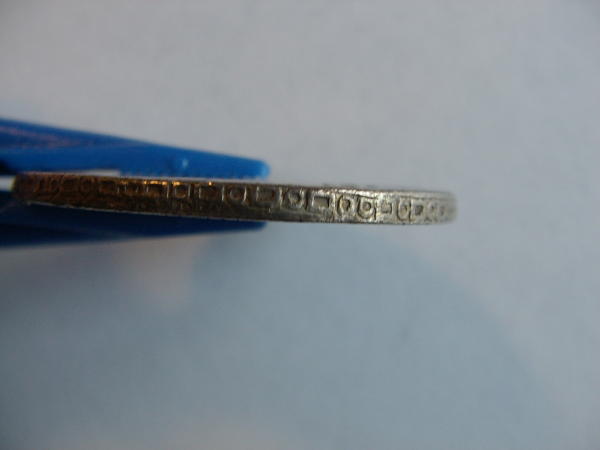
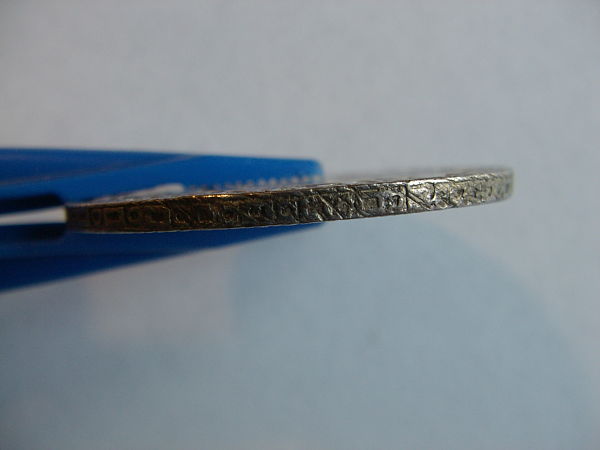
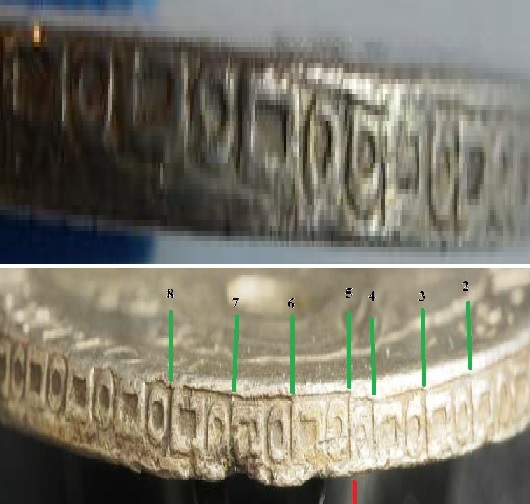
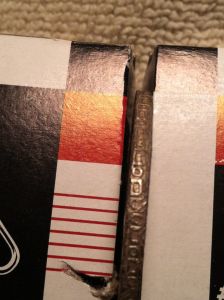
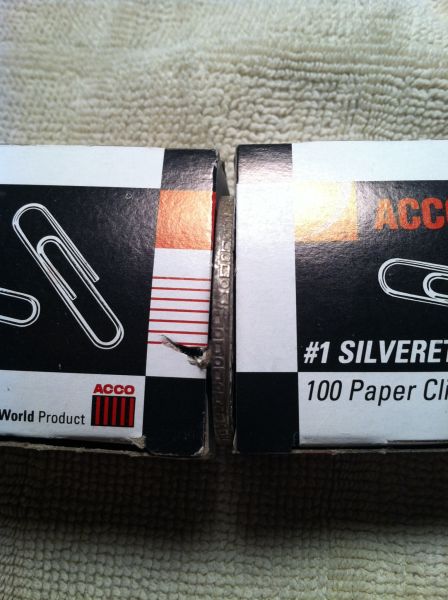
For instance - the coin we have been discussing has an edge test cut. It is a huge hole that penetrates to the core metal. PERFECT spot for running a string of point tests INTO the core. It will prove that the amount of silver migration from the core to the surface is normally minimal - well under 1%. Surface enrichment occurs, that is true, but it is a very slow process and this coin is certainly not porous at the surface indicative of serious corrosion.
I completely understand people like you Henry being reluctant because you do not understand how it works. The physics involved are complex and a well trained laboratory is the only place that can produce reliable results.
I presume that most of you heard that NGC has actually opened a testing lab (or it has contracted testing with one) so that it can offer XRF verification services on medals.
Why is that being done? Because experience has shown that the "experts" are terrible at estimating what an alloy is based on appearance. They are sure they know a coin is brass or bronze and people accept their opinions but they are wrong most of the time.
XRF can not be fooled when done right. It does not get fooled by color. It does not get fooled by the "value" of the coin. It does not get fooled by assumption, opinions or even theories. It provides demonstrable and repeatable results the essence of scientific proof.
You can reject science. People reject what they do not understand quite often. But the people on the forum I thought were looking for genuine answers not people talking through their hats. (Apologies to any LDS I mean no slur).
For years, German Silver (GS) has been mentioned as being used for Colonial Forgeries. It was written into books by very learned experts. The experts of that time all said GS was used. That was their opinion. They held this opinion even though the technology to make GS did not exist until about 1830. Well John Lorenzo has tested a lot of Counterfeits that were supposedly made with GS but the fact of the matter is that it didn't happen. The VAST majority of cases prove by XRF that the counterfeits are not actually GS. They are copper nickel alloys that look like GS. Only late date (post 1830) counterfeits have been verified to contain GS.
So you can keep believing experts who have opinions or you can start looking for scientific facts. You can keep counterfeits in your collection and buy and sell them as if they were real. Be my guest. I am only trying to teach what I have learned over many years of experiment and testing.
But if you decide to ignore scientific fact - who are you really fooling?






 First Page
 Previous Page


 Posted 11/19/2013 7:20 pm