| Author |
 Replies: 11 / Views: 1,812 Replies: 11 / Views: 1,812 |
|
|
Pillar of the Community
Canada
1505 Posts |
|
|
|
|
Pillar of the Community
Canada
3733 Posts |
|
|
Bedrock of the Community
Australia
21792 Posts |
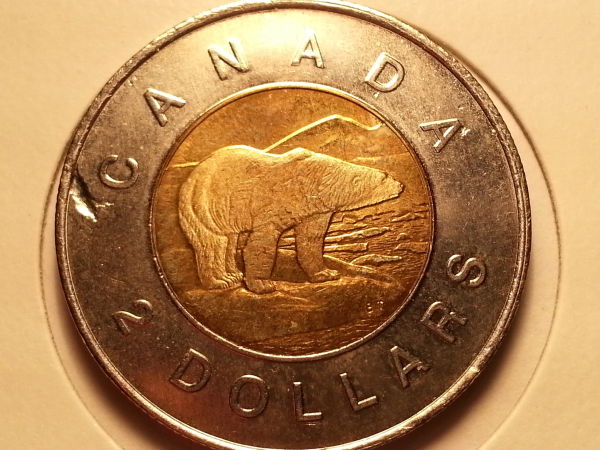
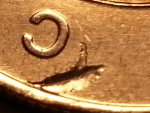
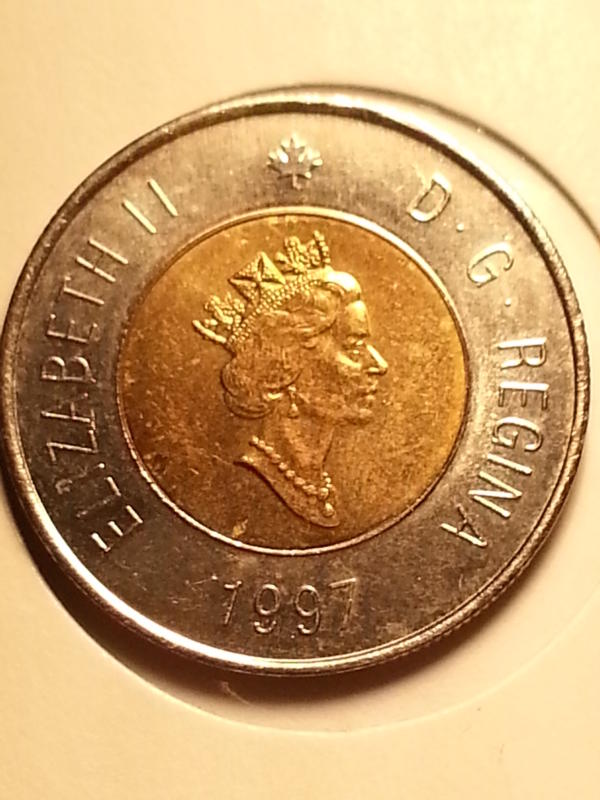
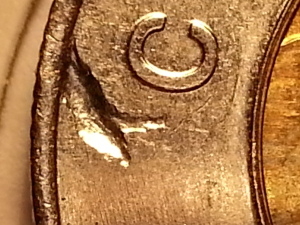
Would be very unusual to get a raised lump in the surface of the die to cause a dent in the coin.
Has to be impact damage to the coin.
|
|
Pillar of the Community
 Canada
1505 Posts |
That is why I was thinking a flawed planchett, as there is no corresponding bump on the other side for the displaced material and the gash relatively deep. Maybe it was chipped out, but that would seem to be difficult to do in practice.
|
|
Valued Member
Canada
470 Posts |
There may have been at one time a piece of copper or zinc that dislodged due to an environment change.(hot or cold temps.)
|
|
Pillar of the Community
Canada
632 Posts |
For sure it is not a die issue. It may be a lamination, since I can't see any tooling marks on the surface of the coin, but would be sure only after looking it on hand.
|
|
Valued Member
Canada
334 Posts |
This is a strike through error .
|
|
Pillar of the Community
Canada
2430 Posts |
I was thinking the same thing!
|
|
Pillar of the Community
Canada
1505 Posts |
Thanks all. Any idea on what it was struck on? (more curiosity than anything)
|
|
Valued Member
Canada
334 Posts |
Wasn't struck on anything - was struck through something . Could have been anything such as grease/debris .
|
|
Formerly nancyc
Australia
5385 Posts |
I'd say it was struck through some hard type debris that found it's way onto the die.
life is a mystery to be lived not a problem to be solved
|
|
Valued Member
Canada
387 Posts |
There is an example of a nickel in another post called "some possible errors" that you may want to look at. It is very similar but that one is on "5" of the nickel and makes it really interesting. I am not a metallurgist but I think one can make out whether it is a PMD or a mint related issue by looking at the texture of the metal inside the surface. Mint related issue would show the structure of the metal that would show striations etc. like in rock formations as opposed to smooth if it were a PMD. Much more pressure (possibly heat) during a mint impact than a PMD impact. |
| |
Replies: 11 / Views: 1,812 |
|











 Posted 03/04/2013 8:19 pm


