| Author |
 Replies: 620 / Views: 113,932 Replies: 620 / Views: 113,932 |
|
|
|
Pillar of the Community
 United States
4047 Posts |
Good feedback from ngs428. Looks like diffusion can help, and maybe also dropping the contrast in the picture style sub-menu. I usually shoot at -4.
|
|
Valued Member
United States
359 Posts |
Ray, Any tips for slabbed modern copper proofs? They are giving me some troubles... Maybe I need to work on my Smile Directors as you mentioned. For the image below I took about a 50 degree angle with the lights at about 2 and 11. 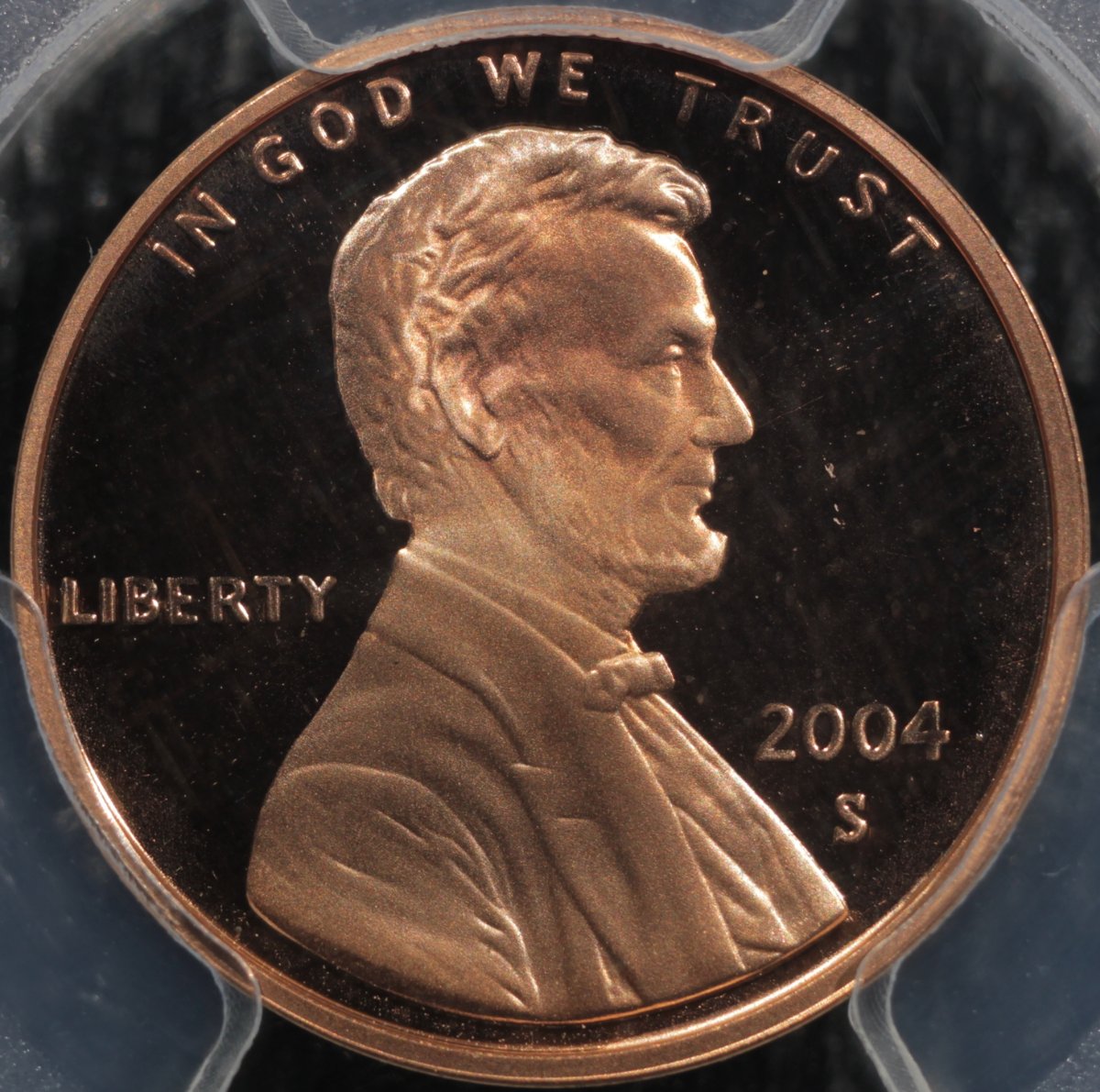 Also, for full slabs I tried my Epson V600 scanner I use for my PSA sports card scans. I like the slab details, but I know the scanner typically produces a flat image of the coin due to the direct light. Thoughts? 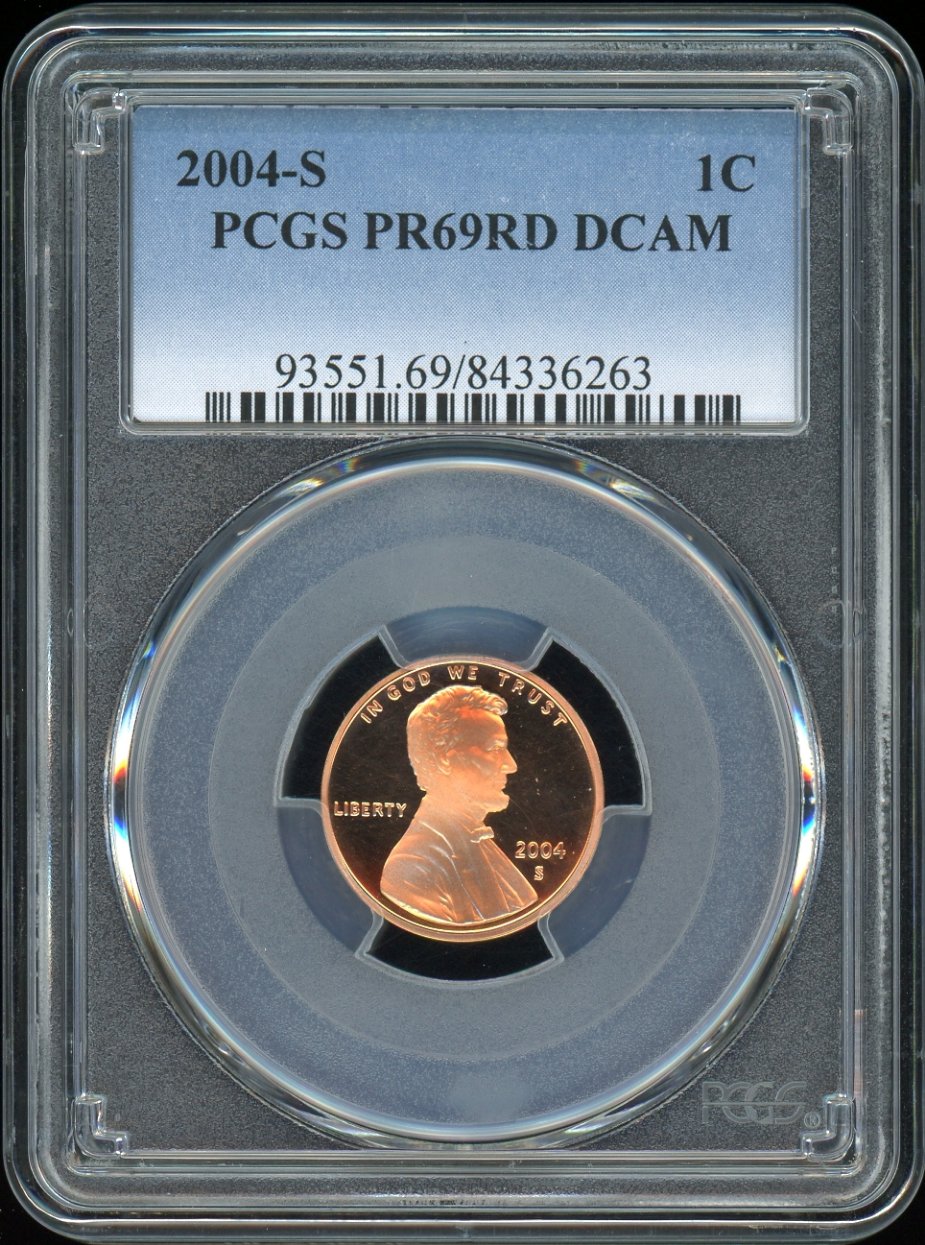 Edited by ngs428
05/27/2018 5:30 pm
|
|
Pillar of the Community
United States
4047 Posts |
That scanner pic of the proof in slab is actually pretty decent IMO.
The classic solution (supported by SuperDave, see his posts on the subject) for proofs is the ringlight. The light must be big enough, or close enough to the coin, so that no light shines from the fields but plenty of light shines from the devices. Takes a little practice to get it right but once you're there it's an "aha" moment.
Smile Directors work because they are "sections" of ringlights, so in addition to the proper angles of reflectivity they give directionality and thus some control over shadows.
|
|
Valued Member
United States
136 Posts |
ngs428
I figured out how to adjust the helicoid, but I didn't quite understand the part about "critically-focusing" and checking the quality with the high and low magnification. My rail has arrrived, but has not been put to proper use since I don't have a copy stand. Is the 140$ investment worth it or would it be better to try and make my own or look for a cheap one on the Craig?
I do not have my diffusion materials yet, but I just made the order on jet.com and they should be coming soon. In the meantime, I am trying to use some white printer paper. As for the flatness of the image, I think Ray's tip of changing the contrast should help. Ray, I will try shooting at -4 and will post some images to see if there is an improvement.
Thanks as always,
Eric
|
|
Valued Member
United States
359 Posts |
Eric, $140 for a stand is probably on the lower cost side. If you have access to welding and materials you could easily make one to bolt your focusing rail to. Some have made them out of wood too. I can't comment on how well they work, they need to be very sturdy.
Critically focusing, to me, just means to spend time and make sure you have the correct focus usIng the zoom feature in live view.
It states to check the quality of the focus on the highest and lowest features of the coin. Not high and low magnification.
Best of luck!
Edited by ngs428
05/27/2018 8:00 pm
|
|
Pillar of the Community
United States
4047 Posts |
Only one plane is in perfect focus, and "critical focusing" is the process of finding that one plane and putting it exactly where you want it to be versus the topography of the coin. Normally this is done with a very wide aperture, and then the working aperture is set to give an acceptable depth of field. By critically-focusing on the middle features of the topography (Lincoln's throat for the Cent) and then gradually moving the focal plane up and down to the highest and lowest features (beard and field) to see how much sharpness is lost by focusing on the throat, you can determine if the aperture is set small enough to have acceptable depth of field.
Contact me for photographic equipment or visit my home page at: http://macrocoins.comEdited by rmpsrpms
05/27/2018 9:30 pm
|
|
Valued Member
United States
136 Posts |
Thank all for the suggestions. I changed the contrast to -4 and put the sharpness at +7. Also messed with the color tone and saturation a bit. I think these images are sharper with more pop. What do you all think? 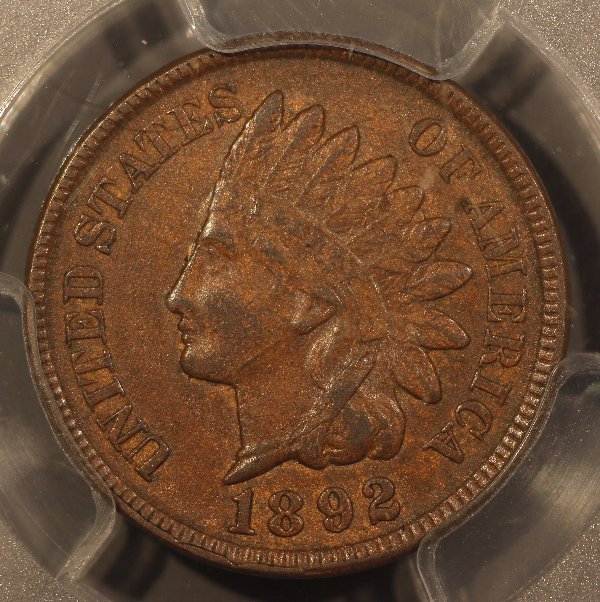 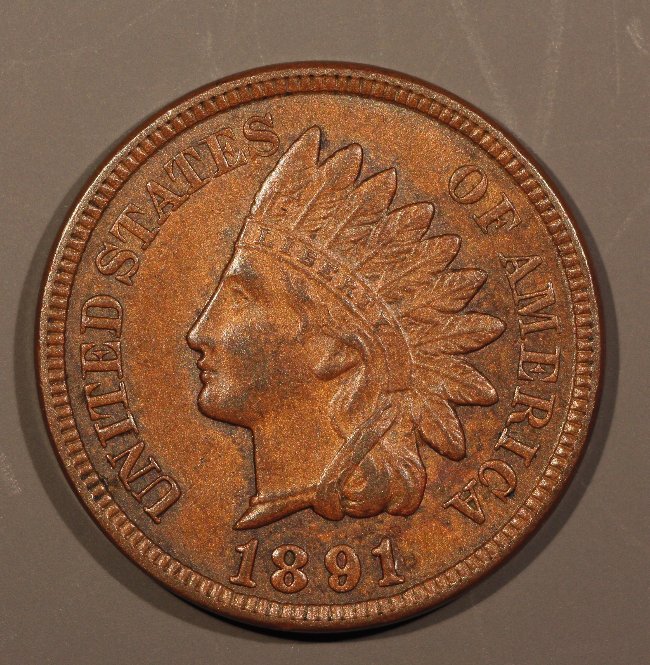 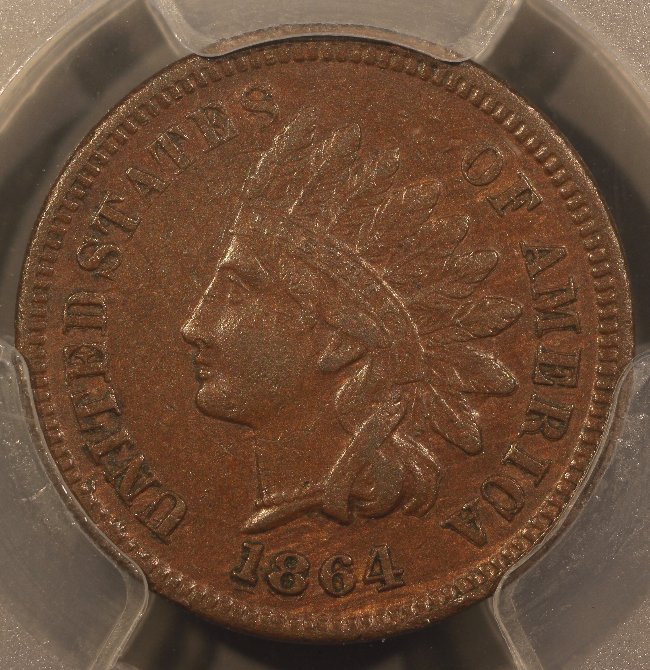 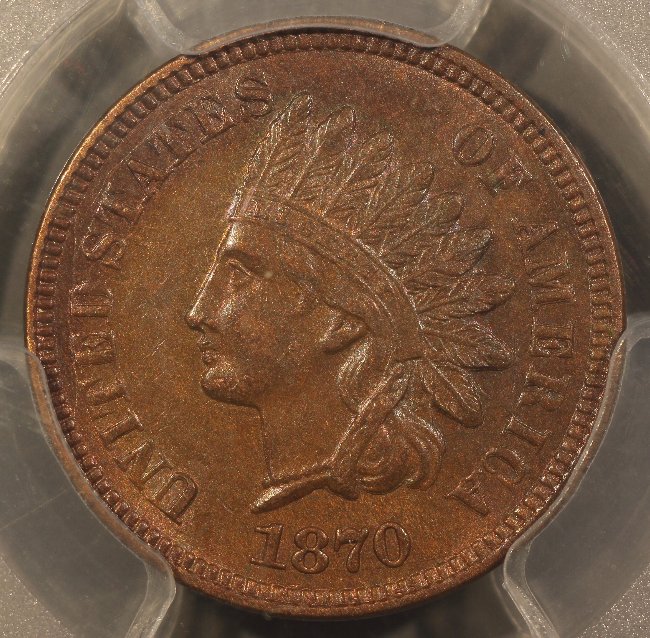 Edited by Eric19
05/28/2018 03:02 am
|
|
Pillar of the Community
United States
4047 Posts |
Way too over-sharpened. I'd recommend sticking with max 3 out of the camera. You can always increase sharpness later, but you can't easily take it away.
The overall look is better, less contrasty. Does it match the in-hand look reasonably well?
Contact me for photographic equipment or visit my home page at: http://macrocoins.com |
|
Valued Member
United States
136 Posts |
Hi rmpsrpms,
Sorry for the delayed responce. The coins do match the in-hand look very well. I am working on dumbing down the sharpness while keeping the coin focused. Will post some updates soon.
Eric
|
|
Pillar of the Community
United States
2257 Posts |
Quote:
EOS-M42 Adapter: $3
M42 focusing helicoid, 17-31mm: $21
M42 extensions, 2 sets 7/14/28mm: $16 total
M42-M39 adapter: $5.69
Nikon 75mm EL-Nikkor Lens: $45
Copy stand: Custom aluminum, 3/8" AL base plate with 1.5" diameter post, $7 for material, waterjet cut and welded at work
Manual focusing rail: $17
IKEA Jansjo LED lights, two: $31
Canson Opalux Diffusion Material: $7
AC Adapter for T2i: $15 Will these items work on a Canon Rebel T6 as well ? |
|
Pillar of the Community
United States
4047 Posts |
Yes, the T6 is an EOS mount, APS-C camera just like the XS so all the recommendations are compatible.
|
|
Pillar of the Community
United States
2257 Posts |
|
|
Pillar of the Community
2087 Posts |
Following up on the discussion in another thread. I just had a look at what M4/3 offerings are available second hand. NOte in advance I don't know the seller I am not recommending the sale I am just posting the link as an Example. Here is an ebay sale of an Olympus OMD E M10 II. https://www.ebay.com/itm/Olympus-E-...CR:rk:8:pf:0The advantages of that camera are built-in stacking and the absence of an AA filter. the Camera is 16mp... which is as many pixels as a newcomer to Coin Photography, using M4/3, should have. I think with hunting you could find even cheaper examples. The MIII of that Camera is out so the prices of the MII are likely to drop further. At around US$250 - $300.00 it would be a better option than the old DSLR models recommended in this thread. Everything else recommended in this thread applies to the OMD_M10II just you will have to ensure the adapters are to M/4/3 Edited by austrokiwi
12/01/2018 07:46 am
|
|
Pillar of the Community
United States
9395 Posts |
Do these Olympus 4/3 cameras support 5X or 10X tethered live view on a computer screen, for focusing?
Before I got a DSLR, I first used film and then a good scanner for imaging coins. As soon as I got the scanner in 1998, I was only too happy to ditch film immediately (I swore off film forever, and never took another film pic since then).
However, even though my first DSLR (Canon 10D in 2004) could actually take coin pictures that were better than the scans, the lack of live view made focusing unpleasant. It was so unpleasant (worse even than with film cameras due to the poor optical viewfinder) that I continued to do scans up until 2011, when I finally got a camera (550D) that supported 5X and 10X magnified live view focusing. After 2011, I never scanned another coin.
Live view is that important, at least with the Canon DSLRs.
|
|
Pillar of the Community
2087 Posts |
First off I would point out gently that your question is DSLR oriented and is a little antique when applied to Mirrorless cameras. I know tethering is supported for the OLY OMD-EM10 but I can't confirm 5X or 10X magnification I just assume that it is. I have used tethering with my Oly and it is just so annoying, compared to using the features the camera has.
To elaborate Mirrorless tethering does not provide the benefits you see with DSLRs. To obtain critical focus with a DSLR you have to tether. you have better options built into mirrorless Cameras.
The OLED viewfinders and rear screens on mirrorless cameras exceed the resolution of most computer screens( you only start to get comparable results when You use an 8K computer screen). Furthermore, with these mirrorless cameras, you have focus peaking ( and Zebra). For a beginner photographer, Focus peaking will help find critical focus much more intuitively than with a tethered DSLR. Zebra will help identify where the image is being blown out and simplify setting the exposure. If you're used to tethering then it will be hard switching to Mirrorless, but if you're new to cameras, mirrorless will have you taking better photos faster. Now that cameras like the Olympus OMD_EM10II are starting to be found cheaply second hand I think people have the opportunity to abandon some of the old technology.
That said, there are issues with the MFT format... the one that annoys me is noise(not an issue with the high-end FF Mirrorless cameras). The pixel packing on the M4/3rd cameras means you get noisy images. A beginner will unlikely have issues with that, and other functions like blue tooth and wifi transfer of images from Camera to phone( as well as being able to use your smartphone to control the camera ) will more than compensate for the noise. Basically, the second-hand Mirrorless cameras can give a beginner much more bang for their buck.
Edit: Just checked on my Oly it only has 7X magnification when using the back screen or Viewfinder. It is my Sony A7rII that has 5 and 12X options
Edited by austrokiwi
12/01/2018 09:51 am
|
| |
Replies: 620 / Views: 113,932 |








 First Page
 Previous Page


 Posted 05/27/2018 5:07 pm


