| Author |
 Replies: 12 / Views: 4,033 Replies: 12 / Views: 4,033 |
|
|
Pillar of the Community
Netherlands
847 Posts |
Hello Forummembers, Ive got an 10 centimes 1916. Found by luck in a lot I bought some time argo. The rarity about this one is that it weights 5,59 Grams. and Diamter is between 21 and 22 MM. I know there Is an Silver one struck of 10 centimes 1917 from this type. Almost the same weight. But not one from 1916 like my issue. I am wondering if someone knows more about this particulair piece.. Can't find it on internet thought. 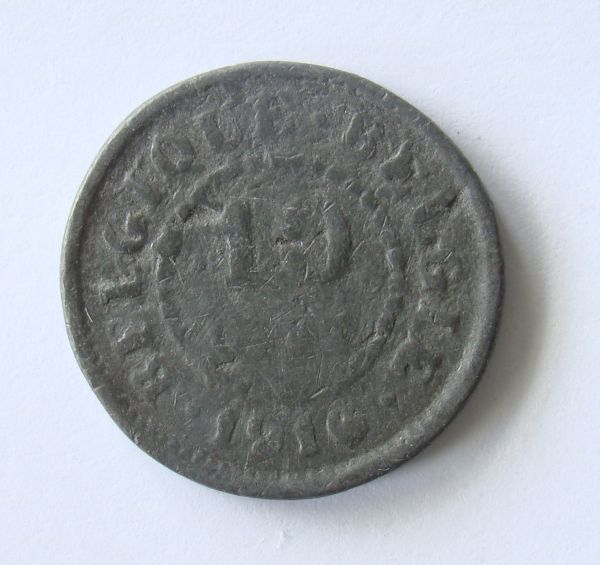 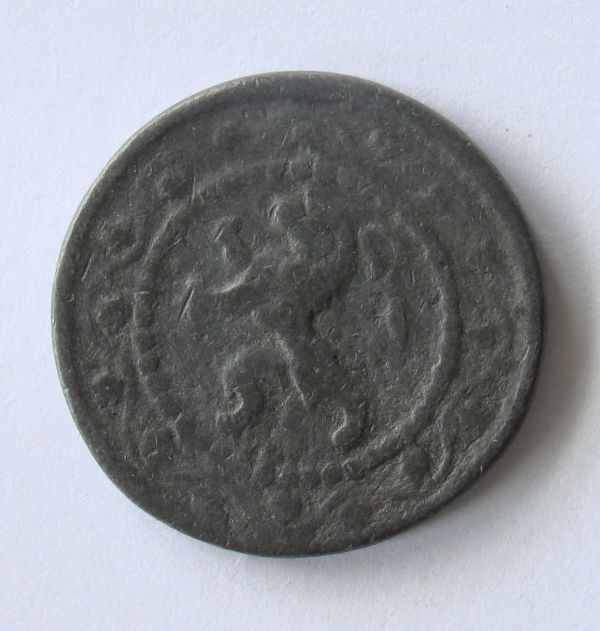 |
|
|
|
Valued Member
Belgium
83 Posts |
Due to the lack of details on this piece, I believe this is rather a copy (and therefore a fake) than a real piece. Possibly a transfer die was (poorly) created by using a moulding process and this piece was afterwards created based on the moulded dies.
There are no known essais or trial pieces for this year registered in any of the reference books of Belgian numismatics (although 1 is mentioned in Grispen in a bimetallic form: a layer of iron and a layer of nickel, which should have a total different look and colour than this piece).
The question remains: why should someone create a fake 10 centime piece that immediately stands out not only by its poor looks but also by weight. Especially because this piece actually has little monetairy value at that time and still does not have any numismatic value at this time.
|
|
Pillar of the Community
 Netherlands
847 Posts |
|
|
Valued Member
Belgium
83 Posts |
There are no restrikes made of the 1916 piece. This is clearly a fake piece that was manufactured in someone his shed ;-)
|
|
Pillar of the Community
United States
1674 Posts |
It is made of lead. This is not a material official coins are made of, though counterfeits often are.
|
|
Pillar of the Community
Netherlands
847 Posts |
I am still wondering what it is.. Because why on earth make an fake coin if the coin itself is very common. Mintage 32 milion pieces. And I don't know fakes from Belgium from last 200 years. Aswell when you make fake coins it is nearly always from silver pieces not zinc piece like this should be.
|
|
Valued Member
Belgium
116 Posts |
This isn't a fake coin for collectors but a fake coin made in WWI to buy food, etc...
Lead and zinc have (almost) the same color and are easier to forge.
This type coin is better know as: contemporary forgery or in flemish: "eigentijdse vervalsing".
mvg,
Aernout
|
|
Valued Member
Belgium
116 Posts |
Edited by Aernout
06/24/2014 3:10 pm
|
|
Pillar of the Community
Netherlands
847 Posts |
Dear Aernout,
Thanks for your reaction. I've seen the website interesting. THough vaneeckhout did not exist anymore. just out of curiosity I am wondering if this has collectors value. I know there are more zinc pieces then from lead of this date. But there aint a catlog yet with forgeries. At least not that I know yet..
Gr,
Vincent
|
|
Valued Member
Belgium
116 Posts |
Dear Vincent,
The site is still active ! And you can still put new photos on it. So don't by shy ;-)
I buy those coins for 2 a 3 euros par pieces. (that's more then an original piece in that quality).
mvg,
Aernout
|
|
Pillar of the Community
Netherlands
847 Posts |
Hello Aernout,
Thanks for the offer but for a few euro's I rather keep this piece for myself. As I haven't find it online before. It is easy to buy fake silver coins. But Fake nickel coins aint common.
MVg,
Vincent
|
|
Valued Member
Belgium
116 Posts |
|
|
Pillar of the Community
Netherlands
847 Posts |
Thanks. But all silver coins or rare copper coins. No nickel example. And cleary no high mintage coin. 32 milion like the nickel types of the 10 centimes 1916.
No contemponary forgery aswell. But new copy coins. Not older then 10-20 years tops.
|
| |
Replies: 12 / Views: 4,033 |
|










 Posted 01/21/2014 11:30 am


