| Author |
 Replies: 40 / Views: 10,697 Replies: 40 / Views: 10,697 |
|
|
|
Pillar of the Community
United States
949 Posts |
Roman Provincial used to be called Greek Imperial. Coins issued in Greek territory under Roman jurisdiction but administered mainly by indigenous people (with Roman overseers).
Shall we call it Greek?
It sure isn't miscellaneous (except perhaps to people who don't collect it).
|
|
Moderator
 United States
23731 Posts |
This is just my opinion and has no bases in fact. I feel that Greek influence ended when the Roman empire became the dominant power in the Mediterranean, Regardless of the people speaking Greek or whatever language, the region was still under Roman rule and Roman Laws. Client Kings where allowed to run their countries, but still subject to Romes influence. Personally I see these coin types as Roman Provincial and not Greek Imperial.
|
|
Pillar of the Community
United States
949 Posts |
Here is a drachm of Istros with the unusual Dioscuri flipped heads obverse. This example is distinctive in that the eagle and dolphin on the reverse are facing in the opposite direction of what is usually seen. 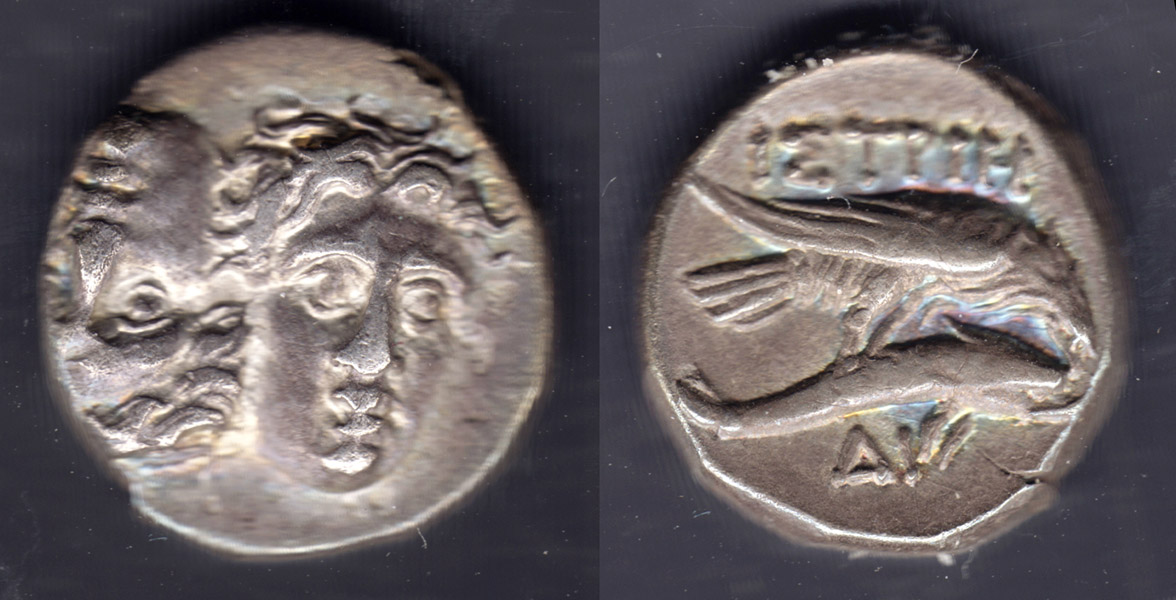 Among the Seleucid tetradrachms, none is of greater historical significance to me than the tetradrachm of Antiochus IV (Epiphanes), who in 165 BC precipitated the successful Jewish Maccabean revolt that opened the way for the Hasmonean dynasty of independent Jewish rule for about a century. 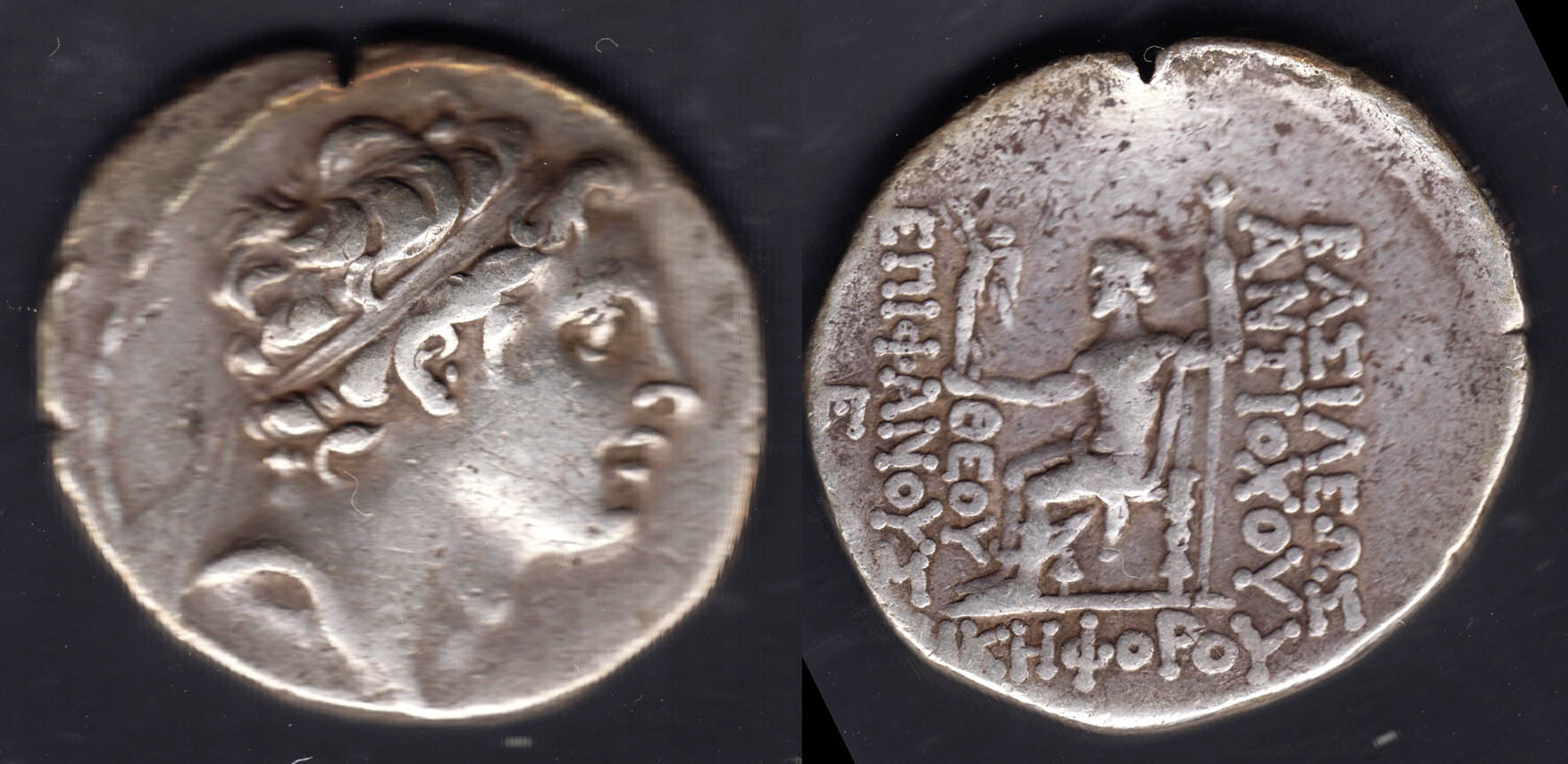 Edited by lrbguy
09/05/2015 6:55 pm
|
|
Pillar of the Community
 United Kingdom
2624 Posts |
I agree that the Persian Siglos is a very desirable coin, and for me it was one of the first coins I got with a incuse square reverse. However, like I said before, the Persian, Indo-greek, Indian, etc should go in the misc section. I mean how could the chief rivals of the Greeks, the Persians be considered Greek coinage?
The Roman provincial/Greek imperial is less clear cut. For me if it has an Emperor or Roman legend it belongs with the Romans, if it is Greek in appearance and minted independent of the Roman influence it is Greek (Basically does it look like a Greek coin?)
|
|
Pillar of the Community
United States
949 Posts |
Echi - I think that is the current feeling generally, esp since the term "Roman Provincial" has replaced the older one.
So then shall we say the term "Greek coins" refers to coins of the Greek Classical and Hellenistic periods, irrespective of country of origin?
Coins that "look" Greek? That opens a can of worms. The Seaby catalogs for Greek coins include a lot of issues you are excluding, because they fit into a particular pair of chronological/ historical eras.
I will hold off on the siglos. but the replacement will probably raise questions of its own.
Edited by lrbguy
09/05/2015 6:53 pm
|
|
Moderator
United States
23731 Posts |
Since this is DavidUK's thread I guess it would be whatever he prefers.
|
|
Pillar of the Community
United Kingdom
2624 Posts |
I think it is genuinely a grey area but like I said if the coin was minted independent of Roman influence, doesn't bear the image of an emperor/Caesar and looks like a Greek coin (head of a deity one side and perhaps something from the natural world or myth on the other)then I could accept it as being Greek - regardless if the time period suggests Rome was in charge.
I asked a similar question a while back "does this coin belong with my Greeks or my Romans?" and there is no clear cut answer in some cases.
The miscellaneous thread will be for anything not clearly Roman, not clearly Greek and not clearly medieval. I hadn't really planned for it to include Roman provincial/Greek imperials so I am easy going if these coin appear here.
|
|
Pillar of the Community
United Kingdom
2624 Posts |
Lets have some more in by the end of the weekend ^^ I know there are plenty more neat coins that you lot have in your collections!
|
|
Pillar of the Community
United Kingdom
3626 Posts |
One of my favourites. 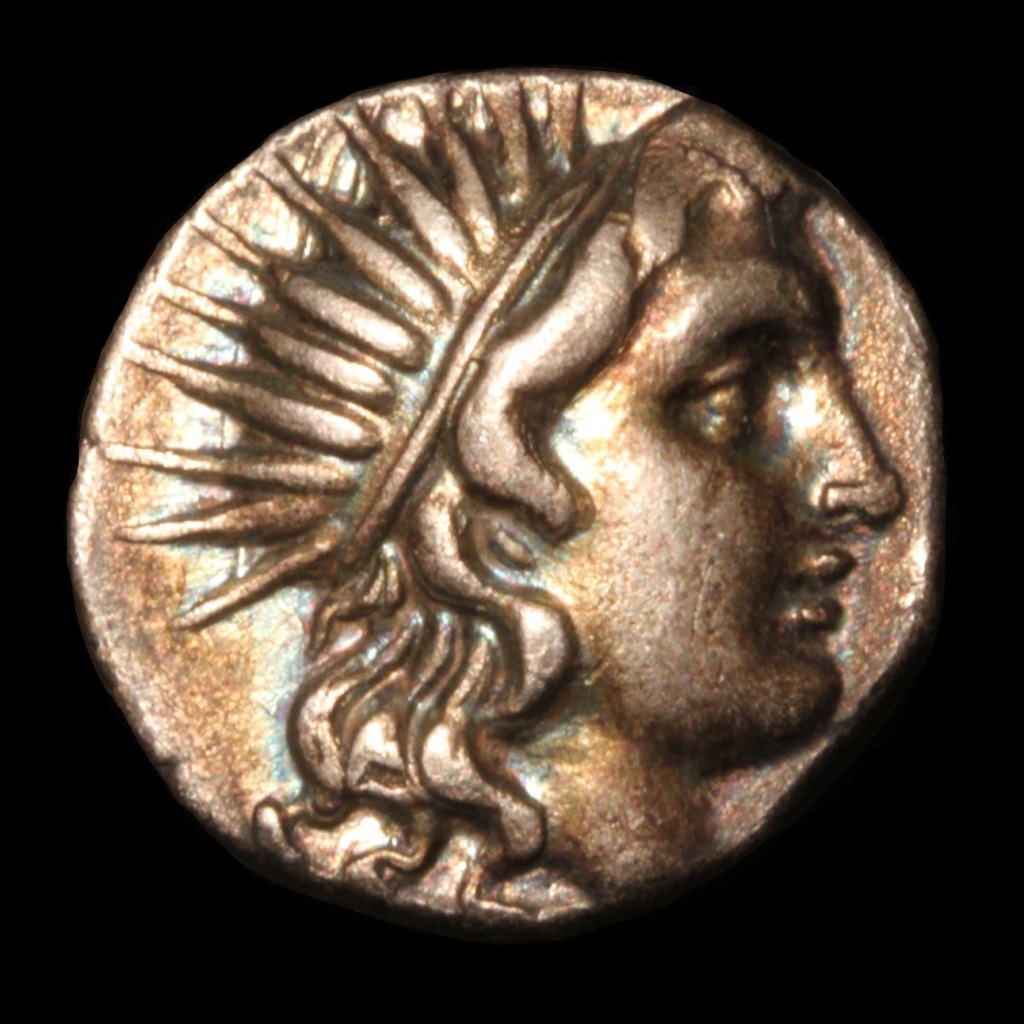 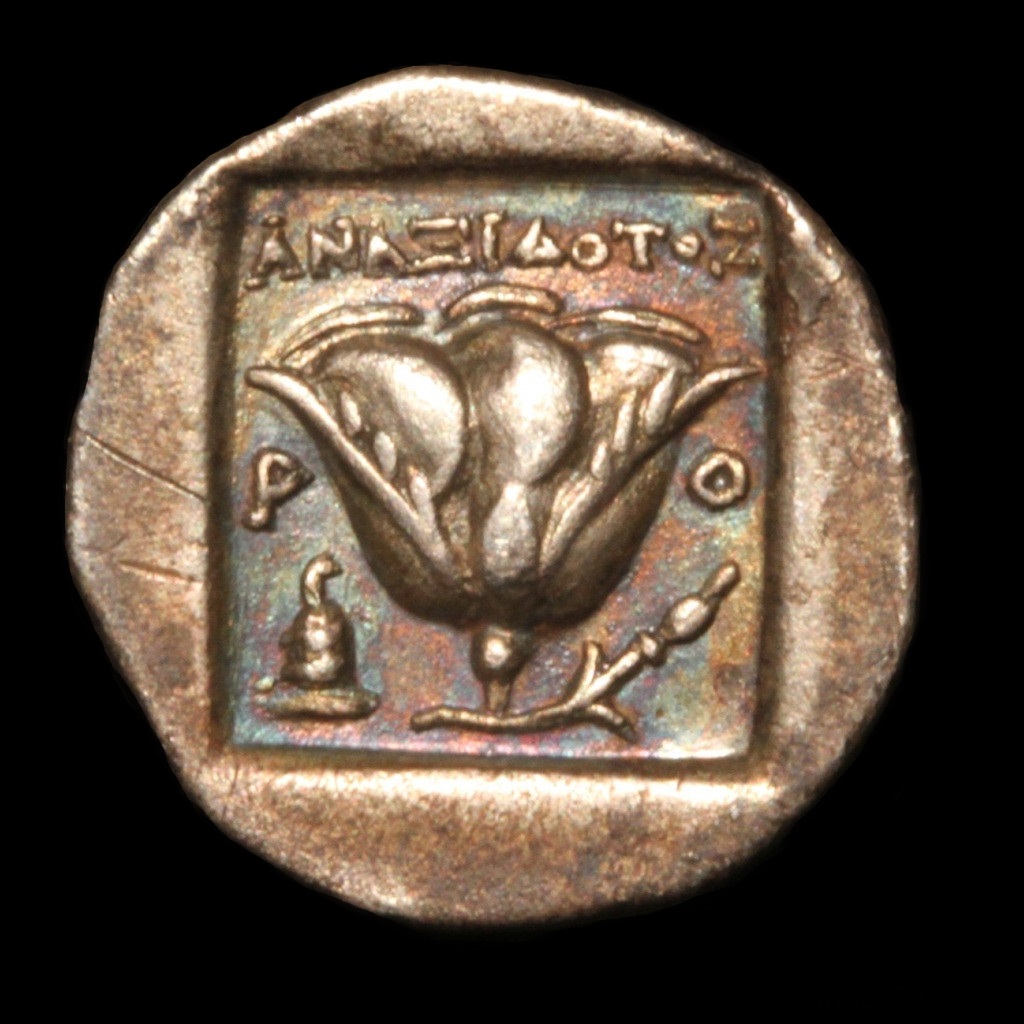 Rhodes Coin: EF Silver Drachm Radiate head of Helios right P O - Rose with bud, snake on omphalos in left field Mint: (190-170 BC) Wt./Size/Axis: 2.55g / 15mm / - References: Jenkins 1989, 15 HGC 6, 1457 BMC 247 Edited by pishpash
09/08/2015 08:49 am
|
|
Pillar of the Community
United Kingdom
3626 Posts |
You can't have Greek coins without this iconic one. 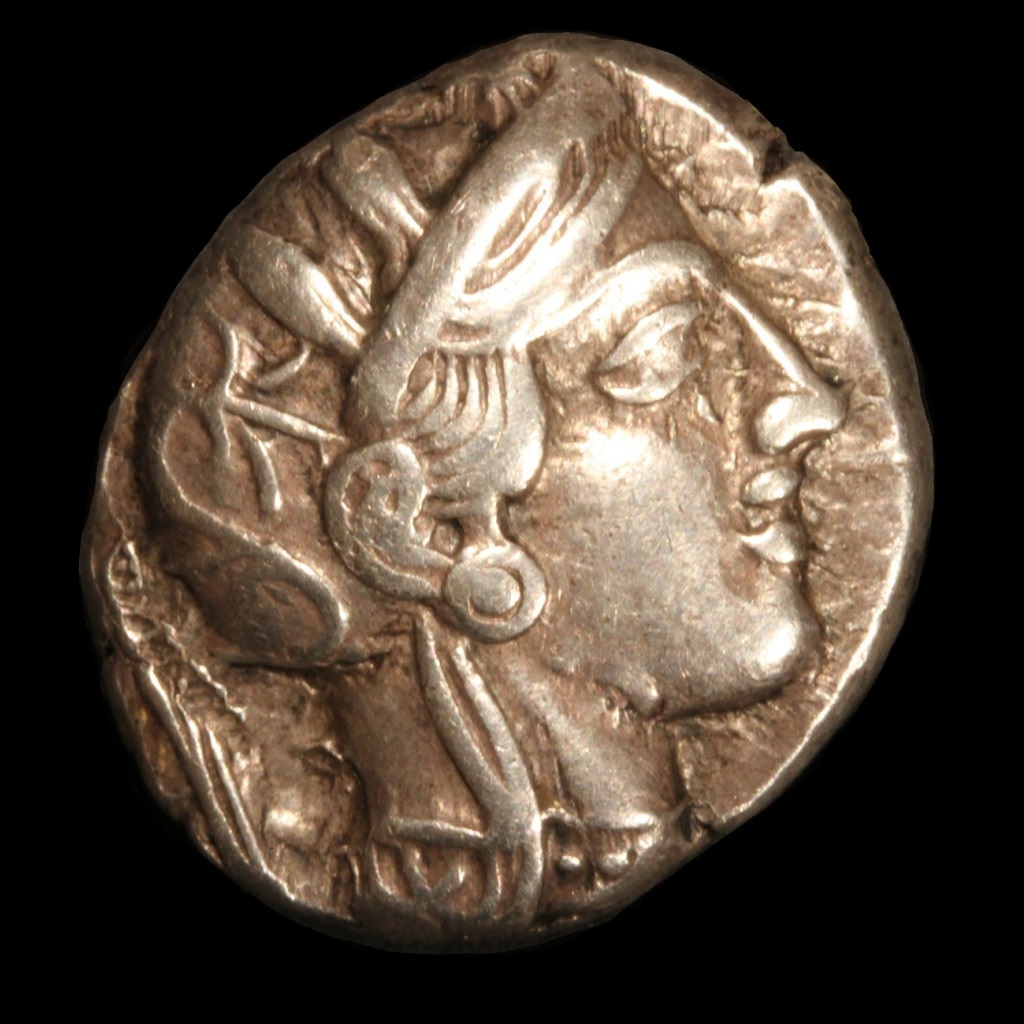 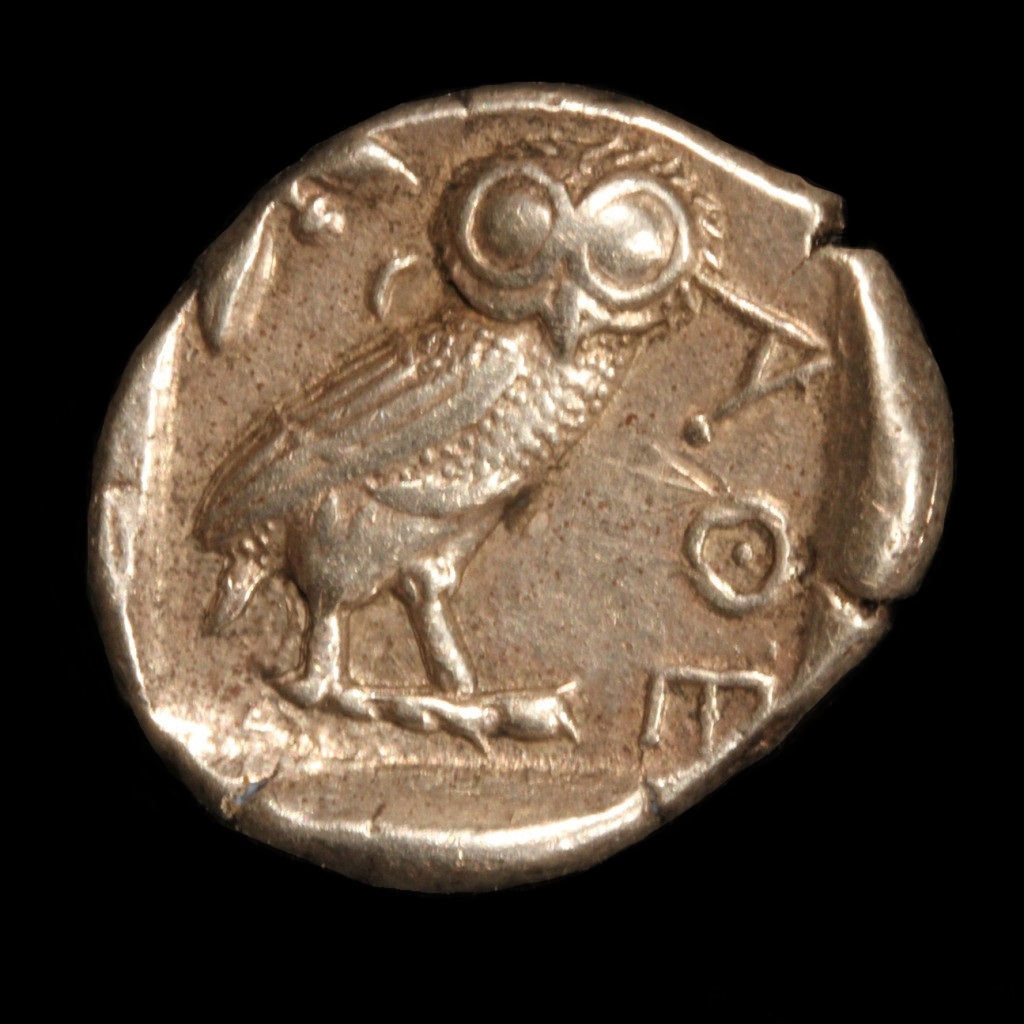 Attica, Athens Coin: EF AR Tetradrachm Athena Helmeted Right Owl standing right, head facing, crescent & olive-sprig behind within incuse square Mint: Athens (415 BCish) Wt./Size/Axis: 17.13g / 26mm / - Edited by pishpash
09/08/2015 08:51 am
|
|
Pillar of the Community
United Kingdom
3626 Posts |
Successor to the turtle, the tortoise... 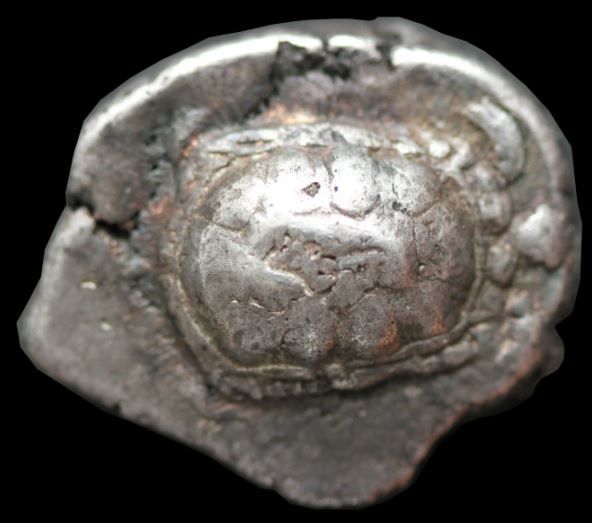 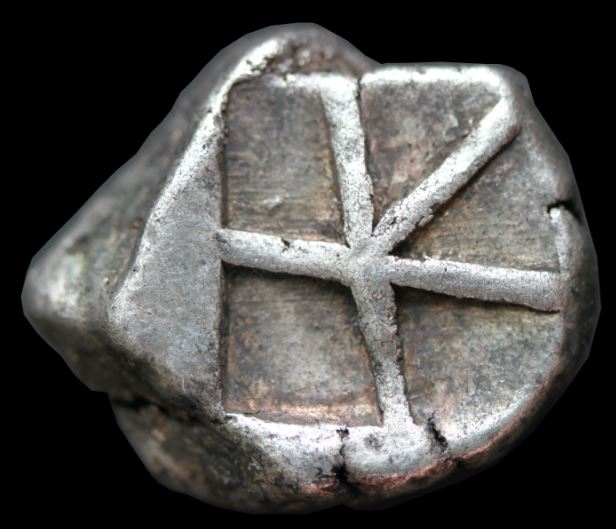 Still struggling to take a decent image of this one. |
|
Pillar of the Community
United Kingdom
2624 Posts |
We all know that owls and turtles/tortoises are great coins, but that Rhodes is particularly nice... a type I have been keeping an eye on for a while hoping to bag a bargain one day.
|
|
Pillar of the Community
Belgium
1194 Posts |
here my 3 coins ,limited to the Hellenistic period , the cheapest to buy nice silver coins, I thinh. 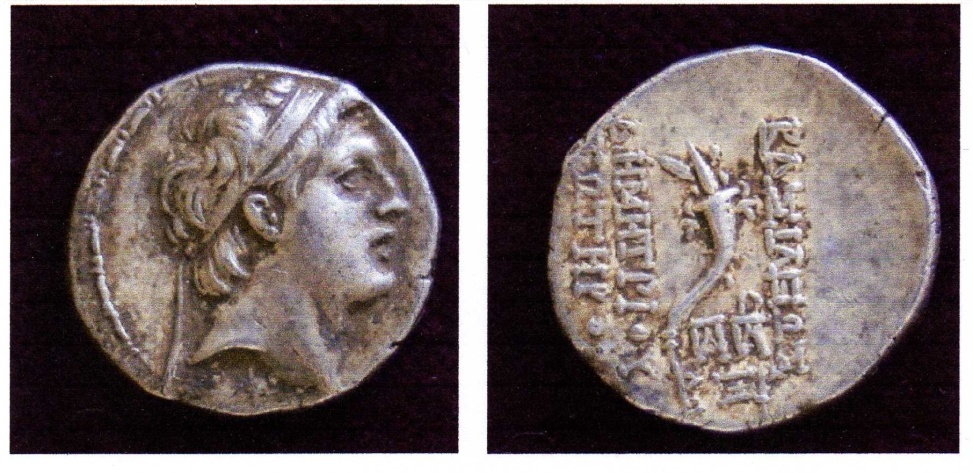 Demetrios I soter : 162-150 BC obv : anepigraphic,diademed head right rev:Basileos Demetriou Soteros : cornucopiae : monograms :PA , APO , AXP . mint : Antiochia , AXP = 162 = 152/151 AR drachm 18 mm , 3.92 gr , die axis 7 h ref : Houghton159,SNGIsrael1279 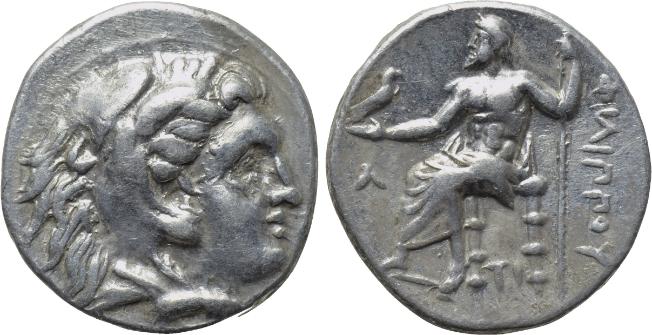 Philippos III Arrhidaios : 323-317 BC obv:anepigraphic , head of Herakles right , wearing lion skin rev: Philippou : Zeus aëtophoros seated left with sceptre controls : bee in the left field , TI below throne AR drachm , 16 mm ; 4,21 gr , die axis : 12 h mint :Sardes ref : Price P101 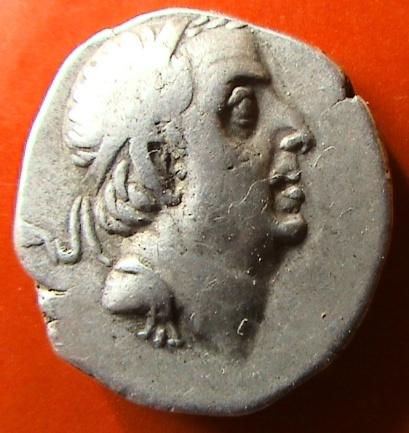 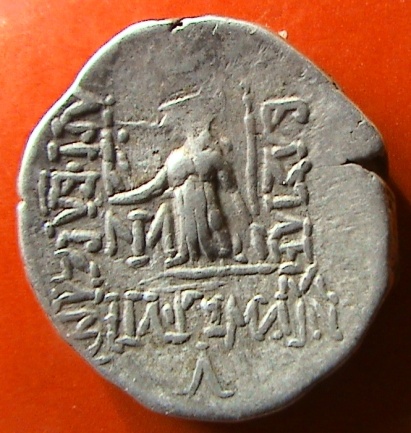 Ariobarzanes I : 95-62 BC obv: anepigraphic , diademed head right rev : Basileos Ariobarzanou Philoromaiou , left monogram M I , in exergue L : helmed Athena Nikephore at left with chiton , spear and shield. AR drachm , 160mm , 4.45 gr ,dieaxis 12 h ref SNGCop154 mint : Caesarea (Cappadocia ) year L = 30 = 65 BC PS : Pishpash : your magistrate is named : ANAXIDOTOS , the P - O = Rho (R) - Omikron ( O )= RO = Rhodos .albert |
|
Pillar of the Community
United Kingdom
2624 Posts |
Time to vote!
1. Attica, Athens Owl Tetradrachm
2. Alexander III Tetradrachm
3. Corinth Pegasus Stater
4. Aegina Turtle Stater
5. Thrace, Messembria Diobol (Corinthian Helm/Meta)
Some wonderful coins entered for this one, very hard to chose only 5!
|
|
Pillar of the Community
United States
949 Posts |
Quote:
Each person should enter 3 coins of their choice (but I think we should only enter coins that can be had for under $300 since most people can't be affording gold coins of Julius Ceasar etc) trying not to repeat selections other have made. I'm confused. Does the value limit rule still apply? |
| |
Replies: 40 / Views: 10,697 |





 First Page


 Posted 09/05/2015 6:07 pm


