| Author |
 Replies: 9 / Views: 1,517 Replies: 9 / Views: 1,517 |
|
|
Valued Member
United States
196 Posts |
First, I have this 1985 coin which has some rough areas on the reverse, especially on the rightmost letters in the work PLURIBUS. Would this be an example of a rusty die? 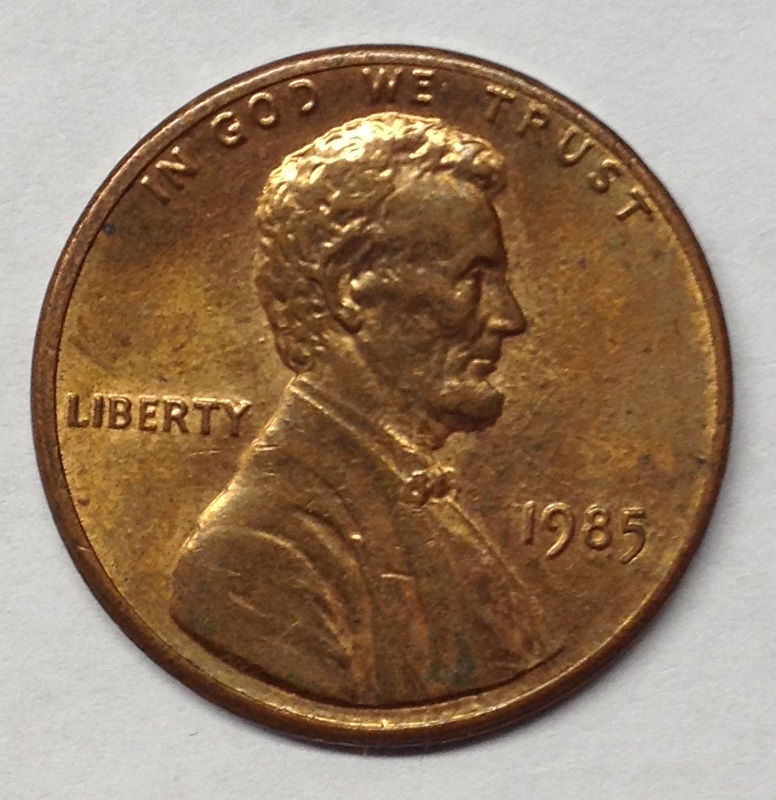  My other question for the evening would be related to WAM. Would the following two coins be examples of WAM? 1986: 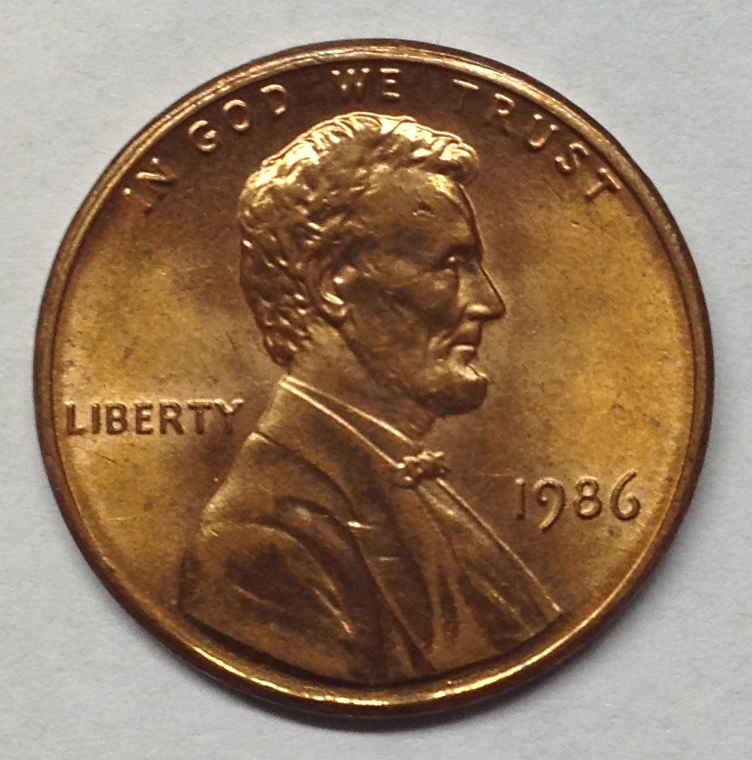 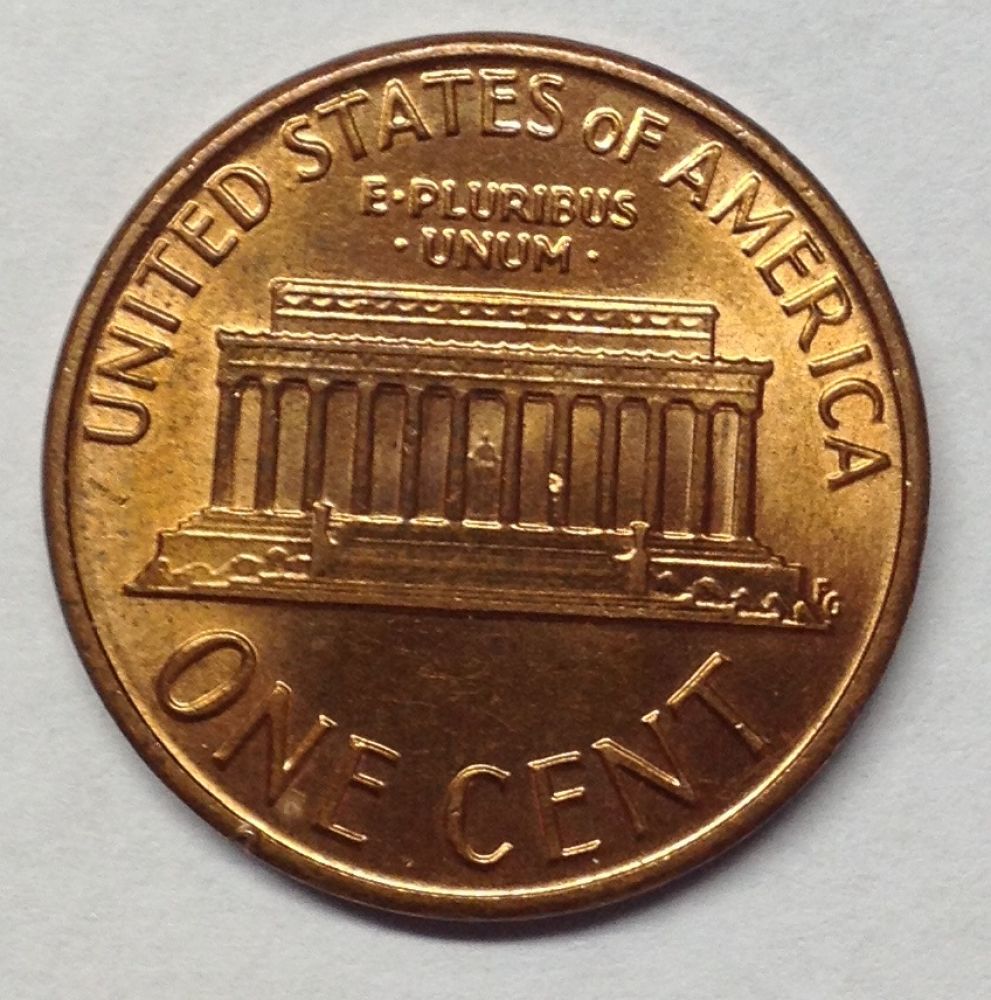 1987: 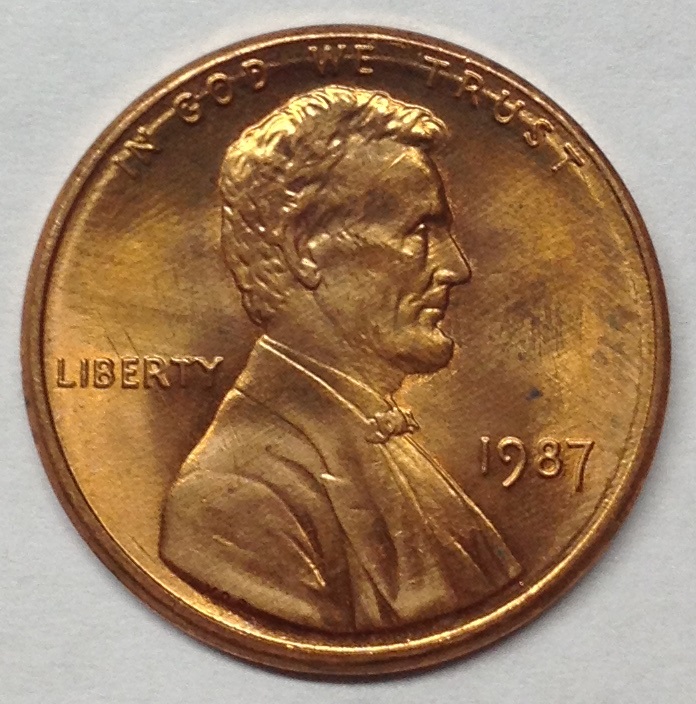 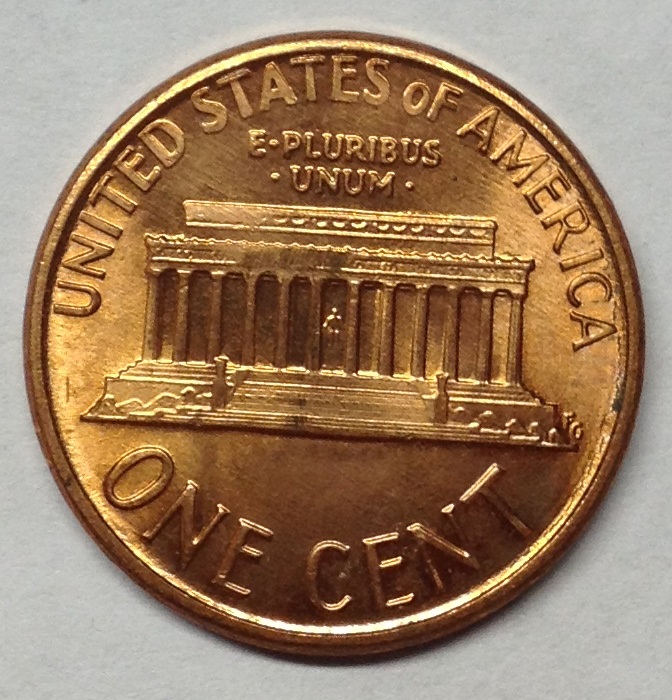 Thanks, John |
|
|
|
Pillar of the Community
United States
5964 Posts |
Looks like plating bubbles and two wams.
|
|
Rest in Peace
United States
7075 Posts |
The first coin has zinc rot. The others are WAM's. Good pics. Hang on for a second opinion.  |
|
Pillar of the Community
United States
2260 Posts |
I am a newbie myself so take what I say with a grain of salt. All pennies before 1993 are WAM's except for a few 1992 and 1992-D. The "spots" are probably plating bubbles. Don't toss the pennies in the scrap pile until an expert replies to your post. |
|
Pillar of the Community
United States
571 Posts |
The 1986 and 87 are WAM's, but that is what they are supposed to be for those years. The ones you want to watch for are the 1998, 1999, and 2000 WAM's, and the 1992 CAM ( Close AM). |
|
Valued Member
 United States
196 Posts |
Thanks. I thought (if I am following the things I read correctly) that if they were plating bubbles that you could press on them with the tip of a toothpick and they would move, but these do not. I appreciate the information you all have to share. I like to learn :-) Now I know what to look for in regards to " WAM", and what years to look for. Edited by JohnDeVito
12/19/2015 5:27 pm
|
|
Pillar of the Community
United States
5964 Posts |
If the A in states is evenly spaced it is a Wide AM, if it is a little to the right, it is a Close AM. Depending on the date of the coin, either could have extra value. The plating bubbles are common on copper plated zinc cents. Welcome to the forum. |
|
Pillar of the Community
United States
1915 Posts |
First and foremost, welcome to CCF. Here you will find plenty of people willing to help you out. The help you get will vary from very little experience to actual experts in the numismatic world. As someone who has collected Lincoln cents for 4 decades, the reverse of each of these coins are exactly what they are supposed to be. As for the bumps, those are either gas bubbles formed under the plating, which is a process that was started sometime during 1982 on Lincoln cents, or the could be the signs of the beginning of zinc rot. Both are VERY common on what some refer to as Zincolns. I really like your photos. Most newbies have a very hard time photographing what they want to ask questions about. Here is a link to show you the different reverse sides for the Lincoln Memorial series. It will also let you see what years to look for the transitional rarities that everyone is after. http://www.varietyvista.com/Lincoln...0Changes.htmEdited by seal006
12/19/2015 6:29 pm
|
|
Valued Member
United States
196 Posts |
|
|
Bedrock of the Community
United States
62064 Posts |
The bubbles as some are calling it is actually residue that is under the plating. This happened a lot at first on the Zincolns because of a poor rinse technique. Thus they won't give under a toothpick. Probably zinc dust on the coin before it was plated.
|
| |
Replies: 9 / Views: 1,517 |
|










 Posted 12/19/2015 5:23 pm


