| Author |
 Replies: 4,683 / Views: 276,016 Replies: 4,683 / Views: 276,016 |
|
|
|
Pillar of the Community
Belgium
1185 Posts |
amazing progress, this thread is very alive ! great to follow (alas from the sidelines) a question I have is why from the three Dutch IJsselsteden (who a few decades later minted fantastic coins together, I have a few daalders with the portrait of Charles V on one side) only Deventer issued with dates, while Kampen and Zwolle did not . - question phrased more in general, is there any research on the incentives for adding dates to coins? @louie Quote:
Bought this from Karl Stephens 15+ years ago. He usually has several ED's in stock. The quality of his
show inventory is amazing interesting address, thanks for the tip |
|
Moderator
 United States
34553 Posts |
@1c5d7n5m, one of the things about Levinson's book is the great detail that he provides about the specific minting cities. I'll share some of the specific details and quotes that he provides below for each of the Dreisteden, but the basic answer is that @louie and I are only able to purchase what is for sale and the early dated coins of Deventer are simply more available (and for lower prices). Kampen: There are five known varieties of dated coins from 1480, 1485, 1486, and 1488 AD. Considering their rarity, there is a total of 10 or 11 coins available outside museum collections (in other words, only one or two examples of each date is in private hands). Quote:
It's own coinage consisted of tiny denominational pieces, all of which are today of the greatest rarity and found only in poor condition. Zwolle: There are ten known varieties of dated coins from 1488, 1492, 1495, 1497, and 1499 AD. Considering their rarity, there is a total of approximately 50 coins available outside museum collections. Quote:
Zwolle...had a fairly extensive history of early dated coinage, striking both city coinage and coinage for the triple monetary alliance. Deventer: There are about 40 varieties of dated coins that cover the range of 1458 to 1500 AD. Not every year is represented, but several varieties are listed as "Very Scarce", which corresponds to an estimated population of 50-100 collectible coins. As it turns out, that '72 Stuiver that I posted a few days ago is one of them. All in, I'd estimate that there are 500 collectible early dated coins from Deventer. Quote:
...Deventer's city mint during the Middle Ages was a powerhouse of early dated coinage production, striking over 50 [sic] types, with 22 different dates, and 9 denominations, more than almost all other medieval states...The coinage of Deventer is somewhat unusual in that its earlier coinage (except for that struck in 1458) is significantly easier to obtain than its later coinage. Dreisteden: Finally, I would like to point out that the Dreisteden minted Stuivers, Half Stuivers, and Quarter Stuivers in 1488 AD, with a mintmark of D, C, or Z. The estimated collectible population for all three mints and three denominations is roughly 75 coins. "If you climb a good tree, you get a push."
-----Ghanaian proverb
"The danger we all now face is distinguishing between what is authentic and what is performed."
-----King Adz
Edited by Spence
12/21/2018 2:59 pm
|
|
Valued Member
76 Posts |
@Spence Thanks for all of the research. For
Deventer I have III-42, III-47 to show. My III-48
needs Todd's magic and III-58 is shown. From
Zwolle I only have III-254, looks to be made from
copper. As everyone can tell I'm not very organized
when it comes to research or writing so I leave that
to those who have a talent for it. For this I thank
Spence. A few more hours and we'll be in the 1460's.
Have a good day or evening and stay safe.
|
|
Pillar of the Community
Belgium
1185 Posts |
thanks for your explanation Spence It depends of course on the number of collectors that are really interested, but extrapolated to other area's of provincial Dutch coins, 20-100 coins outside musea is reasonable, while 10-20 or less means very stiff competition when a new kid shows up on the block. The Silver Benelux of Delmonte (which starts around the 1540ies with guilders of Charles V) uses R1 to R4 as rarity index. It is a bit fuzzy what it means exactly today, but the way I interpret is: R4 (2-4 available items), R3 ( 5-10), R2 (11-25) and R1 (26-100); perhaps the same index applies to the early dated coins we are looking at these days. When musea decide to reorganize their collections, an opportunity may arise for private collectors. On example was the (infamous) multi-center auction of the Huntington collection, very interesting for collectors of rare to very rare big silver pieces from the Spanish Netherlands. Another more modest example I remember is a decision of the Historisch Museum Deventer, which has a huge coin collection (largely originating from a gift in the 19th century from Willem Herman Cost Jordens). Less than a decade ago the museum decided to re-register an digitize the entire collection (>10.000 items). Coins that fitted less well were first offered to collections in other musea in the Netherlands, those that were still left over were auctioned at Schulman b.v. in Amsterdam. I was very lucky with a winning bid (for a fair price) on a type 1b leeuwendaalder (Delm.830) pictures of which I posted before http://goccf.com/t/298137#2604907. Looking again into the auction Schulman catalogue 345 it is very clear: not one early dated 3-rijkssteden or Deventer coins was auctioned. Edited by 1c5d7n5m
12/21/2018 4:37 pm
|
|
Valued Member
76 Posts |
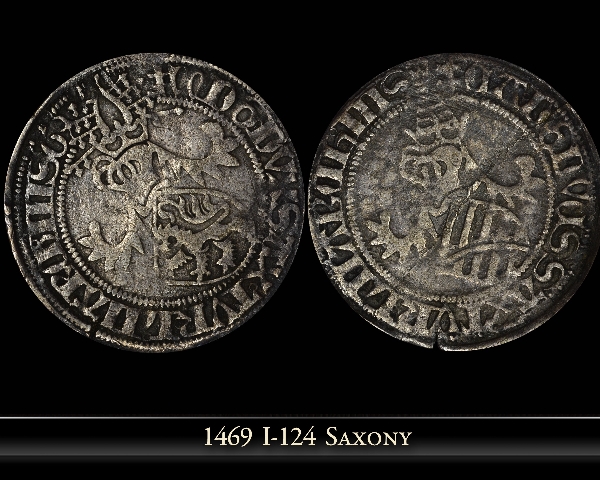 The date is hard to discern but I checked it with the book. |
|
Moderator
United States
34553 Posts |
@1c5d7n5m, the stated rarities in The Early Dated Coins of Europe 1234 - 1500 are: Quote:
C = Common (251+ collectible pieces)
S = Scarce (101-250)
VS = Very Scarce (51-100)
R1 = Rare (21-50)
R2 = Very Rare (11-20)
R3 = Extremely Rare (7-10)
R4 = Excessively Rare (4-6)
R5 = Of the Greatest Rarity (2-3)
R6 = Unique, Likely Unique, or Uncollectable An interesting side note is that Levinson actually doesn't use R1 in his book, but rather just the letter R and so this appears to be a typo. Overall, the book is incredibly well written, but there are a few typos that crept into this first edition. Hopefully, they will be fixed if and when a second edition is in the works. For today's coin, mine is similar to @louie's, but from a different mint in Saxony (Leipzig rather than Colditz). The mintmarks are six pointed stars and double crosses, respectively. The attribution on this Horngroschen is Levinson I-127 and Krug 1459. 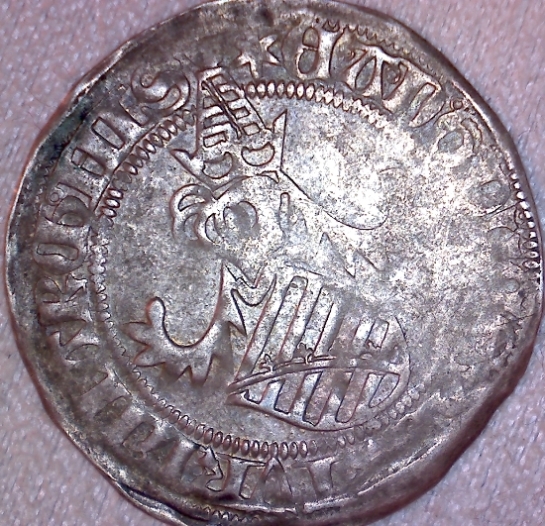 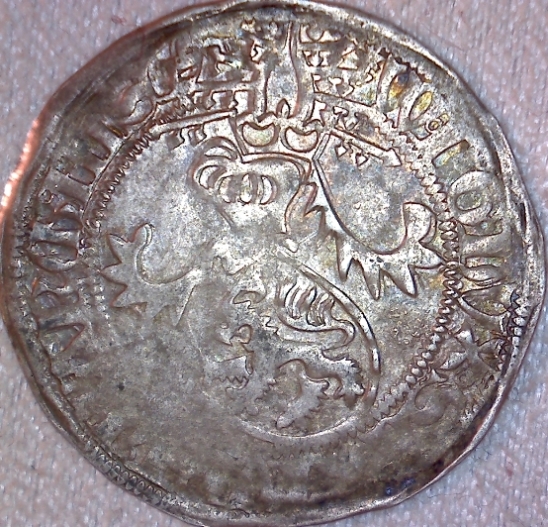 "If you climb a good tree, you get a push."
-----Ghanaian proverb
"The danger we all now face is distinguishing between what is authentic and what is performed."
-----King Adz
|
|
Valued Member
76 Posts |
Very nice piece @Spence. This thread is now entering two of the toughest decades to collect from.
Several years ago I read that the 1460's and 1450's were the hardest decades to collect. Except
for the Horngroschen from the Saxon mints, some of which are rare, and a couple of Kortlings
from Gottingen, the majority of the pieces are R2 or rarer. Horngroschen do turn up periodically
but their condition is sometimes less than desireable. Having the Levinson book and being able to
see the mintmark helps. The placement of the date makes it difficult to attribute whether the coin
is in hand or you have a high resolution photo. Several years ago auction house Hohn had a large
group in one of their sales and many of them brought strong prices. I don't remember if the Levinson
book was available then. For the Lowlands there are only 2-3 pieces
that are possible. Austria and her territories have a couple of possibilities.
Edited by louie
12/22/2018 09:37 am
|
|
Pillar of the Community
Belgium
1185 Posts |
interesting coins for 1469, @louie and @ Spence
must have Levinson's book and study it
the rarity index makes sense, it is a bit more detailed than that of Delmonte
the borderline 250 between common and scare could have been made with the assumption that this field has approximately 250 collectors everyone could obtain one piece
what is fascinating is that both supply (new coin hoards discovered) and demand can change over time
for instance, a popular CCF thread could boost the number of collectors
|
|
Pillar of the Community
United States
1186 Posts |
This is a 1469 B-cross-horseshoe Hungarian Denar under Matthias Corvinus;Huszar 717,Unger 562e,Pohl 216-5,Rethy II235A. 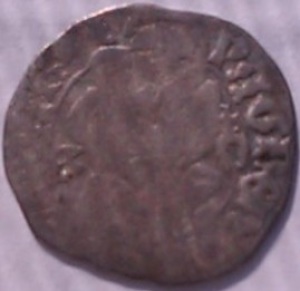 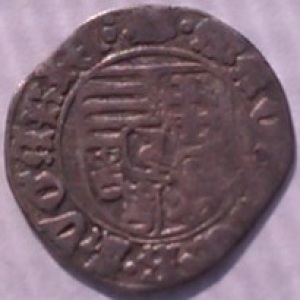 |
|
Pillar of the Community
 United States
8056 Posts |
Quote:
Bought this from Karl Stephens 15+ years ago. He usually has several ED's in stock. The quality of his
show inventory is amazing I did forget about Karl Stephens as a source. I have mostly bought Polish coins from him (no pre-1500 dates), but I did get a nice Brabant 1498 Toison d'Or from him many years ago. Given his good selection of central Europe coins, I suppose he sometimes has early dated German and Austrian that I never noticed. Edited by tdziemia
12/22/2018 3:27 pm
|
|
Valued Member
76 Posts |
@tdziemia If you don't catch Karl a show, he issues a price list 4-5 times a year. His prices are
very fair and the quality of his merchandise is great. Another dealer in the U.S. is Dr. Allen Berman.
He has an extensive inventory and deals with ED coins. There maybe others but I am not familiar
with them. 90-95% of my collection comes from European auction houses. I bought one piece
thru CNG last year and three from Heritage in 2013.
|
|
Valued Member
76 Posts |
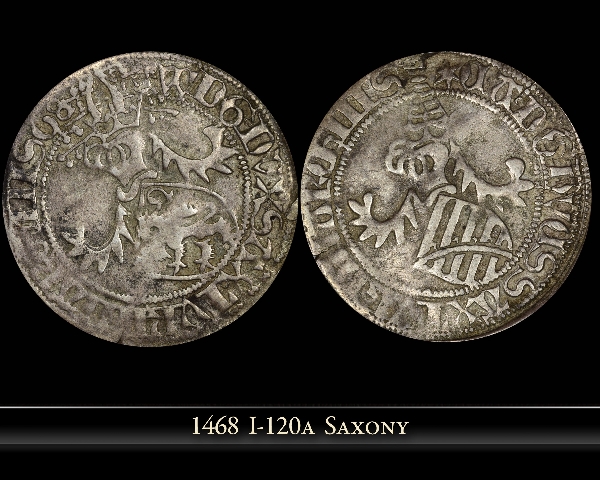 Nice clear date, which is rare for the Horngroschen. This one from the Leipzig mint. 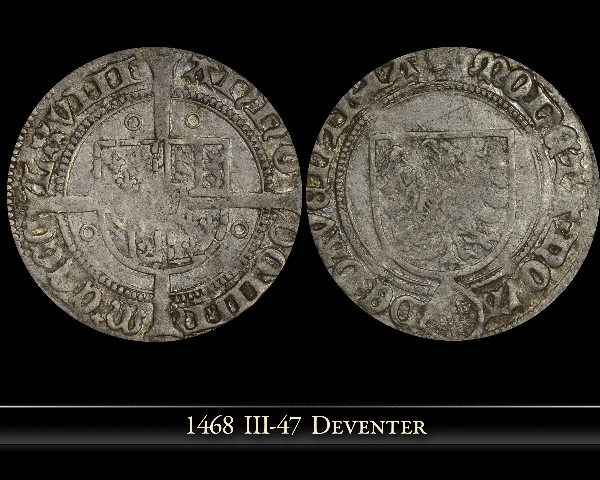 Another with Roman numerals. |
|
Moderator
United States
34553 Posts |
Similar to @louie's, but minted in Freiberg (Levinson I-119 and Krug 1384): 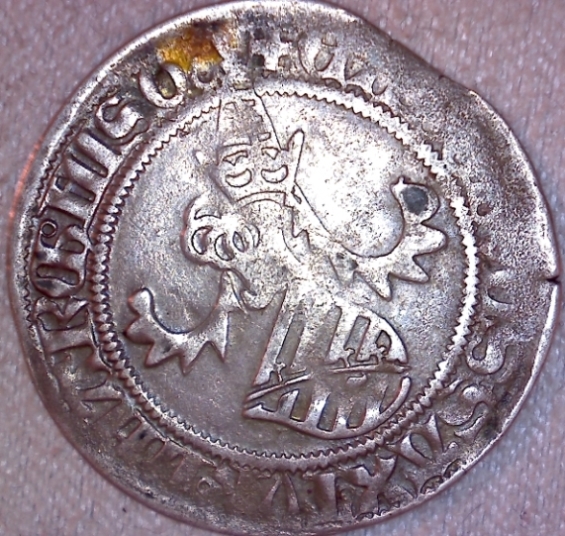 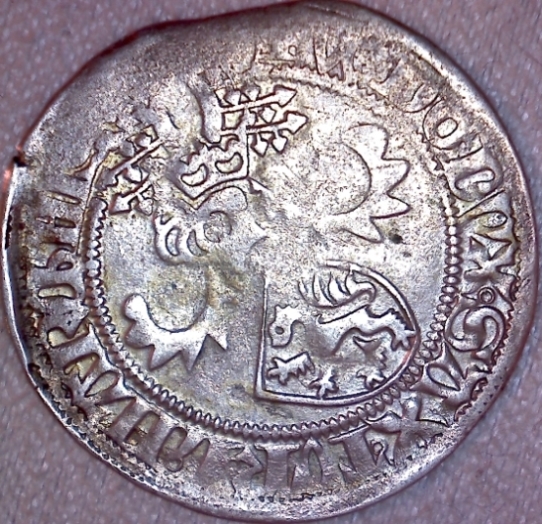 "If you climb a good tree, you get a push."
-----Ghanaian proverb
"The danger we all now face is distinguishing between what is authentic and what is performed."
-----King Adz
|
|
Pillar of the Community
United States
1186 Posts |
These are all 1468 Hungarian Denars under Matthias Corvinus. 1. B-S mint mark;Huszar 717,Unger 562d,Pohl 216-4,Rethy II235A. 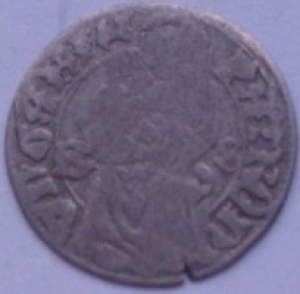 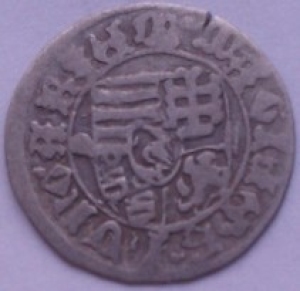 2. h-T mint mark;Huszar 717,Unger 562g,Pohl 216-7,Rethy II235A. 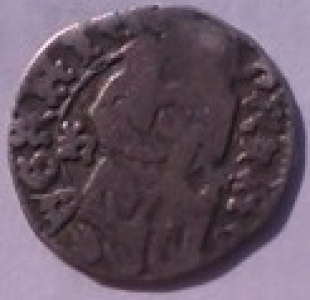 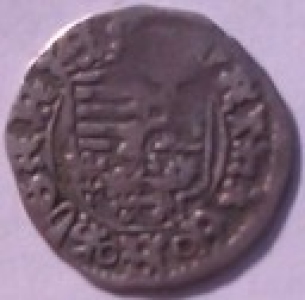 3. K-K/shield mint mark;Huszar 717,Unger 562h,Pohl 193-1,Rethy II235A. 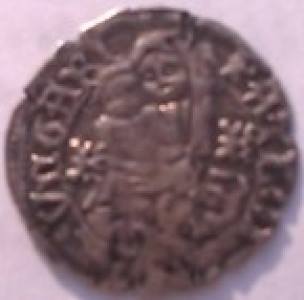 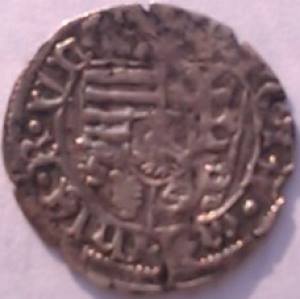 4. n-cross/horseshoe mint mark;Huszar 717,Unger 562n,Pohl 216-14,Rethy II235A. 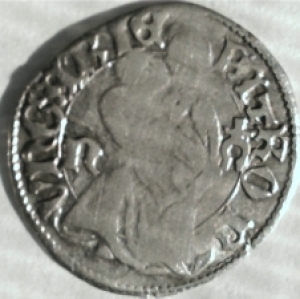 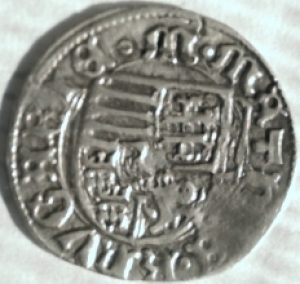 Edited by EddieDiz
12/23/2018 1:22 pm
|
|
Valued Member
76 Posts |
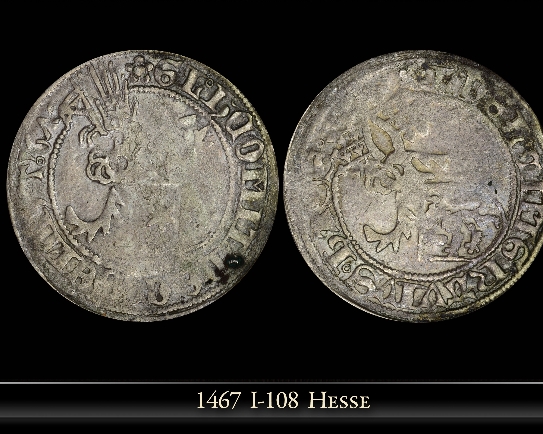 The mint Cassel made this one. |
| |
Replies: 4,683 / Views: 276,016 |








 First Page
 Previous Page


 Posted 12/21/2018 2:57 pm


