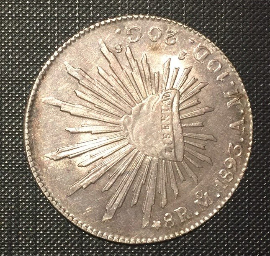
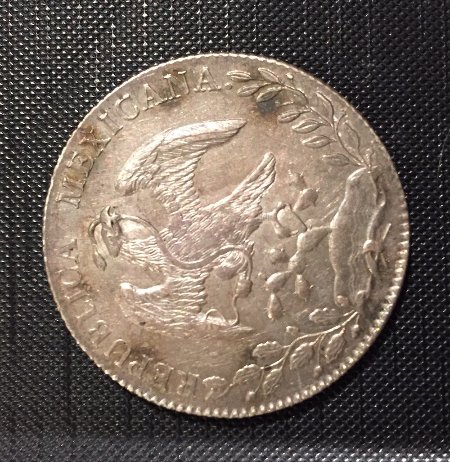
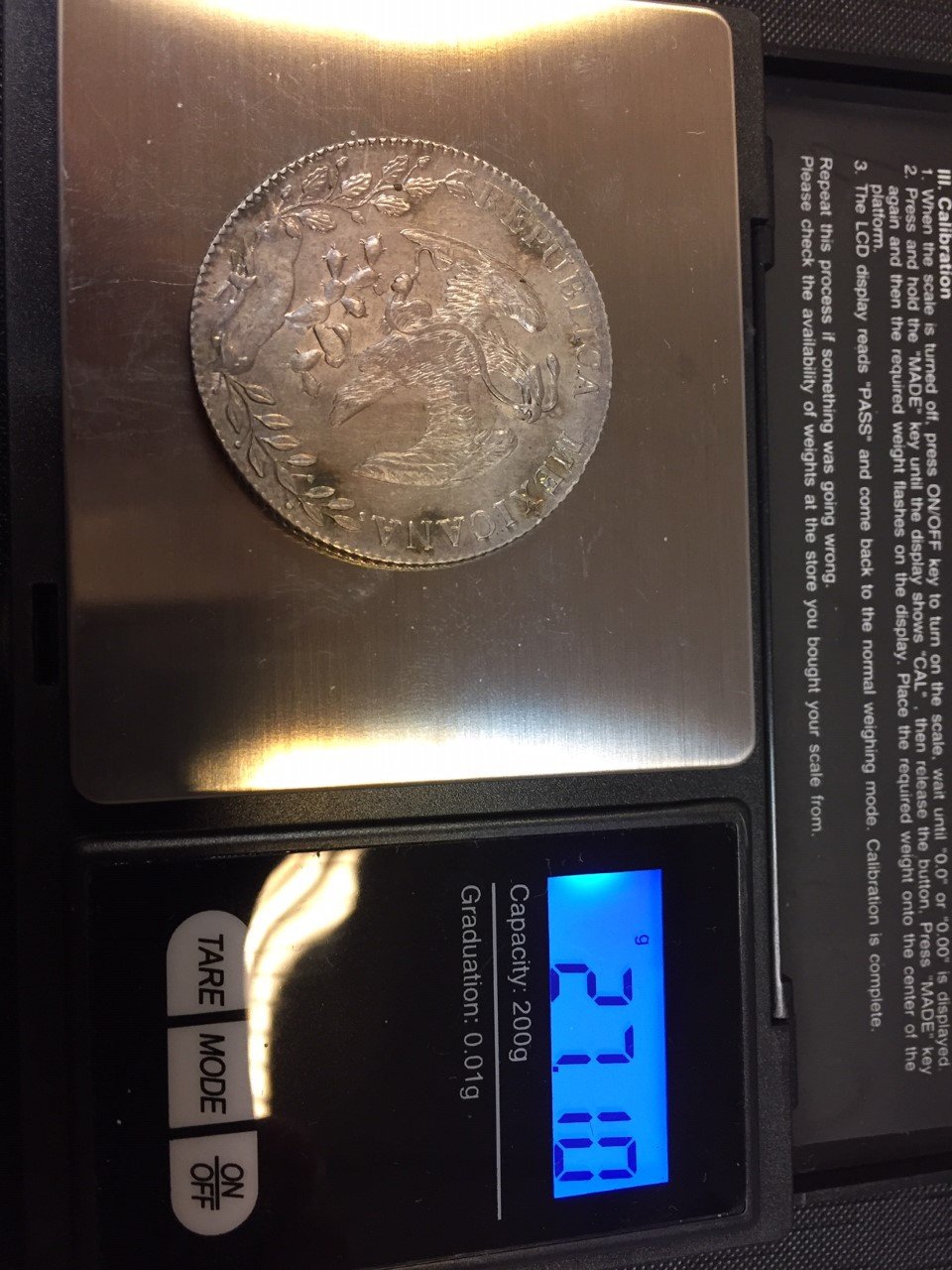
I picked this piece up as an unsold lot at an online auction house a few weeks back for the price of 75 Euros. So yesterday, I took it to my coin guy at a local flea-market to get a plastic capsule for it. He took one look at it and started making faces. Among the things he commented on:
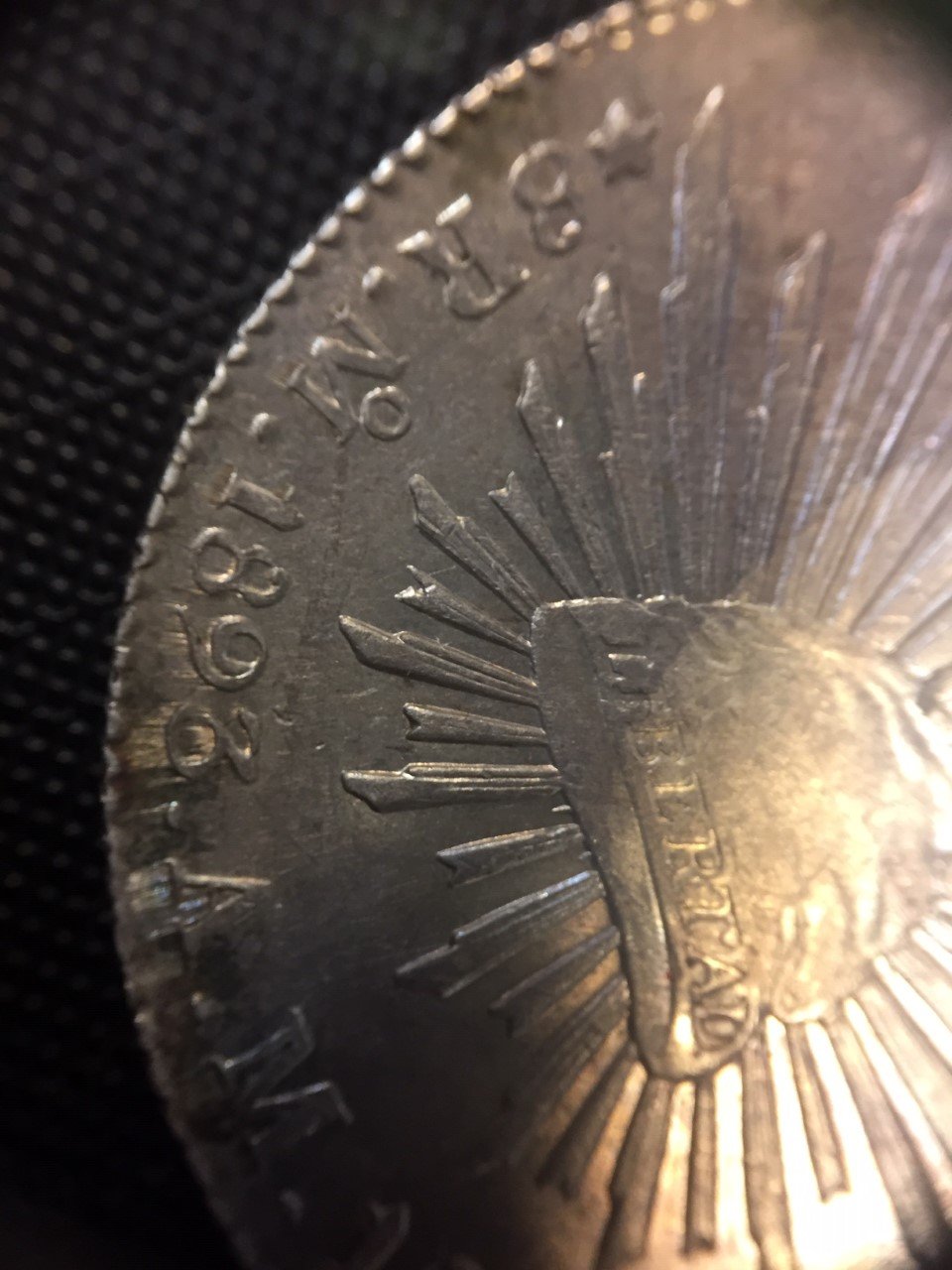
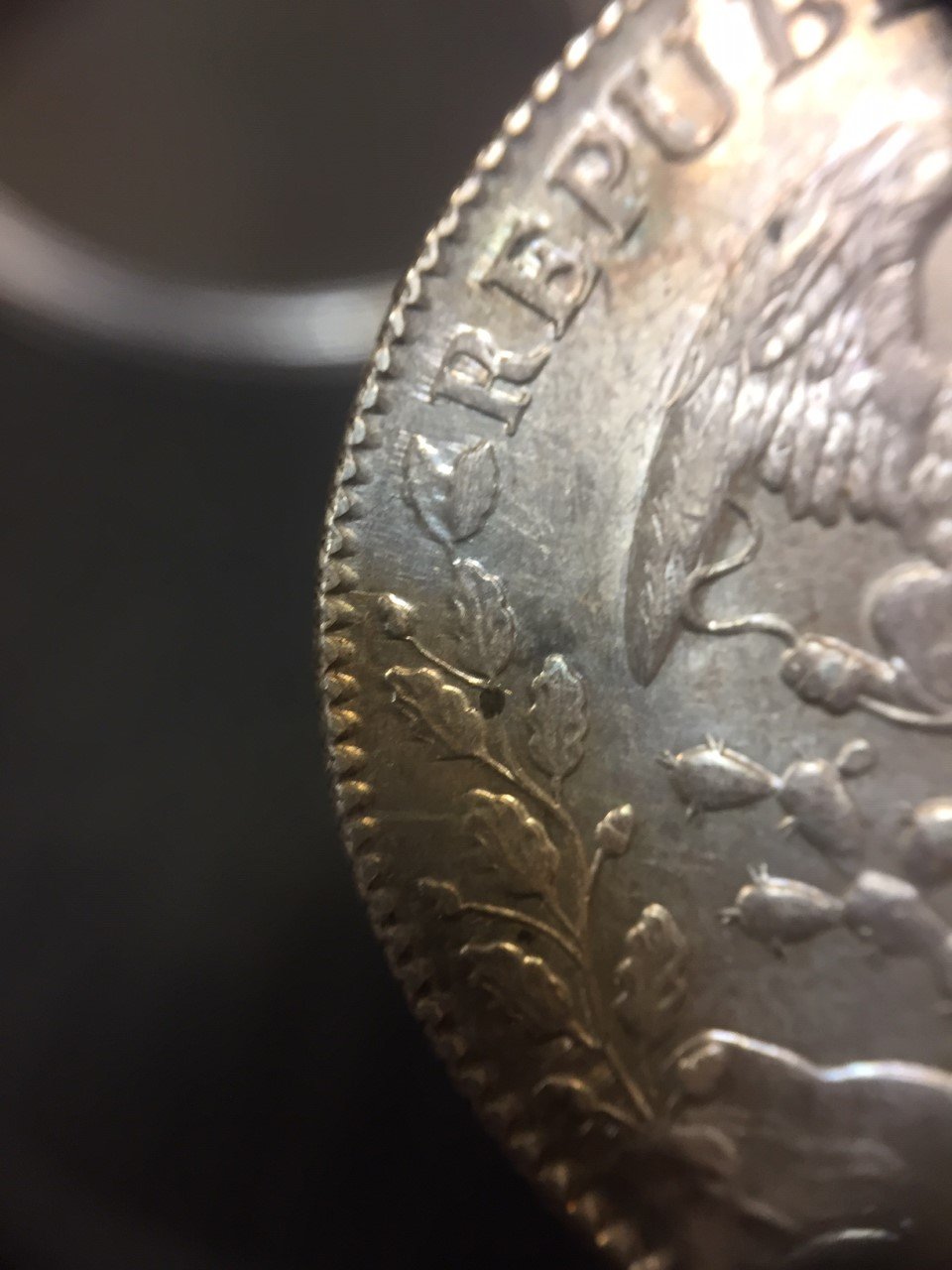
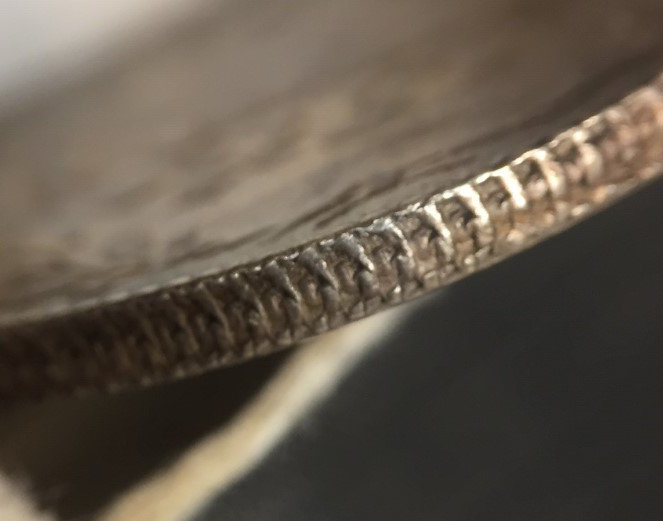
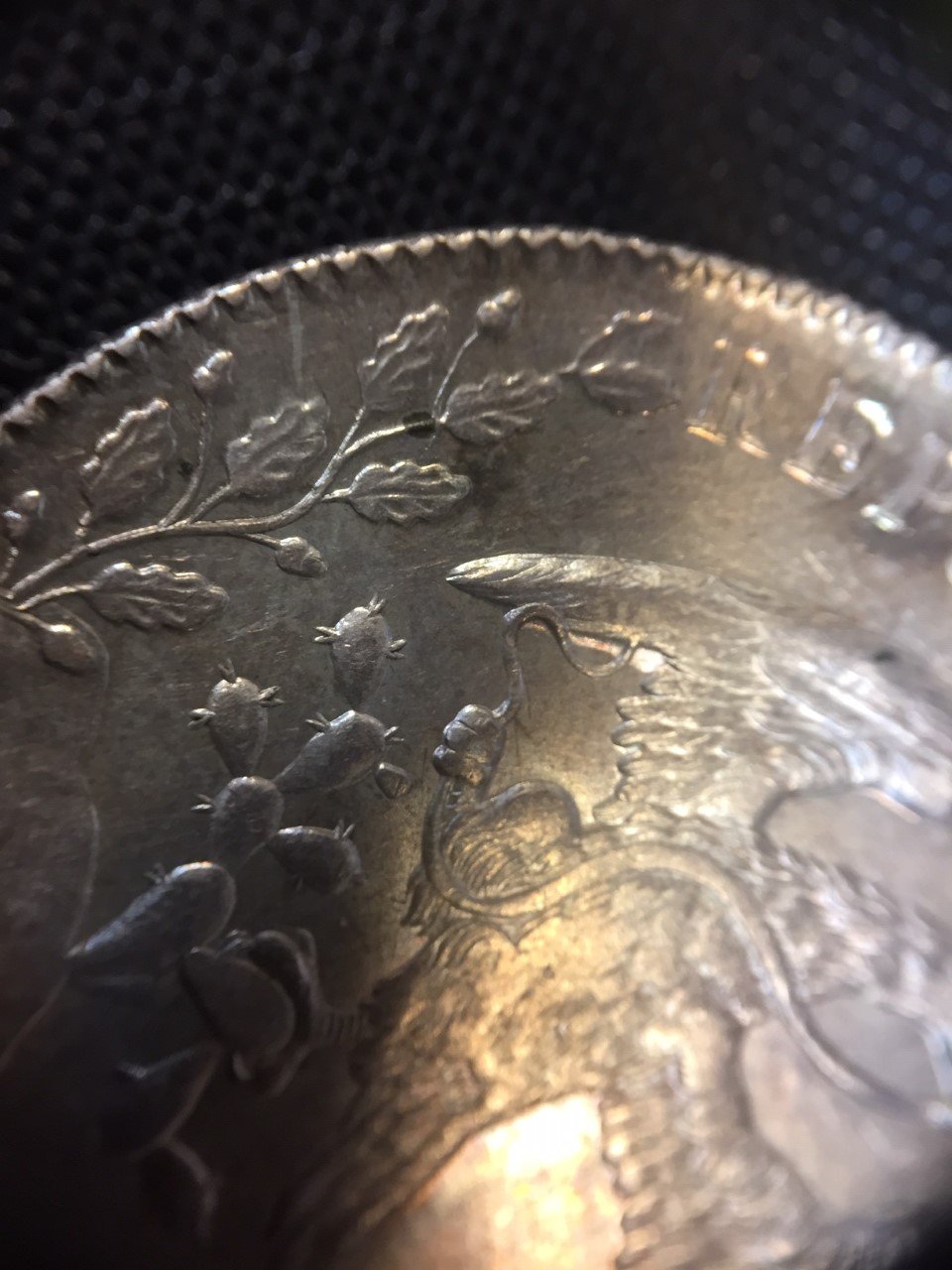
1). Didn't look like silver (I was thinking this was because of the patina) 2) He said the size was wrong. He put in on top of another 1893 8 real and mine was slightly smaller. 3) He said the edge looked too pristine. 4) He said the left cactus (cactie?) branch on the reverse was too close to the edge.
After that, I took it to a brick and mortar coin shop to get a second opinion. The two guys there had a thorough look at it and said it was good. Now I'm kind of in limbo here, so I decided to post a thread here. Thanks in advance, and if you want more pictures let me know.
Sorry but I am no help. First thing I would do is find out if it was good silver or not and go from there. Fuzzy pictures and weight cannot tell me that. There are members here that know much more than I do and will say their thoughts.
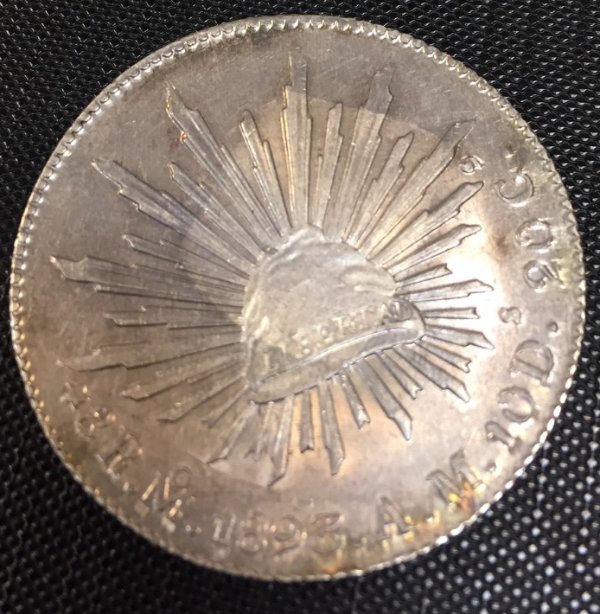
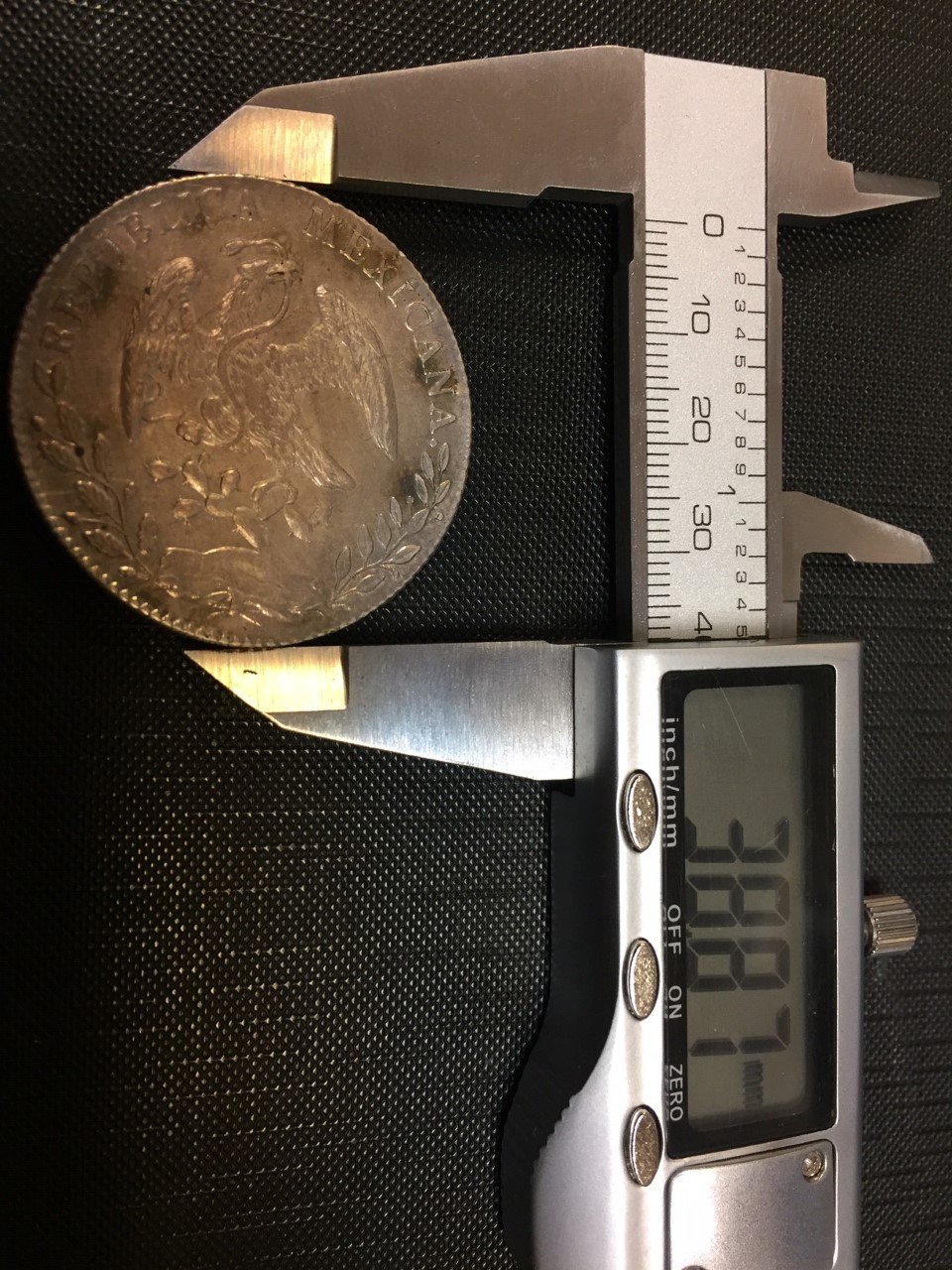
@Albert: Thanks for your input. I took some more pictures that I will post. To determine if it is silver, should I do a SG test? I tried to take some pictures with my loupe in front of my phonecamera to focus on the problems my friend found.
PS: I don't know the image uploader wont show the pictures in an upright position. I have them saved on my comp with the correct orientation but for some reason the image uploader tilts them 90 degrees.
Use your calipers to measure the thickness. Since you can zero it, I suggest using a coin flip to protect the surface. First put the empty coin flip in the calipers and zero to that thickness, then measure the coin's thickness inside the flip. The specific gravity can be calculated from thickness, diameter and weight. Just post the thickness and I'll run the numbers for you.
As it happens, I do have an ASE. I'll do the measurements and the calculation and report back. Thanks for the link to the post by swamperbob, that will come in handy.
OK, so because I'm hopeless at making formulas in spreadsheets, I did an alternative test described here:
EN3tlmQSUuI
*** Edited by Staff to add YouTube tags. [youtube][/youtube] Please use them in the future. We prefer embedded video. ***
Using the described method gave me a reading of 2.67, which in turn give me a specific gravity of 10.14 which, as I understand it, is still too low. I'm going to get in touch with the auction house regarding a refund.
I would in no way be afraid of this coin. SG tests done at home without excellent equipment just do not have the required precision. This looks like a struck coin, of excellent quality too. Do not be too rash to call everything a fake. Even in the case of highly counterfeited series.
Quote: SG tests done at home without excellent equipment just do not have the required precision.
While I respect your opinion, if you read swamperbob's post he makes a convincing argument that a reasonable and useful level of specific gravity can be done with less than excellent equipment.
Swamperbob's post recommends measuring the thickness twice, at the thickest and thinnest points of the coin, and using the average of the two readings. Elsewhere in the thread he mentions that the thin reading tends to be around half a millimeter less than the thick one. By that system, if the coin is 2.43mm thick at the rim (probably the thickest point), then an estimate of the average thickness would be 2.18mm - which gives an SG result of 10.5.
That's a little too high I believe, but since we were only guessing at the average thickness it seems reasonable to think the coin geniune.
The guy in the Youtube video is submerging a loop of fat string along with the coin, and not compensating for its volume. Wouldn't that put his SG measurements off to the low side?
Let's hope swamperbob will comment on that 0.5mm difference in thickness. He was referring to an 1839 issue and we are currently discussing a coin minted over 50 years later. When did the Mexico City mint start using hubbed dies?
The very first thing I do is see if the coin is or is not dia-magnetic. I test density on my tech bench with good equipment that does have the needed accuracy and resolution if such a test is suggested.
jgenn, I got a bit caught up in my calculations there - I hope I didn't seem too argumentative.
From my own measurements I think it's very common with late C&Rs to find say 0.2mm variation in rim thickness when measuring the same coin at different points, even when the rim appears unworn and the strike is pretty well centered. So 0.5mm across the whole coin seemed reasonable to me even for 1893 - but I'm very interested in what others have to say.
Disclaimer: While a tremendous amount of effort goes into ensuring the accuracy of the information contained in this site, Coin Community assumes no liability for errors. Copyright 2005 - 2026 Coin Community Family- all rights reserved worldwide. Use of any images or content on this website without prior written permission of Coin Community or the original lender is strictly prohibited. Contact Us | Advertise Here | Privacy Policy / Terms of Use











 Posted 11/04/2018 12:42 am