| Author |
 Replies: 2,104 / Views: 71,754 Replies: 2,104 / Views: 71,754 |
|
|
|
Pillar of the Community
Australia
9759 Posts |
Gabon 1985 500 francs. 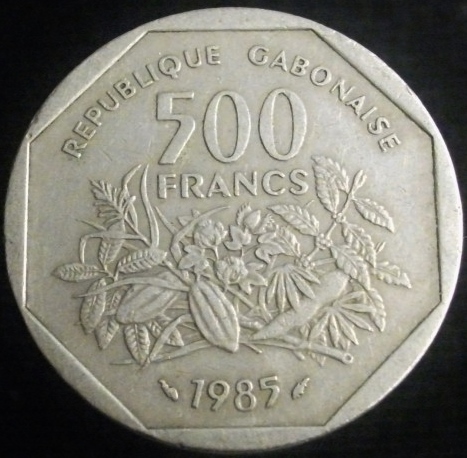 |
|
Moderator
 United States
195053 Posts |
Quote:
Already posted on the Edward VIII thread - 1936 Edward VIII Fiji penny: Quote:
Gabon 1985 500 francs. Nice examples!  |
|
Bedrock of the Community
United States
36940 Posts |
|
|
Pillar of the Community
United States
6841 Posts |
1967 Vatican City 100 Lire 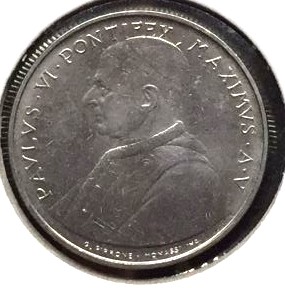 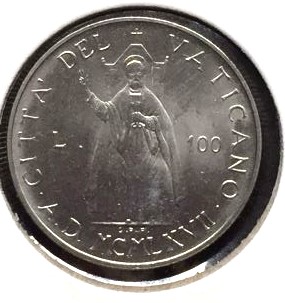 |
|
Moderator
United States
195053 Posts |
Quote:
1967 Vatican City 100 Lire Excellent! |
|
Valued Member
United States
175 Posts |
Well one of the most obvious one-year issues can be found in the US and a very recent one - 2021 George Washington Crossing The Delaware reverse with Flanagan's original Washington obverse. Two other interesting characteristics of the quarter is the raised relief of Washington after decades of it becoming flatter and flatter, and the need for the design on the reverse to be quasi-incused to fit everything. The raised Washington using Fraser's profile and on a few of the AWQ quarters reverses quite rich and full that the design seems almost incused to fit on the coin. Although the New Jersey State Quarter features the same historic event on its reverse the design and rendition differs somewhat (and in my opinion far better than the NJ State Quarter's). This Coin World shows the features of the coin and provides info about it - https://www.coinworld.com/news/us-c...arter-issued(I have one in my collection but too lazy to try and reduce the jpg file size to post here.) |
|
Pillar of the Community
Australia
9759 Posts |
Those quarters are nice, but don't belong in this thread as they are commemoratives.
|
|
Pillar of the Community
United States
2243 Posts |
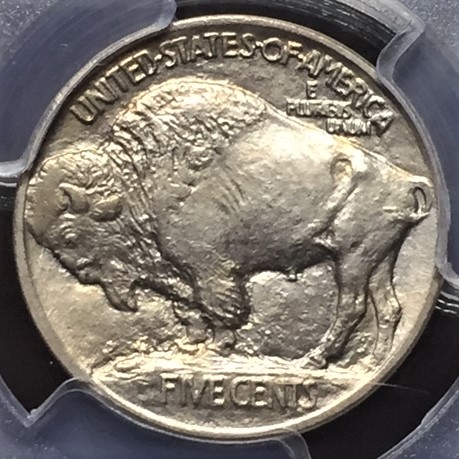
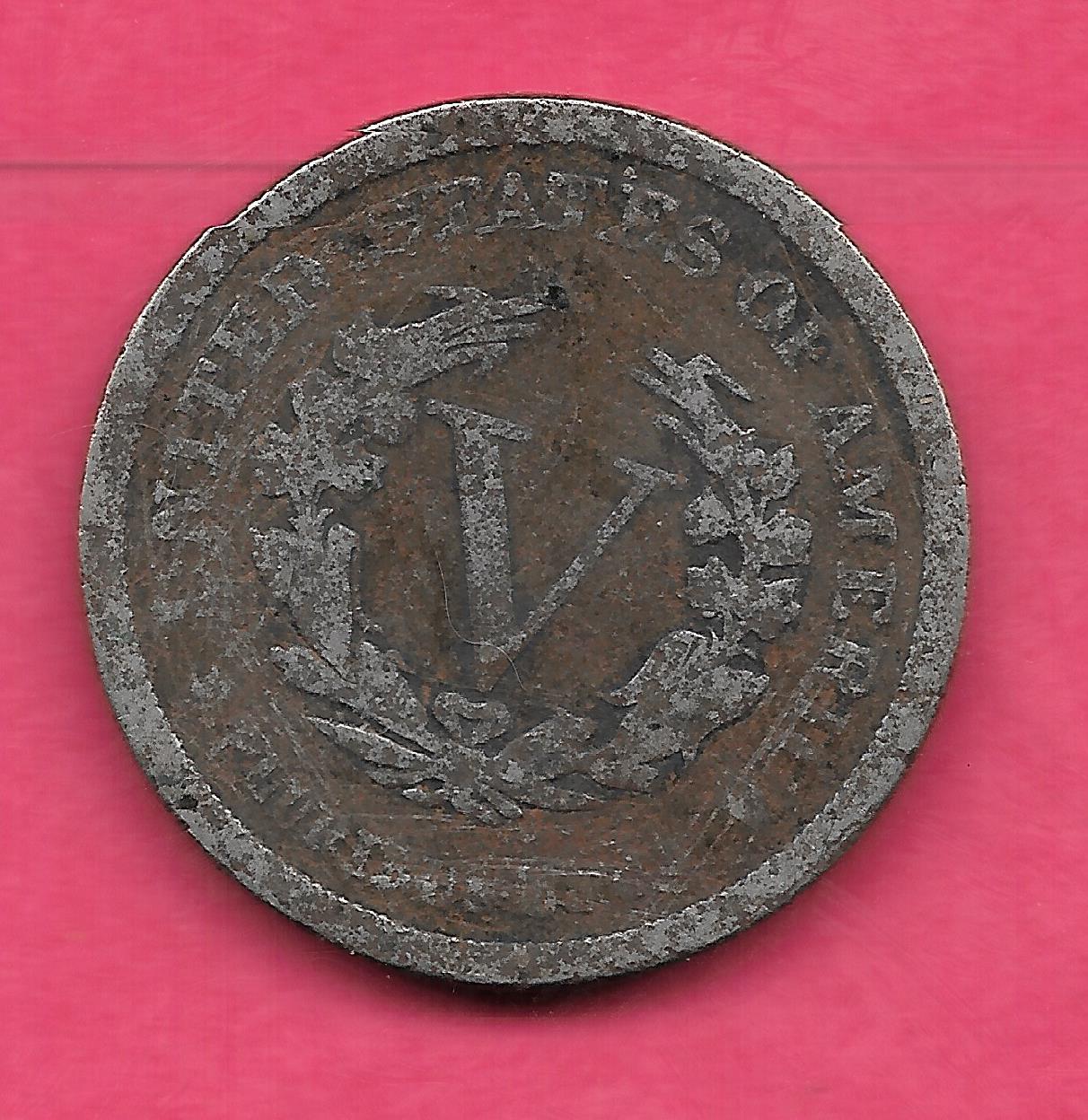 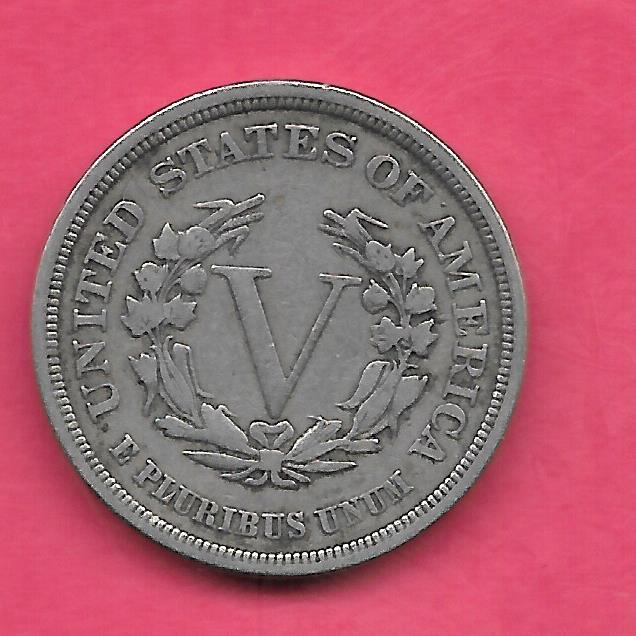 A world-famous one year type issue from the U.S. that needs no explanation. The first one is trashed, but it's unmistakable. The first issues of the Liberty, or "V" nickels, from 1883, did not have the word "CENTS" on the reverse. Charles Barber, the designer, justified this by pointing out that the three-cent pieces struck since 1851 had no denomination indicator, just the roman numeral "III". Soon, unscrupulous individuals were gold-plating these new nickels and passing them off as $5 gold pieces (in these days five cents bought a decent meal, so imagine what $5 could buy!) and public outrage forced Barber to rework the design to include "CENTS". A rumor emerged that the original coins would be recalled and this led people to hoard the 1883 NO CENTS nickels. Thus, they are readily found in higher than average condition, and even gem BU examples can be had for under $100! In contrast, the later "CENTS" variety, despite having nearly three times as many minted, is much harder to come across. |
|
Bedrock of the Community
 United Kingdom
18656 Posts |
Great post, CalzoneManiac - a classic one-year-only coin type! Something very similar happened in the UK just four years later. In 1887 all British gold and silver coins were redesigned, with a new effigy of Queen Victoria to celebrate her Golden Jubilee. The effigy remained in use until 1893, so was not strictly a commemorative design: 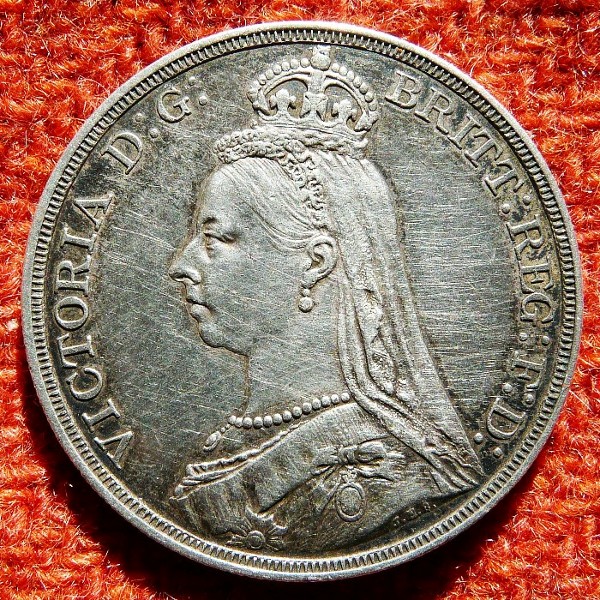 At the same time, new reverse designs were used for the coins. The sixpence, since 1831, had always shown the denomination on the reverse surmounted by a crown. But the new 1887 Jubilee Head sixpence just had the British coat-of-arms on the reverse, with no denomination shown. The design was very similar to the then-current half-sovereign, and within a short time gilded sixpences were being passed off as half-sovereigns: one half-sovereign was equivalent to 20 sixpences! After a few months The Royal Mint changed the design and adopted a slightly revised version of the old reverse, with the denomination in words below a revised Royal crown: 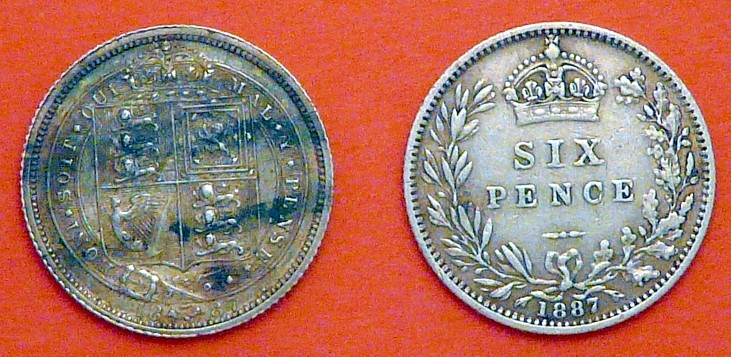 1887 Jubilee Head sixpences - 'Withdrawn' design on left, 'Revised' design on right. As with the 1883 'no cents' nickel, the 1887 'withdrawn' type sixpence is much more common in top grades than the 'revised' type, presumably because they were saved at the time in the hope that they would become rare and valuable. |
|
Bedrock of the Community
United States
27328 Posts |
The Federation of South Arabia was a British protectorate formed in 1962 that would dissolve in 1967 to become the People's Republic of South Yemen. Their only coins (dated 1964) were issued in 1965: 1 Fils (10M in aluminum), 5 Fils (10M in bronze), 25 Fils (4M in copper-nickel) and 50 Fils (6M in copper-nickel). Additionally, 10.5K proof sets were released. All had a common obverse. The 1 and 5 Fils reverse featured a pair of crossed daggers, while the 25 and 50 Fils featured a dhow. 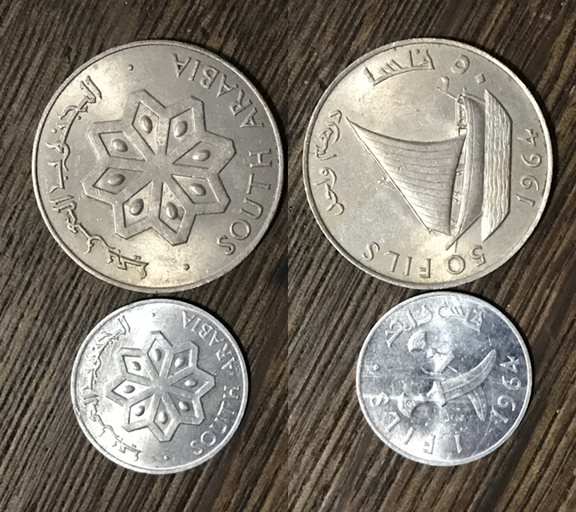 Inordinately fascinated by bits of metal with strange markings and figures
|
|
Pillar of the Community
Australia
9759 Posts |
1987 1 Dalasi from The Gambia. 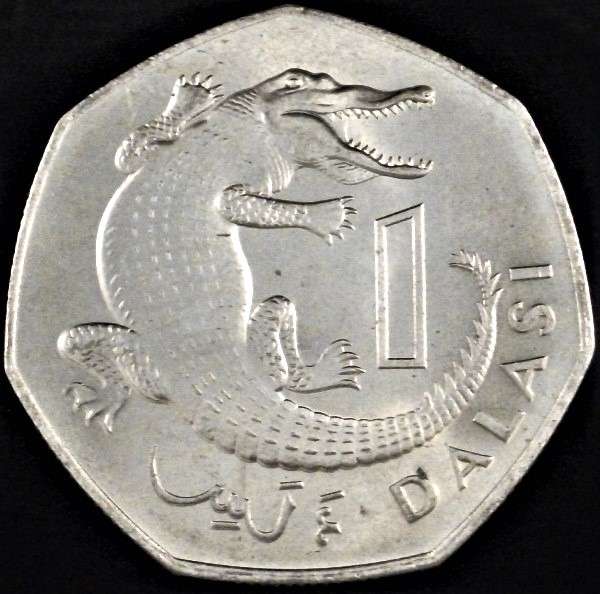 |
|
Pillar of the Community
United States
6841 Posts |
|
|
Pillar of the Community
United States
6841 Posts |
1943 Steel Cent 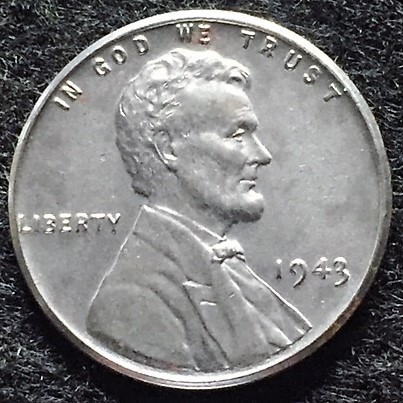 |
|
Pillar of the Community
Australia
9759 Posts |
1961 Katanga 1 & 5 francs 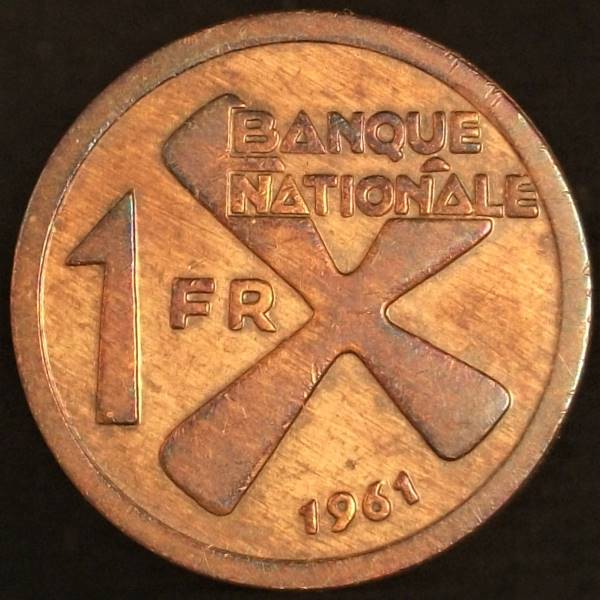 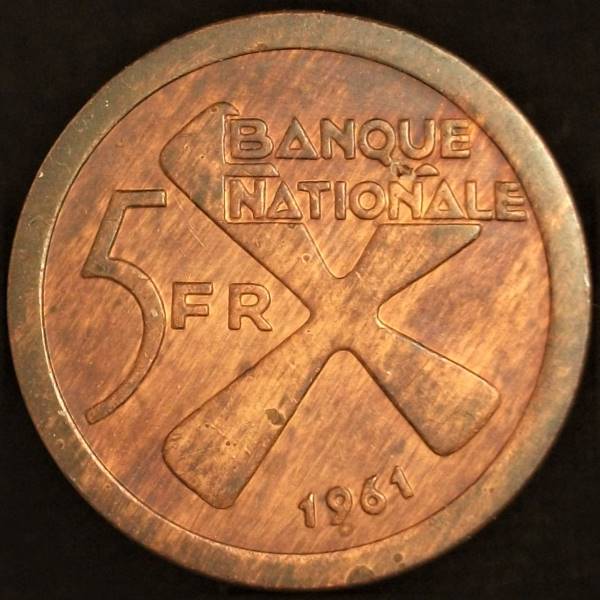 |
|
Pillar of the Community
Australia
9759 Posts |
Biafra 1969 1 shilling 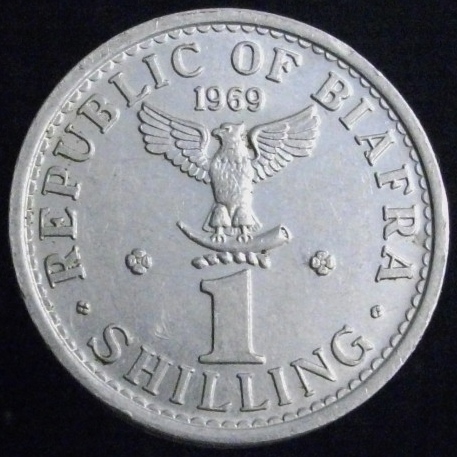 |
| |
Replies: 2,104 / Views: 71,754 |








 First Page
 Previous Page


 Posted 11/08/2023 10:11 am