| Author |
 Replies: 1,099 / Views: 54,567 Replies: 1,099 / Views: 54,567 |
|
|
|
Moderator
 United States
197783 Posts |
Quote:WELCOME TO THE 15th CENTURY   Quote:
1500 batzen of the Archbishopric of Salzburg (maybe with a new form of 5 to add?): Very nice!  |
|
Moderator
United States
34570 Posts |
Maybe that is an example of a 5c @tdz? I've got the same coin: 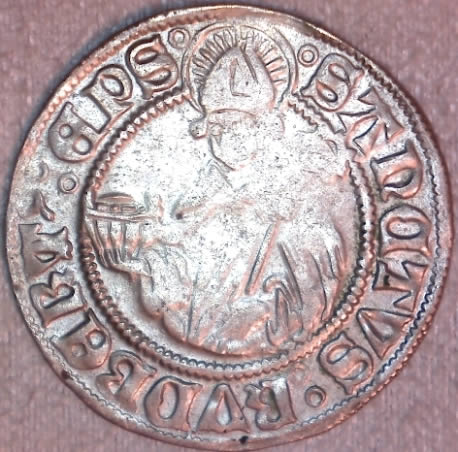 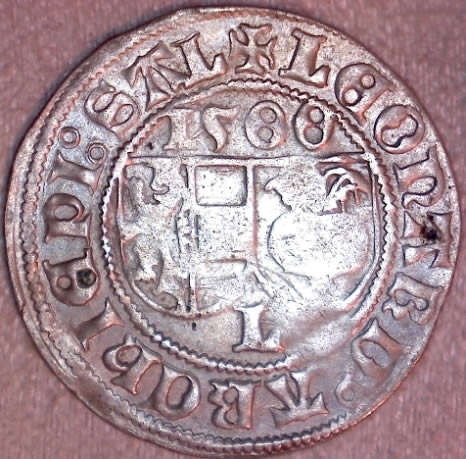 "If you climb a good tree, you get a push."
-----Ghanaian proverb
"The danger we all now face is distinguishing between what is authentic and what is performed."
-----King Adz
|
|
Moderator
United States
197783 Posts |
Quote:
I've got the same coin: Excellent! |
|
Pillar of the Community
 Russian Federation
5186 Posts |
Beautiful batzens!
I'll check to confirm more definitely later, but AFAICT we hadn't missed any dates yet.
Some of the next expected milestones, if I hadn't miscounted the dates...
1475 - November 5th
1450 - November 30th
1425 - December 25th
1400 - January 19th
1350 - March 10th
1300 - April 29th
1200 - August 7th
This thread will probably overtake the 7th edition of How Far Back Can We Go sometime in early March, ish; hard to say exactly when, especially if the other thread starts moving again.
|
|
Moderator
United States
197783 Posts |
Thank you for the update, J1M! |
|
Valued Member
United States
227 Posts |
Quote:
...I noted it as type "b" a few years back when I was cataloging these number typeforms: Hill's The Development of Arabic Numerals in Europe is the best source I've found for numeral forms. He takes examples from both coins & other artifacts and compiles them similar to your table. There are some interesting variations that appear to be specific to region. (Many newer books on the history of numerals use Hill's tables.) Once we get to 1474, there's another form of the numeral 4 that can be added to your table if anyone has an issue from Guelders. The 1513 Salzburg batzen has an interesting form of the numeral 3 to add as well. |
|
Moderator
United States
34570 Posts |
@sam, yes Hill's 1915 look at numeric typography is a bedrock publication and omitting it as a reference in my manuscript is a regrettable oversight. However, as one of my goals was to provide identification help when coin inscriptions are partial, I focused only on numismatic typeforms (and limited to the date range of the 9th through the 15th Centuries). I'm excited to see what additional ones we find!
"If you climb a good tree, you get a push."
-----Ghanaian proverb
"The danger we all now face is distinguishing between what is authentic and what is performed."
-----King Adz
|
|
Valued Member
United States
227 Posts |
I like the idea of using your table for the next iteration of this thread -- having it posted in the first post, and subsequent posts could reference the typeform of numeral(s) in their examples. (It might not be overly useful or meaningful until the early 1500s, though.)
I'd be interesting to see how often different types show up.
Although not in scope of this thread, I'd love to see some images of Scottish groats of James IV with gothic & modern forms of the numeral 4. There aren't many examples of gothic numerals used outside of dating in coins... and I bet there are others I'm unaware of.
|
|
Pillar of the Community
Russian Federation
5186 Posts |
Quote:
There aren't many examples of gothic numerals used outside of dating in coins... and I bet there are others I'm unaware of. There aren't that many examples of Arabic numerals used on pre-1600 coins outside of dating, period. (It became more common later.) I think I've mentioned before my sadness about acquiring a broken example of the 1566 1/2 öre, over an intact example that cost only slightly more... apparently not in this thread, so might as well post the coin, as somewhat of a catch-up. 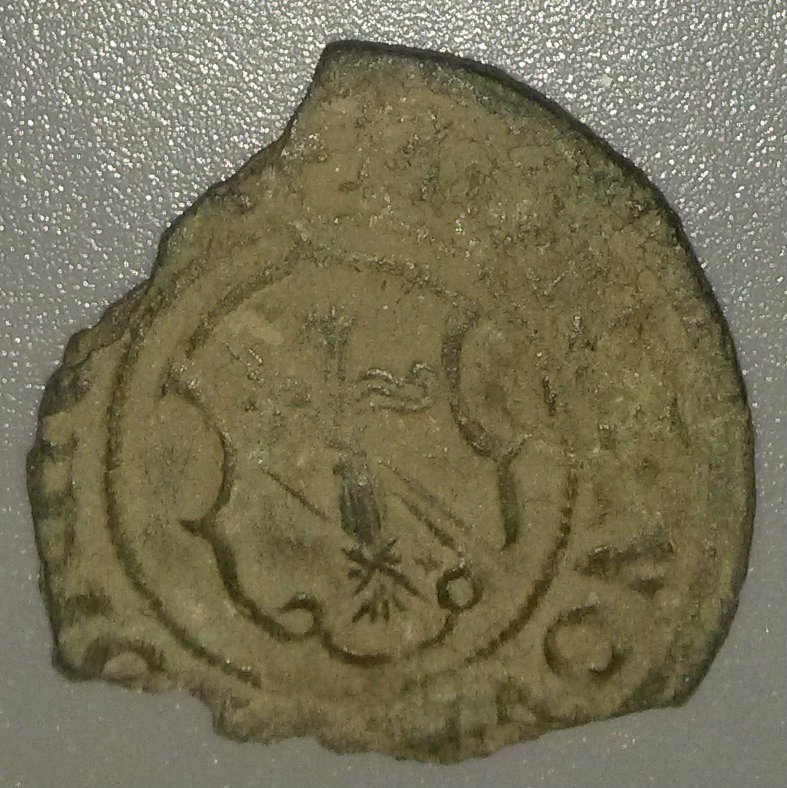 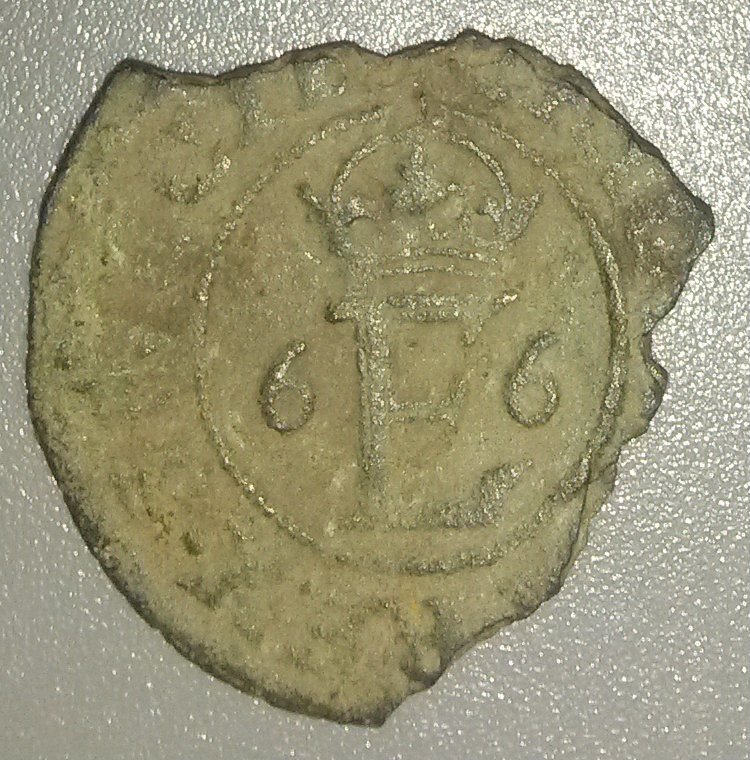 Sweden, Erik XIV (1560-8) 1/2 öre, 1566 MB# 105, Numista 31345I became a lot sadder about this situation when I found out that Erik XIV's name shows up on the coin as ERIC 14. (It's very visible in the Numista example.) On this coin you can kind of see parts of ERIC... but the 14 is just about entirely lost, in the chipped bits to the right of the 6s. It would have been so neat to have a coin with an Arabic regnal number like that, especially such a large one. But nope. And I'd be really surprised if I ever manage to acquire another coin from that brief reign without paying some absolutely ridiculous money. Edited by january1may
10/12/2024 03:41 am
|
|
Pillar of the Community
 United States
8074 Posts |
Quote:
Maybe that is an example of a 5c @tdz? Yes, just depends on the definition. If 5c,d,e are the family with a curved stroke concave left, and 5c is the one where the curve encloses 180 degrees or less, then it fits there. I was just struck by its resemblance to a tilted V or barless A (i.e. arms of nearly equal length). My 1499 is this 4 groat of the Bishopric of Bremen. About the only thing clear about it is the date (I should really pick up the 1499 Holland double patard that was actually struck 7 years later but used an earlier reverse die). 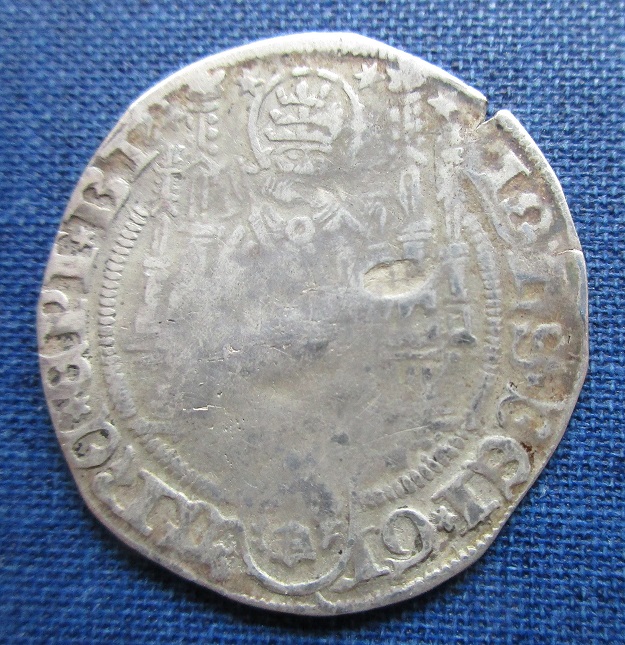 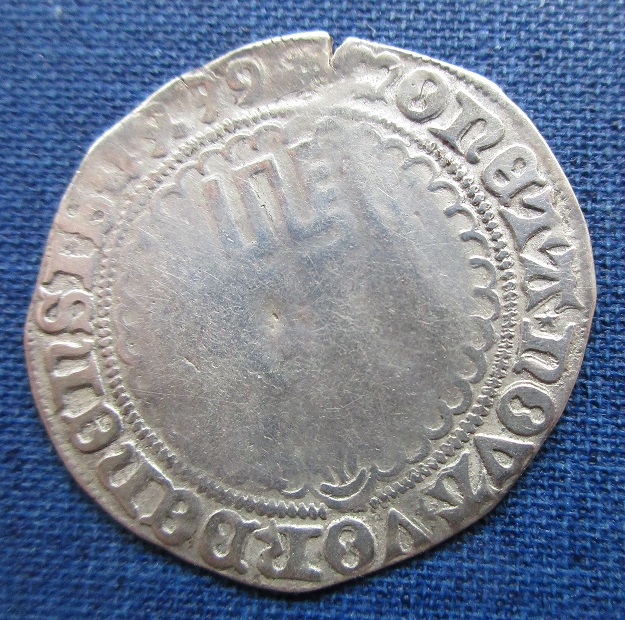 Edited by tdziemia
10/12/2024 10:49 am
|
|
Pillar of the Community
Australia
2583 Posts |
For 1498 I have this Jaunpur Sultanate billon Tanka AH 903 DR#2737, GG# J27, N#38508 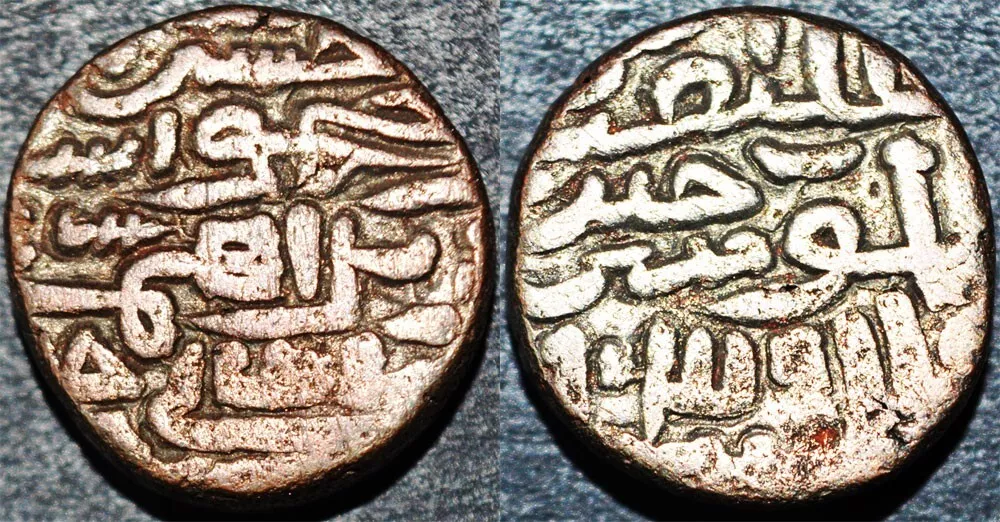 The Ox moves slowly, but the Earth is patient.
Edited by ttkoo
10/13/2024 04:37 am
|
|
Pillar of the Community
United States
8074 Posts |
1498 Duchy of Brabant toison d'argent (silver fleece). References W.605, GH110-1, Lev. II-141. 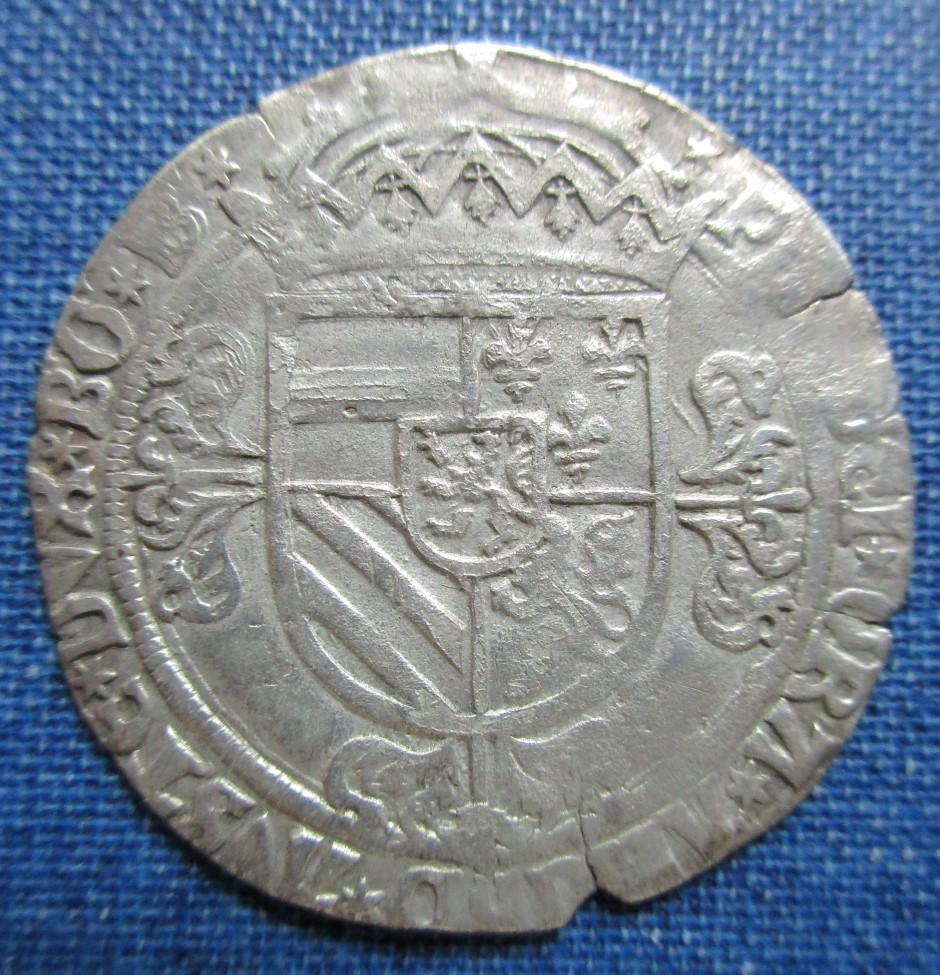 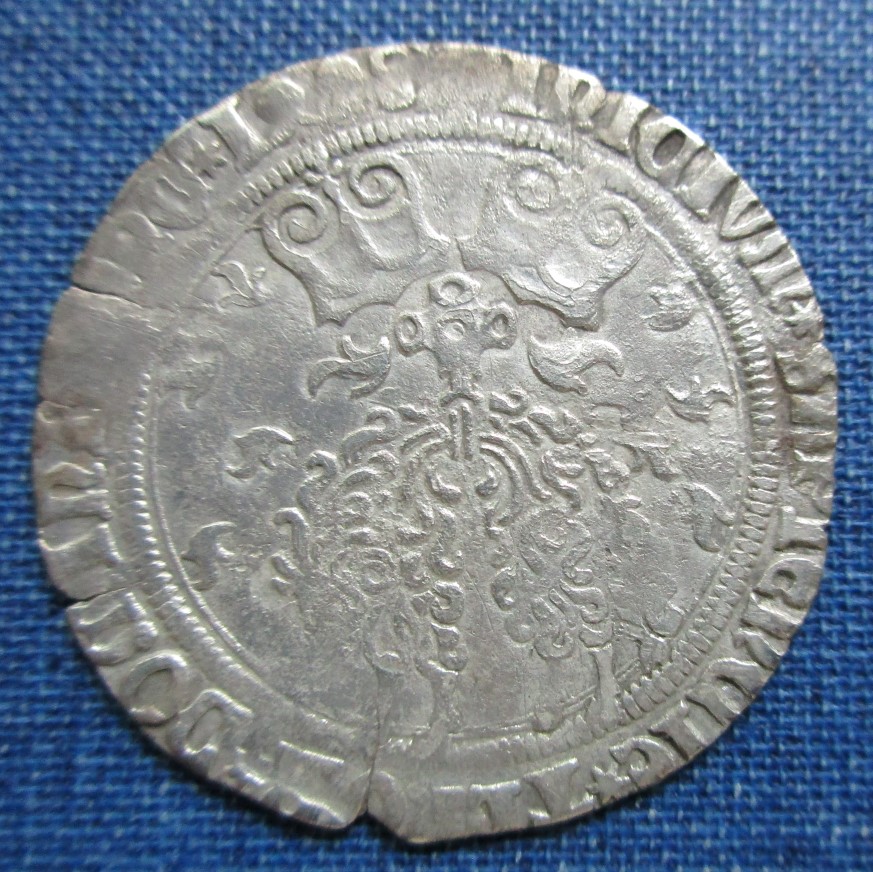 |
|
Moderator
United States
34570 Posts |
Here is a Goldgulden from Frankfurt: 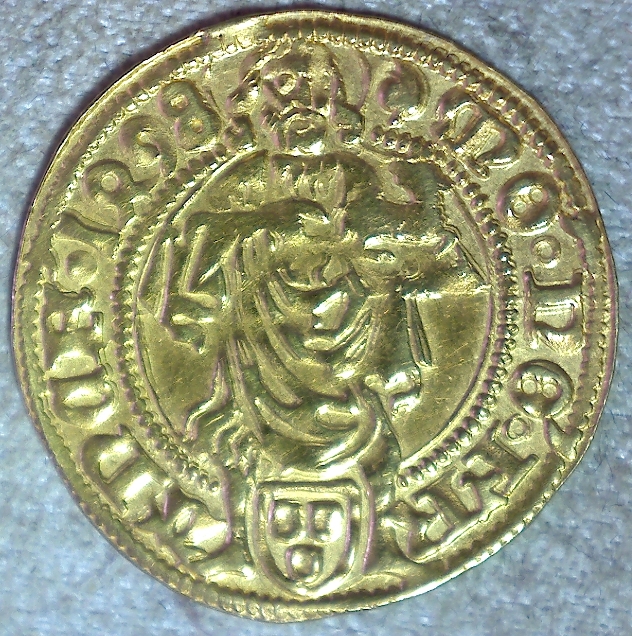 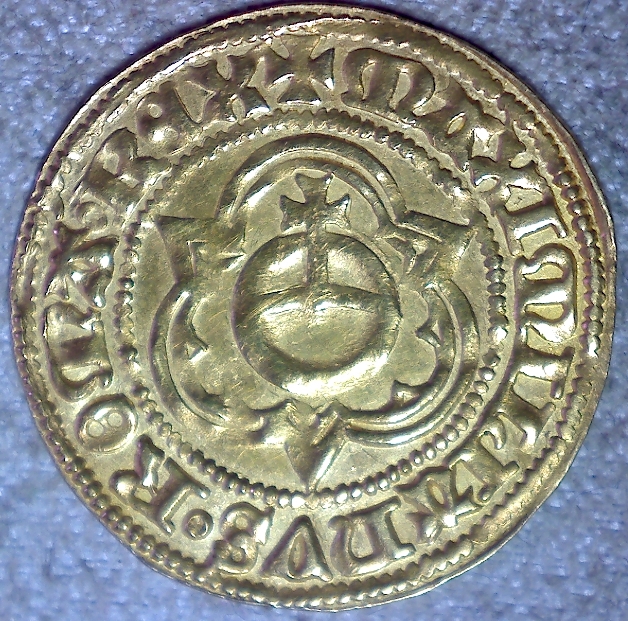 Dated gold is my fave! "If you climb a good tree, you get a push."
-----Ghanaian proverb
"The danger we all now face is distinguishing between what is authentic and what is performed."
-----King Adz
|
|
Pillar of the Community
Australia
2583 Posts |
That goldie is really pretty! Awesome, Spence.
The Ox moves slowly, but the Earth is patient.
|
|
Pillar of the Community
Sweden
2124 Posts |
Quote:
Here is a Goldgulden from Frankfurt:  And what a pretty "4" it has! |
| |
Replies: 1,099 / Views: 54,567 |





 First Page
 Previous Page


 Posted 10/11/2024 12:12 pm


