First Page
 Previous Page




 Posted 05/16/2023 11:13 pm


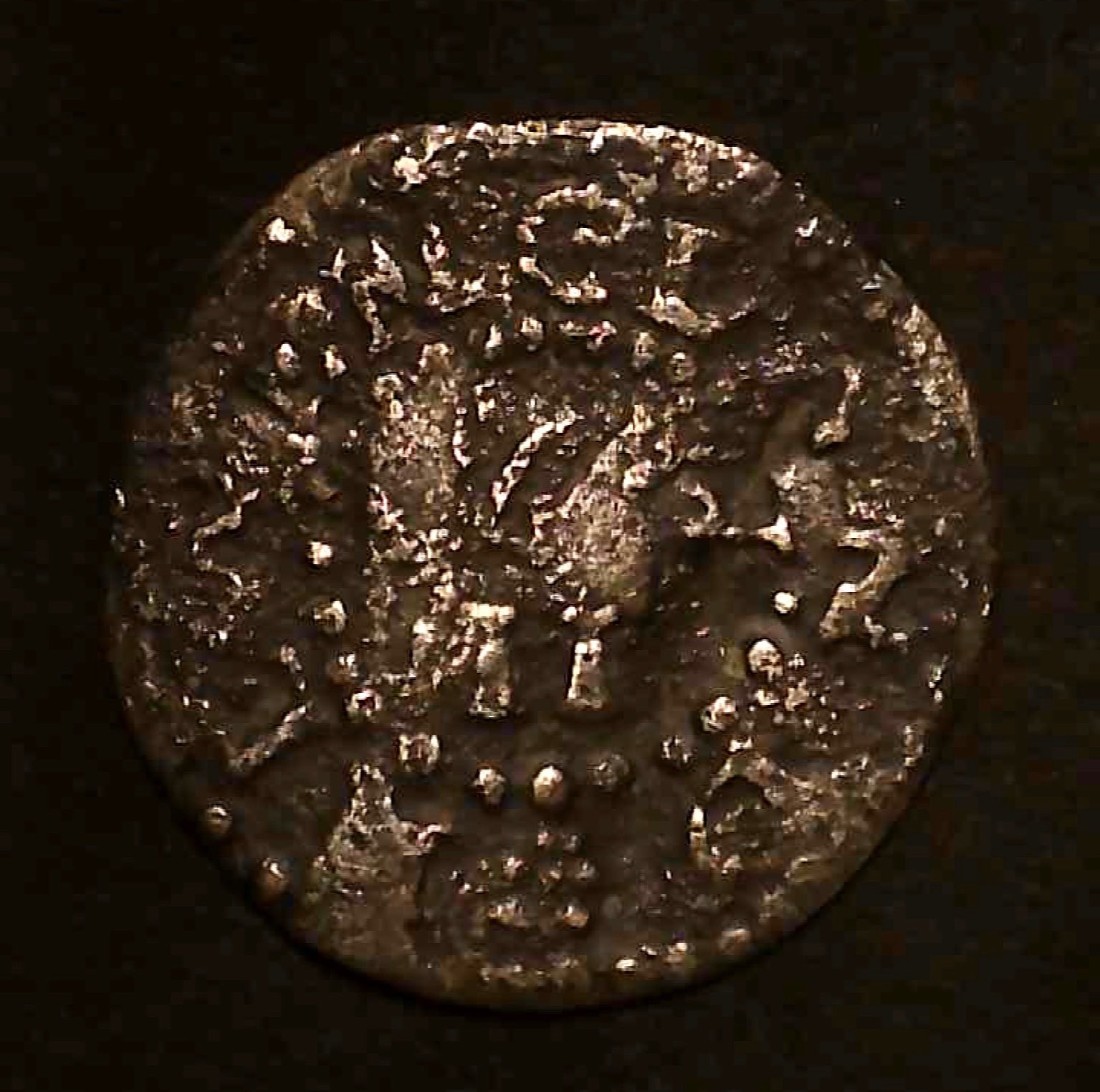
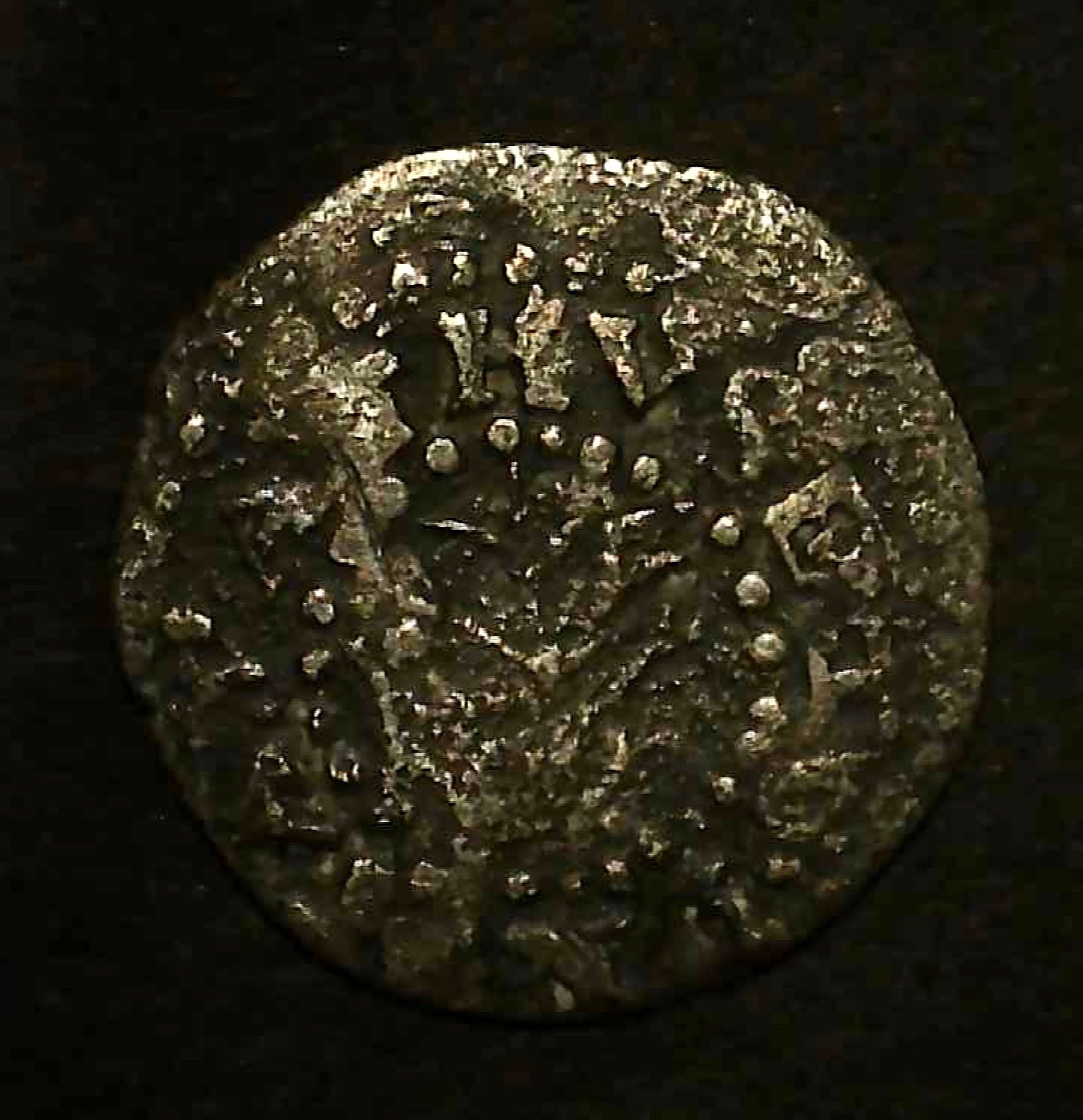
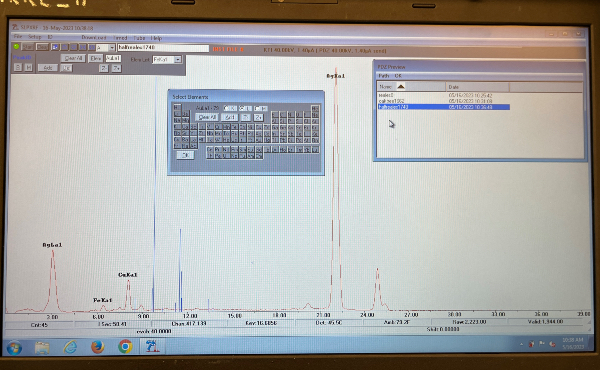
I am not familiar with that particular readout, but both tests show a similar pattern of peaks which would indicate a very similar alloy. Both appear to show a similar "under 1%" reading for gold. I only wish the operator had given you some indication of how far under one percent. One percent equals 10,000 ppm, so under 1% is a very widespread. However, the general similarity between the alloy of the two coins makes me believe that both are in fact genuine and that you have made a remarkable find. I know that you have no intention of selling the coin, but you may still want to have it authenticated to preserve it. You should also leave a detailed statement about the location and date of the find along with the pictures of the XRF tests for your heirs. That way you will leave a well-documented historical asset for the future.
One final comment is in order. The value of having an XRF test of the coin BEFORE submission to a TPG is to document the alloy and authenticity before it is encapsulated. None of the fundamental scientific tests of a coin like this can be made AFTER encapsulation. So, it is time well spent to always weigh a coin accurately, determine its density and do the XRF test prior to having it "certified" by a TPG which only uses a visual inspection done in a few seconds.
One final comment is in order. The value of having an XRF test of the coin BEFORE submission to a TPG is to document the alloy and authenticity before it is encapsulated. None of the fundamental scientific tests of a coin like this can be made AFTER encapsulation. So, it is time well spent to always weigh a coin accurately, determine its density and do the XRF test prior to having it "certified" by a TPG which only uses a visual inspection done in a few seconds.