| Author |
 Replies: 11 / Views: 582 Replies: 11 / Views: 582 |
|
|
Valued Member
New Zealand
236 Posts |
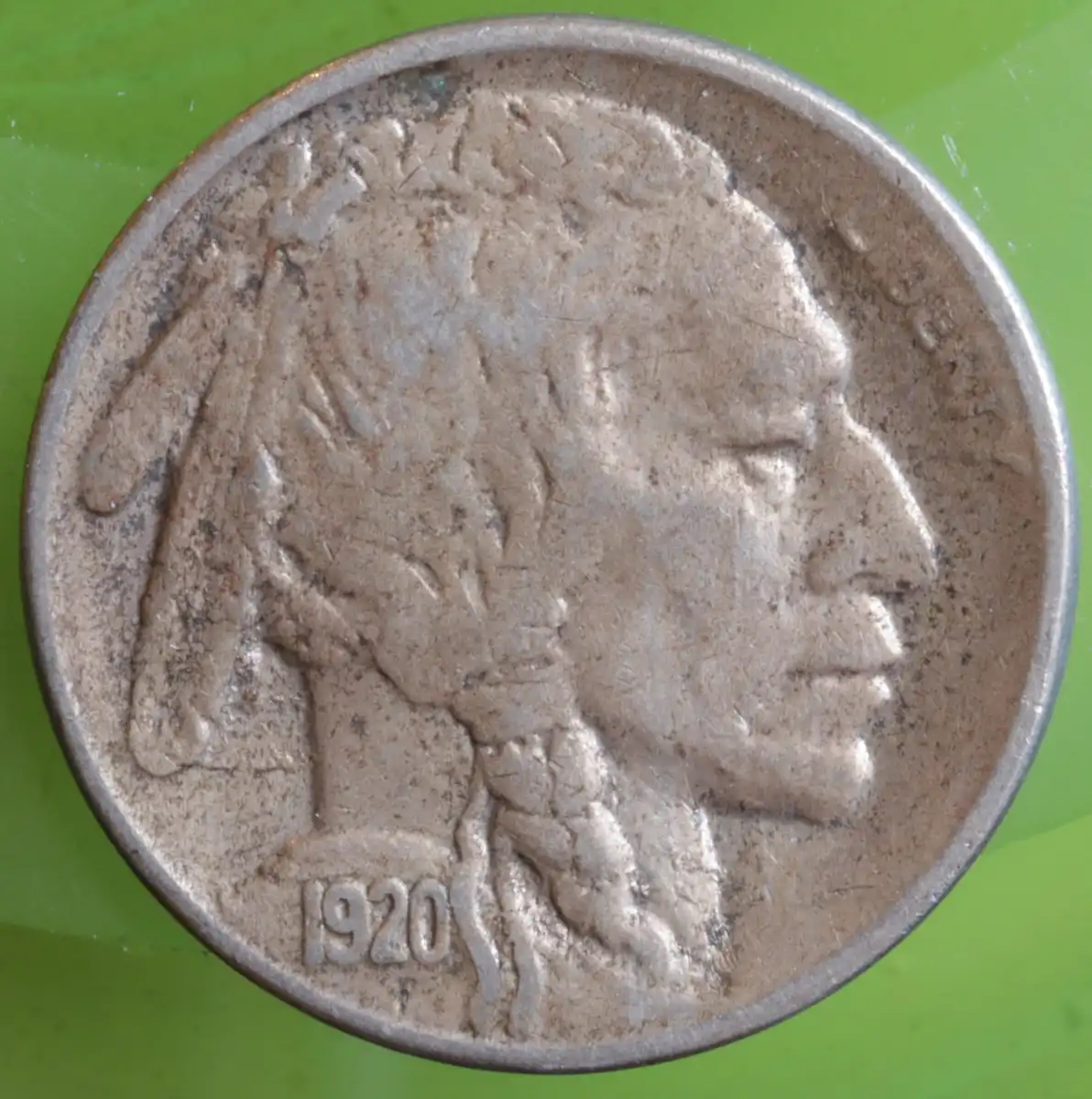
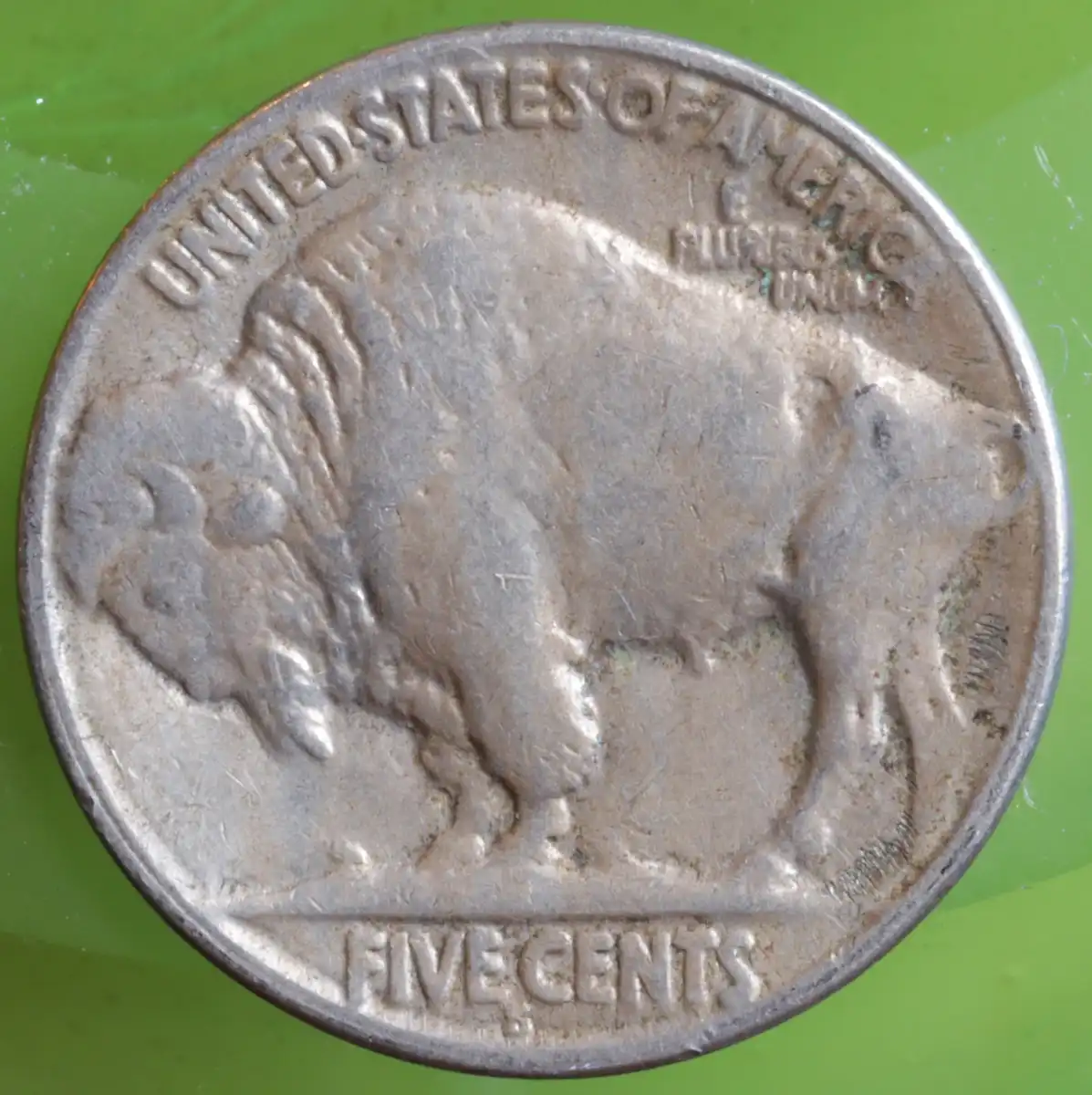
Or both? And some wear and tear, to be fair. There is technically a full horn, and I feel like the tuft on the tail is just visible, but a lot of the detail is pretty poor. One unusual exception is there is delineation in the strands in the braid. But not so much in the hair tie on the braid, and the upper ribbon is either worn or poorly formed. Is CVF-30 overly optimistic? What say you? 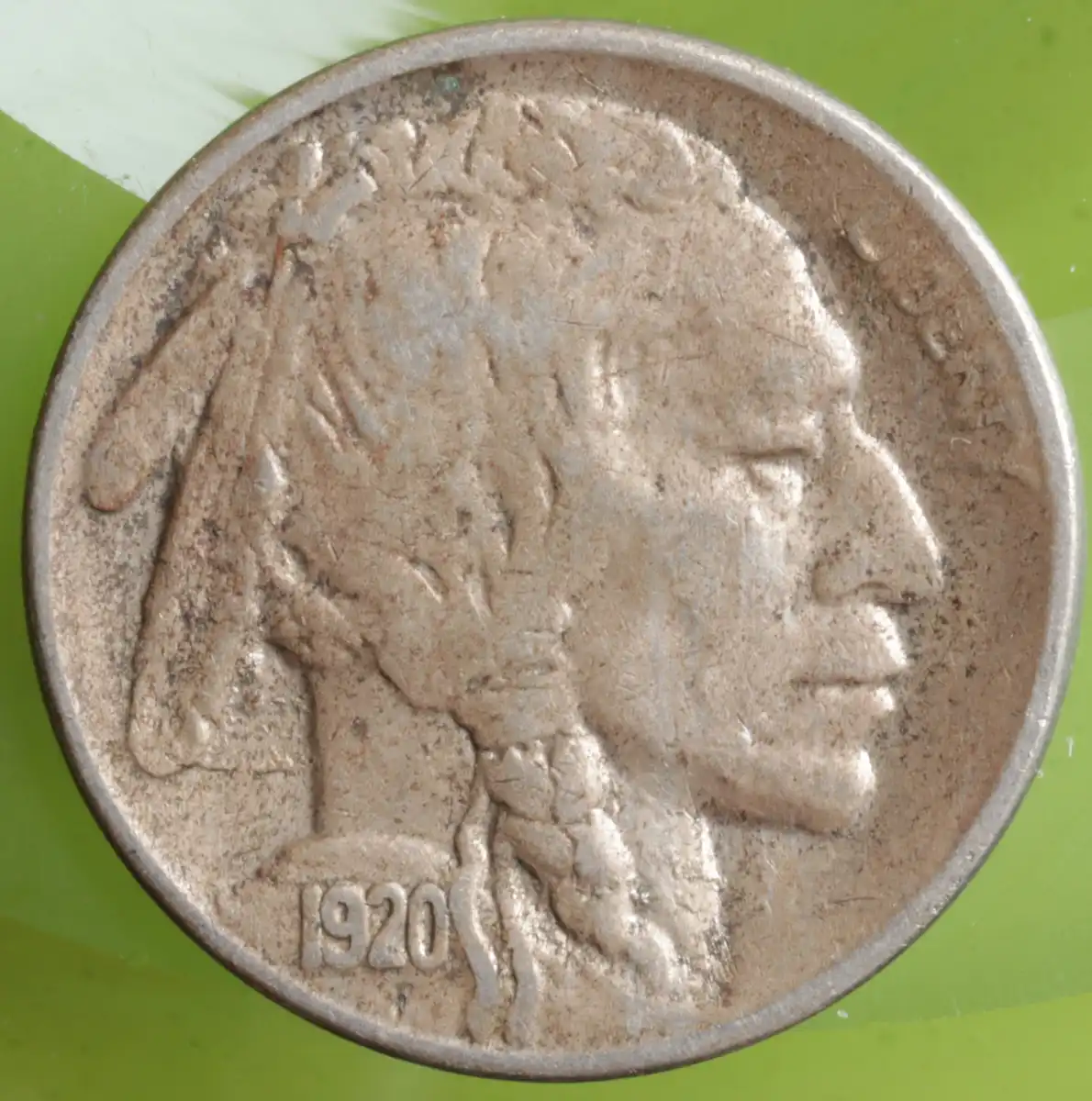 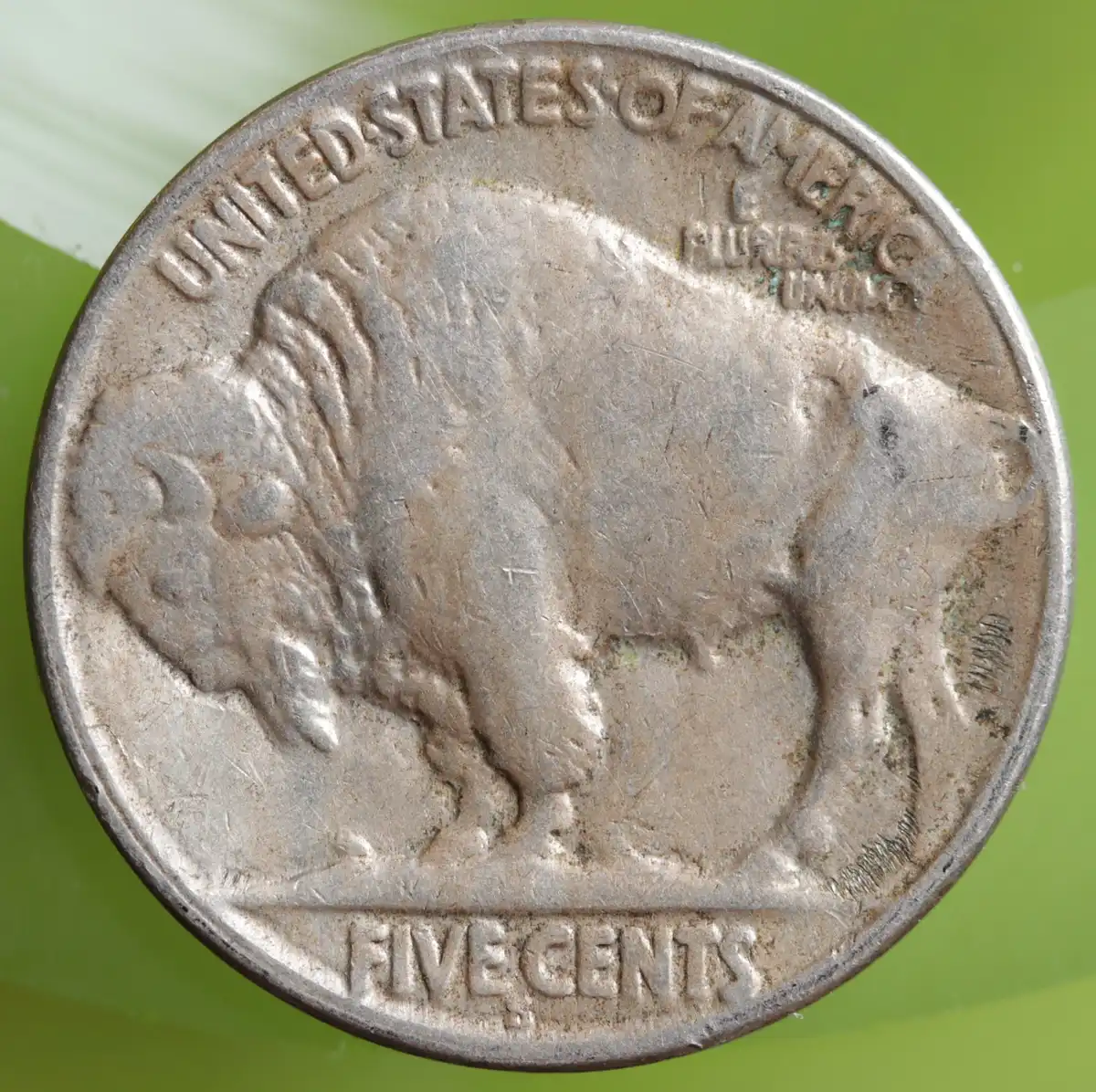 Do not read this sentence.
|
|
|
|
Pillar of the Community
United States
3747 Posts |
I don't think the strike is weak. There is nearly a complete rachis and calamus on the second feather and the date and lower ribbon are bold. The horn is sharp, along with the buffalo's beard, neck, and legs.
Your coin's die bears several similarities to what became the 1920-S FS-401 2-Feather. I wonder if it could be an earlier die state of the same die pair. There are three very light die cracks that seem to be on both coins (beneath the buffalo's head at the rim, curving between the buffalo's left rear and left front legs, and between the buffalo's head and the "U" of UNITED). The extensive die polishing that removed the third feather on FS-401 is a box-shaped polishing, in the same general shape and location as the polishing on your coin. Both coins have the top of the mint mark abraded in similar fashion. Both have LIBERTY heavily abraded toward the rim in similar fashion. On the 2-Feather variety, additional die polishing covered parts of the small die cracks and finally removed the third feather, which has been weakened on your coin by polishing, but is still mostly visible. IF this is an earlier die state, the heavier die polishing on the 2-Feather would have been a later polishing, which is why your coin doesn't show that level of die polishing. That could also explain the relative strength of the "19" in your coin's date versus the general weakness in the "19" on the complete 2-Feather.
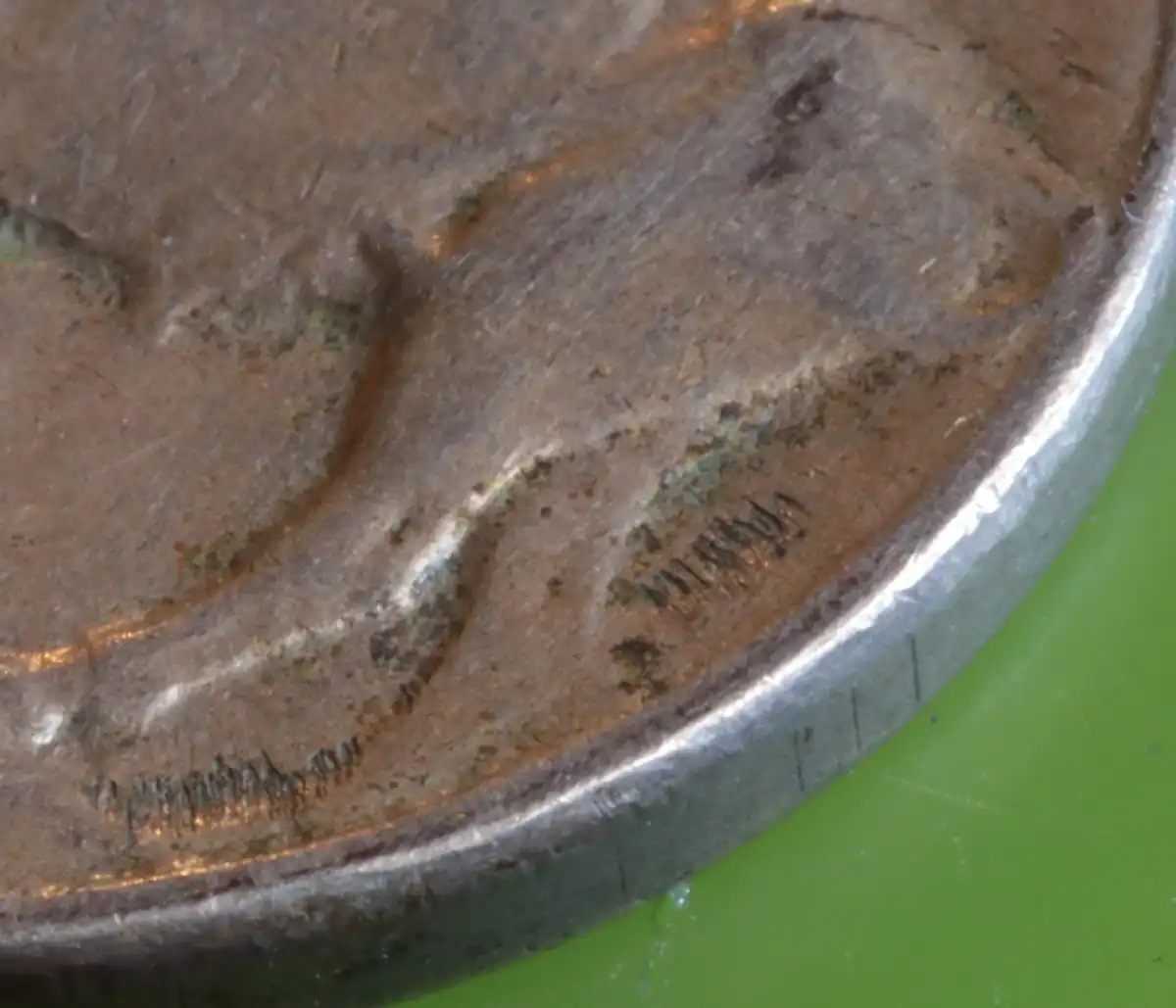
On your coin, I'm assuming that the parallel marks near the buffalo's rear legs and tail are raised, rather than incuse, and reflect a fairly strong die clash polishing shortly before your coin was struck. Multiple rounds of die polishing are common, especially at the branch mints.
Regardless of whether your coin is an earlier strike from the die pair that eventually became the 2-Feather, my read is that your coin is late die state, with extensive die clash polishing. On your coin, the buffalo's head, "F" of FIVE, and "S" of CENTS are just beginning to merge with the rim. Part of that is the die state, but most is circulation wear. The tail has merged. For most of us (but not PCGS), that places it in the VF range. There is more wear on the buffalo's head and upper back than I would like to see. I would personally net this out as VF-25.
|
|
Bedrock of the Community
 United States
18949 Posts |
well, the resident buff expert has assessed your coin.
i surely cant add anything to this at all.
|
|
Bedrock of the Community
United States
79761 Posts |
The reverse is showing die flow lines from Die Deterioration. Other that that, I have nothing else to add. Errers and Varietys.
|
|
Pillar of the Community
United States
7734 Posts |
Looks VF to me, too. When trying to grade some coins in this series it can get very deceiving, very quickly. Nice coin!
|
|
Bedrock of the Community
United States
11982 Posts |
Very nice looking coin. I would have said 35 but I think I have been overruled by the real experts on this site.
IN NECESSARIIS UNITAS - IN DUBIIS LIBERTAS - IN OMNIBUS CARITAS THE MAN IN THE ARENA, Theodore Roosevelt at the Sorbonne Paris on April 23, 1910: " It is not the critic who counts; not the man who points out how the strong man stumbles or where the doer of deeds could have done better. The credit belongs to the man who is actually in the arena, whose face is marred by dust and sweat and blood, who strives valiantly, who errs and comes up short again and again, because there is no effort without error or shortcoming, but who knows the great enthusiasms, the great devotions, who spends himself in a worthy cause; who, at the best, knows, in the end, the triumph of high achievement, and who, at the worst, if he fails, at least he fails while daring greatly, so that his place shall never be with those cold and timid souls who knew neither victory nor defeat." My coin website: https://fairfaxcoins.com |
|
Valued Member
 New Zealand
236 Posts |
As always, I really appreciate the thorough answer, FC. Are you hinting that PCGS would actually overgrade this? Is that because of the complete horn? Quote:
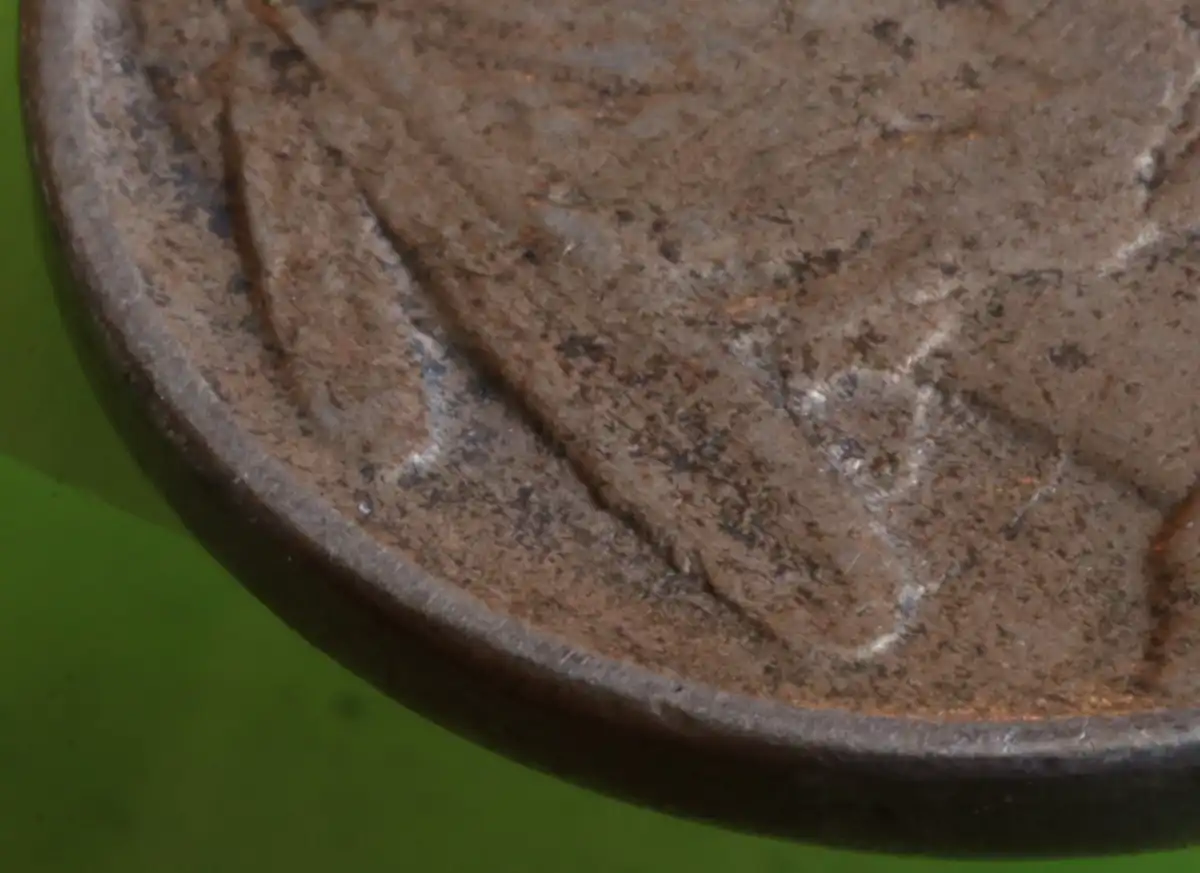
I'm assuming that the parallel marks near the buffalo's rear legs and tail are raised, rather than incuse I'll try and get a tight, low-angle photo tomorrow, but they're actually incuse from what I can see under magnification. It looks more like maybe a lamination or surface issue. Or perhaps there's more damage across the surface from some sort of environmental damage, because above the top feather has a similar thing going on, and the rachis of the second feather kind of falls apart as it moves down the coin. And the black freckling all around the surface seems to suggest this. Funny thing is, I have another 1920-S that I graded higher, but the horn is in a much more worn state. Can't really see the end of it. I might try to get photos of that tomorrow as well. Do not read this sentence.
|
|
Pillar of the Community
United States
3747 Posts |
If the marks are incuse, then it would suggest post-strike damage, which could also explain some of the areas of design flatness. That in turn could suggest a higher underlying grade, but certainly with a details designation.
With proper die alignment, the buffalo's rear legs clash with LIBERTY, and damage there would explain some of the weakness in LIBERTY. The second feather clashes with the buffalo's head toward the "U" of UNITED. And the date and neck clashes with the buffalo's upper back and hump, which. This could suggest that the damage in the feather area caused some of the weakness in the hair on the buffalo's back. These clash areas (plus the chin/EPU clash) are the most common areas for excessive die clash polishing. Your coin is interesting, because I don't see as much evidence of polishing in some of the most common areas. At least some of that could also be explained by post-strike damage in those areas.
The TPGs struggle with mid-grade Buffalos. In fairness, spotting the clash polishing, strike weakness, and die state is easier on the EF and higher coins. It's not unusual to see coins slabbed as F-12 and more commonly F-15 that properly should be graded VF-20 to VF-30. A frustration with PCGS is with the VF-35 and EF-40 grades. PCGS seems to allow coins into EF-40 with circulation wear merging the buffalo's head, buffalo's tail, "F" of FIVE and "S" of CENTS with the rim. Absent clash polishing in those areas, EF-40 coins should have some separation of all four of those design elements from the rim. That's a key reason why I believe a VF-38 grade should be created.
On your coin, the horn was one of the key elements that made me believe the strike was fairly strong. Again, if post-strike damage could explain some of the areas of unexpected weakness, the technical grade would be higher, but the coin would be detailed. (NS's VF-35 certainly would be a beginning point for discussion in that scenario.)
Interesting coin!
|
|
Valued Member
New Zealand
236 Posts |
Do not read this sentence.
|
|
Valued Member
New Zealand
236 Posts |
This one has a weaker date, braid, and tie, but a much stronger LIBERTY, top ribbon, and rachis for that matter, but a weaker horn, but overall stronger reverse, including the mint mark. So much variability! 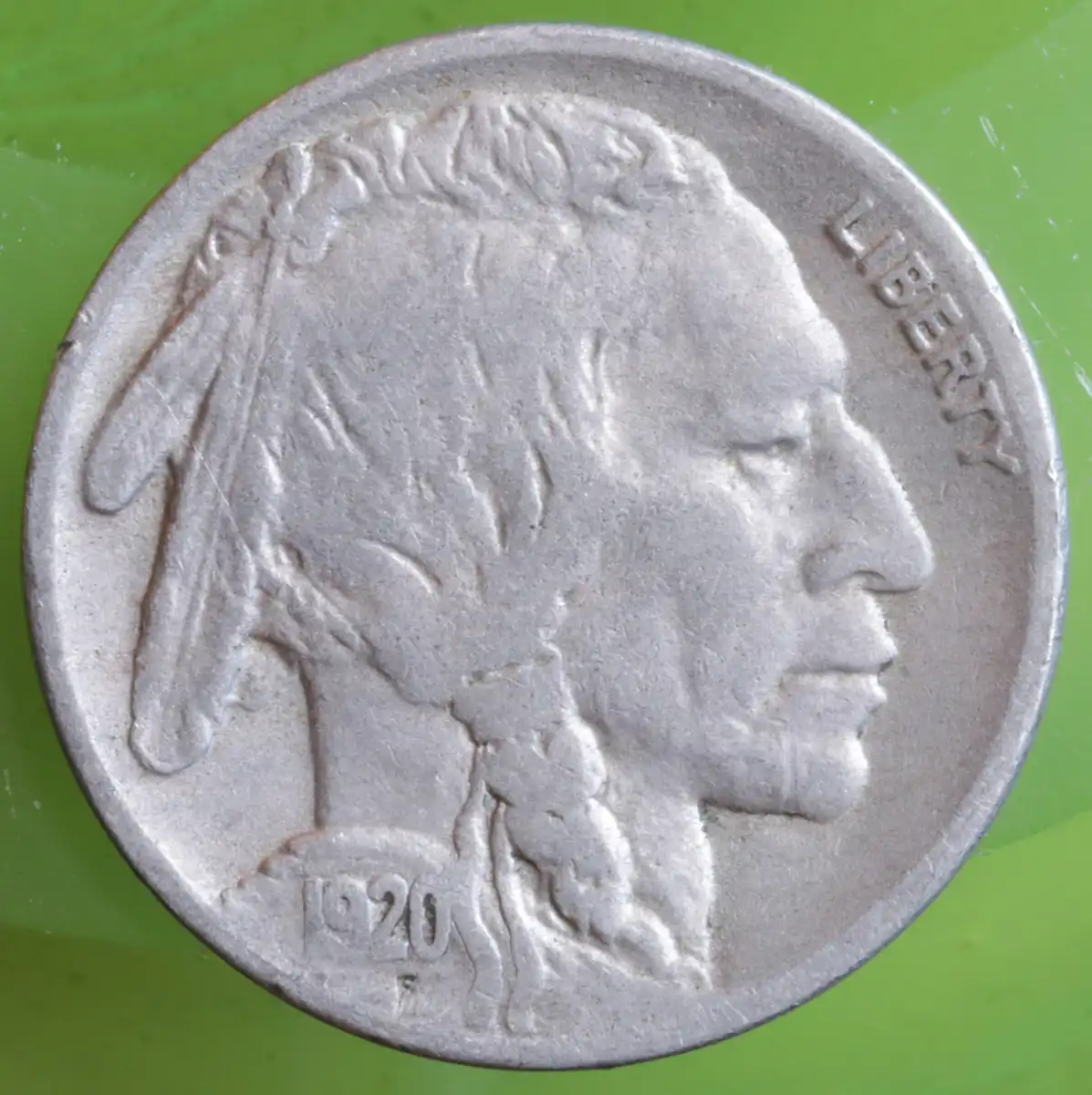 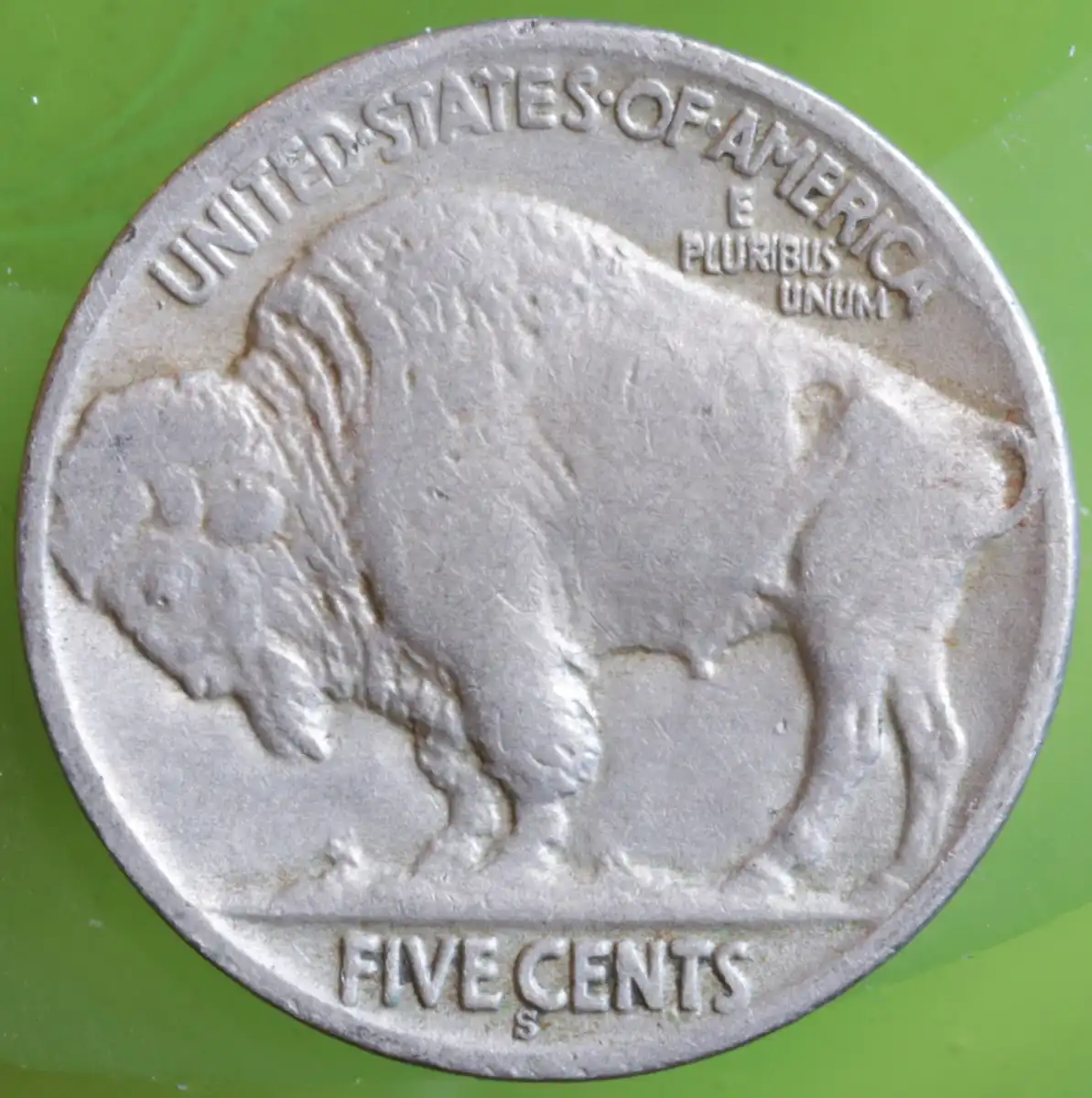 Do not read this sentence.
|
|
Bedrock of the Community
United States
18949 Posts |
out of about 2 dozen 20S I found 3 with those marks behind the leg. I'm pretty convinced its die polishing. yours are just a little more prominent 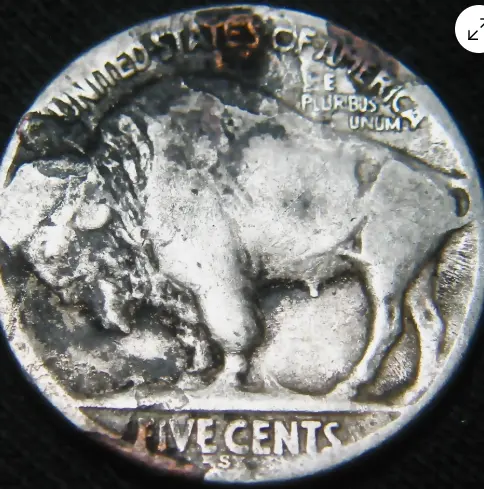 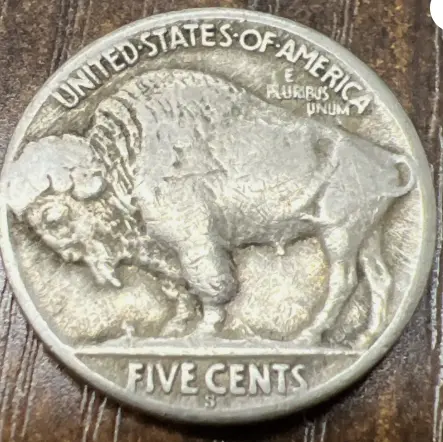 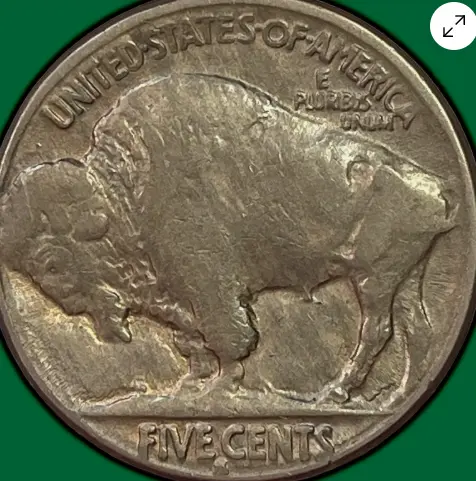 |
|
Valued Member
New Zealand
236 Posts |
Thanks, panzaldi. Maybe we need to consider the possiblity the buffalo had held it in as long as he could, and nature finally called.....  Do not read this sentence.
Edited by Buffalo soldat
07/12/2026 6:00 pm
|
| |
Replies: 11 / Views: 582 |
|




 Posted 07/10/2026 11:00 am